
I remember the first time I decided to upgrade my rig. Excitement was high, but so was the sheer panic when I realized I had no idea if the new case actually came with all the tiny bits and bobs I needed. Specifically, I remember asking myself, ‘do mounting screws come with computer case?’ It’s a question that seems simple, but the answer can be a real pain if you’re not prepared.
You’re knee-deep in a build, or maybe just trying to swap out a hard drive, and suddenly you hit a wall. That wall is often a missing screw, a stripped thread, or the wrong damn size. Trust me, I’ve been there, staring at a pile of perfectly good hardware and a case that’s stubbornly refusing to cooperate because of one missing M.3 screw.
It’s not just about aesthetics; it’s about functionality and stability. A loose component can cause all sorts of headaches, from weird noises to outright system failure. So, let’s cut through the marketing fluff and get down to brass tacks about what you can actually expect when you unbox that shiny new PC case.
The Screw Situation: What’s Actually Included?
Alright, let’s tackle the big question head-on: do mounting screws come with computer case models? Generally, yes, they absolutely do. It would be pretty wild if a product designed to house expensive electronics didn’t include the basic fasteners needed to install that hardware. Most manufacturers understand this and bundle a decent selection of screws, standoffs, and sometimes even zip ties or Velcro straps to help you manage your cables.
Think of it like buying a piece of IKEA furniture. They don’t expect you to have your own Allen wrenches and dowels lying around, right? PC cases are similar. They come with a little baggie, often labeled, containing the hardware you’ll need for the most common installations: motherboard standoffs, screws for your drives (both 2.5-inch and 3.5-inch), screws for your power supply, and usually a handful of generic motherboard mounting screws. Some higher-end cases might even throw in specialized screws for things like SSDs or radiators.
However, and this is where the frustration can creep in, the ‘decent selection’ can sometimes fall short. Maybe you’re installing more storage drives than the case designers anticipated, or you’re using a particularly chunky motherboard that requires a few extra standoffs. Or, and this is my personal hell, you drop one of those tiny motherboard screws and it vanishes into the abyss of your carpet. Suddenly, that bundled screw pack feels a whole lot less generous. I once spent nearly forty-five minutes hunting for a single motherboard screw that had rolled under my workbench. It was not fun, and it definitely tested my patience.
The quality of these bundled screws can also vary wildly. Some are nice, solid metal with clean threads. Others feel a bit soft, and you’re constantly worried about stripping the heads or the threads themselves. This is especially true for the generic motherboard screws. They’re often made of softer steel, and if you over-tighten them or use a driver that’s not a perfect fit, you can kiss those clean threads goodbye.
So, while the answer is mostly ‘yes,’ it’s important to temper that expectation with a dose of reality. Always check what’s included in the box, and be prepared to supplement if you’re doing anything beyond a basic build.
Beyond the Basics: What to Look for and What You Might Need
Even when a case does come with screws, it’s rarely a one-size-fits-all situation. Most PC cases will bundle screws categorized by their intended use. You’ll typically find: (See Also: How To Fix Eyeglasses Arm Without Screw )
- Motherboard Standoffs: These little brass or black-coated screws create a gap between your motherboard and the case, preventing short circuits. The case should have enough pre-installed or included to match the screw points on ATX, Micro-ATX, or Mini-ITX motherboards.
- Motherboard Screws: These usually have a slightly larger, flat head and a specific thread pitch to screw into the standoffs.
- SSD Screws (2.5-inch): Smaller screws, often with a finer thread, specifically for mounting solid-state drives or laptop-style hard drives.
- HDD Screws (3.5-inch): Larger, coarser-threaded screws for traditional mechanical hard drives. Sometimes these are the thumbscrew type for tool-less bays.
- Power Supply Screws: Usually a bit beefier, with a coarse thread and a hex head.
- Expansion Slot Screws: For securing graphics cards, sound cards, or other PCIe devices.
The issue isn’t always lack of screws, but lack of the right kind or lack of enough. For example, a case might come with enough standoffs for an ATX board, but if you’re installing an E-ATX board, you might need to source a few extra. Similarly, if you plan on cramming in three or four 3.5-inch drives into a case that only includes screw mounts for two, you’ll be out of luck. This is where my story about the vanishing screw becomes relevant – sometimes it’s just bad luck, but often it’s about planning for more than the bare minimum.
My contrarian opinion? Don’t rely solely on the bundled screws for important components, especially if you’re building a high-end rig or planning on frequent upgrades.
While the included screws are usually fine for a standard build, they can be made of softer metal than aftermarket options. I’ve had screw heads strip on me with basic hand-tightening using the included screws, leading to a frantic search for a replacement and a risk of damaging the component. For my primary build, I always buy a good quality aftermarket screw kit.
They’re not expensive, often costing around $15-$25 for a complete set, and they give you peace of mind, better material quality, and often more variety. A good kit from brands like Cooler Master, Corsair, or generic PC hardware suppliers will usually have more than enough of everything you need, including some rarer screw types you might encounter.
When you’re buying your case, do a quick search for reviews or check the product page. Most reputable manufacturers will list what’s included in the accessory pack. If it seems light, budget for a small screw kit. It’s a cheap insurance policy against build delays and frustration.
When “included” Isn’t Enough: Scenarios and Solutions
So, you’ve unboxed your shiny new PC case, and the little baggie of screws feels… light. Or maybe you’ve already started the build and realized you’re missing that one specific screw that’s holding your entire project hostage. This is where things get interesting, and where a little bit of knowledge can save you a world of pain. The question of ‘do mounting screws come with computer case’ is often answered with a ‘yes, but…’
Here are a few common scenarios where the included screws might not cut it:
- Multiple Storage Devices: Many modern cases are designed with tool-less bays for 2.5-inch SSDs, but the number of included screws might only be enough for two or three. If you’re a data hoarder or run multiple OS drives, you’ll likely need more.
- Non-Standard Hardware: Some aftermarket cooling solutions, fan controllers, or drive cages might use proprietary screw types or require more than the case provides.
- Lost or Damaged Screws: As I mentioned, dropping a screw is practically a rite of passage. If it vanishes into the ether, you’re out of luck unless you have spares. Stripped heads are another common culprit. Over-enthusiastic tightening or using the wrong screwdriver can ruin a screw, making it impossible to remove or reuse.
- Upgrading Components: If you’re swapping out an older graphics card for a newer, larger one, the original expansion slot screws might be a bit too short or just not compatible with the new card’s mounting points.
What do you do in these situations? Fortunately, there are several readily available solutions: (See Also: How Measure Metric Computer Screws )
1. The Aftermarket Screw Kit: As I mentioned before, a dedicated PC screw kit is your best friend. These kits are incredibly complete, often containing dozens of each type of screw, plus extras like rubber washers, cable ties, and sometimes even replacement case feet. They are designed to cover almost any build scenario. You can find them online from major retailers and PC component specialists. I bought one about three years ago, and it’s been a lifesaver more times than I can count.
2. Component-Specific Screws: If you only need a few specific types of screws – say, for a new hard drive – you can often buy them in small packs from electronics stores or online. Just be sure to match the thread pitch and size. Taking the original screw to a hardware store can be a good way to find a match if you’re unsure.
3. Case Manufacturer Support: In some rare cases, if you’re missing key screws that were supposed to be included, you can contact the case manufacturer’s customer support. They might be able to send you a replacement screw pack, though this isn’t always guaranteed, especially for older case models. It’s worth a shot if you’re really stuck.
4. The Local Hardware Store (with caution): For very common screw types, you might be able to find a match at a well-stocked hardware store. However, be very careful here. PC components have very specific thread pitches and sizes. Using a screw that’s even slightly off can damage your hardware. I’d only do this as a last resort and if I was absolutely certain of the match.
The key takeaway is preparedness. Don’t let a missing screw derail your build. Have a plan, and be ready to improvise or acquire the necessary parts.
A Practical Comparison: Screw Kits vs. Bundled Hardware
When you’re staring down the barrel of a PC build, the difference between relying solely on bundled screws and investing in a dedicated kit can be stark. It’s not just about having enough screws, but about having the right screws and ones that won’t cause you grief. Let’s break down what you get and what you might be missing.
| Feature | Bundled Case Screws | Aftermarket Screw Kit | Verdict |
|---|---|---|---|
| Quantity | Adequate for basic builds, often limited for advanced or multi-component setups. | Generous, usually more than enough for any conceivable build, plus spares. | Kit Wins: You can never have too many spares. |
| Variety | Covers motherboard, drives, PSU, and expansion slots. Limited for specialized hardware. | Extensive. Includes common types plus often rarer ones for water cooling, custom mounts, etc. | Kit Wins: Flexibility for future upgrades and custom mods. |
| Material Quality | Varies widely. Can be softer metal, prone to stripping or cross-threading. | Generally higher quality, harder metal, cleaner threads. Less risk of damage. | Kit Wins: Durability and reduced risk of component damage. |
| Organization | Often a single bag, sometimes with labels that can wear off. Can be a jumble. | Usually sorted into labeled compartments or bags, making identification easy. | Kit Wins: Saves significant time and frustration during a build. |
| Cost | Included with the case purchase. | $15 – $30, depending on brand and comprehensiveness. | Bundled Wins (initially): It’s ‘free’ with the case. However, a kit is a one-time purchase for many builds. |
| Convenience | You have them straight out of the box. | Requires an additional purchase and potentially waiting for delivery. | Bundled Wins (short term): Ready to go immediately. |
| Peace of Mind | Variable. You might worry if you have enough or if they’re good enough. | High. You know you have quality hardware for every step. | Kit Wins: Reduces build stress significantly. |
My personal experience with bundled screws has been a mixed bag. Some high-end cases come with beautifully organized, high-quality screw packs that are perfectly adequate. But more often than not, especially with budget or mid-range cases, the screws feel a bit… cheap. I remember installing a motherboard into a case where the bundled screws felt so soft, I swear I could have bent them with my bare hands. It made me incredibly nervous about overtightening, which is a whole other problem.
The first time I bought a full aftermarket screw kit, it was a revelation. The screws were heavier, the threads were sharp and clean, and they came in little labeled bags. Finding the right screw for the job took seconds, not minutes of digging through a jumbled mess. It made the entire building process smoother and, frankly, more enjoyable. Given that a quality case can cost $100-$200 or more, the extra $20 for a screw kit is a tiny investment for a smoother, less stressful build experience and the assurance that you’re not damaging your expensive components with sub-par hardware. (See Also: How To Adjust Eyeglass Screw )
So, while the answer to ‘do mounting screws come with computer case’ is generally yes, the quality and sufficiency of those screws are far from guaranteed. For serious builders or anyone who values their time and sanity, an aftermarket kit is a no-brainer.
Common Mistakes and How to Avoid Them
Even with the best intentions and a decent screw kit, it’s easy to mess up when you’re building a PC. The sheer number of small parts, the tight spaces, and the pressure to get it right can lead to some common pitfalls. Here are a few mistakes I’ve made, and that you should definitely try to avoid:
- Using the Wrong Screw: This is the big one. Putting a 3.5-inch HDD screw into a motherboard standoff, or using a fine-threaded SSD screw where a coarse one is needed. This can strip threads, damage components, or simply not hold anything securely. Always double-check the size and type of screw against the component you’re mounting.
- Over-tightening: I’m guilty of this more times than I care to admit, especially when I was younger and thought ‘tighter is better.’ Over-tightening can strip screw heads, crack motherboard standoffs, or even damage the PCB of your motherboard or components. Hand-tight is usually sufficient for most screws. If you feel significant resistance, stop and check if you’re cross-threading or if the screw is properly seated.
- Under-tightening: On the flip side, leaving screws too loose can lead to vibrations, rattling noises, and components that aren’t securely mounted. This is especially true for graphics cards and heavy CPU coolers. Make sure expansion cards are secured with their retention screws, and that coolers are firmly seated.
- Forgetting Standoffs: This is a classic beginner mistake. If you forget to install the motherboard standoffs, your motherboard will sit directly on the case’s metal tray. This is a recipe for a short circuit and almost certain death for your components. Always verify that standoffs are in place before installing the motherboard. Some cases have them pre-installed, but it’s wise to confirm.
- Ignoring Cable Management: While not strictly a screw issue, poor cable management can make it incredibly difficult to access screws, to tighten them properly, or even to see what you’re doing. It can also impede airflow. Take the time to route cables cleanly, even if you have to backtrack.
- Not Checking the Manual: The motherboard manual, in particular, is your best friend. It will show you exactly where each screw hole is, what type of screw to use for each component, and the correct orientation for everything. Don’t assume you know best; check the diagrams.
When it comes to the question ‘do mounting screws come with computer case’ and what to do if they don’t, preparation and careful execution are key. I learned the hard way that a little bit of extra caution, and maybe a few dollars spent on a quality screw kit, can save you a lot of headache down the line. The goal is a stable, functional PC, not a frustrating afternoon spent hunting for lost hardware.
The Faq – Your Burning Questions Answered
Do All Computer Cases Come with Screws?
Most computer cases come with a selection of mounting screws and hardware for common components like the motherboard, drives, power supply, and expansion cards. However, the quantity and quality can vary significantly between models. It’s always a good idea to check product descriptions or reviews to see what’s included.
What Kind of Screws Are Used in Pc Cases?
PC cases use several types of screws, including motherboard standoffs, motherboard mounting screws, SSD/HDD screws (both 2.5-inch and 3.5-inch), power supply screws, and expansion slot screws. These vary in size, thread pitch, and head type (e.g., Phillips, hex) to suit their specific function.
What Do I Do If My Computer Case Is Missing Screws?
If your case is missing key screws, you have a few options. You can purchase an aftermarket PC screw kit, which is often more complete than what’s included. Alternatively, you might be able to buy specific screw types from electronics stores or online. In some cases, contacting the case manufacturer’s customer support might yield results.
Are the Screws That Come with a Case Good Quality?
The quality of screws included with computer cases varies greatly. While some higher-end cases offer decent quality hardware, many budget and mid-range options include screws made of softer metal that can strip easily or cross-thread. For important components or frequent builds, an aftermarket screw kit is often recommended for better quality and reliability.
Final Verdict
So, to wrap it all up, do mounting screws come with computer case models? The short answer is almost always yes. But as we’ve seen, ‘yes’ comes with a lot of caveats. You might get a baggie, but that baggie might be light on quantity, quality, or the specific types you actually need for your grand plans.
Don’t get caught out. Before you even buy your case, do a quick check on what’s included. If it looks meager, or if you’re planning a complex build with lots of drives or custom cooling, budget for a good quality aftermarket screw kit. It’s a small price to pay for a smoother build process and the peace of mind that comes with knowing you have reliable hardware for every step.
Think of it as an investment in your sanity. A few extra dollars now can save you hours of frustration later, not to mention the potential for damaging expensive components with subpar fasteners. Build smart, and don’t let the little things get you down.
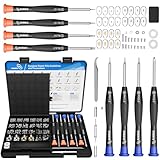
![AXTH 25-in-1 Small Precision Screwdriver Set, Professional Magnetic Mini Repair Tool Kit for Phone, Computer, Watch, Laptop, Macbook, Ring Doorbell, Eyeglass, Electronic, [Bearing Steel] Screw Driver](https://m.media-amazon.com/images/I/518YlLmPTcL._SL160_.jpg)
