
There I was, about to head out for a much-needed hike, and BAM! One of the tiny screws holding my favorite shades together decided to bail. Gone. Vanished into thin air, probably to join all the other lost socks and single earrings in the great abyss. It’s infuriating, right? You’re staring at your otherwise perfectly good sunglasses, rendered useless by a microscopic piece of metal. So, you’re probably wondering, ‘how do I replace a lost screw in my sunglasses?’ Don’t sweat it; it’s not as daunting as it sounds, and you can probably fix it without dropping another fifty bucks on a new pair.
Look, I’ve been there more times than I care to admit. Whether it’s a cheap pair from the drugstore or a slightly pricier pair that you actually like, losing a screw is a universal annoyance. The good news is that a little know-how and the right tiny bits can save your eyewear.
The Tiny Screw Conspiracy: Why They Go Missing and What’s Actually Holding Your Shades Together
It’s like there’s a tiny portal to another dimension somewhere behind your ear that just sucks up these microscopic screws. Seriously, how do they just disappear? Usually, it’s the screws on the hinge mechanism. These little guys are under constant stress from you opening and closing your sunglasses a million times a day. Add in some sweat, maybe a bit of grime, and vibrations from, say, jogging or just generally living life, and those screws start to loosen. Once they’re loose enough, gravity and movement do the rest.
Most sunglasses use what are called ‘micro screws.’ They’re incredibly small, often with a Phillips head or sometimes a tiny flathead. The key thing to understand is the thread.
These aren’t the beefy screws you’d use in woodworking. They’re designed for delicate plastic or thin metal frames. The thread pitch – how far apart the ridges are – is super fine.
This means you can’t just grab any old tiny screw you find in your junk drawer. It needs to be the right tiny screw. I once tried to jam a slightly too-big screw into a hinge, thinking ‘close enough.’ Big mistake. It warped the plastic, made the hinge stiff, and I ended up with a pair of sunglasses that felt like they were made of lead.
Lesson learned.
The material of the screw also matters. Most are stainless steel, which is good because it resists corrosion from sweat and moisture. Cheaper sunglasses might use brass or even plated steel, which can corrode and turn your skin green – another delightful bonus.
Your Arsenal: What You Actually Need to Get the Job Done
Forget about trying to use a regular screwdriver from your toolbox. That’s like trying to perform brain surgery with a butter knife. You need specialized tools, but here’s the kicker: you don’t need to spend a fortune. I’ve seen fancy, multi-tool kits that cost more than the sunglasses themselves. Hogwash. You need a few specific items, and you can usually snag them for under twenty bucks.
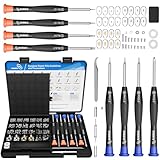
First up, a precision screwdriver set. These are key. Look for a set that specifically lists ‘eyeglass’ or ‘electronics’ repair. They’ll have a variety of tiny Phillips, flathead, and sometimes Torx bits. Make sure the case is decent because these bits are tiny and easily lost themselves. I bought a cheap set years ago that came in a flimsy plastic case, and within a week, half the bits were gone. My current set has a magnetic holder and a decent bit selection, and it’s been worth its weight in gold. (See Also: How To Fix Eyeglasses Arm Without Screw )
Next, you need the screws themselves. This is where it gets a little tricky. You can buy ‘sunglasses repair kits.’ These are usually small plastic cases filled with an assortment of micro screws, nuts, and even little nose pads. They’re a gamble. Some are fantastic, with a good range of sizes. Others are full of junk that won’t fit anything. I’ve had hit-or-miss luck with these. My advice? If you’re going to buy a kit, read the reviews. Look for kits that explicitly mention fitting Ray-Bans or other popular brands, as they often have standardized screw sizes.
Alternatively, and this is what I usually do now, you can buy individual screw assortments. Some online retailers sell small bags of specific sizes. You might have to measure the diameter and length of the remaining screw, or the hole where the screw used to be. A caliper (yes, a tiny measuring tool) can be super helpful here, but honestly, you can often eyeball it or just buy a small assortment pack that covers a few common sizes.
Here’s a quick rundown of what to aim for:
| Tool/Part | What to Look For | My Verdict |
|---|---|---|
| Precision Screwdriver Set | Phillips & Flathead bits (sizes 1.0mm – 2.5mm), magnetic tip | Key. Don’t skimp here. A cheap one will strip the screw head. |
| Assorted Micro Screws | Stainless steel, various lengths (3mm-7mm), fine thread pitch | Good to have. Buying a kit is easier, but individual packs offer more control. |
| Tweezers | Fine-tipped, non-magnetic | Highly Recommended. For handling tiny screws. |
| Magnifying Glass / Headband Magnifier | Any magnification helps | Optional but helpful. Especially if your eyesight isn’t what it used to be. |
The Actual Fix: Step-by-Step to Sunglass Salvation
Alright, you’ve got your tools, you’ve (hopefully) got your screws. Now, let’s get these bad boys back in action. This is where the real work, or at least the fiddly work, begins. Remember, patience is your friend here. Rushing this is how you end up stripping the screw head or, worse, cracking your frame.
First, clean the area. Get rid of any gunk or debris around the screw hole. A cotton swab dipped in a bit of isopropyl alcohol works wonders. You want a clean surface to work with.
Next, if you have a matching screw from the same pair, great! If not, you’ll have to select one from your assortment. The goal is to find a screw that’s the same diameter and thread pitch as the original. It should screw in smoothly without forcing it. If it feels tight or requires significant pressure, it’s the wrong screw. Back it out and try another size. You’re looking for a screw that can be turned with gentle pressure using your precision screwdriver.
Here’s the numbered process I usually follow:
- Align the hinge: Make sure the two parts of the hinge are lined up perfectly. If they’re off, the screw won’t go in straight, and you’ll have a bad time.
- Insert the screw: Carefully place the screw into the hole. If you’re using tweezers, this is where they shine.
- Start threading: Use your precision screwdriver to gently start turning the screw. Turn it counter-clockwise first a tiny bit to feel the threads engage. You’ll feel a little ‘click’ or resistance when the threads catch.
- Tighten carefully: Once the threads are engaged, turn the screw clockwise. Don’t overtighten! You’re not trying to torque down a lug nut on a car. Just tighten it until it feels snug and the hinge is secure. If you feel excessive resistance or hear any creaking sounds from the frame, stop immediately.
- Test the hinge: Gently open and close the arm of your sunglasses. It should move smoothly without being too loose or too stiff. If it’s too stiff, you’ve likely overtightened. Back it out a tiny bit. If it’s too loose, tighten it slightly more.
If you’re dealing with a screw that goes all the way through the frame and has a tiny nut on the other side (less common on sunglasses, but it happens), the process is similar, but you’ll need a tiny wrench or pliers to hold the nut while you turn the screw. This is where things get REALLY fiddly, and sometimes, you just have to accept defeat and go to a professional, or buy a new pair if you’ve fought this battle and lost.
Common Mistakes: What Not to Do When Fixing Your Specs
Look, I’m not saying I’ve made all these mistakes, but let’s just say I’ve witnessed them. And some of them might have involved my own eyewear. The biggest pitfall is using the wrong tools or parts. I already mentioned the butter knife screwdriver analogy, but it bears repeating. Trying to force a screw that’s too big or the wrong thread pitch is a recipe for disaster. You’ll strip the head, making it impossible to remove later, or worse, crack the plastic frame. I’ve seen people try to use super glue to hold loose screws in place. That’s a terrible idea. It’s messy, it looks awful, and it makes any future repair impossible. Plus, it rarely holds for long. (See Also: How Measure Metric Computer Screws )
Another mistake is overtightening. These frames are often made of lightweight plastic or thin metal.
They can’t handle a lot of torque. You’ll strip the threads inside the frame or the screw head itself.
The hinge will become stiff, and you might even snap off a piece of the frame. Forcing a screw that’s not going in straight is also a big no-no. It’s much better to back it out, re-align the hinge, and try again. Sometimes, the screw hole itself can get a little stripped out.
If that happens, you might need a slightly thicker screw, or in extreme cases, a tiny dab of thread-locker (the removable kind, not the permanent stuff) or even a dab of epoxy, but that’s a last resort and very tricky to get right without making a mess.
People also often forget about the thread locker. Many higher-end sunglasses use a tiny amount of blue thread locker on their screws to prevent them from vibrating loose. If you’re trying to replace a screw, and the old one just spins endlessly without coming out, it might be because of thread locker. You’ll need a bit more force, but still, don’t go crazy. If you’re having trouble, a tiny bit of heat from a hairdryer can sometimes soften thread locker, but be VERY careful not to melt your frames.
Finally, don’t lose the other screw! It sounds obvious, but when you’re focused on the one that’s missing, the one that’s still there might be next on its journey to the great abyss. Keep an eye on it, and maybe even give it a tiny tighten while you’re at it.
When to Call in the Pros (or Just Buy New Ones)
So, you’ve tried the precision screwdrivers, you’ve wrangled with the tiny screws, and you’re still stuck. Maybe the screw head is stripped beyond repair. Maybe the threads in the frame are completely gone. Or perhaps, you’ve looked at the complexity of your particular pair of sunglasses and decided your sanity is worth more than another ten minutes of fiddling. It’s okay to admit defeat.
There are optical shops that do repairs. They often have specialized tools and a practiced hand for this sort of thing. The cost can vary, but it’s usually a reasonable fee, often less than buying a new pair, especially if your sunglasses were on the pricier side. I took a pair of old designer frames in once that had a bent arm, and they straightened it out and replaced a lost screw for about $15. It was totally worth it.
However, if your sunglasses are cheap, like those ones you grabbed for five bucks at the beach, it might genuinely be more cost-effective to just buy a new pair. Trying to fix something that’s already low-value can feel like putting lipstick on a pig. If the frame material is thin and brittle, or if multiple screws have gone missing, it might be a sign of poor manufacturing, and the next screw might be gone next week anyway. (See Also: How To Adjust Eyeglass Screw )
Also, consider the sentimental value. If these are the sunglasses your grandma gave you, or the ones you wore on that epic road trip, then yes, fight for them! Spend the extra cash at the optician. But if they’re just a temporary fix until you can afford something better, maybe it’s time to let them go and start the search for a worthy successor.
Frequently Asked Questions About Replacing Sunglass Screws
Where Can I Buy Replacement Screws for Sunglasses?
You can find replacement screws for sunglasses at most pharmacies in their eyewear accessories aisle, at large online retailers like Amazon or eBay, or at specialty craft and hobby stores. Look for ‘precision screwdriver sets’ or ‘eyeglass repair kits.’ These kits often contain a variety of micro screws, making it easier to find a match.
Can I Use a Screw From Another Piece of Electronics?
It’s risky. While some electronics screws might be small enough, they often have different thread pitches or head types that won’t fit properly in your sunglasses. Using the wrong screw can damage the frame or the hinge mechanism. It’s best to use screws specifically designed for eyewear or from a reputable repair kit.
My Screw Head Is Stripped, What Can I Do?
A stripped screw head is a common problem. You can try using a small rubber band between the screwdriver and the screw head to get better grip. If that doesn’t work, you might need a screw extractor kit designed for very small screws, or you may need to carefully drill out the old screw. At this point, taking them to an optician is often the easiest solution.
How Do I Prevent Losing Screws in My Sunglasses in the Future?
Regularly check the screws on your sunglasses, especially if you wear them often or engage in physical activities. A tiny dab of blue thread locker (the removable kind) on the screw threads can help prevent them from loosening due to vibration. Store your sunglasses in a protective case when not in use to avoid accidental damage and loosening of parts.
Final Thoughts
So there you have it. Replacing a lost screw in your sunglasses is totally doable, and usually, you can get away with it for just a few bucks. It’s a small win that saves you money and keeps your favorite shades functional. Don’t let a tiny piece of metal dictate the fate of your eyewear.
My biggest takeaway, after years of dealing with these tiny troublemakers, is to invest in a decent precision screwdriver set. It makes all the difference. And if you’re really struggling, or if the damage is more than just a lost screw, don’t be afraid to hit up your local optician. They’ve seen it all, and they can probably fix it faster than you can say ‘where did that screw go?’
Next time a screw goes missing from your sunglasses, you’ll know exactly how do I replace a lost screw in my sunglasses. Now go forth and conquer those tiny threads!
![AXTH 25-in-1 Small Precision Screwdriver Set, Professional Magnetic Mini Repair Tool Kit for Phone, Computer, Watch, Laptop, Macbook, Ring Doorbell, Eyeglass, Electronic, [Bearing Steel] Screw Driver](https://m.media-amazon.com/images/I/518YlLmPTcL._SL160_.jpg)
