
I remember the first time I tried to swap out my iPhone X battery. I’d watched a bunch of YouTube videos, felt confident, and then BAM! These tiny, star-shaped screws stared back at me, mocking my cheap precision screwdriver set. My confidence evaporated faster than a puddle on a hot Texas day. I’d heard about pentalobe screws, sure, but I didn’t realize just how many would be involved in a simple repair. It turns out, knowing how many pentalobe screws does the iPhone X have is step one before you even think about cracking it open.
This isn’t some obscure bit of trivia; it’s a practical detail that can save you a ton of frustration and a wasted trip to the electronics store. Let’s get down to brass tacks about what you’re up against with that little device.
The Bottom Line on Those Pesky Pentalobes
Alright, let’s cut to the chase. If you’re wondering how many pentalobe screws does the iPhone X have, the answer is deceptively simple: there are two pentalobe screws. They’re located on the bottom edge of the phone, flanking the charging port. These are the very first screws you’ll encounter when you start trying to pry the display assembly away from the main body. Think of them as Apple’s little way of saying, “Hold up, are you sure you want to be in here?”
These aren’t your standard Phillips or Torx screws. They have a unique five-pointed star-shaped head. This isn’t just for show; it’s a proprietary design meant to deter unauthorized repairs and encourage users to go through Apple or their authorized service providers. For a long time, Apple was pretty tight-lipped about who could get these specialized tools and parts. It felt like they were building a fortress around their devices.
The whole pentalobe system started with the iPhone 4, and it’s been a consistent feature on subsequent models. While the number of other screw types inside the phone might vary from model to model, the pentalobe screws on the exterior bottom edge have remained a constant. So, when you’re looking at an iPhone X, remember that the initial barrier to entry is just those two little guys. The real complexity comes after you’ve dealt with them and moved on to the internal screws, which are a whole other ballgame of tiny, often color-coded, fasteners.
Why Apple Uses Pentalobe Screws (and Why It’s Annoying)
This is where my opinionated side kicks in. Apple’s use of pentalobe screws is, frankly, a pain in the rear for anyone who likes to tinker or save a buck by doing their own repairs. The company claims it’s for security and to make sure the integrity of their devices. They want to make sure that when someone opens an iPhone, it’s done with the right tools and by someone who knows what they’re doing, thus preventing damage and maintaining water resistance (on models where that’s a feature). It’s a nice thought, I guess, if you believe every company’s marketing spiel.
My experience? It’s mostly about control and profit. By making it difficult for the average person to get inside, they push you towards their expensive repair services or buying a new device. I’ve seen folks try to force standard screwdrivers into pentalobe slots, utterly mangling the screw head and making it impossible to remove later. I once spent nearly an hour trying to extract a stripped pentalobe screw from an old iPhone 6S for a friend; it was a nightmare. I ended up having to carefully drill out the center of the screw, which is a last-ditch, high-risk maneuver.
The common advice you’ll see online is to just buy a pentalobe screwdriver. And yeah, that’s necessary. But it’s not just about having the screwdriver; it’s about having a good quality one. Cheap sets often have bits that are slightly off-spec, leading to stripping. The bit needs to fit snugly and have enough grip to turn the screw without rounding it off. So, while the official reason might be about user protection, the practical effect is that it adds a hurdle and potentially an extra cost to any DIY repair. It’s a deliberate design choice to make things inconvenient for you, the end-user. (See Also: How To Fix Eyeglasses Arm Without Screw )
There’s also the aspect of the other internal screws. Once you’re past the pentalobes, you’ll encounter Phillips and potentially Y-type (Tri-point) screws, and you need a whole arsenal of tiny screwdrivers. The iPhone X, like many of its brethren, uses different lengths and types of screws internally, and putting them back in the wrong place can cause serious damage. This is another reason why the pentalobe screw is just the first obstacle in what can quickly become a much more complicated repair.
| Screw Type | Location | Opinion/Verdict |
|---|---|---|
| Pentalobe P2 | Bottom edge (2 screws) | The gatekeepers. Necessary to start disassembly, but easily stripped if using a poor-quality tool. Makes you feel like you’re doing something official. |
| Phillips #000 | Internal, various | The workhorse. Plenty of these, and you MUST keep track of where each one goes. Mixing them up is a recipe for disaster. |
| Tri-point Y000 | Internal, some models | Less common but present. Another proprietary head to keep you on your toes. If your kit doesn’t have it, you’re stuck. |
What You Actually Need to Open an iPhone X
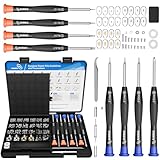
So, you’ve decided you’re going to tackle this yourself, despite Apple’s best efforts. Fantastic. Before you even look at your iPhone X, you need the right tools. This isn’t a place to skimp. You’ll need a proper repair kit, and it needs to include, at a minimum:
- Pentalobe P2 Screwdriver: This is a must for getting past those initial two screws. Make sure it’s a good one. I’ve found that brands like iFixit offer reliable, well-machined bits. Don’t grab the cheapest thing you see on a marketplace; it’s a false economy.
- Phillips #000 Screwdriver: This is for most of the internal screws. You’ll find a good number of these holding down brackets, connectors, and other components.
- Tri-point Y000 Screwdriver: Some iPhones, including the X, use these tiny tri-point screws for certain internal components. If your kit lacks this, you might be out of luck for specific steps.
- Suction Cup: You’ll need this to gently lift the display assembly away from the chassis after the screws are out and the adhesive is loosened.
- Spudger and Plastic Opening Tools: These are key for prying open the phone, disconnecting delicate ribbon cables, and scraping away old adhesive. A thin plastic card or guitar pick can also work in a pinch for separating the display.
- Heat Gun or iOpener: The iPhone X has strong adhesive holding the display in place. Applying a little heat around the edges makes it much easier and safer to pry open without damaging the screen or frame. Be careful not to overheat it, though.
- Replacement Adhesive Strips: If you want to maintain any semblance of water resistance (and honestly, don’t expect miracles after opening), you’ll need new adhesive strips to seal the phone back up.
I’ve learned the hard way that trying to improvise with tools often leads to more expense and frustration. I once tried to use a tiny flathead screwdriver to pry open a phone because I didn’t have a proper spudger. I ended up scratching the aluminum frame pretty badly. It wasn’t a dealbreaker for function, but it looked terrible, and I felt like an idiot for not just buying the right tool for $5.
When you’re looking at how many pentalobe screws does the iPhone X have, remember that’s just the beginning. The real challenge is having the right kit to handle all the different types and sizes of fasteners Apple uses inside. It’s a meticulous process, and having the right gear makes a world of difference.
The Internal Screw Nightmare: A Different Beast Entirely
Once you’ve successfully navigated the two pentalobe screws on the bottom, you might feel a surge of accomplishment. Don’t get too comfortable. The real internal screw situation on an iPhone X is where things can get dicey. It’s not just about how many screws there are, but about their variety, length, and placement.
Apple is notorious for using different lengths of screws for different components. This is a deliberate design choice. If you’re not careful and use a longer screw in a shallower hole, you can puncture the logic board, short-circuit components, or damage the display. It’s a terrifying prospect. I’ve heard horror stories from friends who’ve done exactly this, turning a simple battery swap into an expensive paperweight. One buddy’s iPhone X started showing dead pixels after he reassembled it; turns out, a slightly too-long screw was pressing on the display connector internally.
The internal screws on an iPhone X are typically a mix of Phillips #000 and Tri-point Y000. You’ll find them holding down metal brackets that cover connectors for the battery, display, cameras, and other vital parts. Each bracket usually has its own specific set of screws. Some kits will even color-code their magnetic screw mats to help you keep track, which is a godsend. Without one, you’re left with a pile of screws and a prayer. (See Also: How Measure Metric Computer Screws )
This is why understanding the full scope of screws is important, not just the pentalobes. While the question of how many pentalobe screws does the iPhone X have is important for the initial opening, the internal screw management is where most people trip up. You need to: 1. Know what type of screw you’re removing. 2. Note exactly where it came from. 3. Make sure you put the exact same screw back in the exact same hole. This sounds obvious, but when you’re dealing with dozens of tiny screws, it’s easy to get them mixed up, especially if you’re working under pressure or in a hurry.
The common advice is to lay out your screws on a magnetic mat or a piece of paper with a diagram. I find a magnetic mat is best because the tiny screws won’t roll away. Some people even use clear tape to hold them down in their original positions. Whatever method you choose, be meticulous. It’s the difference between a successful repair and a very expensive mistake. Those two pentalobes are just the handshake; the real handshake comes with the internal gymnastics.
Pentalobe Screws: Friend or Foe to the Diyer?
Let’s talk about the real user experience with these pentalobe screws. Are they a necessary evil, a clever security feature, or just an infuriating hurdle? From my perspective, they lean heavily towards the latter two. For the average person who just wants to swap a battery or replace a cracked screen, they add an unnecessary layer of complexity and potential for error.
I’ve been doing tech repairs for years, and I’ve seen the evolution. When Apple first introduced them, it felt like a significant barrier. Now, with readily available repair kits, it’s less of a barrier and more of an annoyance. However, the quality of those kits varies wildly. I bought a cheap set online once, and the Pentalobe P2 bit was slightly too soft. It started to deform after the second screw, and I had to stop the repair and order a better quality bit. This is a classic case of “buy cheap, buy twice,” and it’s especially true for specialized tools like this.
My contrarian take? Everyone talks about how Apple wants to protect users, but honestly, it feels more about protecting their revenue stream. If it were truly about user protection, they’d make parts and tools more accessible and affordable, and maybe even offer more solid self-repair programs without the proprietary fasteners. The fact that you have to hunt for specific tools, and that the official Apple tools are often locked down, points to a business strategy rather than pure altruism.
So, when you’re asking how many pentalobe screws does the iPhone X have, remember that those two are just the gateway. They represent a philosophical stance by Apple about device repairability. For a DIYer, they are a necessary first step that requires specific, good-quality tools. If you’re prepared, they’re manageable. If you’re not, they can be the beginning of a very frustrating experience. I’ve seen it happen countless times. It’s a small detail, but it’s a significant gatekeeper in the world of iPhone repair.
Faq Section
How Do I Know If I Need a Pentalobe Screwdriver?
You need a pentalobe screwdriver if you intend to open any iPhone model from the iPhone 4 onwards. Specifically for the iPhone X, the two screws on the bottom edge are pentalobe screws. Without the correct Pentalobe P2 screwdriver, you will not be able to remove these screws and begin any kind of internal repair or component replacement. (See Also: How To Adjust Eyeglass Screw )
Can I Use a Regular Screwdriver on Pentalobe Screws?
No, you absolutely cannot. Regular Phillips or flathead screwdrivers are not designed for the five-pointed star shape of pentalobe screws. Attempting to use them will almost certainly strip the screw head, making it incredibly difficult, if not impossible, to remove without damaging the phone. Always use a dedicated Pentalobe P2 screwdriver.
Where Are the Pentalobe Screws Located on an iPhone X?
On the iPhone X, the two pentalobe screws are located on the bottom edge of the device, one on either side of the charging port. They are the very first fasteners you will encounter when attempting to separate the display assembly from the main body of the phone. Their position is a standard design across many iPhone models.
Are All iPhone Pentalobe Screws the Same Size?
No, not all iPhone pentalobe screws are the same size, though the most common ones you’ll encounter are. The iPhone X uses the Pentalobe P2 size for its external screws. However, different iPhone models may use slightly different pentalobe sizes or combinations of pentalobe and other proprietary screw types. It’s important to get the specific size needed for your model, which for the iPhone X is P2.
Is It Worth Repairing an iPhone X Yourself?
Whether it’s worth repairing an iPhone X yourself depends on your comfort level with electronics, the cost of parts, and the potential risks. For simple issues like a battery replacement, and if you have the right tools and follow guides carefully, it can save you money. However, more complex repairs or if you’re prone to making mistakes, it can be more expensive and time-consuming than professional repair. Knowing how many pentalobe screws does the iPhone X have is just the first step in assessing the complexity.
Final Thoughts
So, there you have it. The iPhone X has two pentalobe screws. It’s a small number, but it represents a significant hurdle designed to make you think twice before diving in. I’ve learned through countless hours of fiddling with gadgets that knowing these little details upfront saves so much hassle. It’s not just about the count, but about the implication: you will need a specific tool, and it needs to be a good one.
Don’t let those two little screws deter you if you’re prepared. Get the right kit, find a good guide (like iFixit’s excellent step-by-step instructions), and take your time. The internal screw management is the real challenge, but understanding the initial pentalobe requirement is key. Knowing how many pentalobe screws does the iPhone X have is the first step towards a potentially successful, and budget-friendly, repair.
If you’re on the fence, weigh the cost of a repair kit against the cost of a professional service. Sometimes, the peace of mind from a professional job is worth the extra cash, especially if you’re not confident with fine electronics. But for those of us who enjoy a challenge and the satisfaction of fixing something ourselves, those two pentalobe screws are just the beginning of the adventure.
![AXTH 25-in-1 Small Precision Screwdriver Set, Professional Magnetic Mini Repair Tool Kit for Phone, Computer, Watch, Laptop, Macbook, Ring Doorbell, Eyeglass, Electronic, [Bearing Steel] Screw Driver](https://m.media-amazon.com/images/I/518YlLmPTcL._SL160_.jpg)
