
I remember the first time I tried to fix my own iPhone. Armed with a YouTube video and what I thought was a decent set of tiny screwdrivers, I felt invincible. Then, I dropped one of the screws. It vanished. Poof. Gone into the abyss of my carpet, never to be seen again. That’s when the sheer absurdity of how small are the apple screws on phone really hit me. We’re talking about fasteners so minuscule they make a grain of rice look like a boulder. It’s not just about size, though; it’s about precision, material, and the sheer frustration they can cause.
This isn’t your grandpa’s toolbox situation. These aren’t the Phillips head screws you fought with on old VCRs. These are specialized, almost microscopic components designed for incredibly thin devices. If you’ve ever wondered if you need a magnifying glass and a surgical grip to tackle a phone repair, the answer is a resounding yes. Let’s break down just how tiny these things are and what you need to know before you even think about unscrewing your precious Apple device.
Just How Tiny Are We Talking? The Real Screw Sizes
Let’s cut to the chase: how small are the apple screws on phone devices? We’re not talking about millimeters you can easily measure with a standard ruler. We’re talking about fractions of a millimeter, often in the range of 1.0mm to 1.8mm for the head diameter, and the length can vary, but we’re usually looking at lengths under 5mm. The most common ones you’ll encounter when opening an iPhone, for example, are Pentalobe screws, and those are often around 0.8mm to 1.2mm in thread diameter. The head itself might be about 1.5mm across. Compare that to a standard screw you’d find on a piece of furniture, which could be 5mm or more in diameter. It’s a vast difference.
This incredible miniaturization is a direct consequence of the design philosophy behind smartphones. They need to be slim, light, and pack an enormous amount of technology into a very confined space. Every millimeter saved counts. Apple, in particular, has been a pioneer in using highly specialized fasteners to achieve this. They’ve moved away from common screw types like Phillips or Torx in many external and easily accessible internal points, opting instead for proprietary designs like the Pentalobe. This means your average household toolkit is pretty much useless for most iPhone repairs. You need specialized bits designed for these specific screw heads.
The materials are also important. These aren’t made of cheap pot metal. They’re typically high-grade steel alloys, often coated to prevent corrosion and make sure durability, despite their size.
This is a good thing, as they need to withstand repeated tightening and loosening without stripping or breaking. However, their small size means they have less material to begin with, making them more susceptible to damage if you use the wrong tool or apply too much force. I learned this the hard way when I tried to reuse a slightly damaged Pentalobe screw on an older iPhone.
It went in crooked, and I ended up stripping the head completely. It took me another hour of fiddling with specialized extractors to get it out, and I ended up having to replace the screw anyway.
Lesson learned: never mess with a slightly damaged tiny screw.
The sheer number of these screws can also be surprising. A single iPhone model can have over a dozen different types and sizes of screws holding it together. While the external Pentalobe screws are the most visible, the internal components are held in place by an assortment of even smaller Phillips and proprietary screws, each with a specific length and thread pitch. Mixing them up, even by half a millimeter in length, can lead to disaster. Too long a screw in the wrong spot can puncture a battery, damage a logic board, or push against the screen, causing it to crack from the inside out. It’s a delicate balancing act of engineering.
So, when you ask how small are the apple screws on phone devices, the answer isn’t just a number. It’s a testament to advanced manufacturing and a stark warning to anyone considering DIY repairs without the right gear. These aren’t just screws; they’re precision components that demand respect and specialized tools.
Why the Weird Screw Heads? Pentalobe, Tri-Point, and Beyond
You’ve probably seen them: the tiny, star-like or Y-shaped heads on the bottom of your iPhone. These aren’t random. Apple uses specific proprietary screw types, most notably the Pentalobe and, more recently, the Tri-Point (also called Y-Type) screws. Why go through the trouble? Several reasons, really. Firstly, it acts as a security measure, making it harder for casual users or unauthorized repair shops to open devices. This helps Apple maintain control over the repair process and makes sure that genuine parts are used, theoretically leading to better quality repairs. It’s a business decision, plain and simple, but it has a significant impact on anyone wanting to fix their own device.
The Pentalobe screw, with its five-pointed star shape, was one of the first major departures from standard screw types in consumer electronics for Apple. You’ll typically find these on the bottom edge of iPhones, holding the display assembly to the main body. The Pentalobe bit needed to unscrew these is usually a P2 size, meaning a 2mm diameter tip with 5 lobes. It looks like a tiny Torx bit but with five points instead of six.
These screws are also notoriously shallow-threaded, meaning you can’t just jam any old tiny screwdriver in there and expect it to grip. The fit has to be perfect, or you’ll strip the head in seconds. I’ve had cheap Pentalobe bits that felt loose, and on more than one occasion, they just chewed up the screw head, turning a simple task into a nightmare. Investing in a good quality, precisely manufactured bit is a must. (See Also: How To Fix Eyeglasses Arm Without Screw )
Then came the Tri-Point screws. These look like a tiny ‘Y’ or a three-pointed star. You’ll find these on newer iPhones, often holding down internal components like brackets for the display, battery, or logic board. The Tri-Point bit is usually 0.6mm. The reason for this shift is likely a combination of further security and improved torque management. The three-point design can offer a better grip than the Pentalobe when used with the correct driver, and it’s even less common, making it harder for generic repair kits to include the right tools. It’s a constant game of one-upmanship in the miniaturization and proprietary hardware game.
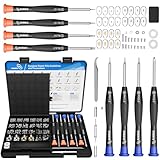
This move towards specialized screws isn’t unique to Apple, but they’ve been a prominent driver. Many tech companies are now using similar proprietary fasteners to protect their designs and control the repair ecosystem. For the consumer, this means that if you want to do your own repairs – and I often advocate for it, especially for older devices where warranty is long gone – you absolutely must invest in a good quality, complete electronics repair kit. This kit should include not just the Pentalobe and Tri-Point bits, but also various sizes of Phillips (like 000, 00, 0), Torx (like T3, T4, T5), and sometimes even specialized Spanner bits. The cost of a decent kit is usually less than what a single repair shop visit would cost, and it pays for itself quickly if you ever need to do more than one fix.
The common advice you’ll hear is to just buy a cheap kit online. I disagree. I’ve bought those cheap kits, and I’ve spent more time fighting with the flimsy tools than actually repairing the device. The bits are often made of soft metal that rounds off after a few uses, and the magnetic tips are weak, leading to dropped screws. Forked over $40 for a good iFixit kit once, and it’s been worth every penny. The bits are precise, the drivers are comfortable, and the magnets are strong enough to hold those minuscule screws. It makes the whole process so much less frustrating, and that’s worth a lot when you’re dealing with how small are the apple screws on phone.
The Tool Kit: What You Actually Need (and What You Don’t)
So, we’ve established that these screws are tiny and often proprietary. This directly translates to needing specific tools. Forget about that clunky multi-tool you carry for camping. For Apple devices, you need precision. Here’s the breakdown of what you actually need to have on hand, and a few things you can probably skip:
| Screw Type | Common Apple Device(s) | Required Bit Type & Size | My Verdict |
|---|---|---|---|
| Pentalobe | iPhone (external, bottom edge) | P2 (5-Lobe, ~1.5mm head) | Must-have. The most common external screw. Get a good quality one. |
| Tri-Point (Y-Type) | iPhone 7 and later (internal brackets) | Y000 (0.6mm tip) | Key for newer iPhones. Don’t skip this if your device has them. |
| Phillips | Various internal components (all iPhones) | PH000, PH00, PH0 (micro sizes) | Absolutely necessary. Even Apple uses these internally. Quality matters here too. |
| Torx | Some older iPads, MacBooks (less common on phones) | T3, T4, T5 | Good to have, but rarely needed for phones. Primarily for other Apple devices. |
| Standoff Screws | Internal logic board mounts | Very small Phillips or custom head | Handle with extreme care. Often included in repair kits. |
What you DON’T need? Overly large screwdrivers that will strip anything they touch. Magnifying glasses that are too weak to actually see what you’re doing. Cheap, generic kits where the bits feel like they’re made of butter. A lot of online guides will show you a basic Phillips head screwdriver and say ‘that’s it!’ That’s like saying you can build a house with just a hammer. It’s misleading and potentially damaging.
The key here is precision and quality. A good repair kit will usually come with a driver handle and a variety of swappable bits. Look for kits that have hardened steel bits. They resist wear and tear much better than softer metals. Magnetic tips are a godsend for handling those incredibly small screws, preventing them from vanishing into the ether. Some kits even include specialized tools like spudgers (plastic prying tools), tweezers, and suction cups, which are invaluable for safely disassembling the phone without damaging the casing or screen.
When I first started tinkering, I bought a $10 kit from a discount store. The Phillips bits were so soft they rounded off after the first screw. The Pentalobe bit was slightly too loose, and I ended up scratching the screw head. It was a frustrating experience that almost made me give up on DIY repairs.
Investing in a reputable brand like iFixit or a similar specialist repair tool company made a world of difference. The bits were perfectly machined, they fit snugly, and they lasted through multiple repairs. It’s an upfront cost, sure, but the time, frustration, and potential for damage saved are well worth it.
Don’t skimp on your tools when dealing with how small are the apple screws on phone; it’s the most important first step.
The Art of Not Losing Them: Practical Tips for Handling Tiny Screws
Okay, you’ve got the right tools, and you’re ready to face the microscopic world of iPhone screws. The next biggest challenge, arguably even greater than getting the right bit, is not losing them. Seriously, these things have a magnetic attraction to the floor, the carpet, and the darkest corners of your workspace. I’ve lost more screws to the void than I care to admit. Here are a few strategies that have saved my sanity (and my projects):
- The Magnetic Mat: This is probably the single most important tool for screw management. A magnetic project mat, or even a piece of sheet metal covered with a thin cloth, will keep your screws from rolling away. Some mats even have pre-drawn grids or sections to help you organize screws by type and location.
- Screw Storage Containers: If you’re doing a more complex repair, you’ll encounter a dozen or more different types of screws. Using a small compartmentalized container (like a fishing tackle box or a dedicated electronics screw organizer) is key. Label each compartment with the type of screw or the part of the phone it came from.
- Drawing a Diagram: This is old-school but incredibly effective. Get a piece of paper and draw a rough outline of your phone. As you remove each screw, place it on the corresponding spot on your drawing. This way, you know exactly where each screw goes back. For example, the two Pentalobe screws go on the bottom edge. The slightly longer Phillips screws might hold a bracket near the charging port, while the shorter ones hold down the display cable shield.
- Double-Checking:** Before you close up the phone, do a visual sweep of your workspace. Look under the edges of your mat, check your pockets, and even peer into the device itself to make sure no stray screws are left behind. A forgotten screw can cause short circuits or damage internal components.
- The ‘One Screw At a Time’ Method:** For very simple repairs or when you’re just starting out, try working on one screw at a time. Remove a screw, put it in its designated spot on your mat or diagram, perform the step, and then immediately replace that screw. This minimizes the window of opportunity for it to get lost.
I used to just dump all the screws into a little pile. Big mistake. Huge. On one particular MacBook repair, I ended up with about five different lengths of Phillips screws. Trying to figure out which went where after a 2-hour repair was like doing a jigsaw puzzle blindfolded. That’s when I started using a magnetic mat and a labeled container. It added maybe 5 minutes to the disassembly process but saved me hours of potential headaches during reassembly. It sounds tedious, but when you’re dealing with how small are the apple screws on phone, a little organization goes a long, long way. It’s the difference between a successful repair and a very expensive paperweight.
People Also Ask: How Do I Keep Small Screws From Getting Lost?
The best way to keep small screws from getting lost is to use a magnetic project mat or a piece of metal where the screws will stick. Additionally, a compartmentalized container, with each section clearly labeled for the specific screw type and its location on the device, is invaluable. Drawing a diagram of the device and placing the screws on the corresponding spots on the paper as you remove them is another highly effective method for tracking their origin. Always do a final visual sweep of your workspace and the device itself before reassembly to make sure no stray screws remain. (See Also: How Measure Metric Computer Screws )
Common Mistakes and What to Avoid
When you’re staring down the barrel of a phone repair, especially with how small are the apple screws on phone, it’s easy to make mistakes. Most of them boil down to impatience, using the wrong tools, or simply not understanding the delicate nature of the components. Here are the biggest blunders I’ve seen (and committed myself) that you should actively try to avoid:
Using the Wrong Screwdriver Bit
This is the cardinal sin. Trying to force a Phillips head into a Pentalobe screw, or using a bit that’s slightly too large or too small for a Phillips screw, is a surefire way to strip the head. Once stripped, that screw is incredibly difficult to remove, often requiring specialized extractors or even destructive methods. The temptation is high to just “make it fit,” but resist it. Always use the exact bit specified for the screw type and size. A cheap, ill-fitting bit is worse than no bit at all.
Mixing Up Screw Lengths
This is where many DIYers run into trouble. iPhones, and many other devices, use screws of slightly different lengths to secure different components. A screw that is just 0.5mm too long, if driven into the wrong hole, can pierce internal components like the battery, display, or even the logic board. I’ve seen people crack screens from the inside out because they used the wrong screws during reassembly. Always keep your screws organized, and refer to your diagram or labels. If a screw doesn’t thread in easily, stop and check if you’re using the correct one.
Applying Too Much Force
These screws and their housings are made of relatively soft materials. Over-tightening can strip the threads in the metal or plastic, making the screw useless. Conversely, not tightening enough can lead to loose components, which can cause connectivity issues or damage over time. The goal is a snug fit, not a death grip. You should feel resistance, but not an overwhelming struggle. If you’re using significant force, something is likely wrong.
Forgetting to Disconnect the Battery First
This is a safety issue as much as a repair issue. Before you start unscrewing anything that holds down internal components, especially those connected to the logic board, you MUST disconnect the battery. This prevents accidental short circuits that could fry your logic board or, in a worst-case scenario, cause the battery to overheat or catch fire. It’s a simple step that’s often overlooked by beginners.
Prying with Metal Tools
While you need precision for screws, you need caution for opening the device. Using metal tools like knives or screwdrivers to pry open the phone casing or screen will almost certainly result in scratches, dents, or even cracked glass. Always use plastic spudgers, opening picks, or suction cups. These are designed to get into the small gaps without causing cosmetic or structural damage.
Not Testing Before Closing
After you’ve reassembled everything, resist the urge to screw the final casing shut immediately. Power on the device and test all its functions: touch screen, cameras, speakers, charging, Wi-Fi, etc. If something isn’t working, it’s much easier to open it up again and troubleshoot before you’ve permanently sealed it. I once put a phone back together, only to realize the display cable was slightly misaligned, causing a flickering issue. Opening it again was a pain, but much better than if I’d already screwed it shut.
Avoiding these common mistakes will significantly increase your chances of a successful repair, whether you’re dealing with how small are the apple screws on phone or any other electronic device. Patience and preparation are your best friends.
The Verdict: Are They Worth the Hassle?
So, after all this talk about microscopic fasteners, proprietary heads, and the potential for disaster, the big question remains: is it worth it to even bother with these tiny screws and the repairs they entail? For me, the answer is a resounding yes, but with caveats. The fact is, Apple’s devices are built to last, and their internal components are generally quite solid. When something goes wrong – a cracked screen, a dying battery, a faulty charging port – replacing it is often far cheaper and more environmentally responsible than buying a brand new device. The challenge, of course, lies in the repair process itself, heavily dictated by how small are the apple screws on phone and the tools required.
The primary hurdle is the specialized tooling. You cannot, I repeat, cannot effectively repair an iPhone or other modern Apple device without the correct bits.
Those cheap, generic kits you see online for under $10 are often more trouble than they’re worth. They can strip screws, damage the device, and lead to immense frustration. Investing in a quality repair kit from a reputable brand is not optional; it’s a prerequisite. I learned this the hard way.
I spent $30 on a flimsy kit that made replacing a battery take three times as long and left me with a slightly stripped Pentalobe screw. The next kit I bought cost $70, but it was a night-and-day difference. (See Also: How To Adjust Eyeglass Screw )
The bits were precise, the driver felt good in my hand, and the magnetic tip saved me from losing screws countless times. That $70 kit has since paid for itself multiple times over.
Beyond the tools, there’s the matter of precision. These devices are packed incredibly tightly. Every component, every wire, and yes, every screw, has its designated place. A screw that’s 0.5mm too long can puncture a battery.
A cable that’s bent at a sharp angle can fray. It requires patience and a steady hand.
If you’re someone who gets easily frustrated or rushes through tasks, a DIY phone repair might not be for you. In those cases, paying for a professional repair, whether from Apple or a reputable third-party shop, is the safer route. However, for those who enjoy a challenge, have the patience, and are willing to invest in the right tools, it can be incredibly rewarding. You save money, learn a valuable skill, and reduce e-waste.
The common advice is often to just send it in or go to a shop. I get why people say that.
It’s the path of least resistance. But I disagree when it comes to older devices or when the repair cost is close to the device’s value. The ecosystem around DIY repair for Apple products has become so good, with detailed guides and readily available parts, that it’s more accessible than ever. The initial investment in tools is the biggest barrier, but it’s an investment that keeps on giving.
So, are they worth the hassle? If you’re prepared, have the right gear, and possess a bit of patience, then absolutely. The satisfaction of fixing your own device, armed with the knowledge of how small are the apple screws on phone, is pretty darn good.
What Is the Smallest Screw Size on an iPhone?
The smallest screws you’ll typically encounter on an iPhone are the Pentalobe screws used on the exterior, which have a head diameter of about 1.5mm and a thread diameter around 0.8mm. Internally, Apple uses various micro-Phillips screws, some with heads as small as 1mm, and Tri-Point screws with a tiny 0.6mm tip. These dimensions highlight the extreme miniaturization within these devices.
Can I Use a Regular Screwdriver on Apple Screws?
No, you absolutely cannot use a regular household screwdriver on Apple screws. Apple uses proprietary head types like Pentalobe and Tri-Point, as well as specialized micro-Phillips sizes. Using the wrong screwdriver will strip the screw head, making removal extremely difficult and potentially damaging the device. You need specific repair bits designed for each type of Apple screw.
How Do I Avoid Damaging My Phone When Removing Screws?
To avoid damaging your phone when removing screws, always use the correct, high-quality precision screwdriver bit for each specific screw type. Make sure the bit fits snugly and do not apply excessive force. Work in a well-lit area, use a magnetic mat to prevent losing screws, and carefully follow a reputable repair guide. Remember to disconnect the battery first for safety before touching internal components.
Are Pentalobe Screws Only on Iphones?
Pentalobe screws are most famously associated with iPhones, particularly on the exterior bottom edge of most models. However, Apple has also used Pentalobe screws on other devices, such as some MacBook Air and MacBook Pro models, though the specific size and driver required might differ. The core principle of a five-lobed, proprietary head remains consistent.
Conclusion
So, there you have it. The world of Apple phone screws is a tiny, intricate one, demanding respect and the right gear. We’ve talked about how small are the apple screws on phone, the specialized heads they use, and the absolute necessity of investing in a good set of tools. It’s not a task for the faint of heart or the ill-equipped. Dropped screws, stripped heads, and internal damage are real possibilities if you go in unprepared.
My advice? If you’re serious about attempting any kind of DIY repair on your Apple devices, do yourself a favor and buy a quality repair kit from a reputable source. It will save you so much grief, and frankly, it’s cheaper than a botched repair. Treat those little fasteners like the precision components they are, keep them organized, and take your time.
Ultimately, whether the hassle is worth it depends on your patience and your wallet. But for many, the reward of a successful repair, the money saved, and the knowledge gained make it a worthwhile endeavor. Just remember the golden rule: the right tool for the job, especially when that job involves screws smaller than a grain of rice.
![AXTH 25-in-1 Small Precision Screwdriver Set, Professional Magnetic Mini Repair Tool Kit for Phone, Computer, Watch, Laptop, Macbook, Ring Doorbell, Eyeglass, Electronic, [Bearing Steel] Screw Driver](https://m.media-amazon.com/images/I/518YlLmPTcL._SL160_.jpg)
