
I remember the first time I tried to tweak my alto sax. I’d just gotten it back from a repair shop, and something felt… off. The usual bright punch just wasn’t there. It sounded muffled, like I was playing through a pillow. I messed with the octave key, the palm keys, everything I could think of. Then I remembered the neck screw. This tiny little thing, and I’d never even touched it before. Turns out, it’s one of the simplest, yet most effective, adjustments you can make to your saxophone’s tone.
Learning how to adjust saxophone neck screw is less about rocket science and more about listening. It’s about coaxing the best possible sound out of your instrument without needing to buy a whole new mouthpiece or a fancier horn. Most players don’t think about it, but it’s right there, begging for a little attention.
Why That Tiny Screw Matters More Than You Think
Okay, so you’ve got this little screw at the base of your saxophone neck, right where it meets the body. It’s easy to overlook, especially when you’re focused on fingerings, embouchure, and breathing. But this isn’t just some random bolt; it’s a key component in how your saxophone produces sound. When you tighten or loosen the neck screw, you’re subtly changing the seal between the neck cork and the mouthpiece, and also how the neck itself vibrates against the body. This might sound minor, but even a tiny shift can dramatically alter your instrument’s intonation and tonal character.
Think of it like tuning a guitar. You don’t just strum; you’re constantly making micro-adjustments to get everything in harmony. The neck screw on a sax is similar. A slightly tighter seal can sometimes lead to a brighter, more focused tone, while a looser connection might offer a warmer, more mellow sound. It’s not a magic bullet that will turn a beginner into a virtuoso overnight, but it’s a powerful tool for fine-tuning the instrument you already have. I’ve spent hours trying to diagnose a ‘bad’ tone, only to realize a quarter-turn of that screw was all it needed. It’s frustrating when you realize how much time you wasted on the wrong things.
The common advice is often to just get a new mouthpiece or reed if your tone isn’t right. And sure, those things are important. But I’ve seen players spend hundreds of dollars on fancy mouthpieces only to have their horn still sound dull because the neck setup was off.
It’s like buying a sports car and never changing the tire pressure. This adjustment affects the fundamental resonance of the horn. When the neck is properly seated and the screw is set just right, the entire instrument feels more alive. It’s a feedback loop: a better-sounding horn makes you want to play more, which makes you better.
The material of the neck and body also play a role, but the neck screw is your immediate control.
I once borrowed a friend’s tenor sax for a gig because mine was in the shop. It was a beautiful horn, but it felt sluggish and unresponsive. The sound was there, but it was muddy. I was so stressed, thinking I wouldn’t be able to play well. I fiddled with everything – reed placement, embouchure – nada. Then, almost as an afterthought, I gave the neck screw a little turn. Boom. The horn just opened up. The low notes had more power, the altissimo was cleaner. It was a $500 mouthpiece upgrade I didn’t have to buy, all from a 10-second adjustment.
What to Look for: Signs Your Screw Needs Attention
So, how do you know if your saxophone neck screw is crying out for adjustment? It’s usually a combination of subtle (and sometimes not-so-subtle) clues that your instrument isn’t quite singing its best song. The most obvious indicator is intonation. If you’re constantly battling notes being sharp or flat, especially in the middle register, the neck screw could be a major culprit. For instance, if your middle C is consistently flat, even when your embouchure and fingerings are spot-on, loosening the neck screw slightly might help raise it. Conversely, if it’s sharp, tightening it might bring it down. This isn’t always a precise science, but it’s a good place to start your investigation.
Another tell-tale sign is the overall tonal quality. Does your saxophone sound a bit lifeless, thin, or ‘stuffy’? A neck screw that’s too tight can choke the resonance, making the horn sound like it’s struggling to breathe. Conversely, if the screw is too loose, you might get a fuzzy or unstable tone, lacking definition. It’s like a speaker cabinet; if the seal isn’t right, the sound suffers. You want that connection between the neck and the body to be snug but not overly compressed. The cork needs to create a good seal with the mouthpiece, and the neck itself needs to vibrate freely with the body. A poorly seated neck can dampen vibrations. (See Also: How To Fix Eyeglasses Arm Without Screw )
Beyond intonation and tone, listen to the response of the instrument. Does it feel resistant when you’re trying to play dynamically? Does it take a lot of effort to produce a full sound, especially in the lower register? A properly adjusted neck screw can improve the saxophone’s responsiveness, making it easier to articulate notes and control dynamics. I’ve had students complain about their horn ‘not speaking’ clearly in the low register. Nine times out of ten, it’s a combination of reed, mouthpiece, and that little neck screw. It’s the overlooked detail that can open a whole new level of playability. The feel of the instrument under your fingers and in your mouth changes when everything is optimized.
Finally, consider the physical connection itself. Is the neck wobbling slightly where it meets the body? While some play in the neck is normal, excessive movement can indicate that the screw isn’t providing enough stability, or that the cork is worn out and needs replacement. A secure connection is most important. The brass on brass contact between the neck and the body should be firm. If you can easily twist the neck with moderate force when the screw is fully engaged, something is wrong, and the screw is likely involved in the problem. This loose connection can bleed air and dampen the instrument’s natural resonance.
The Right Way to Turn That Screw (and Common Mistakes)
Alright, let’s get down to business: how to actually adjust the saxophone neck screw without messing things up. The key here is patience and tiny adjustments. Seriously, we’re talking quarter-turns, maybe even less. You don’t need to crank it down like you’re assembling an engine. Start with the instrument assembled as usual. Play a few notes, or a familiar scale, and get a feel for the current sound and intonation. Then, with the mouthpiece still on, gently loosen the neck screw. A little goes a long way.
Play that same passage again. Listen for changes in tone and pitch. Is it brighter? Warmer? Sharper? Flatter? Now, try tightening it a fraction. Play again. Keep making these small adjustments, playing a consistent phrase or scale after each turn, and listening critically. You’re looking for the sweet spot where the intonation feels most stable and the tone has the clarity and richness you prefer. It’s a process of trial and error, but by making incremental changes, you’ll be able to discern the impact of each adjustment. A good rule of thumb is to avoid overtightening. It can actually damage the cork or even the neck or body if you force it. Think snug, not strained.
One of the biggest mistakes I see players make is being too aggressive with the screw. They’ll crank it all the way in or out, hoping for a dramatic change, and then get frustrated when it sounds worse or they can’t get it back to where it was. Another common error is neglecting the cork. If the cork is old, uneven, or damaged, no amount of screw adjustment will fix the underlying issue. The cork’s job is to create a perfect seal between the mouthpiece shank and the neck. If it’s not doing its job, the screw is fighting a losing battle. I’ve had to replace corks more times than I can count. It’s a simple fix, but important.
Another pitfall is only testing one note or one part of the range. You need to play across the horn to see how the adjustment affects different registers. What sounds good in the low register might make the high notes unplayable.
It’s about finding a balance that works for your overall playing. Also, don’t forget to make sure the neck is properly seated on the cork before you even start.
A crooked neck or a mouthpiece that’s not fully pushed on will throw off any adjustments you make. It’s about setting up the entire system correctly. A properly seated neck is fundamental.
The saxophone neck cork is a consumable item that will wear down over time and require replacement, affecting intonation and response. (See Also: How Measure Metric Computer Screws )
Here’s a quick table to illustrate the general effect, though remember this is highly instrument-dependent:
| Adjustment | Potential Effect on Tone | Potential Effect on Intonation | Verdict |
|---|---|---|---|
| Loosening Screw (Slightly) | Warmer, more open, possibly less focused | Can flatten notes slightly; may help raise sharp notes | Good for mellow sounds, needs careful checking for intonation |
| Tightening Screw (Slightly) | Brighter, more focused, possibly tighter | Can sharpen notes slightly; may help lower flat notes | Good for projection, but can choke tone if too tight |
| Overtightening | Stuffy, choked, dead | Unpredictable, can cause significant intonation issues | Avoid at all costs |
| Neck Loose/Wobbly | Fuzzy, inconsistent, poor projection | Highly unstable, hard to control | Immediate problem; secure the neck first |
Real-World Use: Fine-Tuning for Your Sound
Okay, so you’ve experimented with the screw. What does this actually mean for your playing? It means you have a direct line to shaping your saxophone’s voice. For jazz musicians who often favor a darker, richer tone, a slightly looser neck might be the ticket. This can give the sound a bit more spread and complexity. I’ve found on my own tenor, a touch less tension on the screw really helps it sing with that smoky, bluesy quality I like. It’s not about making it sound “bad” or “out of tune” in a conventional sense, but about leaning into a certain aesthetic. It’s about finding that character.
On the flip side, classical players, or those needing maximum projection and clarity for ensemble work, might prefer a tighter setting. This can help create a more focused sound that cuts through an orchestra or band. I remember a gig in a huge concert hall where I really needed my alto sax to project without sounding harsh. I ended up tightening the neck screw a bit more than usual, and it gave me that edge and clarity I needed. It made a noticeable difference in how I felt heard and how the sound filled the space. It was an economical solution for a demanding performance environment.
Don’t be afraid to experiment. Play a solo you know well, and make adjustments. How does the phrasing feel? How does the tone change as you bend notes or use vibrato? The neck screw can influence how easily you can manipulate the sound. Some players even find that a slightly looser neck makes it easier to achieve certain growls or bends because the reed has a bit more freedom to vibrate. It’s all about what feels and sounds right for you and your musical context. My buddy, a rock sax player, tightens his neck screw as much as possible for maximum edge and bite. Different strokes for different folks, as they say.
It’s also worth noting that different mouthpieces and reeds will interact with the neck screw setting differently. A very open-faced mouthpiece might sound best with a slightly tighter screw, while a more closed one might benefit from a looser setting. It’s a all-around approach. You’re not just adjusting the screw in isolation; you’re adjusting it in conjunction with your entire setup. This is why the process can take time and repetition. You’re learning how all the pieces of your saxophone puzzle fit together. The saxophone neck screw adjustment is a fundamental technique for tone and intonation.
I once spent an entire afternoon trying to get a consistent vibrato on my bari. It was shaky and uneven. I’d tried different reeds, different embouchures, everything. Finally, I decided to reset the neck screw. Loosening it just a hair made the whole horn feel more relaxed, and suddenly, my vibrato was smooth and controlled. It was a revelation, and it taught me not to overlook the simple things. The saxophone neck screw is a small detail with a big impact.
A Few Practical Tips and Tricks
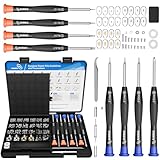
Here are some practical bits of advice that have saved me time and frustration over the years when fiddling with that neck screw. First off, always keep a small, appropriate screwdriver with you. Saxophone neck screws can vary in size and type, so make sure you have one that fits snugly. A loose screwdriver will strip the screw head, and trust me, you do NOT want that headache. I keep a tiny precision screwdriver set in my gig bag. It cost about $15 and has paid for itself many times over in saved sanity.
Secondly, try to make adjustments in a consistent environment. If you’re practicing in a cold room, your horn’s pitch will be different than in a warm one. Try to find a place where the temperature is relatively stable. This helps you get a more reliable reading of how the adjustments are affecting the intonation. I usually do my fine-tuning at home, where I know the room temperature is fairly consistent. This way, I’m not chasing phantom pitch problems caused by external factors.
When you find a setting you like, mark it. You can use a tiny piece of colored tape on the neck or the body, or even a very fine, non-permanent marker line. This gives you a reference point. If you go experimenting and things go south, you have a way to get back to a sound you know works. I’ve seen players use a dab of clear nail polish on the threads of the screw itself, which can act as a mild thread locker to prevent it from vibrating loose during energetic playing. Just make sure it’s easily removable. (See Also: How To Adjust Eyeglass Screw )
Don’t be afraid to use a tuner, but don’t rely on it exclusively. Play a few long tones, check your tuner, make an adjustment, and play again. This is especially helpful when you’re first learning. However, remember that a tuner tells you if a note is ‘in tune’ with a precise frequency, but it doesn’t tell you if it sounds good in context. Sometimes, a note might be a few cents sharp or flat according to the tuner, but it sounds better musically that way. Use your ears as the ultimate judge. The tuning of a saxophone is a complex interplay of the instrument, the player, and the acoustics of the room.
One last thing: if you’re struggling, don’t hesitate to ask an experienced player or a repair technician for help. They’ve likely been through this process countless times and can offer personalized advice. Sometimes, a fresh pair of ears and eyes can spot something you’re missing. I once spent two hours on my own trying to fix a buzzing sound, and a quick listen from my bandleader identified it as a loose octave key spatula, not the neck screw at all. Knowing when to seek expert advice is a skill in itself. The saxophone neck screw is just one piece of a larger puzzle.
Frequently Asked Questions About Saxophone Neck Screws
How Do I Know If My Saxophone Neck Screw Is Too Tight?
If your saxophone sounds muffled, choked, or lacks projection, the neck screw might be too tight. You might also notice increased resistance when playing, or certain notes feeling difficult to produce. Overtightening can restrict the natural vibration of the neck and the body, leading to a dead or stuffy tone. It can also negatively impact intonation across the horn. It’s best to loosen it gradually and listen for improvements.
Can Adjusting the Neck Screw Fix My Intonation Problems?
Yes, adjusting the neck screw can help fine-tune your saxophone’s intonation, but it’s not a complete fix for all intonation issues. Small adjustments can subtly raise or lower pitches, particularly in the middle register. If your horn is consistently sharp, slightly tightening the screw might help bring it down. If it’s flat, slightly loosening it might help. However, major intonation problems usually stem from more fundamental issues like embouchure, reed choice, or the condition of the instrument’s pads and tone holes.
Should I Lubricate My Saxophone Neck Screw?
It’s generally not recommended to lubricate the threads of a saxophone neck screw with oil or grease. This can attract dust and debris, potentially making the screw difficult to turn or even damaging the threads over time. If the screw is sticking or difficult to turn, a tiny amount of graphite lubricant specifically designed for metal threads might be used very sparingly, but even then, it’s often better to consult a repair technician. The primary concern is getting a snug, secure fit without overtightening.
What Is the Role of the Neck Cork in This Adjustment?
The neck cork is absolutely important. Its primary job is to create an airtight seal between the mouthpiece shank and the saxophone neck. When you adjust the neck screw, you’re not just tightening metal on metal; you’re also influencing how the mouthpiece presses against the cork and how the neck sits against the body. A worn, uneven, or damaged cork will prevent a proper seal, making it impossible to achieve good intonation and tone, regardless of how you adjust the screw. Maintaining the cork’s condition is as important as adjusting the screw.
Final Verdict
So there you have it. That little screw isn’t just ornamental; it’s a functional part of your horn’s voice. Learning how to adjust saxophone neck screw is a fundamental skill that can make a real difference in your sound and playability. Don’t be afraid to experiment, but do it with a thoughtful approach. Tiny turns, patient listening, and understanding how it interacts with your whole setup are key.
It’s easy to fall into the trap of thinking you need expensive gear to sound good, but sometimes, the best improvements come from understanding and optimizing what you already have. This little adjustment is a prime example. It’s free, it’s accessible, and it can genuinely help you get more out of your saxophone.
Next time you feel like your horn is being a bit stubborn or not quite speaking the way you want, give that neck screw a gentle tweak. You might be surprised by the results. It’s a journey of discovery, one small turn at a time.
![AXTH 25-in-1 Small Precision Screwdriver Set, Professional Magnetic Mini Repair Tool Kit for Phone, Computer, Watch, Laptop, Macbook, Ring Doorbell, Eyeglass, Electronic, [Bearing Steel] Screw Driver](https://m.media-amazon.com/images/I/518YlLmPTcL._SL160_.jpg)
