
I remember staring at my favorite watch, dead as a doornail. A quick look at the back revealed no tiny screws, just a smooth, seemingly sealed metal case. My heart sank. Was this a trip to the jeweler, or worse, a new watch purchase? I’d wasted enough money on fancy gadgets that promised the world and delivered a papercut, so I decided to figure out how to change a watch battery with no screws myself.
It turns out, most of these ‘screwless’ watches aren’t some impenetrable fortress. They just have a different way of holding the back on. Forget the panic; most of the time, it’s a simple pop or pry job. You don’t need a degree in horology or a toolbox the size of a small car.
When Your Watch Looks Like It’s Welded Shut
So, you’ve got a watch that doesn’t have those familiar little screw heads on the back. It looks like a solid chunk of metal. Don’t freak out.
The vast majority of watches that appear to have no screws actually have a snap-on or press-on case back. Think of it like a really well-fitting Tupperware lid. There’s usually a tiny lip or notch somewhere around the edge where the case back meets the watch case. This is your entry point.
You just need something thin and strong to get under that lip and lever it off. I’ve found a small, thin-bladed flathead screwdriver works wonders, but you can also use a dedicated watch case knife or even a sturdy fingernail file in a pinch. Be gentle, though.
You’re not trying to break it; you’re trying to persuade it to open.
The trick here is finding that seam. Run your finger around the edge of the watch back.
Does it feel perfectly flush, or can you detect a slight indentation or a tiny gap? That gap is your friend. Sometimes, the manufacturer will even put a little notch in there specifically for prying. If you can’t see it, you might need to tilt the watch under a good light.
Hold it at different angles. The light can catch the edge of the case back and reveal that tiny lip.
I once had a watch where the notch was on the underside of one of the lugs – completely hidden unless you knew exactly where to look. A good flashlight is your best friend here.
Patience is key; rushing can lead to scratched cases or damaged seals, which can be a much bigger headache than a dead battery.
Another thing to consider is the water resistance rating. If your watch is rated for serious diving (like 100 meters or more), that snap-on back is going to be sealed pretty tightly, often with a rubber gasket to maintain that seal. Removing it might require a bit more force, and more importantly, re-sealing it correctly is vital if you want to keep it waterproof. I learned this the hard way after a gentle pry job on a diver’s watch that wasn’t sealed properly afterward.
A quick splash in the sink ended up costing me a new watch. So, if you’re dealing with a serious diver, it might be worth considering a professional for the re-sealing part, even if you do the battery swap yourself.
The Tools of the Trade (and What You Can Improvise With)
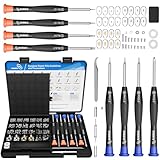
When you’re tackling how to change a watch battery with no screws, you don’t need a vast arsenal. Honestly, most of the time, a few basic items will do the trick. The absolute must-have is a thin, sturdy prying tool. (See Also: How To Fix Eyeglasses Arm Without Screw )
A watch case knife is ideal because it’s designed for this – it’s thin, has a curved edge that fits the watch case, and is generally made of strong metal. You can find decent ones online for about $10-$15.
If you don’t want to buy a specific tool, a very thin, flat-head screwdriver can work, but be super careful not to scratch the metal case. Seriously, go for the cheapest plastic one you can find first if you’re using a screwdriver – less likely to gouge your watch.
Another tool that’s surprisingly handy is a pair of fine-tipped tweezers. You’ll need these to actually get the old battery out and the new one in. Watch batteries are tiny, and they can be fiddly. Good tweezers give you the control you need. Avoid the chunky eyebrow tweezers; you want something precise. Some people use a small, non-metallic pick tool – like a guitar pick or a plastic spudger (often found in phone repair kits). These are great because they’re less likely to scratch the metal or damage the delicate components inside the watch movement. I’ve even seen people use a strong fingernail, but if your nails aren’t reinforced, I wouldn’t recommend it.
For getting the back cover back on, you often don’t need much. If it’s a simple snap-on, a firm press with your thumbs might be enough. However, if it’s a tighter fit, a watch press tool comes in handy. These are basically vices that help you gently and evenly apply pressure to snap the back on.
They cost around $20-$30 and are worth it if you plan on changing batteries often. Without one, you might end up pressing down hard with your thumbs, which can sometimes cause uneven pressure and not get the seal completely seated. I once spent twenty minutes trying to snap a back on with just my thumbs, only for it to pop off later. A watch press made that job take about thirty seconds.
It’s a small investment for a lot less frustration.
Finally, have a clean, lint-free cloth ready. You don’t want dust or fingerprints getting inside your watch. A microfiber cloth is perfect. Keep your workspace clean too. Working on a soft surface like a towel can prevent your watch from getting scratched if it slips.
The Actual Battery Swap: Tiny Parts, Big Impact
Okay, you’ve got the back off. Now for the delicate part. Inside, you’ll see the battery, usually held in place by a small metal clip or bracket. This is where those fine-tipped tweezers really shine. You’ll need to carefully release whatever is holding the battery in. Sometimes it’s a tiny screw, but on screwless backs, it’s more often a small lever you can gently push with your tweezers or a tiny plastic tool. Be super careful not to force anything. If it feels stuck, look closer. There might be a tiny spring or a catch you’re missing. I’ve seen watch movements so small that a stray breath could knock something loose, so take your time.
Once the battery is free, note its type. It’ll usually have a number printed on it, like SR626SW or CR2032. This is important. Don’t just guess. If you can’t read it clearly, take a picture of it with your phone before you remove it. You can buy replacement batteries online or at most electronics stores, and they’re usually pretty cheap, often under $5 for a pack. Make sure you get the exact same type. Using the wrong battery can damage the watch’s internal mechanism. I once put a slightly thicker battery in a watch, and while it fit, it put too much pressure on the circuit board, and the watch stopped working within a week.
When you’re ready to insert the new battery, again, use your tweezers. Make sure you’re putting it in the right way up. There’s a positive (+) and negative (-) side, just like any battery. The case usually makes it pretty obvious which way it should go, with a little diagram or a specific notch for the positive side. Once it’s in place, re-engage the retaining clip or lever. Make sure it’s snug and the battery isn’t loose. If there’s a rubber gasket around the edge of the case back, make sure it’s clean, not twisted, and properly seated in its groove before you try to put the back on. This is what keeps water out.
To put the back on, align it carefully. There’s usually a notch on the case back that corresponds to a lug or a crown on the watch case, so it only fits one way. If it doesn’t seem to seat easily, don’t force it. Rotate it slightly until you feel it click into place.
If you have a watch press, place the watch face-down in the lower part of the press, position the case back on top, and then use the press to apply even pressure until it snaps shut. If you don’t have a press, place the watch on a firm surface, put the case back on, and then press down firmly and evenly with both thumbs, starting from the edge and working your way around. You might hear a satisfying little ‘snap’ when it’s properly seated.
Common Mistakes That’ll Ruin Your Day
The most common mistake people make when trying to figure out how to change a watch battery with no screws is using the wrong tool, or using the right tool the wrong way. I’ve seen people try to jam a butter knife into the seam, thinking force is the answer. That’s a fast track to a scratched case, a bent bezel, or worse, a cracked crystal. You’re not trying to chisel it open; you’re looking for a precise lever point. Remember that thin case knife or a fine flathead? Treat them like a scalpel, not a crowbar. Apply controlled pressure. If it doesn’t budge, re-examine the seam for that tiny notch or lip. Sometimes it’s really well hidden. (See Also: How Measure Metric Computer Screws )
Another huge mistake is forcing the case back on. Once the battery is replaced and the gasket is seated, you need to get the back cover back on. If it’s not aligning properly and you have to really muscle it, something is wrong.
Either the gasket is twisted or out of place, or the case back isn’t lined up correctly. Forcing it can bend the case back, damage the gasket, or even compromise the internal movement.
I’ve been there, sweating, trying to get a stubborn case back on, and ended up having to buy a replacement case back because I warped the original. Just stop, take a breath, and re-align everything. The watch press tool really helps avoid this by applying even, controlled force.
People also frequently forget about the gasket, or they damage it. That little rubber ring is your watch’s first line of defense against moisture. If it’s nicked, stretched, or not seated properly, your watch’s water resistance is toast. Always inspect it, clean it if necessary, and make sure it’s sitting perfectly in its groove before you snap the back on. I once tried to save time by just shoving the old gasket back in. Big mistake. My watch fogged up after I washed my hands. About $150 later, I learned my lesson. It’s a $1 part, and sometimes a $0.50 part if you buy them in bulk, but it can save you hundreds in repairs.
Finally, and this is a big one, using the wrong battery type. I touched on this earlier, but it bears repeating. Every watch movement is designed for a specific battery. Putting in a battery that’s too thick, too thin, or has the wrong voltage can cause all sorts of problems, from the watch not working at all to damaging the delicate electronic components. Always, always, always identify the correct battery number and stick to it. I’ve seen people buy a pack of generic batteries and just try to make one fit. It’s a gamble that rarely pays off. The cost difference between the correct battery and a potentially damaging one is usually minimal, often less than a dollar.
Real-World Scenarios and Why It Matters
Let’s talk about why learning how to change a watch battery with no screws is actually useful. It’s not just about saving a few bucks, though that’s a nice perk. It’s about keeping your favorite pieces of gear running. Think about that reliable field watch you’ve had for years. It’s not fancy, but it’s accurate, tough, and you trust it. When its battery dies, you don’t want to send it off for a week and pay $30 just for a battery swap. You want to fix it yourself in under 15 minutes and get back to using it.
I have a particular vintage Timex that I picked up at a flea market for about $20. It has this amazing, classic look.
It stopped working a few months after I bought it. A jeweler quoted me nearly $60 to change the battery and check the seals, basically more than I paid for the watch. I looked at the back – no screws, just a snap-on.
I did some digging, found the right battery type online for $3, and used a cheap case knife I’d bought for another project. It took me about ten minutes. Now that watch is back on my wrist, and I wear it more than some of my more expensive pieces because I know I can maintain it myself. That feeling of self-sufficiency is huge.
It also applies to those smartwatches or fitness trackers that might not have exposed screws. While many of these are sealed units that are difficult or impossible to service at home, some older or simpler models still use snap-on backs. Knowing how to approach these can save you from buying a whole new device when all it needs is a fresh power source. Plus, understanding how these backs are secured gives you a better appreciation for the engineering involved. It’s not just a piece of jewelry; it’s a miniature mechanical or electronic marvel.
The ability to perform this simple task also extends to understanding basic watch maintenance. It demystifies the process. You start to look at your watch differently, not as a black box, but as a collection of parts you can understand and interact with. This can lead to better care of your watches in general, from keeping them clean to being aware of their limitations.
| Watch Type | Likely Back Type | Ease of DIY Battery Change | My Verdict |
|---|---|---|---|
| Basic Fashion Watch (e.g., Fossil, Timex non-smart) | Snap-on / Press-on | Easy to Moderate | Definitely doable at home. Save cash. |
| Entry-Level Smartwatch (older models) | Snap-on / Press-on (rarely screws) | Moderate | Possible, but be extra careful with electronics and seals. |
| Diving Watch (100m+) | Snap-on / Press-on (often with solid gasket) | Moderate to Difficult (re-sealing tricky) | Battery swap is okay, but professional re-sealing recommended for water resistance. |
| Vintage Mechanical Watch | Snap-on / Press-on (sometimes) | Moderate | Battery is for quartz movements. If mechanical, it doesn’t have a battery! If quartz, be gentle with old mechanisms. |
| High-End Luxury Watch | Snap-on / Press-on (rare, usually screws or special clasps) | Difficult / Not Recommended | Take this to a professional. You don’t want to scratch a $5k+ watch. |
The table above gives you a quick rundown. The key takeaway is that for the vast majority of watches that don’t have screws, a DIY battery change is well within reach. It’s about being methodical and using the right approach. Don’t let the fear of damaging your watch stop you from trying; just proceed with caution and the right mindset.
Practical Tips for Success and Peace of Mind
When you’re ready to dive into how to change a watch battery with no screws, here are a few practical tips that have saved me countless headaches. First, work on a stable, clean surface. A white cloth or a mat is ideal. This helps you see small parts if they fall, prevents scratches, and keeps dust away from the watch’s internals. Seriously, I’ve dropped tiny screws (when I did have screw-back watches) and spent an hour on my hands and knees trying to find them on a dark carpet. A light-colored mat makes life so much easier. (See Also: How To Adjust Eyeglass Screw )
Second, take pictures. Before you remove the battery, snap a few photos from different angles with your phone. This is especially helpful if the battery retaining clip looks complicated. You can refer back to the pictures to see exactly how everything was situated. It’s like having a cheat sheet right there. This has saved me more than once when I’ve been unsure about reassembling a fiddly mechanism. A picture is worth a thousand words, especially when those words are complex watch repair instructions.
Third, if your watch has a water-resistance rating (even a modest 30m or 50m), pay extra attention to the rubber gasket. Clean it gently with a soft cloth. Make sure it’s in its groove correctly, without any twists or bulges. Some people recommend a tiny dab of silicone grease specifically made for watch gaskets, but honestly, for most snap-on backs that aren’t for deep diving, just making sure it’s clean and properly seated is enough. If you’re unsure or if the gasket looks damaged, it’s better to buy a replacement. They are usually very inexpensive and can be found online by searching for your watch model and ‘gasket’ or ‘seal’.
Fourth, and this is a bit of a contrarian opinion, but sometimes, especially with older or less expensive watches, the original battery might have been a lower quality one. Replacing it with a fresh, high-quality battery from a reputable brand (like Energizer, Duracell, or Sony) can sometimes make a watch perform better than it has in years. Everyone says ‘just get any battery’, but I’ve found that sticking to known brands makes a noticeable difference in longevity and consistency. It’s not just about the voltage; it’s about the quality of the materials and manufacturing.
Finally, if you’re struggling to get the case back on, don’t keep forcing it. Re-evaluate.
Are you sure the gasket is in place? Is the case back aligned correctly? Is there any tiny bit of debris preventing it from closing?
Sometimes a slight twist in the opposite direction can help it seat. If it’s still stubbornly refusing, and you don’t have a watch press, try placing the watch face down on a very soft towel (to protect the crystal) and then applying firm, even pressure around the edge with the heel of your hand or your thumbs.
If it still doesn’t snap shut, it might be time to reconsider or seek out that watch press tool. It’s better to pause than to break something.
How Do I Know If My Watch Has a Snap-on Back?
Look closely at the edge where the case back meets the watch case. If you don’t see any screws, and you can detect a thin seam, it’s likely a snap-on or press-on back. Sometimes there’s a tiny notch or lip designed for prying, which is a dead giveaway. You can often feel a slight indentation or a less-than-perfectly-smooth transition around the edge.
Can I Use a Regular Screwdriver to Open a Watch Back?
You can, but it’s risky. A regular screwdriver is often too thick and the wrong shape, leading to scratches on your watch case. If you must use one, opt for the smallest flat-head you have and try to find one with a rounded, less sharp tip. Better yet, get a cheap plastic spudger or a specific watch case knife, which are designed for the job and much less likely to cause damage.
What Kind of Battery Do I Need for My Watch?
You need the exact same type of battery that was in your watch originally. This information is usually printed on the battery itself, often as a series of letters and numbers (e.g., SR626SW, CR2032). If you can’t read it, take a picture of the old battery before removing it, or consult your watch’s manual or the manufacturer’s website if possible. Using the wrong battery can damage the watch’s movement.
How Do I Put the Watch Back on After Changing the Battery?
Align the case back correctly – there’s usually a small notch that matches up with the watch crown or a lug. Make sure the rubber gasket is clean, seated properly in its groove, and not twisted. Then, apply firm, even pressure around the edge until it snaps into place. A watch press tool is ideal for this, but firm thumb pressure can also work for many watches. Don’t force it if it doesn’t seem to seat easily; re-check your alignment and the gasket.
Is It Safe to Change My Watch Battery Myself If It’s Water-Resistant?
For watches with low to moderate water resistance (e.g., 30m-50m), it can be safe if you are careful, especially with the gasket. However, for watches with high water resistance (100m+), the seals are important and can be compromised if not reassembled perfectly. If water resistance is a major concern for you, it’s often best to have a professional re-seal the watch after you’ve changed the battery yourself.
Conclusion
So there you have it. Figuring out how to change a watch battery with no screws isn’t rocket science. It’s mostly about having the right mindset: patience, observation, and the right delicate tools. Don’t be intimidated by a seemingly sealed case; it’s usually just a cleverly designed snap-on back.
You’ve now got the knowledge to bypass those expensive jeweler fees for a simple battery swap. Remember to be gentle, identify that battery type correctly, and pay attention to that little rubber gasket. It’s a small skill that can save you money and keep your favorite timepieces ticking.
Next time your screwless watch dies, don’t despair. Grab a thin pry tool, some tweezers, and the correct battery. You’ve got this. And if it’s a really high-end piece or a serious diver, know when to call in a pro, but for most everyday watches, it’s a straightforward DIY job.
![AXTH 25-in-1 Small Precision Screwdriver Set, Professional Magnetic Mini Repair Tool Kit for Phone, Computer, Watch, Laptop, Macbook, Ring Doorbell, Eyeglass, Electronic, [Bearing Steel] Screw Driver](https://m.media-amazon.com/images/I/518YlLmPTcL._SL160_.jpg)
