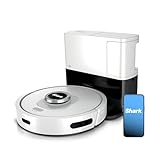
Sparkling floors are the dream, right? For years, I chased that scent of ‘clean’ with every bottle of fragrant cleaner imaginable. Then came the robot vacuums, promising automated bliss. It felt like a no-brainer: just add your favorite mop solution, and let the magic happen. This whole idea of putting Fabuloso in a Shark robot vacuum seemed like the next logical step in effortless home care.
But here’s the thing: that shiny marketing promise? It often hides a messy, expensive reality. I’ve been there. Wasting money, damaging machines, and ending up with floors that looked worse, not better. So, can I put Fabuloso in my Shark robot vacuum? Let’s talk about what actually happens.
Honestly, it’s a question I get asked a lot, and my initial thought, like many others, was ‘why wouldn’t you?’ The idea of that clean, familiar scent wafting through the house as the vacuum did its thing was incredibly appealing.
The Allure of the Scented Floor
Who doesn’t love that smell? That distinct, almost tropical scent of Fabuloso conjures up images of a truly clean home. It’s a powerful sensory cue. We associate it with freshly mopped surfaces, a vibrant and welcoming environment. For many, especially those who grew up with it, it’s more than just a cleaner; it’s a nostalgic trigger, a marker of a well-kept household. The thought of infusing that scent into the automated cleaning process of a Shark robot vacuum is, frankly, tempting. It feels like a shortcut to a fragrant, spotless home without lifting a finger beyond filling a reservoir.
This is where the marketing often gets us. The idea that you can simply add any old cleaning fluid to a machine designed for a specific purpose. I remember the first time I thought about adding something other than the manufacturer’s recommended solution. My old steam mop had this little compartment, and I figured, why not jazz it up a bit? I was convinced a splash of lemon-scented dish soap would make everything shine brighter AND smell better. Spoiler alert: it did not. It left streaks and a weird, greasy residue that took me an hour to clean off.
Why Your Shark Robot Vacuum Hates Fabuloso (and Other Soaps)
So, why all the fuss? It boils down to the delicate engineering inside your Shark robot vacuum. These machines aren’t just sucking up dirt; many of them have sophisticated mopping systems. These systems often rely on specific water flow and evaporation rates. Fabuloso, like most multi-purpose cleaners and soaps, contains surfactants and other chemicals designed to break down grease and grime. When introduced to the internal components of a robot vacuum, these can cause a cascade of problems.
Think of it like this: trying to run a high-performance sports car on cooking oil. It might seem like a liquid fuel, but the engine isn’t designed for it, and the damage, while perhaps not immediate, is inevitable. The surfactants can break down seals and hoses over time, leading to leaks. The fragrances and dyes can clog the fine nozzles of the water dispenser, reducing the effectiveness of the mop and potentially leading to uneven cleaning or even damaging the pump mechanism. This isn’t just about a funny smell; it’s about the long-term health of your appliance.
I once saw a post on a forum where someone swore they’d been using a watered-down mix of Pine-Sol in their robot mop for two years without issue. They were practically evangelizing it. Then, a few months later, they chimed back in, complaining about the pump failing and the floor always looking damp. It’s that kind of anecdotal ‘evidence’ that convinces people it’s fine, until it isn’t. We’re talking about a machine that costs hundreds of dollars here; gambling with it over a scent just doesn’t make sense to me. (See Also: Why Does My Shark Robot Vacuum Keep Stopping And Beeping )
The Inside Scoop: What Happens to the Guts
Let’s get a little technical, but not too much. Robot vacuums with mopping functions typically have a clean water tank and a pump system that dispenses a specific amount of water onto the floor. They also have a dirty water tank to collect the grimier stuff. If you introduce something like Fabuloso, which is a concentrated detergent, you’re not just adding water. You’re adding a complex chemical mixture. These chemicals can leave a residue. This residue, over time, can build up inside the pump, the tubing, and even the sensors that detect water levels or floor type.
This buildup isn’t like dust you can just wipe away. It’s sticky, often invisible, and acts like gunk in an engine. It can restrict water flow, making your mop feature less effective. Worse, it can corrode certain plastic or rubber components within the system. Shark, like most manufacturers, designs their machines with specific materials and tolerances. They don’t test these machines with every cleaning product on the market. They test them with plain water or their own specially formulated cleaning solutions, which are designed to be safe for the internal components and effective on floors.
The Downside of ‘clean Smell’
The biggest argument people make for using things like Fabuloso is the smell. But that scent, while pleasant to us, can be a problem for the vacuum itself. Many scented cleaners contain oils and other compounds that aren’t water-soluble in the same way. These can leave a film on surfaces, and within the vacuum’s internal mechanisms, this film can attract dust and debris, creating a breeding ground for mold and bacteria. Imagine your robot vacuum not just cleaning your floors, but also circulating tiny particles of mold spores throughout your home with every cleaning cycle. Not exactly the pristine environment you were aiming for, is it?
Furthermore, the concentrated nature of some cleaners means you’re adding more than just scent. You’re adding chemicals that could potentially damage your flooring over prolonged, repeated exposure, especially if the cleaner is not rinsed properly or is allowed to sit on the surface for too long. The goal of a robot vacuum is to maintain a level of clean, not to strip finishes or cause long-term damage. I once experimented with a ‘natural’ essential oil blend on a different appliance, thinking I was being eco-friendly. It ended up smelling like burnt rubber after a week because the oils reacted with the heating element in a way I never anticipated.
Consider this: the materials used in robot vacuums are often plastics and rubber seals. These are chosen for their durability and resistance to water and common household grime. However, they are not necessarily resistant to the specific chemical cocktails found in many cleaning solutions. The dyes in Fabuloso, for instance, are designed to color the liquid, but they can also potentially stain internal components or leave residue that’s difficult to remove. The fragrances themselves are often a blend of various chemicals, some of which could be more aggressive than you realize.
This brings us to an important point often overlooked: the warranty. Using a cleaning solution not approved by Shark will almost certainly void your warranty. If something goes wrong, and it likely will if you’re using unapproved fluids, you’re on the hook for all repair costs. That expensive robot vacuum could become an expensive paperweight very quickly.
A Word on Other ‘additives’
It’s not just Fabuloso. People try all sorts of things. Bleach? Absolutely not. Vinegar? It’s acidic and can damage certain metals and plastics. Essential oils? While they smell nice, concentrated oils can be corrosive or leave a residue that attracts dirt. Even just plain soap can be too sudsy, leading to overflow and damage to the motor. A study by the EPA on household cleaners found that many common products contain volatile organic compounds (VOCs) that can be released into the air, which is also a consideration for a machine that circulates air around your home. (See Also: How To Know If Shark Robot Vacuum Is Charging )
When it comes to robot vacuums and their mopping functions, the best approach is usually the simplest. Stick to what the manufacturer recommends. They’ve spent considerable time and money engineering these machines to work with specific substances. Deviating from that is a gamble, and frankly, not one worth taking when you’ve invested in a piece of technology designed to make your life easier, not create more problems.
| Cleaning Solution | Pros (to user) | Cons (for vacuum) | Verdict |
|---|---|---|---|
| Fabuloso | Pleasant scent, familiar | Damages internal components, voids warranty, can clog nozzles | NO |
| Dish Soap (any brand) | Cuts grease | Too sudsy, leaves residue, damages pump, voids warranty | ABSOLUTELY NOT |
| Vinegar | Natural disinfectant, removes some stains | Acidic, corrodes metal/plastic, damages seals, voids warranty | NO |
| Plain Water | Safe, no residue, won’t damage components | No added scent, might not tackle tough grime alone | YES (recommended) |
| Manufacturer-Approved Solution | Safe, effective, designed for the machine | Cost | YES (best option) |
The Real Way to Get a Fresh-Smelling Home
So, you want that fresh scent, but you don’t want to ruin your Shark robot vacuum. What’s the solution? It’s actually pretty simple. First, use only plain water or a Shark-approved cleaning solution in your robot vacuum’s water tank. This protects your investment and ensures it functions as intended. The machine is designed to pick up dirt and debris; it’s not a scent diffuser.
For the fragrance aspect, tackle it separately. Open windows to air out rooms after cleaning. Use high-quality air fresheners or diffusers. Keep your actual cleaning cloths and mops separate and wash them with scented laundry detergent. You can even add a few drops of your favorite essential oil to a cotton ball and place it discreetly behind a couch or under a piece of furniture, far away from your robot vacuum’s working parts. This way, you get the aroma without the risk of expensive damage. My neighbor, who has an immaculate-smelling house and three robot vacuums, swears by simmering potpourri on the stove for an hour before guests arrive. It’s old-school, but apparently effective.
Think of it this way: you wouldn’t pour a fancy perfume into your car’s windshield washer fluid, would you? It’s the same principle. The machine has a job, and the scent has a job, and they are best kept separate. It took me a while, and a few costly mistakes with other appliances, to learn that lesson. Now, I just enjoy the clean look the robot provides and handle the ‘smell good’ part with dedicated methods.
If you’re really attached to the smell of Fabuloso, consider using it the old-fashioned way on other surfaces – with a mop and bucket. You can then let the robot vacuum handle the dry debris in between those deeper cleans. This approach ensures both your floors and your robot vacuum stay in top condition. The warranty is a big one, and according to the Shark owner’s manuals I’ve seen, they are pretty clear about using only water or approved solutions.
Remember, these robots are sophisticated pieces of technology. They require specific care to perform optimally. While the temptation to add a little extra ‘oomph’ with a common household cleaner is understandable, the risks far outweigh any perceived benefits. Stick to the manufacturer’s guidelines and enjoy a truly clean home, both in appearance and in function.
Can I Add Essential Oils to My Shark Robot Vacuum?
No, it’s generally not recommended. While essential oils smell nice, they are concentrated oils that can leave a residue, attract dirt, and potentially damage the internal components or seals of your robot vacuum. Stick to plain water or manufacturer-approved solutions. (See Also: How To Repair Shark Robot Vacuum )
What Should I Use in My Shark Robot Vacuum’s Water Tank?
You should primarily use plain water. Shark also offers their own branded cleaning solutions, which are specifically formulated to be safe for the vacuum’s internal parts and effective on floors. Always check your vacuum’s user manual for specific recommendations.
Will Using Fabuloso Void My Shark Robot Vacuum Warranty?
Yes, almost certainly. Most manufacturers, including Shark, state that using any cleaning solution other than plain water or their approved products will void the warranty. If your vacuum malfunctions due to an unapproved cleaner, you will be responsible for repair costs.
Can I Just Use a Very Small Amount of Fabuloso?
Even a small amount can be problematic. The surfactants, dyes, and fragrances in Fabuloso are not designed for the delicate internal systems of a robot vacuum. Over time, even diluted, these can cause damage to pumps, hoses, and nozzles, leading to reduced performance or complete failure.
How Can I Make My Floors Smell Good After Vacuuming with Plain Water?
There are several ways. You can open windows to air out the room, use a separate air freshener or diffuser in the space, or wash your mop pads or cloths with a scented detergent. Some people also like to place scented items like potpourri or scented sachets in inconspicuous areas of the room.
Final Thoughts
So, when it comes down to it, can I put Fabuloso in my Shark robot vacuum? The short, blunt answer is no. It’s a tempting shortcut to a fragrant clean, but the reality is that it can cause significant damage to your machine. I learned this the hard way with a different appliance years ago – that lingering, artificial scent wasn’t worth the eventual breakdown.
Your Shark robot vacuum is designed to work with plain water or specific, approved cleaning solutions. Introducing anything else risks clogging, corrosion, and ultimately, voiding your warranty. It’s better to embrace the minimalist approach for the vacuum itself and tackle the scent aspect separately.
Instead of adding Fabuloso to the tank, try airing out your rooms thoroughly after a cleaning cycle. Consider a separate, high-quality air freshener or even a gentle simmer pot on the stove for a natural aroma. Your robot vacuum will thank you, and so will your wallet.
Recommended Products