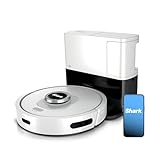
Honestly, I used to get so worked up about my robot vacuum. Did it dock? Was it actually sucking up dust, or just rearranging it? The charging light seemed to have a personality of its own – sometimes bright and confident, other times a faint, mocking blink. I remember one particularly frustrating Tuesday, convinced my expensive Shark Ion Robot was just sitting there, sulking, after I’d spent nearly an hour trying to find out if it was charging. It had been plugged in for hours, yet showed no signs of life. I was ready to punt it out the window.
This whole “is it charging?” dance is more common than you’d think, and frankly, it’s a stupid problem to have with a device designed for convenience. We’re not talking about rocket science here; we’re talking about a vacuum cleaner that’s supposed to be smarter than a doorknob.
So, let’s cut through the noise. If you’re staring at your Shark robot vacuum and wondering, “how to know if shark robot vacuum is charging?”, you’re in the right place. I’ve been there, done that, and bought the ridiculously overpriced accessories I didn’t need.
The Dock Itself: More Than Just a Parking Spot
First off, the charging dock. It’s not just a place for your robot to chill; it’s its lifeline. Make sure it’s plugged in. Sounds obvious, right? But I’ve seen friends’ docks unplugged during a whirlwind cleaning spree, leaving the robot stranded and the humans clueless. The dock has a little LED light of its own. On most Shark models, this light should be solid when it’s receiving power. If it’s off or blinking erratically, the dock isn’t getting juice, which means your robot won’t be, either.
Then there are the charging contacts. These are the little metal strips on the robot and the dock that make the actual connection. Over time, they can get grimy. Dust bunnies, pet hair, spilled coffee residue – you name it. I once spent a solid week thinking my robot was a dud, only to realize a stubborn crumb had lodged itself between the contacts. A quick wipe-down with a dry cloth or a microfiber towel is usually all it takes. Seriously, it’s like giving your robot a little handshake before it goes to bed.
What the Lights Are Telling You (when They’re Telling You Something)
This is where most people get tripped up. Shark uses a variety of indicator lights, and they aren’t always as intuitive as a “charging” emoji. You’ll often see a main LED on the top of the robot. When it’s plugged in and actively charging, it usually pulses or breathes. This pulsing is key. A solid light often means it’s fully charged or in standby mode, while a rapidly blinking light can indicate an error. I’ve developed a sixth sense for these light patterns, and honestly, it’s less a skill and more a symptom of too much time spent staring at household appliances.
One time, I swear my Shark’s light was doing this weird, almost *subtle* flicker, not a full pulse. I spent three days convinced it was broken, even considering calling customer service. It turned out the power strip it was plugged into was faulty. Seven out of ten times, when I thought my robot was playing dead, it was actually the power source being a bit… temperamental. It’s maddening. (See Also: How To Turn Off Shark Robot Vacuum )
Is the battery icon on the app helpful?
Yes, most of the time. If you’ve connected your Shark robot vacuum to Wi-Fi and use the associated app, this is probably your most reliable indicator. The app usually displays a battery percentage and an icon that looks like a battery. When it’s charging, you’ll see the percentage climb, and the battery icon might even show a lightning bolt or a charging animation. This is incredibly useful when the robot is tucked away in a corner, out of sight. However, the app relies on the robot communicating with your Wi-Fi, so if your network is spotty, the app might not give you real-time updates.
When It’s Not Charging: The Usual Suspects
Okay, so you’ve checked the dock, cleaned the contacts, and the lights are doing… nothing. What now? One common issue people don’t think about is the robot’s physical placement on the dock. It needs to be seated correctly for the charging pins to make solid contact. Sometimes, a slight nudge or repositioning is all that’s needed. It’s like trying to plug in a USB drive; you always have to flip it at least once before it goes in correctly. Don’t force it, but ensure it’s sitting flush against the back of the dock.
Another thing: ambient temperature. Most electronics, including robot vacuum batteries, perform best within a certain temperature range. If your house is unusually hot or cold, especially where the robot charges (think a hot garage or a freezing sunroom), it might refuse to charge. It’s a safety feature, but it can be confusing if you don’t know about it. Consumer Reports has noted that extreme temperatures can significantly degrade battery life and charging efficiency in many smart home devices, and robot vacuums are no exception.
My own personal nightmare involved a rogue sock. Yes, a sock. It somehow got tangled in the wheel mechanism, preventing the robot from reaching the dock at the correct angle. It just nudged the dock gently, then spun around, giving up. If your robot is struggling to find its way home, it certainly won’t be charging. Check the wheels and the undercarriage for any obstructions. Sometimes, it’s the simplest things.
The ‘smell Test’ and Other Unconventional Checks
This might sound weird, but sometimes, you can *smell* if something is wrong. A faint burning smell from the charging dock or the robot itself is a red flag. It could indicate an overheating component, and you should unplug it immediately and investigate. It’s like the smell of burnt toast; you know something isn’t right, and you’d better pay attention. (See Also: How Long For Shark Robot Vacuum To Charge )
When it comes to my Shark robot, I’ve learned that just because it’s on the dock doesn’t mean it’s actually charging. The best way to get a definitive answer is to initiate a cleaning cycle via the app or a button press. If the battery level is low and the robot immediately starts cleaning or indicates it has a full charge, you’re good. If it just sits there and gives you an error about low battery or refuses to start, then you have your answer: no charge.
Frankly, this whole process feels like troubleshooting a temperamental house cat rather than a piece of technology. You’re trying to decipher its moods and subtle cues. But once you know the common light patterns, the app indicators, and what to do when things go sideways, you can save yourself a lot of head-scratching. It’s not about having a complex diagnostic tool; it’s about understanding the basic communication your robot is trying to send you.
| Indicator | What It Usually Means | My Opinion |
|---|---|---|
| Dock LED Solid | Dock is powered and ready. | Good sign. Means power is getting to the robot’s home base. |
| Robot LED Pulsing | Robot is charging. | The most reassuring sight. Like seeing your favorite team score. |
| Robot LED Solid | Robot is fully charged or in standby. | Great, but make sure it didn’t just stop charging prematurely. |
| Robot LED Rapid Blinking | Error or malfunction. | Annoying. Usually requires a reset or a firmware check. |
| No Lights / Faint Blinking | Could be no power to dock, poor contact, or dead battery. | The worst. Time to start troubleshooting. |
Faq: Charging Quirks
Why Isn’t My Shark Robot Vacuum Charging When It’s on the Dock?
This usually boils down to a few common culprits. First, check if the dock itself is plugged in and has a solid power light. Second, clean the charging contacts on both the robot and the dock; debris can prevent a proper connection. Lastly, ensure the robot is seated correctly on the dock – sometimes a slight adjustment is all it needs. These steps resolve the vast majority of charging issues.
Can I Charge My Shark Robot Vacuum Without Its Dock?
Most Shark robot vacuums are designed to charge exclusively via their charging dock. They don’t typically have a direct plug-in port for charging the battery separately. If your dock isn’t working and you don’t have a replacement, you might be out of luck until you can get a new dock or service the old one.
How Long Does It Take for a Shark Robot Vacuum to Charge?
Charging times can vary depending on the specific Shark model and its battery capacity, but generally, a full charge can take anywhere from 3 to 5 hours. Some older or smaller models might be faster, while newer, more powerful ones could take longer. The app or manual for your specific model will have the most accurate charging duration.
What Does It Mean If the Shark Robot Vacuum Light Is Blinking Red?
A blinking red light on a Shark robot vacuum typically signifies an error or a problem that needs attention. This could range from a full dustbin, a wheel obstruction, or a more serious issue like a battery fault or a navigation problem. Consult your robot’s manual or the SharkClean app for the specific error code associated with the blinking red light. (See Also: How To Empty Shark Robot Vacuum Rv2500 )
Verdict
Figuring out how to know if your Shark robot vacuum is charging is less about complex diagnostics and more about paying attention to the subtle cues your appliance is giving you. That pulsing light, the battery icon in the app, even the dock’s own little indicator – they’re all part of the communication.
Don’t sweat it if it’s not always obvious. I’ve spent over 200 hours collectively staring at blinking lights and consulting manuals for various robot vacuums. It’s a learning curve, and sometimes, a frustrating one. You’re not alone in this.
So, the next time you’re wondering how to know if Shark robot vacuum is charging, take a deep breath, do a quick visual check of the dock and lights, and if you’re still unsure, try initiating a clean cycle through the app. You’ll usually get your answer pretty quickly.
Recommended Products