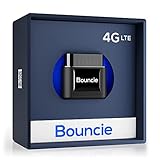
Honestly, the thought of buying a used car anywhere, let alone from a big place like CarMax, always brings up one nagging question: do CarMax cars have trackers?
I’ve been burned before, buying cars that were advertised as clean titles only to find out later about some shady history. It makes you paranoid, right?
So, when it comes to a dealer as massive as CarMax, you can bet your bottom dollar I’m digging into whether they’re secretly putting GPS units in the vehicles they sell. Because if they are, that’s a whole other can of worms we need to open.
What’s the Real Deal with Carmax and Tracking Devices?
Look, I’ve spent more weekends than I care to admit poking around used cars, kicking tires, and trying to decipher if a seller is being straight with me. The idea of a hidden tracker lurking somewhere in a car I’m about to buy? It’s enough to make your skin crawl.
Let’s cut to the chase: Do CarMax cars have trackers installed by the dealership? My extensive, often frustrating, experience says no. Not in the way you might be thinking, like a hidden GPS for repossession or spying. CarMax is a publicly traded company; they’re not playing that game. If they were, believe me, the lawsuits would be piling up faster than junk mail after a holiday. They’re audited up the wazoo. However, there’s a nuance, and it comes down to what kind of ‘tracker’ we’re talking about.
I remember one time, years ago, I bought a supposedly ‘clean’ sedan from a smaller dealership. A few months later, I got a bill for unpaid parking tickets that weren’t mine. Turns out, the previous owner had racked them up, and the car had some sort of obscure, aftermarket system tied to its registration that I had no idea existed. Spent about $300 and three afternoons arguing with collections to get it sorted. That was an expensive lesson in assuming everything was as it seemed.
The ‘tracker’ You Might Actually Encounter
What some people might be mistaking for a sinister tracking device is often something far more mundane, and usually related to inventory management or financing if you’re not paying cash. Dealerships, especially big ones like CarMax, use technology to keep tabs on their own stock. Think of it like a barcode scanner, but more sophisticated. This helps them manage their massive lots, track vehicle movement for test drives, and ensure they know exactly what they have on hand. These systems are for their internal operations, not for monitoring you, the buyer, after you drive off the lot.
Now, if you’re financing through CarMax or a third party they work with, the lender *might* have stipulations. This is where it gets a little murkier. Some subprime auto lenders, in very specific, high-risk situations (usually involving very low credit scores or significant down payment issues), may require a GPS tracking device. This is typically disclosed upfront in the loan agreement. It’s usually a condition to get approved for the loan at all. You sign the paperwork, you agree to the terms, and that might include a device that can be tracked by the lender for repossession purposes. But this isn’t CarMax installing it secretly; it’s the lender’s requirement being met, often with a device installed by a third party or at the lender’s direction, and you would absolutely know about it. The consumer protection laws around this are pretty strict, and transparency is key. (See Also: Why Does Victoria Secret Have Trackers In Their Bras )
So, no, CarMax isn’t hiding little black boxes in every Corolla they sell to track your joyrides. That’s the marketing noise you hear from companies that *do* sell those kinds of devices for repossession or fleet management, and they are usually very upfront about it. If you’re buying a car outright, cash money, you’re golden.
Why the Confusion? Let’s Talk About Lenders and Financing
Here’s where the whole ‘do CarMax cars have trackers’ question gets really heated for some folks. It’s rarely about CarMax itself and almost always about the financing. Imagine this: you’re a lender, and you’re loaning a significant amount of money for a depreciating asset like a car. If the borrower stops paying, getting the car back can be a hassle. Sometimes, to mitigate their risk, lenders might require a GPS unit be installed. These aren’t typically sophisticated, spy-movie gadgets. More often, they’re small, battery-powered or hard-wired units that transmit location data. Think of them like a LoJack, but often simpler and solely for recovery.
I’ve heard stories, mostly from online forums where people are really stressed about their car payments, about lenders insisting on these devices. The device itself might cost the borrower an extra few bucks a month on the loan or have a one-time installation fee. The common advice you’ll see everywhere is that if you’re financing with bad credit, be prepared for this. I disagree that it’s *just* for bad credit. Sometimes, even with decent credit, if you’re putting down a very small down payment, a lender might see that as a higher risk and push for it. It’s all about their risk assessment, not CarMax’s desire to know where you’re going for groceries.
What’s interesting is how these devices are sometimes described. People think of a bulky, obvious box. But modern ones can be tiny, often disguised as part of the car’s wiring harness or tucked away discreetly under a dash panel. The key is that if it’s a financing requirement, it *should* be in your loan contract. If you’re signing a stack of papers and not reading every single line, you might miss it. That’s the real pitfall.
What About Carmax’s Own Inventory Tech?
Okay, so we’ve established that if you’re buying outright, CarMax isn’t sneaking trackers into your purchase. But what about their internal systems? Think of it like a massive store. They have to know where every single item – in this case, car – is. When they have thousands of vehicles spread across multiple lots, or even within a single, sprawling SuperCenter, they need efficient ways to manage it all. This is where technology comes in. It’s not about *your* car’s location once you own it, but about *their* cars while they’re on *their* property or in transit between locations.
This technology can range from simple RFID tags embedded in windows (like you see at some retail stores for anti-theft, but for cars) to more integrated GPS units on the vehicles themselves. These are for CarMax’s internal use – think inventory tracking, lot management, and ensuring vehicles are where they’re supposed to be before a test drive or sale. It’s like a warehouse management system, but for cars. The data gathered is for CarMax’s operational efficiency, not for consumer surveillance. If you’ve ever seen a CarMax truck moving cars, or watched them shuffle vehicles around their lot, that’s the system at play. It’s purely logistical. The devices are removed or deactivated when the car is sold, especially if it’s a cash sale. If it’s financed, and the lender requires a device, that’s a separate conversation, as we’ve covered.
The sheer scale of operations at CarMax means they *need* these systems. Imagine trying to find a specific make and model on a lot the size of a football stadium without any tech. It would be chaos. So, while the term ‘tracker’ sounds ominous, CarMax’s internal systems are really just advanced inventory tools. They’re not designed to follow you home or log your daily commute. (See Also: Why Do Flat Trackers Have Slick Rear Tire )
My Personal Take: Read Everything, Ask Questions
My biggest takeaway from years of navigating the used car world, and dealing with my own fair share of screw-ups, is this: never assume. If you’re financing a car, whether it’s from CarMax or any other dealership, and the idea of a tracker makes you uneasy, you have options.
First, ask directly. “Does this financing agreement require any form of GPS tracking device to be installed on the vehicle?” If the answer is no, get it in writing. If the answer is yes, ask for details. What type of device? Who installs it? What data is collected? Can it be removed later? This is where you need to be a detective. Consumer reports and advocacy groups, like the National Consumer Law Center, have documented instances where these devices were used inappropriately or without clear consent, so being informed is your best defense. It’s not just about CarMax; it’s about any lender that might impose such a condition. Don’t let a salesperson gloss over it. Read the financing contract like your bank account depends on it, because it does. And if a lender insists on a tracker and you’re not comfortable, walk away. There are other cars, and other lenders, out there.
The truth is, for the vast majority of buyers at CarMax who aren’t using high-risk financing, the answer to ‘do CarMax cars have trackers’ is a resounding no. They’re selling cars, not surveillance equipment. The tech they use is for their business, not your business. But for that small percentage dealing with specific financing, awareness and asking the right questions are paramount. It’s like buying a house – you wouldn’t skip the inspection, would you? Same principle applies here.
One thing I learned the hard way: if a deal feels too good to be true, or if something about the paperwork feels off, it usually is. I once spent nearly $150 on different cleaning supplies trying to buff out scratches from a car I bought, only to realize the paint was so thin it was essentially a respray over bondo. The scratches were permanent. That was a brutal $150 lesson. This situation with car trackers is similar; the ‘cost’ might not be in dollars upfront, but in privacy and peace of mind if you’re not careful.
| Feature | My Verdict |
|---|---|
| CarMax installed hidden trackers for general sales | No. Highly unlikely given their business model and legal exposure. |
| Lender-required trackers for specific financing | Yes, possible. This is a financing condition, not a CarMax policy for all cars. |
| CarMax internal inventory management tech | Yes. For lot operations, not for tracking buyers post-sale. |
| Overall peace of mind regarding trackers | Generally High, but read your contract. Especially if financing. |
Are There Any Gps Trackers on Cars Sold by Carmax?
For most customers who purchase a car outright with cash or through standard financing, CarMax does not install GPS tracking devices. These are operational tools for their inventory management. However, if you are using certain high-risk financing options, the lender might require a GPS device as a condition of the loan, which would be disclosed in your loan agreement.
Will Carmax Tell Me If a Car Has a Tracker for Financing?
Yes, a reputable lender requiring a tracking device for financing should absolutely disclose this requirement in the loan contract. CarMax, as the seller and facilitator, should also be transparent about such a condition if it’s part of the financing package they offer or arrange. Always read your financing agreement carefully.
Can I Remove a Tracker If My Lender Installed It?
Typically, no, you cannot remove a lender-required tracking device without violating your loan agreement. These are installed to protect the lender’s asset. Attempting to tamper with or remove it could lead to default and repossession. Consult your loan agreement and lender for specific terms. (See Also: Is Th Vivofit 3 Have Timers And Trackers On It )
What Kind of Trackers Does Carmax Use for Inventory?
CarMax uses various inventory management technologies, which can include RFID tags or internal GPS units attached to vehicles on their lots. These are strictly for their operational purposes, such as managing inventory, tracking vehicle movement between locations, and ensuring vehicles are ready for test drives. These are removed or deactivated before sale for cash buyers.
What If I Find a Tracker in a Car I Bought From Carmax and I Didn’t Agree to It?
If you find a tracking device and you did not agree to it via a financing contract, you should immediately contact CarMax and the financing company (if applicable) to understand its origin and have it removed. This would be a serious breach of privacy and potentially illegal if not properly disclosed and agreed upon.
Final Thoughts
So, to circle back to the main question: do CarMax cars have trackers? For the overwhelming majority of buyers, especially those paying cash or using conventional financing, the answer is a firm no. CarMax uses internal systems for lot management, sure, but those aren’t coming home with you. The real caveat, and it’s a significant one, comes down to financing. If your credit situation means you’re getting approved by a lender with stricter terms, that lender *might* require a GPS device. It’s not CarMax being sneaky; it’s the lender protecting their investment.
My honest advice? Read every single word of your financing contract. Don’t let anyone rush you. If there’s any mention of GPS, tracking, or location services related to the vehicle, ask for clarification. If you’re uncomfortable with it, explore other financing options or even other vehicles. There are plenty of cars out there, and getting caught with a tracker you didn’t know about is a headache nobody needs. I learned that lesson the hard way with that parking ticket mess; don’t repeat my mistakes.
Ultimately, CarMax is a business that wants to sell cars and stay out of legal trouble. They’re not in the business of secretly tracking your every move. The key is just being an informed buyer, especially when money is changing hands and contracts are involved. Check that paperwork, and drive away with peace of mind.
Recommended Products