I remember the sinking feeling. My first car purchase felt like a huge win, or so I thought. Then came the monthly ‘convenience fee’ on my statement, for something I never asked for and certainly didn’t want.
Years later, after way too many late nights wrestling with mechanics and financial statements, I’ve learned a thing or two about dealer tricks. Specifically, I’ve dug into whether do dealership cars have trackers, and let me tell you, it’s not as simple as a ‘yes’ or ‘no’.
Most folks just assume it’s all above board, but the reality is messier. You’re likely wondering about your own vehicle, and honestly, that’s a smart place to start.
The Hidden Truth About Dealership Gps
Okay, let’s cut to the chase. Do dealership cars have trackers? Sometimes, yes. But it’s usually not what you think. We’re not typically talking about some secret Big Brother device hidden in the chassis meant to spy on your every move. The primary reason a dealership might install a tracker is for financial protection, plain and simple. Think of it as a high-tech repossession tool.
These devices, often called GPS locators or Lojack systems (though Lojack is a specific brand), are usually installed on vehicles sold with financing, particularly if the buyer has a less-than-perfect credit history. The lender, and by extension the dealership, wants a way to find the car if payments stop. It’s less about tracking your joyrides and more about recovering their asset if you default. They want to avoid the nightmare scenario of a car vanishing into thin air, leaving them holding the bag. I once spent three days trying to track down a car that was supposedly “just around the corner” for a payment, only to find out later it had been moved to a relative’s house three states away. That’s the kind of headache these things aim to prevent.
When They *really* Want to Know Where You Are
But here’s where it gets murky and why you should be asking yourself, ‘do dealership cars have trackers?’ It’s not always just about the financing. Some dealerships, or third-party financing companies they use, might use these devices even when your credit isn’t terrible. They might argue it’s for ‘customer safety’ or ‘location services’ – vague terms that can hide a multitude of sins.
I remember a friend who bought a certified pre-owned SUV. Everything seemed above board, excellent credit, nice interest rate. About six months in, she got a call from the finance company asking if she was planning a trip out of state. She was, but it was a planned vacation. Turns out, her car had a device that was pinging its location, and the finance company had a policy that required them to be notified of extended travel. She was livid, and frankly, I don’t blame her. It felt like an invasion of privacy, even if it was technically within their contractual rights. It’s like buying a toaster and finding out it sends a daily report to the manufacturer about your breakfast habits.
This is why reading the fine print on your financing agreement is more important than ever. (See Also: Why Does Victoria Secret Have Trackers In Their Bras )
Common Misconceptions vs. Reality
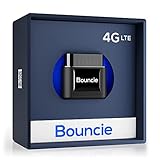
Everyone says you should check under the dash, right? Look for wires, weird boxes. And yeah, sometimes that’s where they are. But these things are getting smaller, smarter, and way easier to hide. I’ve seen them tucked into the OBD-II port, magnetically stuck to the frame (underneath, not obvious), or even integrated into the vehicle’s own electronics in a way that’s practically invisible without specialized tools. So, a visual inspection alone might not cut it.
The biggest misconception is that *all* dealership cars have trackers. That’s just not true. It’s usually tied to specific financing scenarios. If you pay cash or secure your own loan from your bank, the dealership has zero financial stake beyond the sale itself, so the incentive for them to install a tracker disappears.
Another one: they’re all obvious. Nope. Some are tiny, battery-powered units that just need to be within signal range. The cost to install these isn’t astronomical, and for a dealership moving hundreds of cars, the peace of mind (or leverage) they provide can be worth the investment. I spent about $150 on a set of professional automotive diagnostic tools trying to find a suspected tracker on a car I bought used, only to realize the previous owner had removed it themselves. Talk about a wasted afternoon and a bruised ego.
Diy Checks and What to Look For
So, what can *you* do if you’re wondering ‘do dealership cars have trackers’ on your current ride, or if you’re about to buy one? First, scrutinize your financing contract. Look for clauses about GPS devices, location monitoring, or vehicle recovery systems. If you see anything even remotely like that, get clarification *before* signing. Ask them point-blank: ‘Does this vehicle have a GPS tracking device installed, and if so, why?’ Their answer and how they provide it can tell you a lot.
Physically, you can check common spots. Look under the dash, near the steering column, and around the fuse box. Shine a flashlight up under the vehicle and check the frame rails and wheel wells for anything that looks out of place – a small plastic box, extra wires that don’t seem to go anywhere, or a magnetic mount. You might even hear a faint beeping from some devices if you get close enough, though this is rare with modern, silent units.
A more advanced check involves using a radio frequency (RF) detector. These gadgets can pick up signals from active GPS trackers. You can buy them online for a couple hundred bucks. Sweep your car slowly, especially in those common hiding spots. You might be surprised what you find, or more likely, what you *don’t* find, which is usually a good sign.
This isn’t about being paranoid; it’s about being informed. According to the National Consumer Law Center, some of these devices have been used in ways that may violate consumer protection laws, especially when the consumer isn’t fully aware of their presence or purpose. (See Also: Why Do Flat Trackers Have Slick Rear Tire )
Weighing the Pros and Cons
| Feature/Scenario | Dealership/Lender’s Perspective | Your Perspective | My Verdict |
|---|---|---|---|
| Financing Protection | Recovers vehicle in case of default, reduces risk. | Potential privacy invasion, feels like being watched. | Understandable for high-risk loans, but transparency is key. |
| Stolen Vehicle Recovery | Helps find and recover a stolen car quickly. | Nice to have if it’s *your* car that’s stolen and you want it back. | A valid safety benefit, but rarely the primary driver for dealerships. |
| Data Collection/Marketing | (Rare, but possible) Collects driving habits for marketing or insurance. | Major privacy concern, data misuse potential. | This is the scary stuff. Avoid at all costs if possible. |
| ‘Customer Safety’ Claims | Vague justification for monitoring. | Feels like a pretext to monitor your movements. | Smells like marketing spin. Push back hard if you hear this. |
Your Options If You Find One
So, you’ve done your checks, and you’re pretty sure your car has a dealership tracker. What now? First, don’t panic. If it’s tied to your financing and you’re current on payments, it’s likely just sitting there, dormant, waiting for a payment to be missed. But if it bothers you, you have options.
Your best bet is to contact the dealership or the finance company directly. Explain that you’re uncomfortable with the device and inquire about having it removed. They *should* remove it if you are current on payments and have a good credit history. However, they might try to charge you a removal fee, or they might insist it’s required for the loan. If they insist, you might have to negotiate, refinance with a different lender, or, in extreme cases, consider if the car is worth the hassle. I once had a dealer offer to remove it for a $200 fee, plus an ‘inspection’ of my driving habits. I walked away and bought a different car. Life’s too short to be micromanaged by your car loan.
Some people consider removing it themselves. While tempting, this can void your warranty or even violate your loan agreement, leading to potential legal trouble. It’s generally safer to go through official channels, even if it’s frustrating. Think of it like trying to tamper with a security system at a bank – not advisable.
When to Be Extra Wary
Certain situations should put you on high alert. If you’re buying a car ‘as-is’ from a smaller, independent lot, especially with a buy-here-pay-here arrangement, the chances of a tracker being involved are much higher. These places often operate on thinner margins and rely more heavily on financed deals where they have more control. Also, if you’re buying a car that’s been repossessed and is being resold quickly, it might still have an active or easily reactivated tracker.
Used cars that are priced suspiciously low also warrant a closer look. A dealership isn’t running a charity. If the price seems too good to be true, there’s often a reason, and that reason might involve financing terms that include tracking. The scent of a good deal can sometimes mask the smell of a hidden device.
Honestly, the whole thing feels like a relic of a less transparent era, but the technology is still around. You just have to be diligent.
Do Dealership Cars Have Trackers for New vs. Used Vehicles?
It’s more common on used vehicles, especially those financed through the dealership or a third-party lender with specific terms. New cars bought with traditional bank financing are less likely to have them installed by the dealership, but it’s not impossible if the manufacturer has specific programs or if the dealership adds them as an optional accessory. (See Also: Is Th Vivofit 3 Have Timers And Trackers On It )
Can a Dealership Put a Tracker on a Car I Own Outright?
Generally, no. Once you own a vehicle outright, especially if you paid cash or have a clear title, a dealership has no legal right to install tracking devices on it. Their interest in the vehicle ends with the sale. If they try, that’s a serious red flag and potentially illegal.
What If I Have a Tracker and I’m Behind on Payments?
If you’re behind on payments and your car has a financing tracker, the dealership or lender will likely use it to locate the vehicle for repossession. This is precisely the scenario these devices are designed for. Your best course of action is to contact them immediately to arrange a payment plan or discuss your options before they initiate repossession.
How Can I Check If My Car Has a Tracker Without a Special Tool?
You can perform a visual inspection under the dashboard, around the fuse box, and under the vehicle near the frame and wheel wells for any unusual boxes or wires. Listen carefully for faint beeping sounds. However, many modern trackers are small and silent, making this method unreliable for definitive confirmation.
Conclusion
So, to circle back to the big question: do dealership cars have trackers? Yes, they absolutely can, and sometimes they do. It’s usually tied to financing, a way for lenders to protect their investment. But the specifics matter. Always read your contracts, and don’t be afraid to ask pointed questions before you sign anything.
A quick physical check of the common hiding spots is a smart move, but don’t bet your life savings on it. If you’re still worried after buying, have a conversation with the finance company. They should be able to clarify if a device is present and why.
Ultimately, being informed and a little bit skeptical is your best defense. It’s your car, your money, and your privacy. Don’t let anyone chip away at it without you knowing exactly what’s going on.
Recommended Products