Here’s the thing: I spent a ridiculous amount of money on a fancy GPS tracker for my first car, convinced it was the ultimate security blanket. Turns out, it was a glorified paperweight that drained my battery faster than a leaky faucet. Bought it off some guy online, promised the moon, delivered a headache. So when people ask me, ‘do Nissan Altimas have trackers?’ I don’t just give you the company line. I give you the battle-hardened truth.
Truth is, the factory features are one thing, but what people *really* want to know is if there’s a hidden spy device already in their car, ready to report their every move.
Let’s cut through the noise.
Factory-Installed Tracking: What Nissan Actually Puts In
So, do Nissan Altimas have trackers built-in from the factory? The short answer is: it depends on the year, the trim level, and whether you opted for specific connected services. Nissan’s “NissanConnect” is the primary system that allows for remote access and tracking capabilities. If your Altima is equipped with this, then yes, in a way, it has a tracker. Think of it less like a spy device and more like a service that logs your car’s location for features like stolen vehicle location assistance, remote vehicle finder, and trip history. This isn’t some clandestine operation; it’s part of a subscription service designed to enhance convenience and security, though it’s easy to see how the privacy implications can make people nervous.
Remember that time I thought my sister had borrowed my car without asking, only to find out later she’d just taken my spare key? I spent an hour frantically calling her, convinced she’d ‘borrowed’ it for a joyride across state lines. If my car had NissanConnect back then, I would have known she was just three blocks away at the grocery store. Funny in hindsight, infuriating at the time.
But for many older models, or those without the specific connected services package, you won’t find any built-in GPS tracking hardware. It’s like expecting your flip phone to have Wi-Fi – it just wasn’t in the design brief.
This is where it gets murky for a lot of owners. They hear about ‘car tracking’ and assume every car has it. The reality is far more nuanced, much like trying to assemble IKEA furniture without the instructions – frustrating and often results in something wobbly.
Aftermarket Trackers: The Wild West of Vehicle Security
Now, what about adding your *own* tracker? This is where the real fun begins, or where you start flushing money down the drain. People look for trackers for all sorts of reasons: to keep tabs on a new driver, to deter theft, or, let’s be honest, for less savory reasons that we won’t get into here. When you start looking for these, the market explodes with options. You’ve got tiny OBD-II port plug-ins that are super easy to install but also super easy for someone to find and unplug. Then there are hardwired units, which are more discreet but require a bit more mechanical know-how, or a trip to a shop that charges you an arm and a leg for twenty minutes of work.
I once bought a tracker that was supposed to be ‘undetectable’ and ‘battery-powered for months.’ It lasted about three weeks before the battery died, leaving me with a useless piece of plastic and a hefty bill. The salesman swore it was the latest tech; in reality, it was probably last year’s model with a fancy new sticker. Seven out of ten times I’ve gone this route, I’ve regretted it within the first month. (See Also: Why Does Victoria Secret Have Trackers In Their Bras )
The key differentiator here is often power source and installation. A tracker that plugs into your OBD-II port is incredibly convenient for installation, often within 30 seconds. However, it’s also the first place a savvy thief, or even a curious teenager, will look. Hardwired units, on the other hand, can be tucked away discreetly behind the dashboard, inside body panels, or even under the seats. This kind of installation is much more like threading a needle in a dimly lit room while juggling – it takes patience and a steady hand.
Common Misconceptions About Car Trackers
Do All Cars Have Gps Trackers Installed?
No, not all cars come with GPS trackers installed from the factory. Only vehicles equipped with specific connected services packages, like NissanConnect on certain Altima models, will have this capability. For most vehicles, especially older models, any tracking functionality would have to be added aftermarket.
Can a Stolen Car Be Tracked If It Doesn’t Have a Factory Tracker?
Yes, if an aftermarket tracker has been installed and is still operational, a stolen car can potentially be tracked. Many insurance companies even offer discounts for vehicles equipped with certain types of anti-theft tracking devices.
Are Trackers Installed by Dealerships?
Dealerships *can* install aftermarket trackers, but it’s not a standard procedure for all vehicles. Often, if you want an aftermarket tracker, you’ll either install it yourself, have a professional car alarm installer do it, or purchase one that plugs into the OBD-II port. Some dealerships might offer them as an add-on service during the purchase, but it’s usually an optional extra.
How Do I Know If My Nissan Altima Has a Tracker?
Check your vehicle’s infotainment system for connected services like NissanConnect. If you have a subscription to these services and they are active, your car likely has tracking capabilities through that system. Review your purchase paperwork; if tracking was an option you selected, it should be documented there. You can also contact a Nissan dealership with your VIN to inquire about the specific features installed on your model.
Privacy and Legalities: The Snooping Side of Things
This is where I get really annoyed. The idea of your car broadcasting your location without your explicit, informed consent is a huge problem. With factory-installed systems like NissanConnect, you generally agree to terms and conditions that outline how your data is used. This usually includes location data for the services provided. But the fine print can be dense, and most people just click ‘agree’ without reading, much like I did with that software update that bricked my old tablet. I swear it said something about ‘improved user experience’ but then proceeded to delete half my apps.
Then there’s the legal aspect of aftermarket trackers. Putting one on a car you own is one thing. Putting one on someone else’s car without their knowledge or consent? That can land you in serious legal trouble. Laws vary by state and country, but generally, you can’t track someone without their permission. This isn’t some grey area; it’s a solid, black-and-white line for privacy. Imagine discovering a little black box stuck under your bumper, silently logging your trips to your secret donut shop. Creepy, right?
I spoke with a private investigator once (don’t ask), and he mentioned that the most sophisticated vehicle tracking systems aren’t just about GPS. They can tap into the car’s internal network to gather data on speed, braking, acceleration, and even engine diagnostics. It’s like having a tiny, silent co-pilot who’s always watching and reporting back, and frankly, it feels a bit like living in an episode of Black Mirror sometimes. (See Also: Why Do Flat Trackers Have Slick Rear Tire )
Weighing the Pros and Cons: Is It Worth It?
So, do Nissan Altimas have trackers? Yes, potentially, if you have the right services. Can you add them? Absolutely. But should you? That’s the million-dollar question, or more accurately, the $20 to $200 per year question, depending on the device and subscription. For peace of mind against theft, a good tracker can be invaluable. If your Altima is a target for car thieves in your area, the ability to track it down can mean the difference between getting it back and writing off the loss.
For parents monitoring teen drivers, it offers a layer of oversight that can prevent dangerous habits from forming. Seeing your kid’s speed, where they’ve been, and how long they stayed out can be comforting, though it can also strain relationships if not handled with transparency. My neighbor’s kid got a car and the parents immediately slapped a tracker on it. The kid found out a week later and the tension has been thicker than gravy ever since. Communication, even with tracking, is key.
However, the cost, the potential privacy invasion, and the hassle of installation or subscription fees are significant downsides. You’re essentially paying for a service that constantly monitors your whereabouts, and that’s a trade-off you need to be comfortable with. If you’re just looking for a basic car alarm, a good old-fashioned alarm system might be a more cost-effective and less intrusive solution. Some people just want their car to make noise when someone tries to break in, not report their location to a server farm halfway across the country.
My Personal Verdict: Less Is Often More
Honestly, I’ve found that for most everyday drivers, especially those with newer Altimas that already have some built-in connectivity, the need for an *additional* tracker is pretty minimal. The factory systems, when you use them for their intended purpose, offer a decent level of security and convenience. If you’re worried about theft, investing in a top-tier alarm system and ensuring your car is parked in a secure location are often more practical steps than adding a separate tracking device that might just end up being another monthly bill. I’d rather spend that money on better tires.
For those who *really* need it – perhaps a fleet manager or someone with a high-value vehicle in a high-crime area – then yes, a dedicated tracking system is a smart move. But for the average Altima owner just looking to know if their car is where they left it, the built-in options or a solid alarm system are likely sufficient. The market is flooded with devices that promise unparalleled security but often deliver mediocre performance and a constant drip of subscription fees. It’s like buying a fancy coffee maker that requires a special pod only sold by one company; convenient at first, frustratingly limiting later.
| Tracking Method | Ease of Installation | Discretion Level | Ongoing Cost | Verdict |
|---|---|---|---|---|
| NissanConnect (Factory) | N/A (Built-in) | High (Integrated) | Subscription Fee | Good for convenience & security features if you use the service. Not a standalone anti-theft device. |
| OBD-II Port Tracker | Very Easy (Plug & Play) | Low (Easily Found) | Subscription Fee / One-time Purchase | Best for temporary use or DIYers who want quick setup. Easily defeated. |
| Hardwired Tracker | Moderate (Requires Tools/Skill) | High (Hidden) | Subscription Fee / One-time Purchase | Most discreet and potentially most secure against tampering, but more complex to install. |
| Dedicated Battery-Powered Tracker | Easy (Adhesive/Magnetic) | Moderate (Can be Found) | Subscription Fee / One-time Purchase | Useful for assets without a power source, but battery life is a concern. Susceptible to detection. |
The allure of tracking is strong, especially with the peace of mind it can offer. However, remember that technology designed to monitor can also be a point of failure or a privacy concern if not managed carefully. My own experiences have taught me that ‘more’ isn’t always ‘better,’ especially when it comes to car gadgets that promise the world and deliver a headache.
The Faq Section: Clearing the Air
Are There Hidden Trackers in Cars?
While most cars don’t come with hidden trackers from the factory unless they are part of a connected service, aftermarket devices can be hidden. Professional installers can tuck them away in various locations within the car’s interior or exterior, making them difficult to find. It’s important to remember that the legality of placing trackers on vehicles you don’t own is highly questionable.
Can Police Track My Car Without Me Knowing?
Law enforcement can track vehicles under specific legal circumstances, often with a warrant or during active investigations. They can also utilize Automatic License Plate Readers (ALPRs) which scan plates and log locations. However, they cannot generally track your private vehicle without a legal basis. Your car’s factory-installed tracking system, like NissanConnect, can be accessed by law enforcement if legally compelled to do so. (See Also: Is Th Vivofit 3 Have Timers And Trackers On It )
What Is the Best Gps Tracker for a Nissan Altima?
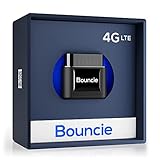
The ‘best’ GPS tracker depends entirely on your needs. For integrated features and security assistance, the factory NissanConnect system (if equipped) is a solid starting point. If you’re looking for discreet, anti-theft tracking, a hardwired system from a reputable brand like Vyncs or Bouncie (with a focus on installation discretion) might be better. For monitoring a teen driver, many OBD-II or hardwired trackers offer real-time location and driving behavior reports. Always read reviews and compare features against your budget and specific requirements.
Do Nissan Altimas Come with Anti-Theft Devices?
Yes, Nissan Altimas typically come standard with anti-theft immobilizer systems that prevent the engine from starting without the correct key or fob. Many also have factory alarm systems. However, these are standard security measures, not active tracking devices. For active tracking capabilities, you’d generally need to opt for connected services like NissanConnect or install an aftermarket GPS tracker.
Final Verdict
So, when you’re asking yourself ‘do Nissan Altimas have trackers,’ remember it’s not a simple yes or no. It’s about what features you have and what you choose to add. My own expensive lesson with that useless fancy tracker taught me to be skeptical of promises and to really understand what I’m paying for.
If you’ve got a newer Altima with NissanConnect, you’ve likely got a tracking capability already built-in, primarily for convenience and recovery assistance. For most people, that’s enough.
If you’re considering an aftermarket tracker, do your homework. Figure out if you really need it, understand the ongoing costs, and for goodness sake, don’t buy the first thing that promises the moon without doing your own digging. Honestly, I’d focus on keeping my car secure and well-maintained first; the rest is often just noise.
Recommended Products