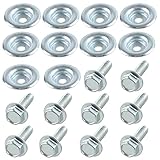
I remember the first time I saw one. A guy in the shop, all hushed tones and knowing nods, talking about this specific size of bolt like it was some kind of mythical beast. A 307 gr b bolt. Sounded like a typo, frankly. I’d been fumbling with hardware for years, buying the wrong thing more often than the right, and this particular nomenclature just seemed designed to confuse the hell out of anyone who wasn’t a trained machinist. Turns out, it’s not as mystical as it sounds, but understanding it can save you a serious headache and a pocketful of wasted cash.
This isn’t about some secret aerospace component. It’s about precision, and sometimes, the simplest things are the most frustrating when you get them wrong. Let’s break down what this seemingly odd designation actually means and why it matters.
Decoding the ‘307 Gr B’ Mystery
Alright, let’s get straight to it. When you see ‘a 307 gr b bolt’, the ‘307 gr’ part is where most people get lost.
It’s not some random number. This is a designation for a specific thread pitch and diameter, derived from a system that, while a bit archaic, is still used in certain manufacturing contexts.
The ‘307’ refers to the nominal diameter, and the ‘gr’ typically indicates a fine thread pitch. The ‘b’ usually signifies a loose tolerance fit. Think of it like a car’s VIN number – it tells you exactly what the thing is without needing a visual. It’s a shorthand that professionals rely on, and frankly, it’s a pain when you’re just trying to fix a wobbly chair or build a custom shelf.
I once spent nearly three hours at a hardware store, holding up bolts and muttering about thread counts, before a grizzled employee finally pointed me towards the actual industrial fastener aisle, where this specific bolt lived. He just grunted, ‘That’s for the old milling machines, son. Not your average DIY stuff.’
The common advice you’ll find online is often about standard metric or imperial threads. That’s fine for 90% of what you’ll do. But for those niche applications, or when dealing with older equipment, understanding these less common designations is key.
It’s like knowing the difference between a Philips head and a Pozidriv screw – they look similar, but using the wrong one can strip the head and ruin your day. The ‘gr’ in this context usually points to a metric fine thread, common in machinery where vibration can loosen standard threads quickly. The ‘b’ tolerance class means it’s not designed for extremely tight fits, allowing for a bit of play, which can be advantageous in certain assemblies where expansion or slight misalignment is expected. It’s a balance between security and practicality in its intended use.
Thread Pitch and Diameter Explained
The ‘307’ in ‘a 307 gr b bolt’ refers to the nominal diameter of the bolt, measured in millimeters. This is the largest diameter of the screw thread. The ‘gr’ part is more nuanced and often implies a specific thread series or pitch.
In many industrial contexts, ‘gr’ can indicate a special thread form or a very fine pitch. A fine thread pitch means there are more threads per inch (or fewer millimeters per thread) compared to a standard or coarse thread of the same diameter. This finer pitch offers greater strength and is less likely to loosen under vibration, which is why you find it in machinery. The ‘b’ signifies a tolerance class, indicating the allowable variation in the thread dimensions.
A ‘b’ tolerance generally means it’s a loose fit, which can be beneficial in applications where thermal expansion or minor misalignments are common. It’s not something you’ll find next to the drywall screws; this is specialized hardware.
Why Standard Threads Aren’t Always Enough
I learned this the hard way trying to repair an old piece of industrial equipment I picked up for a song. It was some kind of vintage metalworking tool, heavy-duty and built like a tank. One of the mounting bolts was sheared off, and I figured, ‘Easy fix, just grab a bolt from the local hardware store.’
I walked in with the broken piece, measured the diameter and what I thought was the thread pitch, and came back with a handful of candidates. None of them fit. Not even close. It was frustrating, bordering on infuriating. (See Also: Are All Honda Atv Bolt Patterns The Same )
After a week of searching and consulting with a guy who used to rebuild industrial lathes, I finally learned about these less common designations. The equipment was designed using a metric fine thread with specific tolerances, something that isn’t commonly stocked in your average big-box store.
The ‘a 307 gr b bolt’ I eventually found was a revelation. It wasn’t just about having a bolt that screwed in; it was about having one that fit precisely, without wobbling or binding.
The common advice to just ‘measure the diameter and thread count’ often falls short when you’re dealing with non-standard threads. This is where the real frustration sets in for DIYers and hobbyists. You might have a bolt that looks like it fits, but if the pitch is even slightly off, it won’t engage properly, or worse, it could cross-thread and damage the receiving hole.
This is especially true for older machinery or specialized equipment where manufacturers used specific thread standards that have since become less prevalent. The idea of a ‘universal’ bolt is a myth when you get into the nitty-gritty. Think about it: why would engineers specify a particular thread if a standard one would do the job just as well?
There’s a reason for these specific designations, even if they sound bizarre to the uninitiated. It’s about reliability, durability, and making sure the equipment functions as intended, especially under stress or vibration.
The Danger of Mismatched Threads
Using the wrong bolt can lead to more than just a loose connection. Cross-threading, where the threads of the bolt don’t align perfectly with the threads of the nut or hole, can damage both sets of threads. This can make it impossible to tighten the bolt properly, or it might appear to be tight but is actually held in by just a few damaged threads, posing a safety risk. I once saw a shelf collapse because someone used the wrong hardware – thankfully, nothing valuable was on it, but it was a stark reminder. For applications involving vibration or significant load, like in automotive or machinery repair, a correct thread fit is most important for safety and longevity.
Where Do You Even Find ‘a 307 Gr B Bolt’?
Okay, so you’ve figured out you need this specific bolt, and your local Home Depot or Lowe’s just doesn’t carry it. Where do you go?
Your best bet is going to be specialized industrial hardware suppliers or online retailers that cater to machinists, industrial maintenance, and older equipment restoration. These places understand the language of specific thread designations like ‘a 307 gr b bolt’ and have the inventory to match. I found my solution through a company that focuses on fasteners for vintage industrial machinery.
They had a catalog that looked like a phone book from the 1980s, but buried within it was exactly what I needed. It wasn’t cheap, mind you. I ended up paying about $15 for a single bolt, which felt insane at the time.
But compared to the cost of potentially damaging the equipment further or fabricating a custom solution, it was the cheaper route.
The people who work at these specialized suppliers are often a goldmine of information. They’re not just selling you a piece of metal; they understand its application.
Don’t be afraid to call them, describe your project, and ask for their advice. They’ve likely encountered your exact problem before. (See Also: Are Ak Bolts Interchangeable )
I’ve also found success by looking for online forums dedicated to the specific type of equipment you’re working with. Other enthusiasts or professionals often share where they source hard-to-find parts.
Remember, this isn’t like buying a common screw; it requires a bit more detective work. You might need to provide more information than just the ‘a 307 gr b bolt’ designation. Knowing the material of the bolt (steel, stainless steel, brass), any coatings, and the required length will also be helpful when you’re placing an order.
Sourcing Specific Fasteners: A Quick Guide
When hunting for less common fasteners like this, here’s a rough breakdown of where to look and what to expect:
| Supplier Type | Pros | Cons | Verdict |
|---|---|---|---|
| Industrial Hardware Suppliers (Online & Brick-and-Mortar) | Extensive inventory, knowledgeable staff, understand specific designations. | Can be more expensive, minimum order quantities sometimes apply. | Often your best bet for specific industrial bolts. |
| Specialized Online Fastener Retailers | Wide selection, competitive pricing, convenient shipping. | Less personal interaction, can be harder to get nuanced advice. | Great for price-conscious shoppers who know exactly what they need. |
| Antique/Vintage Equipment Parts Dealers | May have original or direct replacement parts. | Inventory is often limited and can be pricey. | Good if you need a perfectly matched original part. |
| General Hardware Stores | Convenient for common items, readily available. | Limited selection of specialized fasteners, staff may not be familiar with niche designations. | Unlikely to have this specific bolt. |
Common Mistakes When Dealing with Specialized Bolts
The biggest mistake I see people make is assuming a ‘close enough’ bolt will work. It’s the same trap I fell into. You’ve got a bolt that screws in, maybe it even tightens up.
But if it’s not the correct thread pitch or tolerance, you’re setting yourself up for failure. This could mean premature wear, vibration-induced loosening, or even catastrophic failure if the load is significant. I once tried to repair a vintage motorcycle with what I thought was the correct size bolt, only to have it vibrate loose on the first ride, nearly causing an accident. The cost of that single mistake – a tow truck and a few hours of my time – far outweighed the price of finding the actual correct bolt from a specialized supplier.
It’s a lesson in precision that hardware stores just don’t teach you.
Another common error is not understanding the material and grade of the bolt. Even if you find ‘a 307 gr b bolt’, is it made of mild steel, hardened alloy steel, or stainless? The grade indicates its tensile strength. Using a low-grade bolt in a high-stress application is just asking for trouble. Always consider the environment too. If the bolt is going to be exposed to moisture or corrosive elements, you’ll need stainless steel or a bolt with appropriate protective coatings. Forgetting these details is like building a house on sand. You might get it standing, but it won’t last.
The Myth of ‘good Enough’ Hardware
It’s tempting to think that if a bolt screws in and feels tight, it’s fine. This is a dangerous assumption for several reasons:
- Thread Engagement: Even if it threads in, a mismatch in pitch can mean fewer threads are properly engaged, drastically reducing the bolt’s holding power.
- Stress Concentration: Incorrect threads can create stress risers, making the bolt more prone to fatigue and fracture under load.
- Vibration Issues: For applications with vibration, like engines or machinery, the wrong thread pitch can allow the bolt to loosen over time, leading to failure.
- Damage to Components: Forcing an incorrect bolt can damage the threads in the mating part, making future repairs more complicated and expensive.
Practical Tips for Using and Identifying Specialized Bolts
So, you’ve identified that you need something like ‘a 307 gr b bolt’. What now? First, always try to get the original part number or a clear sample of the bolt you need. If you can’t get a sample, take high-resolution photos from multiple angles. Measure the diameter accurately, and if possible, try to measure the thread pitch. A thread gauge is a handy tool for this. If you’re dealing with older equipment, check the manufacturer’s documentation if it’s available. Sometimes, you can find old service manuals online or in hobbyist communities that list specific fastener types.
When you’re talking to a supplier, be specific. Don’t just say ‘I need a bolt.’ Give them the designation if you have it, the diameter, the length, the thread pitch (if known), the material, and the grade. The more information you can provide, the better they can help you.
I learned to keep a small notebook in my toolbox specifically for listing out hardware sizes for my projects. It’s saved me countless trips back to the store. Also, if you’re doing a repair on something old, consider if it’s worth upgrading the fastener if a better, more readily available option exists that meets or exceeds the original specifications.
Sometimes, a slightly different, but superior, modern fastener can be a better choice than hunting for an obsolete original. (See Also: Are All Bolt Patterns The Same )
A Personal Anecdote: The Lost Nut
I was working on a classic car, trying to reassemble a piece of trim. It had some weird little machine screws holding it in place, and one of the nuts had vanished into the ether.
I spent an embarrassing amount of time trying to find a replacement. Standard nuts were too loose, too tight, or just wouldn’t thread on properly.
It turns out the original was a metric fine thread with a very specific flange. I finally found a specialized online retailer that sold them individually. The lesson? Don’t underestimate the importance of the right nut for the right bolt, especially when dealing with less common sizes.
It’s not just about the bolt itself; the mating hardware matters just as much for a secure fit.
The Faq: Your Burning Questions About ‘a 307 Gr B Bolt’
What Does ‘gr’ Mean in Bolt Designations?
In the context of ‘a 307 gr b bolt’, the ‘gr’ most commonly indicates a specific thread form or a fine thread pitch. It’s a shorthand used in certain industrial or manufacturing contexts to denote a thread that is finer than a standard or coarse thread of the same diameter. This finer pitch is often used in machinery to resist loosening due to vibration.
Is ‘a 307 Gr B Bolt’ a Metric or Imperial Size?
The designation ‘a 307 gr b bolt’ is typically metric. The ‘307’ refers to the nominal diameter in millimeters. While the specific ‘gr’ designation might vary slightly in interpretation depending on the exact standard or manufacturer, it points towards a metric fine thread system rather than imperial measurements.
Can I Use a Standard Bolt If I Can’t Find ‘a 307 Gr B Bolt’?
While a standard bolt might thread into the hole, it’s generally not recommended to use a standard bolt if the application specifically calls for ‘a 307 gr b bolt’. The fine thread pitch and specific tolerance (‘b’) are designed for a particular fit and function, often related to vibration resistance or precise assembly. Using a standard bolt could lead to a less secure connection, potential thread damage, or equipment malfunction.
Where Can I Buy ‘a 307 Gr B Bolt’?
You are unlikely to find ‘a 307 gr b bolt’ at general hardware stores. Your best sources are specialized industrial hardware suppliers, online retailers focusing on industrial fasteners, or companies that supply parts for vintage machinery. These vendors understand and stock less common thread designations.
What Does the ‘b’ Mean in ‘a 307 Gr B Bolt’?
The ‘b’ in a bolt designation typically refers to a tolerance class. In many systems, a ‘b’ tolerance indicates a loose-fitting thread. This means there is a larger allowable variation in the thread dimensions, which can be advantageous in applications where thermal expansion, slight misalignment, or ease of assembly are considerations. It’s a specific fit characteristic dictated by the engineering requirements.
Final Thoughts
So there you have it. ‘a 307 gr b bolt’ isn’t some arcane secret, but it’s definitely not something you’ll find in every toolbox. It’s a signal that you’re dealing with more specialized requirements, usually found in older machinery or specific industrial applications. Don’t get caught trying to force the wrong thing; take the time to identify exactly what you need and where to get it.
My advice? If you’re working with equipment that uses these kinds of specific fasteners, invest in a good thread gauge and keep notes. It’ll save you time, money, and a whole lot of frustration down the line. And remember, sometimes the most obscure parts are the ones that keep the whole damn thing running.