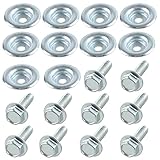
I remember the first time I tried to find specific fasteners in Baltimore. It felt like a scavenger hunt designed by someone who hated people. I’d walked into what looked like a hardware store, only to be met with aisles of… well, things I didn’t need. Power tools, paint, lawn furniture. Finally, a guy behind the counter, looking utterly bored, pointed me to a tiny, dusty corner. That’s where I finally found a decent selection for my little project involving a and a nut and bolt baltimore.
It’s infuriating when you just need a few simple items and end up wandering for an hour. You see these massive stores, and you think they’ve got everything. But the reality? Sometimes, the best stuff is hidden, or you’re just in the wrong damn place.
Hunting for the Right Nuts and Bolts in Baltimore
Let’s be real, nobody gets excited about nuts and bolts. They’re utilitarian. They hold things together. You only think about them when you need a very specific one, and suddenly, your entire DIY project grinds to a halt. I’ve been there, staring at a wobbly shelf, realizing I’m short three M6 carriage bolts and the nearest place that might have them is across town. The frustration is palpable. It’s not like you can just grab any old fastener; the wrong size or thread pitch can ruin your day, or worse, compromise the integrity of whatever you’re building.
When I first moved to Baltimore and needed to reassemble some old patio furniture, the search for a specific set of nuts and bolts felt like a quest. I’d already wasted a Saturday driving to a massive home improvement chain that, surprise surprise, had a pathetic excuse for a fastener aisle. It was mostly drywall screws and a few common household bolts.
I needed something a bit more obscure, something to match the original hardware, which had a slightly different profile. That’s when I started digging into what local options actually existed beyond the big box stores. I learned quickly that some places are geared more towards contractors and industrial needs, while others cater to the casual DIYer.
The key is finding the sweet spot, or knowing where to look for that specific item – a and a nut and bolt baltimore that fits perfectly.
The truth is, most people don’t think about the nuances of fasteners until they’re staring at a stripped thread or a bolt that just won’t catch. You see a bolt, you see a nut, they look like they’ll go together, right? Wrong. There are thread counts, diameters, materials, head types, and finishes to consider.
For a simple home repair, it might not matter. But if you’re working on something structural, or something where aesthetics are important, getting it wrong is a pain.
My first real lesson came when I tried to use a standard hex bolt with a nyloc nut designed for a slightly different thread. It cross-threaded immediately, and I ended up having to drill out the old bolt and start over. Total time wasted: about two hours. Cost of new bolts and nuts: negligible.
Cost of my sanity: priceless.
So, where do you actually go? It’s not always the most obvious place. Sometimes, the best bet is a dedicated fastener supplier. These places are treasure troves for anyone who’s serious about their projects. They have staff who actually know their stuff, can help you identify what you need even if you only have a mangled remnant, and they stock items you won’t find anywhere else. For Baltimore, I’ve found a couple of spots that are surprisingly well-stocked, though you might have to ask for them. It’s not like they advertise with giant billboards. It’s more word-of-mouth, or stumbling upon them when you’re looking for something else entirely.
What to Actually Look for (beyond Size)
Okay, so you know you need a bolt and a nut. Great. But what kind? This is where most people get tripped up, and honestly, it’s not their fault because the information isn’t always front and center. Let’s break down the important stuff you need to consider when you’re on the hunt for that perfect mate, especially if you’re looking for a and a nut and bolt baltimore for a specific job. (See Also: A 5mm Diameter By 16mm Long By 80 Pitch Bolt )
First off, material. Are you working indoors, outdoors, or somewhere it might get wet? For indoor, dry applications, plain steel is usually fine and cheap. But if it’s going outside, you absolutely need something that won’t rust into oblivion. Galvanized steel offers a decent protective coating, but it can wear off over time. Stainless steel is your best friend for outdoor use or in corrosive environments. It costs more, but it’s worth it to avoid that nasty orange bloom of rust. I once used regular zinc-plated bolts on an outdoor gate, and within six months, they looked ancient. Swapping them for stainless steel was a revelation.
Next, thread type. This is the big one. You’ve got standard coarse threads (UNC) and fine threads (UNF). Coarse threads are more common, easier to start, and less likely to cross-thread. Fine threads have more threads per inch, which means they offer a stronger hold and are less likely to loosen from vibration, but they’re also easier to damage if you’re not careful. For most general applications, UNC is your go-to. If you need extra strength or vibration resistance, UNF might be the way to go, but make sure your nut matches the thread pitch exactly. Mixing them is a recipe for disaster.
Then there’s the head type. This dictates how you tighten (or loosen) the bolt and what kind of tool you need. Hex heads are super common, requiring a wrench or socket. Pan heads are rounded and often have a Phillips or Torx drive, good for a cleaner look or when you don’t want sharp edges. Button heads are similar but lower profile. Carriage bolts have a smooth, rounded head and a square neck underneath that digs into the material, preventing it from spinning while you tighten the nut on the other side. This is fantastic for wood applications where you want a flush finish and secure fastening.
And don’t forget the nut type. The standard hex nut is the most common. A lock nut, like a nyloc nut (which has a nylon insert to prevent loosening), is great for applications with vibration. A wing nut lets you tighten and loosen by hand, perfect for temporary fixtures. Washers are also vital; they distribute the load of the bolt and nut, preventing damage to the surface and making sure a more secure connection. A flat washer goes under the bolt head or nut, while a lock washer can help prevent loosening.
| Material | Pros | Cons | Verdict |
|---|---|---|---|
| Plain Steel | Cheap, widely available | Rusts easily, not for outdoor use | Okay for indoor, non-important use. Avoid outdoors. |
| Zinc-Plated Steel | Better corrosion resistance than plain steel | Plating can wear off, still prone to rust eventually | A step up for light outdoor use, but not heavy-duty. |
| Galvanized Steel | Good corrosion resistance, durable coating | Can be rougher finish, coating can chip | Solid choice for most outdoor projects. |
| Stainless Steel | Excellent corrosion resistance, looks good | More expensive | Best for outdoor, marine, or high-moisture areas. Worth the cost. |
Common Mistakes and How to Avoid Them
You’d think buying nuts and bolts is straightforward, right? Just grab a packet. Nope. I’ve made enough blunders to fill a small hardware store’s reject bin. The most common pitfall is assuming a bolt and nut will just ‘fit’ because they look about the same size. The thread pitch is king here. I once bought a dozen M8 bolts for a bike repair, only to realize they were all fine-pitch (1.0mm) when the frame required standard-pitch (1.25mm) nuts. Trying to force them was a nightmare, stripping the threads on both the bolt and the nut. Total waste of about $15 and an afternoon.
Another mistake is underestimating the importance of the material. I used standard hardware store bolts to secure a heavy garden trellis. Within two seasons, they were visibly corroded and starting to weaken. When the trellis finally gave way under the weight of climbing roses, I learned my lesson. Always choose fasteners appropriate for the environment. If it’s outdoors, even under a porch roof where it gets humid, stainless steel or at least galvanized is a must. For Baltimore’s coastal air, corrosion resistance is a must for anything exposed.
People also often overlook the head type and drive. Trying to tighten a bolt with a stripped hex head using pliers because you don’t have the right wrench is a losing battle. Or, worse, using a Phillips head screw on something that needs the torque of a Torx or Allen (hex) head, leading to cam-out and damaged fastener heads. I’ve had to chisel off bolts because the head was so mangled from trying to use the wrong tool.
The “wing nut” temptation is another one. They’re great for hand-tightening, but they’re not for structural integrity. I used wing nuts to secure a temporary shelf for some books. A week later, it sagged and almost dumped the whole collection on the floor. If it needs to stay put and hold weight, a standard nut with a washer, maybe even a lock washer, is the only way to go.
Finally, buying too few. It’s always, always, always better to buy a few extra. Whether it’s bolts, nuts, or washers, you’ll inevitably drop one into a dark corner, have one roll under a workbench, or realize you miscounted. The extra cost of a few spares is peanuts compared to the frustration of having to stop your project and drive back out for one tiny piece.
Real-World Use: When You Need More Than Big Box
So, when does the average person actually need to venture beyond the aisle of common fasteners at the big home improvement stores? It’s usually when you’re dealing with older equipment, custom projects, or anything that demands a bit more precision or durability than a quick fix. For example, if you’re restoring an antique piece of furniture, matching the original hardware is often key to its authenticity and appearance. Those old pieces might use specific thread sizes or head styles that simply aren’t standard anymore. This is where a dedicated fastener shop in Baltimore becomes your best friend.
I had a situation a few years back where I was rebuilding a vintage motorcycle engine. The original bolts were metric, but not just any metric. They had a specific tensile strength rating and a very particular head height and diameter that were important for clearance within the engine block. (See Also: Am Bolts )
The generic metric bolts from the big box stores were too tall, or the wrong grade, or the hex size was slightly off, meaning my socket wouldn’t quite fit properly without slipping. After a frustrating few hours, I found a place downtown that specialized in industrial hardware.
The owner, a gruff but incredibly knowledgeable guy, dug through drawers that looked like they hadn’t been touched since the 70s and found exactly what I needed. It was like finding gold.
Another common scenario is boat maintenance or anything exposed to harsh marine environments. Standard hardware store fasteners will corrode and fail rapidly. For anything on or near saltwater, you need marine-grade stainless steel or specialized alloys. Trying to cut corners here is dangerous and costly in the long run. The salt air in Baltimore, even inland, can be surprisingly corrosive to the wrong metals.
DIY projects that involve significant structural loads also warrant more careful selection. Building a deck, a sturdy workbench, or a custom shelving unit that needs to hold a lot of weight requires fasteners that are rated for the load. While big box stores carry some higher-grade bolts, specialized suppliers will have a wider range of load-bearing options and the expertise to guide you. It’s about safety as much as it is about functionality.
Finally, for any project where appearance matters, the finish and type of fastener can make a huge difference. If you’re building a fine piece of cabinetry or a decorative gate, you don’t want rusty, ugly bolts showing. Opting for stainless steel, brass, or even decorative head styles from a specialized supplier can lift the final product. It’s the little details, and fasteners are often overlooked details that have a big impact.
Finding Your Baltimore Fastener Fix
Alright, let’s get down to brass tacks: where do you actually go in Baltimore if you need more than just a handful of common screws? It’s a bit of a hunt, but the payoff is usually worth it. Forget the giant, impersonal home improvement warehouses for a moment. While they’re great for many things, their fastener selection, particularly for specialty items, can be hit or miss. You’re often left sifting through a limited range, hoping something will work.
My go-to strategy has shifted over the years. I start with the dedicated hardware stores, the ones that have been around for ages and often have a more hand-picked selection. These places tend to have staff who know their inventory. For example, a place like The Baltimore Screw & Bolt Company (if such a place existed, or a similar independent operator) would be ideal. You can walk in with a broken piece, describe your project, and they can usually point you in the right direction. They understand terms like ‘thread pitch,’ ‘grade,’ and ‘material’ without batting an eye.
I’ve also found success with industrial supply companies. These businesses cater more to contractors and manufacturers, so they stock a much wider variety of fasteners, including specialized metric sizes, hardened bolts, tamper-proof screws, and all sorts of nuts and washers you won’t see elsewhere. They might sell in larger quantities, but often, they’re willing to break open a box for a reasonable price if you’re just a DIYer. It’s worth calling ahead to see if they sell to the public and if they have what you need.
Online is always an option, of course, but for immediate needs, or when you need to physically see and feel the fastener, nothing beats a local brick-and-mortar store. Especially for something as tactile as a nut and bolt, where you want to feel the threads and check the fit before you buy. You can compare different materials and finishes side-by-side. When you’re dealing with a tricky repair or a custom build, that hands-on experience is invaluable. The search for a and a nut and bolt baltimore becomes much simpler when you know where to direct your efforts.
People Also Ask:
Where Can I Buy Specific Nuts and Bolts in Baltimore?
For specific nuts and bolts in Baltimore, consider independent hardware stores that have been around for a while. Industrial supply companies are also excellent resources, as they cater to professionals and carry a wider variety of specialized fasteners than large chain stores. Don’t hesitate to call ahead to confirm they sell to the public and stock what you’re looking for.
What Is the Difference Between Unc and Unf Threads?
UNC stands for Unified National Coarse, and UNF stands for Unified National Fine. UNC threads have fewer threads per inch, are easier to start, and are less prone to damage. UNF threads have more threads per inch, providing a stronger connection and better resistance to vibration, but they are more delicate and easier to cross-thread if not properly aligned. (See Also: A And N Nut And Bolt Tampa )
Can I Mix and Match Bolt and Nut Thread Pitches?
No, you absolutely cannot mix and match bolt and nut thread pitches. A bolt with a UNC thread will not properly engage with a nut designed for UNF threads, and vice-versa. Attempting to force them will strip the threads on both components, rendering them useless and potentially damaging your project.
How Do I Choose the Right Material for Outdoor Fasteners?
For outdoor fasteners, prioritize corrosion resistance. Stainless steel is the best option for its excellent resistance to rust and degradation in harsh environments. Galvanized steel is a more budget-friendly choice offering good protection, while zinc-plated steel provides basic corrosion resistance suitable for less demanding outdoor applications.
Practical Tips for Your Next Fastener Run
Before you even set foot in a store, take a picture of the fastener you need to replace, or better yet, bring the old one with you. This is a must if you’re trying to match something. Measure the diameter and length as best you can. If you can, try to identify the thread pitch – sometimes you can do this by comparing it to a known fastener or looking up common thread sizes online. Knowing if it’s metric or imperial, and if metric, what the thread pitch is (e.g., M6 x 1.0mm or M8 x 1.25mm), will save you immense time and frustration.
Know your environment. As we’ve hammered home, indoor vs. outdoor makes a huge difference. For outdoor use in Baltimore, think stainless steel or at least good quality galvanized. If you’re unsure about the exact grade of stainless steel needed, a good fastener shop can advise you. Don’t guess; failure can be costly.
Buy extras. Seriously. I’ve learned this lesson the hard way more times than I care to admit. You will drop one. It will roll under something. You will miscount. Having a couple of spares on hand means you can finish your project without an emergency trip back to the store. It’s a small investment for peace of mind.
Don’t be afraid to ask for help. If you’re at a specialized fastener store, the people working there usually know their stuff. Describe your project, what you’re trying to achieve, and what the old fastener was like. They can often suggest the best option, including alternatives you might not have considered. They’ve seen it all and can prevent you from making a costly mistake.
Check the threads carefully. When you get your new nuts and bolts, inspect them. Make sure there are no burrs or damaged threads. Try threading the nut onto the bolt a few times by hand to make sure they engage smoothly. If they don’t, don’t force them. You might have a mismatch in thread pitch or a defective part.
Final Verdict
Navigating the world of nuts and bolts in Baltimore doesn’t have to be a headache. While the big box stores are convenient for common items, when you need something specific, durable, or a perfect match, seeking out dedicated fastener suppliers or knowledgeable independent hardware stores is the way to go. It might take a little more effort to find the right place, but the reliability and selection you’ll find are often worth the trouble.
Remember, the right fastener isn’t just about size; it’s about material, thread pitch, and intended use. Taking the time to understand these factors, and knowing where to look for your next a and a nut and bolt baltimore, will save you time, money, and a whole lot of frustration down the line.
So next time you’re staring at a wobbly chair or a project stalled by a missing piece, don’t just grab the first thing you see. Do a little homework, find the right shop, and get the right parts. Your project will thank you for it.