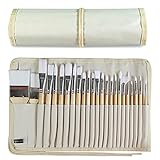
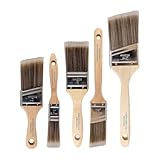
I remember staring at a wall of paint brushes in the art store, overwhelmed. The Artist’s Loft brand, with its bright packaging and budget-friendly price tag, seemed like a no-brainer for a broke art student. My initial thought was, ‘How bad could they really be?’ Spoiler alert: pretty bad, if you’re looking for anything beyond basic kid’s crafts. So, let’s talk honestly about whether are Artist Loft artist paint brushes bad quality.
I’ve spent years wrestling with cheap art supplies, trying to coax decent results out of tools that just weren’t built for the job. It’s a journey of trial and error, mostly error, that I’m happy to share.
This isn’t about trashing a brand; it’s about saving you some cash and a whole lot of frustration.
Why I Swapped My Artist’s Loft Brushes for Something Better
Look, when you’re just starting out, or maybe you’re painting with kids and don’t want to break the bank, cheap brushes can seem like the only option. Artist’s Loft brushes are everywhere, usually found in those big craft store chains, and they’re always marked down. I bought a giant set of them back in the day, thinking I was getting a deal. I wanted to paint these little watercolor landscapes, you know, the kind you see on Pinterest? I figured a bunch of brushes meant I’d have every shape and size I’d ever need.
The reality hit me pretty fast. The bristles on those synthetic brushes were… well, they were more like stiff plastic straws. They didn’t hold any water, and when I tried to make a fine line, it came out fuzzy and uneven. Every stroke felt like I was dragging a tiny broom across the paper. For anything needing detail or a smooth blend, they were a complete disaster. I remember trying to do a simple wash, and the pigment just wouldn’t spread evenly; it left these splotchy, streaky marks that looked amateurish, even for a beginner. It felt like the paint was actively fighting the brush.
Then there were the ferrule issues. That’s the metal part that holds the bristles to the handle. On some of them, the ferrule wasn’t crimped properly, and the bristles started falling out after the first use. Little clumps of synthetic hair would end up in my paint water and, inevitably, all over my artwork. It was maddening. I spent more time picking hairs off my canvas than actually painting. It made me question if are Artist Loft artist paint brushes bad quality, or if I was just doing something fundamentally wrong. Turns out, it was the tools.
The handles themselves often felt cheap, with a thin coating that started to chip away after a few washes. It’s a small thing, but it adds to the overall feeling of disposable quality. You’re basically buying something that’s designed to be replaced quickly. It’s a shame because good brushes can last for years if you take care of them. These Artist’s Loft brushes made me think that maybe all brushes were like this. Thankfully, that was a very wrong assumption.
The Bristle Breakdown: What Makes a Brush Actually Work
This is where the rubber meets the road, or rather, where the bristles meet the canvas. The material and the way the bristles are prepared are everything. For Artist’s Loft brushes, you’re typically looking at synthetic bristles. Now, not all synthetics are created equal, but the ones Artist’s Loft uses are usually on the cheaper end of the spectrum. They tend to be too stiff, too uniform, and lack the natural taper that allows for a variety of strokes and excellent paint retention.
Think about hair. Human hair has natural variations in thickness and a slightly wavy texture. This allows it to hold shampoo and water effectively. Good quality synthetic brushes mimic this. They are engineered with microscopic scales and filaments that trap paint and water, releasing them smoothly and controllably. The cheaper synthetics, like those often found in Artist’s Loft sets, are more like plastic filaments. They don’t have that natural spring or the ability to hold a good amount of paint without becoming overloaded or completely dry. This is a huge reason why are Artist Loft artist paint brushes bad quality for serious work.
When you’re looking for decent brushes, you’ll see terms like ‘flagging’ or ‘soft tips.’ Flagging refers to the tiny split ends on the bristles of natural hair brushes (like sable or hog bristle) and sometimes on high-quality synthetics. This splitting increases the surface area, allowing the brush to hold more paint and water. Cheap synthetics lack this important feature. They’re often just cut straight, leading to that scratchy, uneven application I experienced. (See Also: Can Acrylic Paint Go In An Air Brush )
Natural fibers, like sable or hog bristle, have their own unique properties. Sable is prized for its incredible softness, spring, and ability to hold a sharp point, making it ideal for delicate detail work and watercolor. Hog bristle, on the other hand, is stiffer and coarser, perfect for thick paints like oils and acrylics where you want to create texture and visible brushstrokes. Artist’s Loft might offer some brushes labeled ‘natural’ but, again, the quality is usually suspect. The hairs might be uneven, brittle, or not properly cleaned, leading to shedding and poor performance.
Understanding the bristle type is half the battle. It explains why a cheap synthetic brush can’t do what a mid-range sable or a decent synthetic can. It’s not magic; it’s material science and craftsmanship. The difference between a brush that glides and one that drags is often just in the quality of the hair.
My Personal Brush Blunders and What I Learned
I’ll never forget the time I was trying to paint a portrait for a friend’s birthday. I’d been saving up, and I finally splurged on a ‘student grade’ oil paint set and a new pack of brushes. I grabbed another Artist’s Loft set because, hey, they were affordable and there were SO many in the pack. I figured I’d just use the smaller rounds for the details.
I was working on the eyes, trying to get that delicate highlight, and the brush just wasn’t cooperating. The bristles fanned out like a sad little dandelion puff. Every attempt to create a sharp, clean highlight ended up looking like a blurry smudge. I was getting so frustrated, I actually started pressing harder, trying to force the bristles into submission. That’s when the ferrule decided it had had enough. It wobbled, then a few bristles detached themselves and floated into the wet oil paint. I watched in horror as a tiny clump of synthetic hair became a permanent, unintended feature of my friend’s eye.
It was a disaster. The painting was salvageable, but the eyes were never quite what I envisioned. That incident was a wake-up call. I realized I was spending more time fighting my tools than focusing on my art. The money I ‘saved’ on brushes was costing me time, frustration, and potentially ruined artwork. It taught me a valuable lesson: sometimes, paying a little more upfront for decent quality saves you a lot in the long run. It made me seriously question if are Artist Loft artist paint brushes bad quality, or if I was just a terrible painter using terrible tools.
This is why I tell people to invest in at least a few good brushes rather than a giant, cheap set. You don’t need fifty brushes that barely work. You need five or ten that do their job beautifully. It’s about quality over quantity, always. I ended up buying a couple of decent synthetic rounds from a brand like Princeton or Silver Brush, and the difference was night and day. The paint flowed, the lines were sharp, and I could actually get that delicate highlight I was aiming for. The frustration melted away, replaced by the joy of painting.
The Common Advice That’s Just Plain Wrong
Here’s something that grinds my gears: the idea that you need to start with the cheapest possible supplies and ‘upgrade later.’ For some things, sure, maybe. But for art brushes, I think that advice is often misleading, especially when it comes to brands like Artist’s Loft. Telling a complete beginner to load up on cheap brushes sets them up for failure and, frankly, can kill their enthusiasm for art before it even has a chance to bloom.
Everyone says, ‘Oh, just get the big set, it’s a great value!’ I disagree. It’s a great value if you’re just smearing paint around for fun, but if you have any intention of learning techniques, achieving certain effects, or even just enjoying the process, those big, cheap sets are a trap. They don’t teach you how to control paint flow, how to create subtle gradients, or how to make a sharp edge. Instead, they teach you how to fight against your tools, how to compensate for their shortcomings, and how to deal with shedding bristles.
The common advice focuses on quantity and assumes the user will ‘grow into’ the tools. I believe it should be the other way around. Good tools help you grow as an artist. They allow you to experiment and learn without being constantly hindered by your equipment. Imagine trying to learn to play the guitar on a badly tuned, string-buzzing instrument. You’d get discouraged quickly. It’s the same with art. When you’re constantly battling frayed bristles, poor paint loading, and inconsistent application, you’re not learning to paint; you’re learning to cope with bad brushes. (See Also: Can Acrylic Paints Be Used In An Aqua Brush )
My contrarian take is this: for beginners, it’s far better to buy one or two good quality brushes in the shapes you’ll use most often (like a medium round and a small flat or filbert) and learn to use them well. These might cost $10-$20 each, which is more than an entire Artist’s Loft set, but they will perform leagues better and last much longer. You’ll actually learn proper brush handling techniques because the brush will respond to your movements. This is why I constantly tell people, don’t ask if are Artist’s Loft artist paint brushes bad quality, just assume they are for anything serious and spend a little more.
You can then gradually add more specialized brushes as your needs and techniques evolve. But starting with a foundation of reliable tools will give you a much more positive and productive learning experience. It’s about building skill with tools that support that skill, not sabotage it.
A Practical Look at Brush Performance: What to Look For
When you’re ditching the cheap stuff and looking for brushes that actually perform, there are a few key things to pay attention to. It’s not just about the brand name, though some brands have a solid reputation for quality. It’s about the construction and the materials.
First, the bristles. As we discussed, synthetics are common and can be excellent if made well. Look for brushes that feel resilient, meaning they spring back to their original shape after you bend them. They should hold a good amount of paint without being stiff or overly absorbent. For watercolor, you want soft, tapered bristles that can hold a lot of water and release it smoothly. For acrylics and oils, you might want a bit more stiffness for pushing paint around, but still with good spring. Avoid bristles that feel like cheap plastic or that splay out easily.
Second, the ferrule. This is the metal sleeve connecting the bristles to the handle. It should be smooth, with no rough edges, and securely crimped onto the handle. A loose or poorly made ferrule is a surefire sign of a brush that will shed. You can give a gentle tug on a few bristles to see if they’re firmly set. A good ferrule is usually made of nickel-plated brass, which is durable and corrosion-resistant. Artist’s Loft ferrules are often thin, cheap aluminum that can bend easily and aren’t as secure.
Third, the handle. While less important than bristles and ferrule, a comfortable handle makes a difference in long painting sessions. It should feel balanced in your hand and have a smooth finish that won’t chip or peel. Longer handles are typical for oil and acrylic painting, giving you more distance from the canvas and allowing for broader strokes. Shorter handles are often preferred for watercolor and detail work, offering more control.
Let’s compare some typical brush types you might find in a craft store versus what you’d look for in a better quality option:
| Feature | Artist’s Loft (Typical) | Better Quality (e.g., Princeton, Silver Brush) | Verdict |
|---|---|---|---|
| Bristles | Stiff, uniform synthetic; prone to splaying. Low paint/water retention. | Engineered synthetic or natural hair; resilient spring, good taper, excellent paint/water retention. | Major difference in application & control. |
| Ferrule | Thin, often aluminum; prone to bending, may not be securely crimped. | Smooth, durable metal (nickel-plated brass); securely crimped, resists corrosion. | Durability & prevents bristle loss. |
| Handle | Basic, sometimes thin coating that chips. | Balanced, comfortable, durable finish; ergonomic designs available. | Comfort during long sessions. |
| Price (per brush) | $1 – $3 (in a large set) | $7 – $25+ (depending on material & size) | Investment in performance vs. disposable cost. |
| Longevity | Short; designed for frequent replacement. | Years with proper care. | Long-term value. |
This table highlights why, when asking if are Artist’s Loft artist paint brushes bad quality, the answer is generally a resounding yes for anyone serious about their art. You’re paying for quantity, not quality.
Should You Ever Buy Artist’s Loft Brushes?
Okay, so I’ve been pretty harsh on Artist’s Loft brushes, and for good reason. They’re generally not suitable for serious artistic endeavors. But are there any scenarios where they might be okay? Honestly, it’s a stretch, but I can think of a couple of very niche situations. (See Also: A Brushes Digital Painting )
If you are buying brushes purely for a craft project that involves applying glue, or maybe spreading a thick, single-color paint application where precision and texture don’t matter at all – like painting a large, flat background on a cardboard box for a kid’s school project – then maybe. These are tasks where the brush is basically a disposable applicator, and the outcome isn’t dependent on fine detail or smooth blending. You’re not trying to create art; you’re just covering an area.
Another fringe case is for very young children, say toddlers, who are just getting introduced to the concept of paint. They’re going to abuse, chew on, and generally destroy any brush you give them. In that context, a cheap, multi-pack of Artist’s Loft brushes might be a justifiable purchase, simply because you expect them to be destroyed. You’re not expecting them to perform; you’re expecting them to be temporary tools for messy exploration.
However, for anyone who identifies as an artist, hobbyist or aspiring, and wants to create something with intention, the answer is almost always no. The frustration and limitations these brushes impose will overshadow any perceived cost savings. It’s like trying to build a house with plastic tools; it’s just not going to work well, and you’ll end up with a flimsy structure. The performance difference between a truly bad brush and even a mid-range art brush is so profound that the initial ‘saving’ is rendered moot by the time and effort wasted. So, while there might be a couple of extremely limited ‘craft’ scenarios, for art itself, you’re better off looking elsewhere.
Faq: Artist’s Loft Brushes
Are Artist’s Loft Brushes Good for Beginners?
Generally, no. While affordable, their poor performance can lead to frustration and hinder skill development. Beginners need tools that respond well to their touch, which Artist’s Loft brushes often fail to do, making the learning process more difficult.
Do Artist’s Loft Brushes Shed a Lot?
Yes, shedding is a common complaint with Artist’s Loft brushes. The ferrules are often not securely attached, and the bristles themselves can be weak, leading to them falling out into your paint and artwork.
Can I Use Artist’s Loft Brushes for Oil Painting?
While technically you can apply oil paint with them, they are not recommended for serious oil painting. Their synthetic bristles may not hold up well to oil mediums, and their lack of control makes detailed work or smooth blending very difficult.
What’s the Difference Between Artist’s Loft and Professional Brushes?
The difference lies in materials, construction, and performance. Professional brushes use high-quality bristles (natural or engineered synthetic) and durable ferrules, offering excellent paint retention, spring, and control. Artist’s Loft brushes use cheaper materials and simpler construction, resulting in poor performance and short lifespan.
Final Thoughts
So, to cut to the chase: are Artist’s Loft artist paint brushes bad quality? For anything beyond very basic craft tasks or toddler playtime, the answer is a definitive yes. They are a classic example of ‘you get what you pay for,’ and often, you get less than you expect.
My advice? Save up for a few good quality brushes. A decent round, a flat, and maybe a filbert from a reputable art supply brand will serve you infinitely better than a giant pack of Artist’s Loft brushes. You’ll learn faster, enjoy the process more, and your artwork will thank you for it.
Don’t let cheap tools dictate your artistic journey. Invest wisely, and you’ll see the difference immediately.