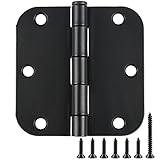
I remember the first time I tried to hang a solid core door by myself. It was a beast, heavy as sin, and the old, squeaky hinges were not cooperating. I wrestled with it for what felt like hours, finally getting it mostly in place, only to have the door sag just enough to scrape the floor. I kicked myself for not just biting the bullet and getting better hinges right from the start. The question many people ask is, are ball bearing hinges easy to break? The short answer is: it depends, but for most folks, they’re a solid bet that rarely disappoints.
I’ve seen enough shoddy hardware fall apart to be skeptical of anything that sounds too good to be true. When I first heard about ball bearing hinges, I figured they were just another overpriced gimmick. But after years of wrestling with doors that refuse to cooperate, I’ve learned a thing or two about what actually holds up and what’s just a shiny waste of money.
What Makes Ball Bearing Hinges Different (and Better)
Look, most hinges you find in a big box store are simple, basic affairs. They’re usually made of stamped steel, with a pin that just slides through two barrels. They work, sure, but they’re prone to friction. Over time, that friction wears down the metal, leading to sagging doors, squeaking that drives you insane, and eventually, hinges that just give up the ghost. I had a set on a garden shed door once that warped so badly the door wouldn’t even close properly after a couple of years of humid weather.
Ball bearing hinges, on the other hand, have a little secret weapon: actual bearings. Think of them like tiny, tough little rollers nestled between the hinge knuckles. These bearings drastically reduce friction. Instead of two metal surfaces grinding against each other, you have these little steel balls doing the heavy lifting, allowing the hinge to move smoothly with far less resistance. This smoother operation means less stress on the hinge itself and less wear and tear over time. It’s like comparing trying to slide a heavy box across rough concrete versus sliding it on a sheet of plywood. The plywood makes it so much easier, and that’s what the bearings do for a door.
The construction is generally beefier, too. While you can still find cheap versions, good quality ball bearing hinges are often made from thicker gauge steel, sometimes even brass or stainless steel, which are naturally more resistant to corrosion and physical stress. This solid construction is a big part of why they hold up better. I’ve personally installed a few sets on exterior doors that get a beating from the elements, and they’ve weathered rain, sun, and wind without a single complaint, no squeaking, no sagging. It makes a world of difference when you’re dealing with a heavy, solid wood door that needs to swing freely and stay put.
When Do They Actually Break? My Own Dumb Mistakes
So, are ball bearing hinges easy to break? Honestly, for the average homeowner, probably not. But let me tell you about the time I nearly destroyed a brand-new set. I was installing a custom-made, incredibly heavy oak door in my workshop. This thing was a monster, probably close to 150 pounds. I figured, “Hey, ball bearing hinges, they’re tough!” So I bought a set, slapped them on, and went to hang the door.
Here’s where I messed up. I didn’t account for the sheer weight and the fact that I only had three hinges. As I swung the door open, the weight of the oak started to put an incredible amount of torque on the top hinge. I heard a sickening creak, and I immediately knew I’d overloaded it. The hinge knuckle actually started to bend inwards slightly. Thankfully, I was able to quickly unhang the door, swap in a fourth hinge, and reinforce the frame, but it was a close call. That experience taught me that even the best hardware has its limits, and you can’t just assume it’ll handle anything you throw at it without proper support.
Another common mistake is buying the cheapest possible ball bearing hinges you can find. They might look the part, but they’re often made with lower-quality steel and bearings that aren’t as precisely manufactured. I bought a pack of “budget” ball bearing hinges for a couple of interior closet doors, thinking I was being clever. Within six months, one of them started sticking, and the pin felt loose. It wasn’t a dramatic break, but it was definitely a sign of poor craftsmanship and materials that were bound to fail sooner rather than later. You get what you pay for, and with hinges, that’s usually very true. Stick to reputable brands if you want them to last.
What to Look for: Beyond Just ‘ball Bearing’
Picking out good hinges isn’t just about checking the ‘ball bearing’ box. There are a few other things I always look for, based on years of wrestling with hardware. First off, the material. For exterior doors or high-traffic areas, you want something that can handle the elements and the constant use. Stainless steel is my go-to for exterior doors because it resists rust like nothing else. For interior doors, a good quality steel or even brass will do the job nicely. I saw a set of polished brass hinges on a fancy interior door once that looked stunning, and they held up perfectly for years, but they cost a pretty penny.
Next, check the gauge of the steel. Thicker is better. You can usually tell by the weight and the overall feel of the hinge. A flimsy hinge, even with ball bearings, isn’t going to be as durable. (See Also: A Box Without Hinges Key )
I try to pick them up and feel the heft. Another thing to consider is the number of bearings. While not always advertised, some higher-end hinges will boast about more bearings or higher-quality bearing races, which contribute to that smooth, effortless swing. And don’t forget the screws!
Cheap screws will strip out easily or snap off. Look for hinges that come with solid, well-machined screws. I once had to drill out a snapped screw on a hinge, and let me tell you, it was a nightmare that took hours off my project.
Finally, consider the finish. A good quality plating or powder coat will not only look better but also offer an extra layer of protection against corrosion and wear. I’ve had hinges where the finish started flaking off after a year, making the whole door look cheap. It’s not just about looks; it’s about longevity.
The common advice is to just get ball bearings, but that’s only half the story. You need to pair those bearings with good materials and solid construction. When I’m shopping, I always look at the hinge knuckles to see how well they’re formed and if the barrels look solid and aligned. It’s the little details that tell you if it’s going to last or if it’s just another piece of junk.
Ball Bearing Hinges vs. Standard Hinges
| Feature | Ball Bearing Hinges | Standard Hinges | My Verdict |
|---|---|---|---|
| Friction Reduction | High (due to bearings) | Low (metal-on-metal) | Ball bearings win, hands down. Smoother operation. |
| Durability | Generally High (with good quality) | Moderate to Low | Ball bearings last longer if you don’t overload them. |
| Smoothness | Excellent | Fair to Poor | Makes a huge difference for heavy doors. |
| Cost | Higher Initial Cost | Lower Initial Cost | Worth the extra for peace of mind and longevity. |
| Maintenance | Minimal (occasional lubrication) | Frequent lubrication needed to prevent squeaks. | Less hassle with ball bearings. |
| Ease of Breakage | Low (unless severely overloaded or poor quality) | Moderate to High (prone to wear and warping) | Standard hinges are more likely to fail over time. |
Real-World Use: Doors That Don’t Sag
I’ve installed ball bearing hinges on just about everything that moves on a hinge in my house and workshop. The most satisfying application was replacing the old, sagging hinges on my garage side door. This door is exposed to the elements constantly, gets slammed shut by teenagers, and is generally treated poorly.
The old hinges were warped, rusted, and the door dragged on the concrete. I swapped them out for a set of heavy-duty, stainless steel ball bearing hinges.
The difference was immediate. The door now swings open with one finger, closes smoothly, and doesn’t sag one bit, even after a couple of years of harsh New England winters. It’s a small thing, but it makes a huge difference in the daily use of the garage.
Another place they shine is on interior doors that get a lot of use, like the doors to the kids’ rooms or the main bathroom. These doors are constantly being opened and closed, and standard hinges can start to squeak and loosen up pretty quickly. With ball bearing hinges, they just keep on swinging smoothly. I also put a set on the door to my pantry.
It’s a solid wood door, and it’s always packed with groceries, making it quite heavy. Without those ball bearings, it would have started to sag ages ago. Instead, it operates just as smoothly as the day I installed it. It’s a testament to how well good quality ball bearing hinges can stand up to daily abuse. (See Also: Are Integrated Washing Machine Door Hinges Standard )
I’ve seen people try to cut corners by using standard hinges on heavy doors, and it’s always a mistake. You end up fighting with the door, having to adjust it constantly, and eventually, you’ll have to replace the hinges anyway. The upfront cost of ball bearing hinges is a small price to pay for the smooth operation and the long-term reliability. It’s not about whether are ball bearing hinges easy to break, it’s about how they reduce the stress that causes other hinges to break. They are designed to handle more load and friction than their simpler counterparts, making them a superior choice for most applications where durability and smooth operation are desired.
Common Mistakes and How to Avoid Them
Okay, so we’ve established that ball bearing hinges are generally tough cookies. But, as I’ve learned the hard way, you can still screw it up. The biggest mistake people make, myself included, is not matching the hinge capacity to the door’s weight and size. A standard interior door might only need two or three 3.5-inch hinges.
A heavy solid core door, or an exterior door, might need four, or even five, and they need to be thicker, possibly wider, and definitely rated for more weight. Always check the manufacturer’s recommendations for door weight and size.
I saw a guy online who tried to hang a massive, antique church door with standard hinges and was shocked when they bent. He should have used at least six heavy-duty, potentially specialized, hinges.
Another common pitfall is improper installation. This means not using the right screws, not setting the hinge leaves flush with the door and frame, or not mortising the frame and door correctly. If the hinge isn’t seated properly, the weight won’t be distributed evenly, and that’s a fast track to hinge failure, especially with heavy doors. I always make sure the mortises are cut cleanly and to the correct depth. It takes a bit more time and precision, but it’s absolutely worth it. I’ve had to go back and redo installations because the mortises were too deep, causing the hinge to sit too low and the door to bind. You want a snug fit all around.
Finally, people often forget about maintenance, even with ball bearing hinges. While they require less attention than standard hinges, they still benefit from an occasional check-up. If you notice any stiffness or hear a faint squeak, a drop of light machine oil or a silicone-based lubricant applied to the bearings can work wonders. Don’t wait until it’s a problem. Also, inspect the screws periodically to make sure they are still tight. Over time, wood can shift slightly, and screws can loosen. A quick tighten can prevent a much larger issue down the line. It’s not rocket science, but it requires a little bit of attention.
When Are They Overkill? The Cheap Interior Door Scenario
Now, I’m not saying you need ball bearing hinges on every single door in your house. If you’ve got lightweight hollow-core interior doors that barely get used, like the ones on a linen closet or a small guest bathroom, then standard, cheaper hinges will absolutely do the job just fine. I’ve got a few of those doors, and they’ve been swinging perfectly for years with plain old butt hinges. Trying to put ball bearing hinges on those is like using a sledgehammer to crack a nut – complete overkill and a waste of money.
The reason is simple: the load and friction are minimal. These doors are light, they don’t experience much lateral force, and they aren’t constantly being slammed or pulled. Standard hinges are designed for that kind of light duty. They’re cheaper to produce and buy, and they’ll last for the lifetime of the door in that low-stress environment. My advice? Save your money for doors that actually need the extra support and smoother operation. Focus your budget on exterior doors, heavy interior doors (like solid wood or those with glass inserts), or doors in high-traffic areas.
I remember helping a buddy re-hinge his closet doors, and he insisted on getting the fanciest ball bearing ones. We spent an extra $40 for hinges that, honestly, made no noticeable difference in how those flimsy doors operated. It was a classic case of overspending. (See Also: Are Hinges Wheeels )
The key is to assess the door itself – its weight, its material, and how much use it gets. If it’s a door that requires a bit of effort to open, feels heavy, or gets constant use, then yes, ball bearing hinges are a fantastic upgrade. If it’s a lightweight panel that barely moves, stick with the standard ones and save your cash for something more important, like better quality screws or a decent door closer.
People Also Ask
Are Ball Bearing Hinges Prone to Rust?
Good quality ball bearing hinges, especially those made from stainless steel or with a solid protective coating like brass or a good powder coat, are generally very resistant to rust. However, cheaper, lower-quality versions made from basic steel without adequate protection can rust, particularly if exposed to moisture or salt air. Always check the material and finish specifications when purchasing.
Can You Install Ball Bearing Hinges on Any Door?
Yes, you can install ball bearing hinges on virtually any door that uses standard butt hinges. The key is to make sure you select the correct size, screw hole pattern, and weight rating for your specific door. For exceptionally heavy or specialized doors, you might need to look into industrial-grade or specialized hinge systems, but for most residential and commercial applications, standard ball bearing hinges are suitable.
How Do I Know If My Hinges Are Bad?
Signs of bad hinges include doors that sag and scrape the floor or frame, doors that are difficult to open or close, excessive squeaking that doesn’t go away with lubrication, visible rust or corrosion, bent or warped hinge knuckles, and loose hinge pins. If you notice any of these issues, it’s usually a good indicator that your hinges need to be replaced.
Do Ball Bearing Hinges Require Lubrication?
While ball bearing hinges operate much more smoothly and quietly than standard hinges with minimal lubrication, they can still benefit from occasional lubrication, especially in harsh environments or if they start to feel stiff. A light machine oil or silicone-based lubricant applied directly to the bearings can help maintain optimal performance and extend their lifespan. However, they don’t require the frequent oiling that standard hinges often do to prevent squeaking.
Final Verdict
So, to circle back to the main question: are ball bearing hinges easy to break? For the vast majority of applications, and when you buy decent quality ones, the answer is a resounding no. They are designed for durability and smooth operation, and they excel at that. The instances where they do fail are usually due to extreme overloading, poor manufacturing quality, or installation errors – things that could make even the strongest hardware give out.
My personal take is that they are one of the best small upgrades you can make to a home or workshop. That smooth, effortless swing and the absence of sag are worth the slightly higher price tag every single time. I’ve wasted more money on other home improvement fads than I care to admit, but good hinges are never a waste.
If you’re dealing with a heavy door, a door that gets a lot of use, or an exterior door that has to endure the elements, do yourself a favor and get ball bearing hinges. Just make sure you get the right size and install them properly. It’s a simple step that pays off in the long run with doors that work right, every time.