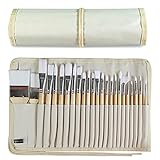
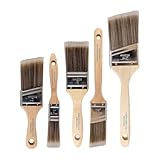
I remember the first time I saw Bob Ross paint. It was pure magic. Those fluffy clouds, happy little trees… and of course, the brushes. They looked so… perfect. Like they held some secret to effortless art. So, naturally, when I started dabbling in oil painting myself, the question ‘are Bob Ross paint brushes good?’ was front and center.
I figured, if they’re good enough for Bob, they’ve gotta be good enough for me, right? Wrong. Well, sort of wrong. Like most things in art, it’s not quite that simple. Let’s cut through the happy little clouds and talk about what these brushes actually are, and if they’re worth your hard-earned cash.
The Bob Ross Brush Mystique: What’s the Deal?
Look, nobody can deny the appeal of the Bob Ross brand. It’s tied to a legend, to a calm, reassuring voice that made art accessible to millions. The official Bob Ross brushes, made by Liquitex (which is a pretty reputable art supply company, I’ll give them that), are specifically designed to mimic the tools Bob used in his show.
This means they’re primarily designed for the ‘wet-on-wet’ oil painting technique he popularized. Think of the fan brush for those iconic bushes and clouds, the 1-inch brush for skies and backgrounds, and the script liner for those delicate little tree trunks and twigs. They’re shaped and bristled to hold a good amount of paint and to create those signature soft edges and textures.
I bought a full set back in my early days, convinced it was the golden ticket. They weren’t cheap, either – I think I forked over close to $150 for the whole kit, maybe a bit more with shipping.
And for a while, I just stared at them. They looked too nice to use, too tied to Bob’s perfect paintings. It’s a common beginner’s pitfall, I’ve learned.
You get these beautiful tools and are afraid to mess them up, which defeats the whole purpose. When I finally did start using them, the fan brush was pretty good for what it was intended for – getting those soft, misty bushes.
The larger brushes, like the 1-inch, were decent for laying down washes of color for skies. But here’s the kicker: they are very specific tools.
If you’re not strictly painting in Bob’s style, or if you’re working with acrylics (which is a whole different beast), their utility drops significantly. They’re stiff, made with hog bristles for oil paint, and don’t have the same flexibility or variety of shapes you might need for more detailed work or different painting styles. So, while they can be good for what they’re designed for, the real question is: are they good for you and your painting goals? For a beginner wanting to try the wet-on-wet oil technique, they’re a reasonable starting point, but they’re far from the only option, and frankly, not always the best value when you consider what else is out there.
Beyond the Happy Trees: What Makes a ‘good’ Brush?
When I started painting seriously, I spent a ridiculous amount of money on brushes. I’d see an artist use a certain type of brush in a tutorial, and BAM, I had to have it. Most of them ended up gathering dust. What I eventually learned, the hard way, is that ‘good’ in a paintbrush isn’t about a name or a celebrity endorsement; it’s about how it performs for the specific medium and technique you’re using.
For oil painting, especially the wet-on-wet style Bob Ross championed, you want brushes that can hold a decent amount of paint and apply it smoothly without leaving harsh streaks. Hog bristle brushes are traditionally excellent for this because they’re stiff and durable, perfect for pushing paint around on the canvas. (See Also: Can Acrylic Paint Go In An Air Brush )
The Bob Ross brushes are indeed hog bristle, which is a plus if you’re sticking to oils and his style. The fan brush, as I mentioned, is a classic for a reason – it’s shaped to create soft, feathery textures ideal for foliage and clouds. The 1-inch or 2-inch ‘landscape’ brushes are great for broad strokes and washes, which are the backbone of those expansive Bob Ross skies and backgrounds. They’re designed to be forgiving, allowing you to blend colors on the canvas with relative ease. This is key to his technique. You load the brush with paint, dab it on the canvas, and blend it out, creating that soft, ethereal look.
However, ‘good’ is subjective. If you’re an acrylic painter, hog bristle brushes are generally not the best choice.
Acrylics dry much faster and require different brush types, usually synthetic bristles, which are more flexible and easier to clean. Trying to use oil brushes with acrylics can lead to frustration and damaged brushes.
Also, within the world of oil painting, artists develop preferences for specific shapes and sizes. While the Bob Ross set covers the basics for his style, it might lack the variety needed for more intricate details or different textures.
For instance, I found myself needing finer liner brushes for smaller details that the Bob Ross set didn’t adequately provide. So, while the Bob Ross brushes are functional for their intended purpose, defining ‘good’ requires looking at your specific needs, medium, and artistic goals, not just the happy face on the packaging.
The Real Deal: How Do Bob Ross Brushes Actually Perform?
Let’s get down to brass tacks. I’ve used them, I’ve seen others use them, and I’ve talked to people who swear by them and people who think they’re overrated. The truth, as usual, lies somewhere in the middle. For the wet-on-wet oil painting technique that Bob Ross made famous, the brushes perform as intended. The fan brush is probably the most iconic and, in my opinion, the most consistently useful brush in the set. It’s fantastic for creating those soft, blended bushes and clouds with a minimal learning curve. You can get that characteristic feathery look that makes Bob’s landscapes so recognizable.
The larger flat or landscape brushes (often the 1-inch or 2-inch) are also quite capable for laying down broad strokes of paint for skies, water, and distant mountains. They hold a good amount of paint, which is key for covering large areas quickly and blending colors on the canvas. The stiffness of the hog bristles helps you push the paint around and blend it smoothly, which is the core of the wet-on-wet method. If you are strictly following Bob Ross’s tutorials and want to replicate his style as closely as possible, these brushes are a solid, albeit slightly pricey, investment. They’re designed to give you the right tools for that specific job.
Now, where do they fall short? If you deviate from the wet-on-wet oil technique, their usefulness diminishes rapidly. Trying to use them for fine detail work is a struggle. The fan brush, while great for foliage, isn’t going to give you crisp lines.
The larger brushes are too blunt for anything requiring precision. I tried using the 1-inch brush for some finer details on a seascape once, and it was like trying to draw with a broom. It just didn’t have the control.
Furthermore, for acrylics? Forget about it. Hog bristles aren’t designed for acrylics; they get stiff, are hard to clean, and can be damaged by the faster drying time and different chemical makeup of acrylic paints. (See Also: Can Acrylic Paints Be Used In An Aqua Brush )
So, while they are ‘good’ for a very specific application, calling them good for general painting is a stretch. They excel at their niche, but that niche is quite narrow.
Common Pitfalls and What to Look for Instead
One of the biggest mistakes beginners make with Bob Ross brushes, or any art supplies for that matter, is thinking they’re a magic bullet. You buy the tools, and suddenly you’re Bob Ross.
That’s not how it works. I remember being so disappointed after my first few attempts with them because my paintings didn’t look like his. I blamed the brushes, then myself, then the paint. Turns out, it was a combination of unrealistic expectations and a lack of understanding of the medium itself.
The brushes are tools, not talent dispensers. Another common mistake is using them with the wrong medium. As I’ve said, they are oil painting tools.
Trying to force them to work for acrylics is a recipe for frustration and ruined brushes. You’ll end up with stiff, clumpy bristles that don’t hold their shape.
When you’re looking for brushes, especially if you’re not strictly adhering to Bob Ross’s wet-on-wet oil technique, consider what you actually need. Do you paint with oils or acrylics? What kind of textures and details do you want to achieve? For oil painting, if you want versatility beyond Bob’s style, look at hog bristle brushes in a variety of shapes: flats, filberts, rounds, and liners.
Brands like Princeton, Silver Brush, and even some of the higher-end artist brands offer excellent quality. For acrylics, synthetic brushes are generally the way to go. They hold up better to water and faster drying times.
Look for synthetic flats, rounds, and filberts. A good beginner set for acrylics might include a few synthetic rounds in different sizes (e.g., size 4, 8, 12) and a couple of synthetic flats (e.g., 1/2 inch, 1 inch).
Don’t be afraid to invest a little more in a few good quality brushes rather than a large, cheap set. A single high-quality brush that performs well and lasts longer is often better than a dozen cheap ones that shed bristles or splay out after a few uses. My personal rule now is to buy brushes from reputable art supply stores and to read reviews specifically about how they handle with the medium I’m using. And when in doubt, ask a salesperson at an art supply store – they usually know their stuff. Here’s a quick look at how some common brush types stack up:
| Brush Type | Best For (Medium) | Bob Ross Style Use | My Verdict |
|---|---|---|---|
| Fan Brush | Oils (Wet-on-Wet) | Bushes, Clouds | Excellent for its specific purpose. A Bob Ross staple. |
| 1-Inch Flat Brush | Oils (Wet-on-Wet) | Skies, Backgrounds, Blending | Good for broad strokes, but too blunt for detail. |
| Liner Brush | Oils/Acrylics | Tree Trunks, Fine Lines | Bob Ross set lacks a good dedicated liner. Key for detail. |
| Filbert Brush | Oils/Acrylics | Not in Bob’s primary set | Versatile shape for blending and soft edges in many styles. |
Bob Ross Brushes vs. Alternatives: Is It Worth the Premium?
This is where I get a bit blunt. Are Bob Ross paint brushes good? Yes, within their very specific, intended application for wet-on-wet oil painting. Are they worth the premium price tag compared to other equally functional, if not more versatile, brushes? That’s where I hesitate. Liquitex makes the brushes, and Liquitex is a solid brand. But you’re paying for the name and the association with Bob Ross, which is a powerful marketing tool. I’ve found comparable hog bristle brushes from other brands, like Princeton or Silver Brush, for a bit less money that perform just as well, if not better, especially when it comes to durability and bristle retention. (See Also: A Brushes Digital Painting )
For example, I picked up a Princeton Cataluña 1-inch hog bristle brush for around $15 a few years back. It’s fantastic for landscapes and washes, and it holds its shape better than some of the Bob Ross larger brushes I’ve used. Similarly, a good synthetic filbert brush from a brand like Pro-Arte can cost around $10-$20, and it’s incredibly versatile for both oils and acrylics, offering a softer touch and more control than the stiff hog bristles for certain applications. You can build a very capable brush collection for oil painting that mimics the function of Bob Ross brushes for less than the cost of a full Bob Ross set, and with more variety.
The real value of the Bob Ross brushes lies in their direct connection to his technique. If you are a purist and want to replicate his method exactly, they are a fine choice. However, if you are a beginner looking to explore oil or acrylic painting in general, or even a Bob Ross enthusiast who wants more flexibility, I would strongly recommend looking at alternatives. You can get excellent quality hog bristle brushes for oils and synthetic brushes for acrylics from various brands that will offer better value and broader application.
My first set of Bob Ross brushes sits on my shelf now, more as a nostalgic reminder than a frequently used tool, because I’ve found other brushes that better suit my evolving painting style and needs. It’s about finding the tools that speak to you, not just the ones with a famous face attached.
The Faq: Your Burning Bob Ross Brush Questions Answered
Are Bob Ross Brushes Made of Real Hog Hair?
Yes, the official Bob Ross brushes are made from natural hog bristles. This is a key characteristic for their intended use in oil painting, particularly the wet-on-wet technique. Hog bristles are stiff and durable, which allows them to hold a good amount of paint and push it around on the canvas effectively for blending and creating textures.
Can I Use Bob Ross Brushes with Acrylic Paint?
It’s generally not recommended. While you can physically use them with acrylics, hog bristle brushes are designed for oil paints. Acrylics dry much faster and are water-based. Using them with stiff hog bristles can lead to the paint drying in the brush, making them difficult to clean, potentially damaging the bristles, and causing them to lose their shape. Synthetic brushes are much better suited for acrylic paints.
Are Bob Ross Brushes Good for Beginners?
For beginners specifically interested in learning Bob Ross’s wet-on-wet oil painting technique, they can be a good starting point because they are designed for that specific method. However, if a beginner wants to explore other oil painting techniques or work with acrylics, other types of brushes might be more versatile and offer better value for money. It’s important to match the brush to the medium and technique.
How Do I Clean My Bob Ross Paint Brushes?
For oil paints, you should clean Bob Ross brushes using odorless mineral spirits or turpentine to remove the bulk of the paint, followed by a gentle soap and water wash. Work the solvent into the bristles to loosen the paint, then rinse thoroughly. After washing with soap and water, rinse again and reshape the bristles before allowing them to dry flat or bristles-up in a brush holder. Avoid leaving them to dry bristles-down, as this can warp them.
Conclusion
So, are Bob Ross paint brushes good? Yes, they are good at what they were designed for: replicating the wet-on-wet oil painting style. If you’re looking to paint like Bob, they’ll get you there. But if you’re branching out, experimenting, or working with acrylics, you’ll likely find them limiting and overpriced.
My advice? For general oil painting, explore hog bristle brushes from other reputable brands – you might find better quality and versatility for your dollar. For acrylics, steer clear and go for good synthetic brushes. Don’t get me wrong, the nostalgia is powerful, but your wallet and your artistic exploration will thank you for looking beyond the happy little trees sometimes.
What’s your experience been with specialized art tools? Have you ever fallen for the hype of a brand name only to find something better later on?