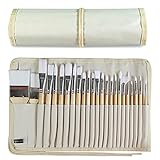
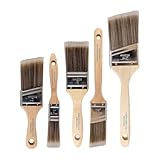
I remember staring at my nearly brand-new oil brushes, caked with thick acrylic paint. I’d spent a small fortune on them, thinking that better tools automatically meant better results. Then came the cleaning. Scrubbing each one until my hands ached, only to find them stiff and misshapen a week later. It was frustrating, and honestly, a bit of a con job if you ask me. That’s when I started wondering: are brush cleaning palettes necessary for painting, or are they just another fancy gadget?
I’ve wrestled with this question for years, trying out all sorts of gizmos and gizmos that promised to make brush cleaning a breeze. Some were a joke, others were just glorified bowls. But somewhere in the mess, I learned what actually works, and what’s just marketing fluff.
Why the Fuss About Clean Brushes Anyway?
Look, nobody wants to spend an hour scrubbing paint out of a brush after a good painting session. It’s the least fun part of the whole process. But here’s the blunt truth: if you don’t clean your brushes properly, you’re going to ruin them, period.
Stiff bristles, splayed hairs, paint stuck deep in the ferrule – it all adds up to brushes that don’t hold their shape, don’t apply paint smoothly, and frankly, make your life harder. I’ve tossed more brushes than I care to admit because I was lazy or just didn’t know better about cleaning them. One time, after a particularly intense acrylic session, I left my good hog bristles soaking in water overnight. I thought I was being smart, keeping them submerged.
Nope. The next morning, they were warped and felt like straw.
Lesson learned the hard way. So, while the process of cleaning might be a pain, the goal of having clean brushes is a must if you want your tools to last and perform well.
The common advice is always: clean them immediately. And yeah, that’s mostly right.
The longer paint sits in the bristles, the harder it is to get out. It hardens, it cakes, it becomes a nightmare. This is especially true for acrylics, which dry fast and can form a plastic-like layer. Oils are a bit more forgiving in that they can be thinned and worked out with solvents for a while, but even then, letting them sit is asking for trouble.
You end up using more aggressive solvents, scrubbing harder, and generally beating up your brushes. It’s a cycle of destruction. So, yes, the motivation behind wanting a better cleaning method is totally valid. The question is whether those fancy palettes are the answer, or just another way to spend money you could have put towards more paint.
What Exactly is a Brush Cleaning Palette?
Alright, let’s break down what these things are and what they’re supposed to do. At its core, a brush cleaning palette is designed to help you get paint out of your brushes more efficiently. Think of it as a specialized tool for the dirty work. They come in a few main varieties. The most common type has a textured surface – often with ridges, bumps, or a sort of gritty material – that you rub your brush against while it’s loaded with soapy water (or solvent, depending on your paint type). The idea is that the texture helps to dislodge the paint from the bristles more effectively than just swishing it around in a plain cup of water.
Some palettes are simple, flat plates with these textures. Others are more elaborate, with built-in water reservoirs or even little scrubbing pads. You’ve also got those silicone mats with various patterns of nubs and grooves that you can stick to the side of your sink or a bucket. They’re all aiming for the same thing: to give you more friction and surface area to work with when you’re trying to get that stubborn pigment out of the ferrule and deep into the bristles.
Some people swear by them, saying it cuts down cleaning time and makes their brushes feel like new. Others, myself included initially, look at them and think, ‘Do I really need another thing to buy and clean?’ The marketing often pushes them as key for preserving expensive brushes, especially for oil painters who invest heavily in natural hair brushes. (See Also: Can Acrylic Paint Go In An Air Brush )
The principle is sound: more surface area and friction equals better cleaning. But the execution and necessity? That’s where things get murky. I’ve seen them made from cheap plastic that feels flimsy, and others that are solid ceramic or silicone. The effectiveness often depends on the type of paint you’re using and the brush you’re cleaning. Acrylics, with their quick-drying nature, can be a real test for any cleaning method. Oils, while they can be thinned, still leave a residue that needs to be worked out. So, while the concept is straightforward, the actual benefit can vary wildly.
My Own Messy Experiments: What Actually Works
I’ve been through the wringer with brush cleaning gadgets. I bought one of those fancy silicone mats with a dizzying array of bumps and grooves. It was supposed to attach to the side of my sink.
First off, getting it to stick reliably was a pain. Second, the grooves were so deep that paint and soap would get all gummed up in them, making the mat itself a chore to clean. It felt like I was spending more time cleaning the cleaning tool than I saved on cleaning my brushes. I tried it with acrylics, and it was mediocre at best.
The paint just smeared around. With oils and solvent, it was slightly better, but still not a revelation.
I felt like I’d wasted about $30 on something that didn’t really deliver.
Then I tried a ceramic palette with raised ridges. This was a bit better. The ridges provided a decent surface to work the brush against, and it was easier to rinse clean than the silicone mat. I found it made a noticeable difference for getting the bulk of the acrylic paint out quickly before I went in for a final wash.
However, it still didn’t magically solve all my problems. The really stubborn bits of paint that get wedged deep down near the ferrule still required a lot of work and careful manipulation. I honestly found that a good, old-fashioned bar of brush soap and a textured surface – even just the palm of my hand (carefully!)
or a slightly roughened ceramic tile – did a pretty similar job. It’s about the friction and the soap breaking down the paint.
The palette is just a way to provide that friction.
My biggest surprise came when I realized how much a quality brush soap mattered. I used to just use dish soap or even bar soap from the bathroom. Big mistake.
Artist-grade brush soaps are formulated to break down specific types of paint binders without damaging the bristles or glue in the ferrule. They lather better and rinse cleaner. (See Also: Can Acrylic Paints Be Used In An Aqua Brush )
I found a specific linseed oil-based soap that was a big deal for my oil brushes. Combined with a simple, textured surface, it made a huge difference. The expensive, specialized palettes often felt like overkill compared to this simpler, more effective approach. The real value isn’t in the fancy shape of the cleaning tool, but in the combination of friction and the right cleaning agent.
The Contradiction: When Fancy Tools Aren’t the Answer
Here’s my contrarian take, and it’s one that often gets eye-rolls from people who have invested in these cleaning palettes: I think for many artists, especially those working with acrylics or who don’t use their brushes heavily every single day, a dedicated brush cleaning palette is massively overrated. Everyone says you need one to protect your expensive brushes. And yes, protecting your brushes is important. But is a $40 silicone mat or a $60 ceramic contraption the only or even the best way to do it? I seriously doubt it.
My reasoning is simple: the core function of these palettes is to create friction. That friction is what helps you work the soap and water (or solvent) into the bristles to lift the pigment. You can achieve that friction with far simpler, cheaper, and more readily available items. A piece of textured glass, a rough ceramic tile, even the ribbed bottom of a sturdy plastic container can provide enough friction. I’ve even used the texture on the inside of a plastic bucket for years. The key is the action you perform with the brush and the cleaning agent, not necessarily the specific shape of the tool you’re using.
Furthermore, many of these palettes are designed with specific paint types in mind. A palette optimized for oil paints and solvents might not be as effective, or could even be detrimental, for acrylics or watercolors. Trying to clean dried acrylics off a brush using a harsh scrubbing motion on a rigid palette can damage delicate synthetic bristles. The marketing often glosses over these nuances, presenting a one-size-fits-all solution that rarely is. I found that by focusing on the quality of my cleaning soap and developing a gentle, methodical cleaning technique, I got far better results with less hassle and expense than by chasing after the latest brush cleaning gizmo.
Common Mistakes and How to Avoid Them
One of the biggest mistakes I see people make, and one I was guilty of for years, is not cleaning their brushes thoroughly enough in the first place. They’ll do a quick rinse, maybe a swirl in some soapy water, and call it a day. This leads to paint drying in the ferrule, making the bristles stiff and eventually unusable. Always work the soap and water all the way down to the ferrule.
Don’t be afraid to gently massage the bristles to make sure the cleaning agent reaches every nook and cranny. Another common error is using the wrong cleaning agent. For acrylics, warm water and a good quality artist’s brush soap are usually sufficient. For oils, you’ll likely need a solvent like odorless mineral spirits or turpentine, followed by soap and water.
Using the wrong solvent or too much solvent can degrade the glue holding your bristles together or dry out natural hairs.
People also tend to scrub their brushes too aggressively. While some friction is necessary, treating your brushes like you’re scouring a pot will quickly damage them. This is where a brush cleaning palette can potentially help, if it’s designed well and used gently, by providing a consistent surface. However, a rough, fast scrub on any surface will do more harm than good. A gentler, more circular motion, working the paint out, is far more effective and less damaging. I learned this when I noticed my expensive rounds were starting to splay after I’d been too rough trying to get stubborn pigment out. Slow down, be patient, and use the right tools and agents.
Lastly, there’s the mistake of improper drying. Many artists will just leave their brushes standing bristles-up in a cup. While this might seem like a good way to keep them from getting crushed, it can also cause water to seep into the ferrule and loosen the glue over time, especially with oil brushes. The best way to dry them is to gently reshape the bristles with your fingers and lay them flat on a towel or a brush drying rack, so water drains away from the ferrule.
I’ve seen brushes warped and ruined from just being left to dry in a way that lets water pool in the wrong place. It’s a small detail, but it makes a huge difference in the longevity of your brushes.
Here’s a quick rundown of what to aim for: (See Also: A Brushes Digital Painting )
| Paint Type | Primary Cleaning Agent | Secondary Cleaning Agent | Recommended Tool/Method | Opinion/Verdict |
|---|---|---|---|---|
| Acrylics | Warm water | Artist’s brush soap | Gentle swishing, light rubbing on textured surface (e.g., palm, tile) | A dedicated palette is overkill; good soap and gentle technique are key. |
| Oils | Odorless mineral spirits/turpentine | Artist’s brush soap, warm water | Careful solvent rinsing, then soap and water with gentle rubbing on textured surface. | A simple textured surface helps, but avoid aggressive scrubbing with solvents. |
| Watercolors | Clean water | Mild soap (optional, for heavy pigment) | Frequent rinsing in clean water, gentle reshaping. | Minimal cleaning needed; palettes are generally unnecessary. |
So, Are Brush Cleaning Palettes Necessary for Painting?
After all my trials and tribulations, I’ve landed on a pretty firm stance: no, brush cleaning palettes are not strictly necessary for painting. They are, however, a convenience for some, and can be helpful if used correctly. For the casual painter, or even the dedicated artist who is meticulous about cleaning their brushes immediately after use, a simple setup will suffice.
A couple of jars for rinsing (one for solvent/initial rinse, one for soapy water), a good quality brush soap, and a gentle technique will get you by just fine. I personally use a simple textured ceramic tile I found at a craft store, along with a good brush soap, and it works wonders for both my acrylic and oil brushes. It cost me less than $5 and takes up minimal space.
However, I can see the appeal for some. If you paint with oils frequently and find yourself struggling to get all the pigment out of dense, flat brushes, a well-designed palette with effective texture might speed up your process significantly. It can also be a way to control the mess, keeping your cleaning station a bit tidier than just sloshing water around.
For professional artists who paint all day, every day, and whose livelihood depends on the longevity and performance of their tools, investing in a high-quality cleaning system, which might include a specialized palette, could be a worthwhile business expense. It’s about efficiency and tool preservation when time is money. But for the hobbyist or student?
You’re likely better off spending that money on more paint or better quality brushes themselves. The core issue is always the technique and the cleaning agent, not the fancy holder.
Can I Use a Regular Sponge to Clean My Paint Brushes?
While a sponge can help absorb excess paint, it’s not ideal for thoroughly cleaning brushes. Sponges don’t offer the necessary texture or friction to dislodge paint that’s worked its way into the bristles and ferrule. You’ll likely end up just smearing the paint around, and the sponge itself will become a paint-laden mess that’s hard to clean and can harbor bacteria or mold.
How Often Should I Clean My Paint Brushes?
You should clean your brushes as soon as you’re done using them for a painting session. If you’re taking a break during a painting session, especially with acrylics, rinse them thoroughly in water to prevent the paint from drying in the bristles. For oils, if you’re not going to clean them immediately after finishing, at least wipe off excess paint and store them in solvent or a brush keeper to keep them workable.
What’s the Best Way to Clean Dried Acrylic Paint From Brushes?
Dried acrylic paint is notoriously difficult to remove. For semi-dried paint, try soaking the brush in soapy water and gently working the paint out. For fully dried paint, you might need a specialized acrylic brush cleaner or a strong solvent like rubbing alcohol or even a bit of ammonia (use with extreme caution and ventilation). Be prepared for potential damage to the brush, as aggressive cleaning can degrade bristles and glue.
Do Expensive Brush Cleaning Palettes Actually Work Better?
Some do, but the ‘better’ is subjective and depends on your needs and technique. They often offer more effective textures or better water management than DIY solutions. However, the price often reflects branding and design rather than a significant leap in cleaning power over simpler textured surfaces combined with good brush soap. For many, the extra cost isn’t justified by the marginal improvement in cleaning speed or effectiveness.
Is It Okay to Leave Brushes Soaking in Water Overnight?
No, it’s generally not a good idea to leave brushes, especially those with natural bristles or wooden handles, soaking in water overnight. Water can seep into the ferrule, weakening the glue that holds the bristles in place and potentially damaging the handle. It’s far better to clean them thoroughly and then reshape and dry them properly.
Final Verdict
So, to circle back: are brush cleaning palettes necessary for painting? My honest answer is no, they are not a must-have for everyone. You can achieve perfectly clean brushes with a bit of patience, a good bar of artist’s brush soap, and a simple textured surface. I’ve found that a bit of elbow grease and the right soap go a lot further than most of the fancy gadgets out there.
That said, if you’re someone who struggles with brush cleaning, finds it a major chore, or paints with oils constantly and wants to shave off a few minutes from your cleanup, a well-made cleaning palette could be a worthwhile investment. Just don’t fall for the hype that you absolutely need one to be a serious artist or to protect your tools. Your technique and your cleaning agent matter far more.
Before you drop a wad of cash on a specialized palette, try getting a good brush soap and experiment with a textured tile or even the palm of your hand. You might be surprised at how effective that simple approach can be. And if you do decide to buy a palette, do your research and look for one that feels solid and has a texture that seems appropriate for the types of paint and brushes you use most often.