Look, I’ve been there. Standing in the aisle, staring at a wall of metal bits, wondering if I’m missing something obvious. Like, are door hinges actually ‘wherls’? It sounds like a technical term, right? Maybe some fancy French word for the part that makes the door go swingy. I spent my fair share of time scratching my head over hardware. For years, I just grabbed whatever looked vaguely like what I needed, often ending up with wobbly doors or hinges that screamed in protest every time you opened them.
Turns out, the answer is a lot less complicated and a lot more practical than any fancy name suggests. It’s about understanding what makes a hinge work and what kind of abuse it can take before it gives up the ghost. If you’ve ever wrestled with a sticky door or wondered why that new one is already sagging, stick around. We’re cutting through the BS.
What Makes a Door Go Swing? (it’s Not Magic)
So, let’s get down to brass tacks. Are door hinges wherls? No, not really.
The term ‘wherls’ isn’t a standard part of hinge nomenclature. It might be a typo for ‘wheels’ or perhaps some regional slang, but in the world of doors and hardware, we just call them hinges.
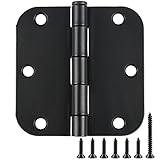
They are basically mechanical pivots, designed to allow a door to swing open and closed smoothly on its frame. The magic, if you want to call it that, lies in their construction and the way they interact with the door and the frame. A basic hinge has three main parts: two leaves and a pin. One leaf attaches to the door, the other to the frame, and the pin runs through them, acting as the central axis.
Simple, right? Well, not always. The devil, as they say, is in the details, and with hinges, those details dictate everything from how quiet your door is to how much weight it can actually support. I learned this the hard way when I tried to hang a solid core oak door using the cheap, wafer-thin hinges that came with a budget pre-hung door.
It lasted about a week before the sag became noticeable, and opening it sounded like a rusty gate.
The weight and material of the door are huge factors. A hollow-core interior door might get away with lighter hinges, but a solid wood door, especially an exterior one, needs something beefier. That’s where the gauge of the metal and the quality of the pin come into play. You’ll see hinges made from steel, brass, and stainless steel.
Steel is common and strong, often plated for corrosion resistance. Brass looks nice and is durable, but can be pricier. Stainless steel is your best bet for humid environments or exteriors where rust is a concern.
I once spent a weekend replacing all the hinges on my shed after the cheap zinc-plated ones started flaking and seizing up. Went with stainless steel this time, and it was worth every extra dollar. The smooth operation alone was a revelation.
The pin itself is also important. It’s usually removable, which is handy for painting or if a leaf gets damaged. The fit of the pin in the knuckles (the barrel-like parts that interlock) determines how much ‘play’ or wobble there is. A tight, well-machined hinge will feel solid and operate silently. A loose pin or sloppy knuckles will lead to creaking and sagging. I’ve seen people try to fix creaky hinges by spraying WD-40 everywhere, which is a temporary fix at best. A better approach, if the hinge is sound, is to remove the pin, clean it and the knuckles, and then apply a bit of grease before reinserting it. That’s a fix that lasts.
Picking the Right Hinge: Beyond Just Shiny Metal
When you’re actually in the hardware store or scrolling online, looking at hinges can feel overwhelming. You’ve got different sizes, finishes, and types. Let’s break down what actually matters beyond the pretty chrome or brushed nickel finish.
The most fundamental spec is the size. Hinges are typically measured by their height and width when the door is open.
Standard interior doors often use 3-inch or 3.5-inch hinges, but this can vary. The thickness of the hinge leaf is also a big deal – thicker means stronger.
Don’t just grab the cheapest pack; check the gauge of the metal if it’s listed. For heavier doors, like solid wood or those with glass, you’ll want beefier hinges, probably 4-inch or even 4.5-inch, and definitely a thicker gauge steel or stainless steel. (See Also: A Box Without Hinges Key )
The ‘knuckle’ count is another subtle indicator of quality. Most standard hinges have two knuckles per leaf (so four total), but higher-quality or heavier-duty hinges might have three. This extra knuckle can provide more support and smoother operation. I learned this when installing a custom, heavy pantry door. The standard 3.5-inch hinges I’d normally use just weren’t cutting it, leading to a noticeable sag. I ended up switching to 4-inch, three-knuckle hinges, and the difference was night and day. The door now closes with a satisfying thud, no more scraping the floor.
Then there are the different types of hinge tips. Most common are the ball tips, which are purely decorative. More functional are the button tips, which are flat and can prevent snagging. For security, some hinges have non-removable pins or security studs that prevent the door from being lifted off its track, which is a big deal for exterior doors. When I was looking into new exterior door hinges, I found that the ‘security’ hinges, with their fixed pins and stud systems, added a layer of peace of mind that was well worth the slightly higher cost. They’re not foolproof, but they make the job of a casual burglar much harder.
Here’s a quick rundown of what I look for when I’m buying, with my own little verdict:
| Feature | What to Look For | My Verdict |
|---|---|---|
| Material | Steel (plated), Stainless Steel, Brass. Avoid cheap zinc if possible. | Stainless steel for exterior/high-moisture, quality plated steel for interior. |
| Size & Gauge | Match door weight/size. Thicker gauge is better. 3.5″ or 4″ standard for most doors. | Don’t skimp here. Overkill is better than sag. |
| Knuckles | 3 knuckles often indicate a stronger, smoother hinge. | A nice-to-have for heavier doors, noticeable difference. |
| Pin Type | Removable pin is standard. Security studs for exterior doors. | Security studs are a must for outward-opening exterior doors. |
| Finish | Matches your hardware (e.g., oil-rubbed bronze, nickel, black). | Looks matter, but function comes first. You can always change finishes. |
Common Mistakes That Lead to Door Drama
It’s easy to screw up hinge installation, even if you think you’re handy. The most common blunder?
Using the wrong size or type of hinge for the door. This is what leads to sag, sticking, and doors that just don’t feel right. I made this mistake big time when I decided to hang a heavy antique interior door in my hallway. It was a beautiful piece of solid wood, but I used the same basic, lightweight hinges I’d used for all the other hollow-core doors in the house.
Within months, the door was dragging on the carpet, and the frame looked like it was bowing. It took me another weekend to rip it all out and install proper, heavy-duty 4-inch, 5-knuckle hinges with a thicker gauge.
Lesson learned: door weight is king.
Another frequent error is improper mortising. This is where the hinge leaf is recessed into the wood of the door and the frame so the hinge sits flush. If the mortise is too deep, the hinge won’t sit flush, and the door might not close properly or could bind. If it’s not deep enough, the hinge barrel will protrude, creating a gap and potentially causing the door to rub against the frame.
Getting these mortises just right requires patience and a sharp chisel. I’m not a master woodworker, so I often use a router with a hinge mortising jig, which is a bit of an investment but saves a ton of frustration and makes sure consistent depth. It feels like cheating, but it works.
People also often forget about the orientation of the hinge. Most standard hinges are ‘plain’ or ‘square’ cornered, meaning they have sharp 90-degree corners on the leaves. However, some doors and frames have rounded corners on the door edges or the mortise. Using a square hinge in a rounded mortise, or vice versa, will leave gaps and prevent the hinge from seating properly. You need to match the hinge corner to the mortise. I’ve seen DIYers try to force a square hinge into a rounded corner, which is a recipe for disaster, leading to stress on the hinge and potentially splitting the wood.
Finally, there’s the issue of screw length. Hinges usually come with short screws, which are fine for the door itself and the jamb. But for the frame side, especially on a substantial door, those short screws won’t offer enough grip. The solution? Replace at least one or two screws on each hinge leaf with longer screws, about 2.5 to 3 inches long. These longer screws can reach the studs in the wall behind the frame, providing much more stability and preventing sagging over time. It’s a simple trick that makes a huge difference, and it’s one that many people overlook.
Hinges in the Real World: My War Stories
My first real ‘aha!’ moment with hinges happened years ago when I bought an old fixer-upper. Every single interior door had those builder-grade, hollow-sounding doors with the thinnest, cheapest hinges imaginable.
They creaked, they sagged, and they felt like they were about to fall off. I spent a solid month replacing them all. My goal was quiet, smooth operation and a door that felt solid when you closed it. I ended up going with 3.5-inch, 5/8-inch radius (meaning the corners of the leaves were slightly rounded) steel hinges in a brushed nickel finish to match my hardware.
I bought them in bulk packs, which saved a few bucks. The process involved chiseling out the old mortises, cleaning them up, and carefully setting the new hinges. (See Also: Are Integrated Washing Machine Door Hinges Standard )
The difference was incredible. The house suddenly felt more substantial.
The doors closed with a satisfying ‘thump’ instead of a hollow bang. It was a small change, but it made a massive impact on the feel of the place.
Another memorable experience involved a set of antique French doors I restored. These were solid, heavy, ornate things. The original hinges were a beautiful, aged brass, but one was damaged.
I couldn’t find an exact match readily available. I ended up having to settle for a slightly different but similarly sized brass hinge. The problem was the patina.
The old hinges had a deep, warm aged look, while the new one was bright and shiny. I spent hours experimenting with different patination techniques – steel wool, vinegar, household cleaners – trying to match the aged look. It was a real pain, and honestly, I never quite got it perfect. This taught me that if you have unique or antique hardware, it’s often worth the effort to try and repair or find a perfect match rather than settling for something that looks jarringly different.
Or, you accept that mixing finishes can work if you’re intentional about it, but it’s a risk.
Then there was the time I tried to install a heavy barn door. Obviously, barn doors use a completely different type of hardware – usually a track and roller system. But I decided, for aesthetic reasons, to try and mount it with a heavy-duty pivot hinge system instead, almost like a large gate hinge.
I figured if I used a strong enough hinge, it would work. Wrong.
The sheer weight and use of a large, solid wood barn door on a single pivot point, even a solid one, put immense stress on the mounting points. It swung erratically and put a strain on the door frame that it wasn’t designed for.
I ended up having to scrap that idea and go with the proper track system. It was a costly mistake, both in terms of money and time wasted, and a stark reminder that some doors just aren’t meant for standard hinge solutions. You have to use the right tool, or in this case, the right hardware, for the job.
Practical Tips for Hinge Happiness
Alright, enough war stories. Let’s talk about making your life easier. First off, when you’re replacing hinges, always take a picture of the old one before you remove it. Note the size (height, width), the corner radius (square or rounded), and the number of knuckles. This will save you a ton of guesswork when you go to buy replacements. If you can, bring the old hinge with you to the hardware store. Comparing them side-by-side is the easiest way to make sure you get the right fit. Seriously, this simple step can save you a trip back to the store and a whole lot of frustration.
If you’re installing new doors or frames, pre-drilled hinge locations are a godsend. Most pre-hung doors come with these already set. But if you’re framing it yourself or installing a solid slab door, consider using a hinge jig. It’s a tool that guides your router or chisel to create perfectly sized and positioned mortises. It sounds like overkill, but for me, the time saved and the accuracy gained made it a worthwhile purchase, especially since I do a fair bit of DIY around the house. Even if you only use it once, the result is worth it.
For any door that feels a bit sticky or hard to close, before you start thinking about adjusting the frame or replacing the door, try this: remove the hinge pin, clean it thoroughly with a wire brush or steel wool, wipe it down, and then apply a bit of white lithium grease or even petroleum jelly. Reinsert the pin. This often smooths out operation significantly. If that doesn’t work, then you can start looking at the hinge leaves themselves or the mortises. This is a quick, easy, and cheap fix that solves a surprising number of door problems.
Finally, don’t be afraid to upgrade your screws. As I mentioned earlier, those short screws that come with hinges are often inadequate, especially for the frame side. For any door that sees regular use, or is particularly heavy, use 2.5-inch or 3-inch screws to attach the hinge leaves to the frame. These longer screws will bite into the wall studs, providing much greater stability and preventing sagging down the line. It’s a minor tweak, but it dramatically increases the longevity and feel of your doors. Your hinges will thank you, and so will your door. (See Also: Are Hinges Wheeels )
Hinges vs. Other Door Mechanisms: A Quick Look
While we’re talking about hinges, it’s worth briefly touching on why they are the dominant solution for most doors. Their simplicity and effectiveness are hard to beat. They provide a continuous pivot point along the edge of the door, distributing weight evenly and allowing for a smooth arc of motion. This makes them ideal for everything from your bathroom door to your front entrance.
However, they aren’t the only game in town. For specialized applications, you’ll see other types of hardware. For instance, pivot hinges, which we touched on with the barn door example, mount at the top and bottom of the door, rather than the side. These are often used for very large or heavy doors, like grand entrances, or for doors that need to swing both ways without a visible side hinge. They offer a different kind of support and aesthetic. I’ve seen them used on some really impressive custom interior doors where the side hinge would have looked out of place.
Then you have sliding mechanisms, like barn door hardware or pocket door hardware. These don’t involve swinging at all. The door slides along a track, either on the surface of the wall (barn door) or within a wall cavity (pocket door). This is a space-saving solution, perfect for areas where a swinging door would be impractical or obstructive. I installed a pocket door for a small ensuite bathroom, and it was a revelation in terms of space efficiency. No door swing to worry about when the bed is right next to it.
Finally, there are specialized hinges, like continuous hinges (also known as piano hinges) or concealed hinges. Continuous hinges run the entire length of the door, providing maximum support and stability. They’re often seen on cabinets or utility doors. Concealed hinges, like the European-style ones used on kitchen cabinets, are completely hidden when the door is closed, offering a very clean, minimalist look. They require precise installation but create a sleek finish.
While these alternatives have their place, the standard butt hinge remains the workhorse for 95% of residential and commercial doors due to its balance of cost, ease of installation, and reliable performance. Understanding the basic hinge is key, but knowing when to consider these other options can solve specific design or space challenges. The core principle remains: allowing controlled movement.
Frequently Asked Questions About Door Hinges
What Is the Most Common Door Hinge Size?
For standard interior doors, 3.5-inch height is the most common size. Exterior doors, especially heavier ones, often use 4-inch hinges. The width of the hinge leaf (when open) also plays a role, with 3.5-inch hinges typically being 3.5 inches tall and about 3.5 inches wide. Always measure your existing hinges or the door and frame to be sure.
Can I Use Any Hinge on Any Door?
No, absolutely not. The weight and material of the door are important factors. Using light-duty hinges on a heavy solid wood door will lead to sagging, binding, and premature failure. Conversely, using oversized, heavy-duty hinges on a lightweight hollow-core door is overkill and might not even fit correctly. Match the hinge’s strength and size to the door.
How Do I Stop My Door Hinges From Squeaking?
The first and best fix is to remove the hinge pin, clean it thoroughly with steel wool or a wire brush, and then lubricate it with white lithium grease or even a bit of petroleum jelly before reinserting. Avoid using spray lubricants like WD-40 for a permanent fix, as they attract dust and their lubricating properties don’t last long.
What Are Security Hinges and Why Would I Need Them?
Security hinges, also known as non-removable pin (NRP) hinges, have a feature that prevents the hinge pin from being removed when the door is closed. Some also have a stud or projection on the hinge leaf that engages with a corresponding hole or bracket in the door frame. This makes it much harder to kick in or pry open a door, offering an added layer of security, especially for outward-opening exterior doors.
Are Brass Hinges Better Than Steel Hinges?
Brass hinges are often chosen for their aesthetic appeal and corrosion resistance, making them suitable for certain environments. However, quality steel hinges, especially stainless steel, are generally stronger and more durable for supporting heavier doors. For most applications, a good quality plated steel or stainless steel hinge will outperform brass in terms of pure strength and longevity, though brass can be a great choice for specific looks or mild environments.
So, that’s the lowdown on door hinges. They’re not magic, they’re not “wherls,” they’re just fundamental mechanical components. But understanding them, choosing wisely, and installing them correctly makes a world of difference. It’s the difference between a door that feels solid and operates smoothly, and one that’s a constant annoyance. Don’t underestimate the power of a good hinge.
Verdict
After all this, it’s clear that door hinges aren’t some mysterious ‘wherls’ but rather a practical piece of engineering. Getting them right means your doors will swing smoothly, close quietly, and last for years. Skimping or getting it wrong leads to sag, sticking, and frustration. It’s a small component that has a huge impact on the daily experience of your home.
My advice? Whenever you’re dealing with a door, whether it’s a brand new installation or a repair job, take a few extra minutes to assess the hinges. Are they the right size? Are they in good condition? A little bit of extra attention here can save you a lot of headaches down the road. Think about the weight of the door and the frequency of use. These aren’t complicated calculations, but they are important for a successful outcome.
Ultimately, good hinges are an investment in the quiet, smooth operation of your home. Don’t just grab the cheapest pack. For your next door project, whether it’s a simple interior room or a more solid exterior door, remember what we’ve covered. It’s worth the effort to get those hinges right.