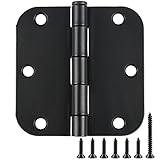
I remember the first time I saw a door with hinges on the outside. My buddy, bless his heart, had just bought a fixer-upper and was showing off all the ‘upgrades.’ He pointed to his front door, all proud-like, and said, ‘See? External hinges. Super secure.’ I just blinked. My brain, wired for years of seeing hinges tucked neatly away on the inside, screamed ‘WRONG!’ It felt like seeing a toilet in the living room. So, are doors that have hinges on the outside unsafe? Let’s cut the marketing fluff and get down to brass tacks.
This isn’t some obscure technicality; it’s about basic security and common sense. You’ve probably seen them on sheds, maybe some older outbuildings, or even some rather… unique architectural choices. But what’s the real story behind them?
The Shocking Truth About Those Exposed Hinges
Look, let’s not beat around the bush. When you see a door where the hinges are sticking out on the side that faces the world, your first instinct might be to wonder if someone can just… pop them off. And honestly, that’s not an entirely unfounded concern. For a standard residential entry door, hinges on the outside are generally considered less secure than those on the inside.
Why? Because the pin is accessible from the exterior. In theory, a determined (and frankly, rather brutish) thief could remove the hinge pins, lift the door right off its frame, and be inside. It’s the simplest way to bypass a locked door if the lock itself is the only thing holding it shut.
I’ve seen flimsy shed doors where this was an absolute joke to bypass. I once helped a friend whose garden shed was broken into, and all it took was a screwdriver to pry the pins out of the external hinges. It took him maybe 30 seconds.
Now, before you panic and start inspecting every door you own, there’s a bit more nuance. Not all external hinges are created equal, and manufacturers have developed ways to mitigate this obvious vulnerability. For instance, many external hinge designs have ‘security studs’ or non-removable pins. These little nubs prevent the hinge pin from being removed even if you try to tap it out from the bottom.
So, while the hinge is visible and on the outside, the door is still secured. It’s like having a really obvious padlock on your door – it looks intimidating, but the lock itself is designed to be tamper-proof. This is a key point often missed by people asking if doors that have hinges on the outside are unsafe. The answer is often ‘it depends on the hinge design.’
However, even with security studs, the very fact that the hinge hardware is exposed can be a deterrent or, conversely, an invitation. It’s a visual cue. If a burglar sees external hinges, even tamper-proof ones, they might move on looking for an easier target. Or, they might investigate further, looking for other weaknesses. It’s a psychological game as much as a physical one. For my own house, I’ve always preferred the clean look and perceived security of internal hinges on my main entry points. I’ve spent enough time and money trying to secure my home to leave an obvious potential vulnerability exposed. It just feels like leaving the back door wide open, even if it’s technically bolted.
When External Hinges Make Sense (and When They Don’t)
So, where do you actually see doors with external hinges and why? Well, they’re not just for sheds and garages, though those are common. You’ll often find them on older storm doors, some industrial gates, or even certain styles of garden gates where the aesthetic is more about a rustic or utilitarian look. Think of a charming, old-fashioned screen door on a farmhouse porch. Those often have external hinges, and frankly, they look right. The security risk there is minimal because the primary door is behind it, and you’re not typically worried about a sophisticated break-in through a screen door. The purpose is function and a certain visual appeal, not high-level security.
Another common place is on doors that swing outwards, especially in commercial settings or public buildings. Fire safety codes sometimes dictate that certain doors must open outward to help a quick evacuation. In these cases, external hinges are often a practical necessity. The doors might be heavy, or the mechanism might require them to swing freely outward without obstruction. The security concern is then addressed through solid lock mechanisms and reinforced door frames, rather than solely relying on hidden hinges. It’s a trade-off: prioritize egress over a slightly more exposed hinge. But again, these are usually not the main entry points for a private residence where a stealthy breach is the primary concern.
My own experience with this comes from a poorly designed patio door on a rental property. It opened outwards, and yes, the hinges were on the outside. It was a flimsy aluminum thing, and honestly, I felt like I could kick it in with a good boot. The external hinges were just another piece of the puzzle that screamed ‘cheap and insecure.’ (See Also: A Box Without Hinges Key )
I ended up reinforcing the frame and adding extra deadbolts, which felt like putting a fancy racing engine in a golf cart – it didn’t quite fit the original design. The point is, context matters. A sturdy, well-built door with tamper-proof external hinges on a gate might be perfectly fine.
A flimsy residential door with basic external hinges? That’s a different story entirely.
What About the Hinge Pin Itself?
People often ask about the hinge pin being the weak point. If the hinge pin is exposed and removable, then yes, it’s a direct vulnerability. Imagine trying to break into a house where the only thing stopping someone from lifting the door off is a few small pins. It’s not exactly Fort Knox. That’s why, for any door where security is a concern, you want to make sure that the hinge pins are either non-removable (security studs, as mentioned) or that the hinges are installed in such a way that the door cannot be lifted even if the pins are removed. This usually means the door sits into the frame, or the hinge knuckles interlock.
Are Doors That Have Hinges on the Outside Unsafe?
This question often arises from a general assumption that anything visible is inherently weaker. For basic, unadorned hinges without any security features, the answer is a qualified yes, they can be unsafe. However, modern external hinges often incorporate features that make them just as secure, if not more so, than some internal hinge setups. The key is to look for those security features like non-removable pins or interlocking knuckles. If you’re looking at a door with external hinges and can see the pins easily, and they look like standard nails, then yes, it’s a vulnerability worth addressing.
The Great Hinge Debate: Internal vs. External
The classic setup for most residential doors is internal hinges. They’re hidden from view, tucked away on the inside of the door frame. This offers a clean aesthetic and, more importantly, significantly boosts security. Why? Because the hinge pins are on the interior side, inaccessible from the outside. Even if someone could somehow remove the pins (which is very difficult without the door being open), the door’s design usually prevents it from being lifted off the frame. It’s a simple, elegant solution that prioritizes security. I’ve never had a moment’s worry about the hinges on my interior doors, and that’s precisely the peace of mind you want for your main entry points.
On the flip side, external hinges, as we’ve discussed, put the hardware on display. The primary security concern, the hinge pin, is potentially accessible from the outside. This is where the ‘unsafe’ label often comes from. If you have a basic door with basic external hinges, like the cheap ones you might find on a garden shed, then yes, it’s a weak point. A determined person could potentially remove the pins and lift the door off. I learned this the hard way when a storm blew one of my old shed doors right off its frame because the external hinges, which were just simple screws, failed. It wasn’t a break-in, but it showed me the potential for failure.
However, it’s not a black-and-white issue. There are high-security external hinges designed for situations where outward-swinging doors are necessary or aesthetically preferred. These often feature non-removable pins, security studs, or special interlocking designs that prevent the door from being removed even if the pins are tampered with. Think of heavy-duty industrial gates or certain types of fire doors. The technology exists to make external hinges secure. The problem arises when you have a door where security is most important, but it’s fitted with standard, easily defeated external hinges. This is a common mistake I see people make when trying to ‘upgrade’ their home security on a budget – they focus on the lock but overlook the hinges.
Here’s a little table to break down the perceived pros and cons, from my own biased, hands-on perspective:
| Feature | Internal Hinges | External Hinges (Standard) | External Hinges (Security) | My Verdict |
|---|---|---|---|---|
| Security | High | Low to Moderate | High | Internal is generally best for peace of mind. Security external are good when needed. |
| Aesthetics | Clean, Hidden | Visible, Can be utilitarian or rustic | Visible, Often industrial | Internal wins for a clean residential look. |
| Installation Complexity | Standard | Can be simpler for outward swing | Can be more complex | Usually a wash, unless you’re dealing with specialized hardware. |
| Cost | Standard | Often cheaper | Can be more expensive | Don’t skimp on security hinges if you need them. |
| Maintenance | Minimal | May need more lubrication/cleaning | May need more lubrication/cleaning | Similar, but exposed hardware can gather more grime. |
Common Mistakes and How to Avoid Them
One of the biggest mistakes people make is assuming all hinges are created equal, especially when it comes to external ones. They see them, they’re functional, and they move on. But as we’ve hammered home, the design of the hinge matters.
If you’re looking at a door with external hinges, particularly on a primary entry point, do your homework. What kind of pins does it have? Are there security studs? (See Also: Are Integrated Washing Machine Door Hinges Standard )
Can the pin be removed with a simple tool? If the answer is ‘yes’ to the last question, then you’ve got a problem.
I once bought a used workbench with a cabinet door that had external hinges. It looked fine, but a slight tug on the door showed me the pins were loose. A quick tap with a hammer from the bottom and the door would have been off. I immediately replaced the hinges with a more secure set.
It cost me about $30 for a pair, but the peace of mind was worth ten times that.
Another common error is focusing solely on the lock. People will spend a fortune on fancy deadbolts and high-security locks, only to have their doors bypassed via easily accessible external hinges. It’s like putting a titanium vault door on a cardboard box. The lock is only as strong as the weakest point of entry. For external hinges, making sure they are ‘security hinges’ with non-removable pins is most important. If the door opens outwards, you also want to make sure the door sits snugly within the frame, making it difficult to pry open, even if the hinges were somehow defeated.
People also sometimes opt for external hinges for aesthetic reasons without fully considering the security implications. While a rustic look is fine for a garden gate or a shed, it’s a different story for your front door. You want your front door to look welcoming, but also formidable. Exposed hinges can undermine that feeling of security. If you absolutely love the look of external hinges on your main door, you must invest in high-security versions. Don’t be tempted by the cheaper, standard options. I’ve seen homes where people tried to ‘dress up’ basic external hinges with decorative covers, but that does nothing to address the underlying security flaw. It’s purely cosmetic.
Finally, don’t underestimate the power of a good door frame. Even the most secure hinges can be compromised if the frame is weak and can be easily kicked in or pried apart. Make sure your door frame is solid, well-anchored to the wall, and that the hinges are properly secured into it. This is particularly true for outward-swinging doors. The hinges need solid purchase to do their job effectively.
Real-World Use: My Shed and the Wind Incident
I’ve got a fairly large workshop shed in my backyard. It’s got a couple of decent-sized doors, and yes, they have external hinges. When I first built it about ten years ago, I went with the cheapest, most basic external hinges I could find at the local hardware store. They were simple, black metal, and looked the part. They did the job for a while, keeping my tools and equipment safely stored away. The shed itself is pretty solid, made of thick timber, so I didn’t think too much about the hinges.
Then came that freak storm a few years back. The wind speeds were insane – easily over 70 mph.
I was inside the house, watching trees bend like spaghetti. Suddenly, I heard this almighty BANG from the direction of the shed. I went to the window and saw one of the shed doors… well, it was flapping violently, half off its frame.
The wind had caught it just right, and because the hinges were on the outside and only secured with standard screws, the force had basically ripped the door away from the frame, tearing the hinges right out. The pins weren’t the issue; it was the screws pulling out of the wood because the stress was all on the exterior hardware. It was a mess. Tools were strewn across the yard. (See Also: Are Hinges Wheeels )
This was a real eye-opener. It wasn’t a security breach in the sense of a burglar, but it showed me the limitations of basic external hinges when subjected to significant force. If wind could do that, imagine what a determined person could do with a pry bar.
I spent the next weekend replacing all the hinges on both shed doors with heavy-duty, security-style external hinges that have non-removable pins and thicker mounting screws. I also made sure the door frame itself was reinforced. The whole job cost me about $150 for the hardware and a bit of my Saturday.
Now, even in strong winds, the doors stay put. It was a costly lesson in not skimping on hardware, especially when it’s exposed.
What Are the Signs of a Weak External Hinge?
A weak external hinge will often show visible signs of wear or damage. Look for bent metal, stripped screw holes, or loose-fitting pins. If you can easily wiggle the hinge or the door itself, that’s a red flag. For standard hinges, if the pin can be tapped out from the bottom with a hammer or screwdriver, it’s not secure. Security hinges will have features like studs that protrude from the knuckle, preventing the pin from being removed. Any gap between the door and the frame when closed, especially near the hinges, also suggests weakness or improper installation.
The Faq: Getting Straight Answers
Are Doors That Have Hinges on the Outside Unsafe for a Home?
For a standard residential home, especially on the main entry doors, doors with basic external hinges are generally considered less safe than those with internal hinges. This is because the hinge pins can be accessible from the outside, allowing for potential removal to bypass security. However, modern security hinges with non-removable pins significantly mitigate this risk. The ultimate safety depends on the specific type of hinge and its installation.
Can a Door with External Hinges Be Kicked in?
Yes, a door with external hinges can potentially be kicked in, just like any door, if the frame is weak or the lock is not solid. The hinges themselves, if they are standard external ones, are a weak point that could allow the door to be lifted off its frame before or during a kicking attempt. Security hinges with non-removable pins offer better resistance against this type of attack.
What Is the Purpose of External Door Hinges?
External door hinges are primarily used when a door needs to swing outwards, such as for fire safety egress requirements, or for aesthetic reasons on certain styles of doors like garden gates or old-fashioned screen doors. They can also be used in situations where access to the hinge for maintenance or adjustment is needed from the exterior. Their purpose is often functional or stylistic, with security being a secondary consideration that needs to be addressed with specialized hardware.
How Do You Make External Hinges More Secure?
To make external hinges more secure, you should make sure they are ‘security hinges’ that feature non-removable pins or security studs. These designs prevent the hinge pin from being removed even if the hinge is accessible from the outside. Additionally, make sure the door frame is strong and well-anchored, and that the door itself fits snugly into the frame to prevent prying. Using longer, stronger screws that anchor deeply into the door frame studs is also a good practice.
Conclusion
So, to wrap this up: are doors that have hinges on the outside unsafe? The answer is usually a ‘yes, if they’re basic, unadorned hinges.’ My own shed incident is a stark reminder that exposed hardware can be vulnerable to more than just burglars – it can be vulnerable to the elements too. If you’re looking at external hinges, especially on your home, you absolutely need to be looking at security hinges with tamper-proof pins. Don’t just assume they’re fine because they look sturdy.
It’s about understanding the mechanics. Hinges on the outside mean the pin is exposed. If that pin can be removed, the door can be lifted off. Simple as that. If the hinges are designed with security in mind, then they can be just as safe, if not safer, than internal hinges, especially for outward-swinging doors where internal hinges might be impractical or impossible.
My advice? For your main home entry doors, stick with internal hinges unless there’s a very compelling, code-mandated reason not to. If you must have external hinges, do your homework. Invest in the good stuff. And if you’re dealing with an older property or a shed, give those hinges a good inspection. You might be surprised what you find, and a few bucks on better hardware now can save you a lot of headache later.