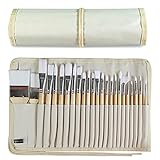
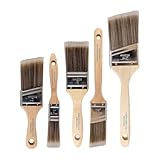
I remember the first time I saw a truly high-end paintbrush. It was sitting in a fancy art supply shop, looking more like a piece of jewelry than a tool. The price tag made my eyes water. “For that much money,” I thought, “it better paint the damn picture for me.” I’ve wasted more cash on cheap, flimsy brushes that shed bristles like a nervous dog, leaving me frustrated and my work looking like a hairy mess. So, are expensive paint brushes worth it? It’s a question that bugs a lot of artists, from hobbyists to pros.
The honest answer isn’t a simple yes or no. It depends on what you’re doing, who you are, and what you expect from your tools. Let’s cut through the marketing fluff and get down to brass tacks about whether shelling out for premium bristles actually makes a difference in your painting.
Why Some Brushes Cost a Fortune (and Others Don’t)
Look, nobody’s born knowing the difference between hog bristle and sable. My own journey started with a pack of dollar-store brushes that fell apart faster than a New Year’s resolution. I remember trying to paint a smooth sky and ending up with streaks that looked like a badger had clawed the canvas.
That’s when I started paying attention. The materials used in a brush are a huge part of its cost. Natural hairs like sable, squirrel, and even specific types of hog bristle are expensive to source, process, and shape.
Synthetic fibers, on the other hand, can be manufactured consistently and in vast quantities, driving down costs. But it’s not just the hair; the ferrule (that metal bit holding the hair to the handle) and the handle itself play a role. A smooth, solid brass ferrule that’s securely crimped won’t corrode or loosen over time, unlike cheap aluminum ones that can warp and leak glue. A well-balanced wooden handle, often made from hardwoods, feels better in your hand for long painting sessions.
Then there’s the craftsmanship. Some brushes are handmade, with each hair meticulously placed and shaped by experienced artisans. This level of detail and quality control obviously comes with a price tag.
For example, Kolinsky sable brushes, often considered the gold standard for watercolor, are prized for their ability to hold a lot of water and snap back into a fine point, a result of the specific properties of the red sable hair and careful shaping. You’re not just paying for bristles; you’re paying for decades of material science and artisanal skill that go into making a tool perform exceptionally well.
The other factor is brand reputation and marketing. Some brands have built a legacy on quality, and their prices reflect that heritage. You’re paying for the name, sure, but often that name is backed by genuinely superior products.
However, there’s also a lot of hype. I’ve seen brushes with fancy names and even fancier packaging that perform no better than a decent mid-range option. It’s like those designer handbags; sometimes you’re paying 80% for the logo. So, when you’re looking at the price, consider what’s behind it: material quality, construction, and the reputation for performance, rather than just the shiny exterior or a famous name.
It’s a delicate balance between paying for true quality and paying for a marketing story. My own experience has taught me that while some of the priciest options are worth every penny, others are just overpriced.
What Actually Makes a Paint Brush ‘good’
Forget the marketing jargon for a second. What makes a brush actually work well? It boils down to a few key things: how much paint it holds, how smoothly it lays down that paint, and how well it retains its shape.
For oil and acrylic painters, bristle stiffness and ‘spring’ are most important. Stiff hog bristles are great for pushing thicker paint around, creating texture, and making bold strokes.
Synthetic bristles can be engineered to mimic these qualities, often with better durability and easier cleanup. They might feel a bit firmer or ‘livelier’ in your hand. For watercolor and gouache, absorbency and the ability to hold a fine point are king. Sable and squirrel hairs excel here because their structure allows them to soak up and release a lot of liquid pigment precisely where you want it.
When you’re doing delicate washes or fine details, a brush that can hold a sharp edge is a must. I once bought a synthetic watercolor brush that was supposed to be amazing for fine lines. It felt okay, but it just didn’t have that crisp point, and my tiny details ended up looking fuzzy.
It was a frustrating lesson in how material matters for specific techniques.
The ‘snap’ or ‘resilience’ of a brush is another important characteristic. This is how well the bristles spring back to their original shape after being bent. A brush with good snap will resist bending and hold its form even when you apply pressure. (See Also: Can Acrylic Paint Go In An Air Brush )
This is key for controlling your strokes, whether you’re creating sharp edges or soft blends. Cheap brushes often have poor snap; the bristles get permanently splayed out after a few uses, making them useless for anything requiring precision.
Think about it: if your brush bends and doesn’t bounce back, your lines will be wobbly, and your application will be uneven. The feel of the brush in your hand also matters for extended use.
A well-balanced handle, not too heavy or too light, and made of comfortable material, makes a big difference. Some expensive brushes are designed with ergonomic handles that reduce hand fatigue during long painting sessions. Finally, durability is key. A good brush should last you a long time if cared for properly.
This means the ferrule won’t rust or loosen, the glue holding the bristles won’t fail, and the bristles themselves won’t split or shed excessively. When you’re spending a decent amount of money, you expect it to be an investment that pays off in performance and longevity.
Contrarian Take: When Cheap Might Be Better
Alright, let’s get controversial. Everyone says you need the most expensive brushes to be a ‘real’ artist. I disagree.
For certain types of painting and certain stages of your artistic journey, expensive isn’t always better. Hear me out. If you’re an abstract artist who loves impasto techniques, slathering thick paint onto a canvas with palette knives or stiff, cheap bristle brushes can be incredibly effective and fun. You’re not aiming for delicate lines or subtle blending; you want texture and bold marks.
In that case, a $5 stiff brush that you can abuse and even cut up to create unique marks is far more valuable than a $50 sable brush that you’d be terrified to ruin. I’ve seen painters create incredible textural work using nothing but cheap hardware store brushes and aggressive mediums.
They don’t fret about damaging them because they’re disposable.
Another angle is experimentation. If you’re just starting out, or if you’re trying a completely new medium or style, buying a set of expensive brushes can feel like a huge gamble. You might discover you hate watercolors, or that acrylics aren’t your jam.
In those situations, a moderately priced beginner set is more than sufficient. You can learn the basics of brush handling, paint application, and stroke control without a massive financial commitment.
Once you’ve found your niche and know what you’re looking for in a brush, then you can invest in the high-end stuff. I know people who buy the fanciest brushes and then barely use them because they’re too scared of damaging them or they don’t actually know how to maintain them.
It’s like buying a Ferrari and only driving it to the grocery store once a month. Sometimes, the best tool is the one you’re not afraid to get dirty with. For specific effects, like dry brushing with oils or applying gesso with heavy-handed strokes, a cheaper, stiffer brush can actually give you more control and a better result than a very fine, expensive one designed for delicate work.
So, while quality matters, don’t let the price tag be the only deciding factor; consider the job the brush needs to do and your own comfort level with ‘sacrificing’ expensive tools.
When to Splurge: For the Serious Artist
Okay, so when does it make sense to drop serious cash on paint brushes? For me, it’s when I’m working with mediums that require precision and subtle control, and when I’ve moved beyond the beginner stage. If you’re serious about realism, portraiture, botanical illustration, or detailed miniature work, you’ll notice a world of difference with high-quality brushes. Think about watercolorists who need to lay down smooth, even washes without streaks or poodles of paint where they don’t belong.
A good sable brush will hold enough water to create a beautiful gradient and snap back to a needle-sharp point for delicate veins on a leaf or the glint in an eye. For oil painters working on fine details, like individual hairs in a beard or the subtle highlights on jewelry, a well-made synthetic or a soft natural hair brush with excellent control is a big deal. (See Also: Can Acrylic Paints Be Used In An Aqua Brush )
I remember trying to paint tiny details with a cheap brush that was fraying, and it was like trying to write with a broom. Switching to a good quality fine liner brush felt like going from a crayon to a pen.
The difference in control and the crispness of the lines was astounding. It allowed me to achieve a level of detail I simply couldn’t before.
The durability and longevity of expensive brushes also play a role here. While they are an upfront investment, they can last for years, sometimes even decades, with proper care. This means they continue to perform consistently over time, which is invaluable when you’re working on a large or complex piece. Cheaper brushes might cost less individually, but you’ll likely go through several of them in the time a single high-quality brush would last.
Over the long haul, the cost per use can actually be lower for the expensive brush. Furthermore, the sheer pleasure of using a well-crafted tool cannot be overstated. A brush that feels balanced in your hand, that glides smoothly across the surface, and that responds intuitively to your every movement can make the entire painting process more enjoyable and less frustrating. It’s like a musician with a finely tuned instrument; it allows them to express themselves more fully.
So, if you’re committed to developing your skills in detailed or delicate work, and you’re tired of fighting your tools, then yes, investing in a few high-quality brushes is absolutely worth it. It’s about investing in your craft and enabling yourself to achieve the results you envision.
What to Look for: A Buyer’s Guide
When you’re ready to invest, or even just looking to upgrade, what should you actually be looking for? First, consider the type of paint you use. This is the biggest determinant. For watercolors and acrylics, synthetic bristles are often a fantastic starting point and can rival natural hairs for many applications.
Look for synthetic brushes that are specifically designed for watercolor or acrylics, as they’ll have different flex and absorbency properties. For very fine detail work, look for brushes with a high hair density and good ‘snap’. Natural hair brushes like Kolinsky sable are generally the top tier for watercolor, known for their fine point and excellent water retention, but they come with a hefty price tag. For oils and heavier acrylics, hog bristle brushes are traditional.
They are stiff and durable, great for texture and pushing paint. Synthetic hog bristle mimics this well and is often more affordable and easier to clean.
Look for brushes with firm bristles and good ‘spring’.
Next, examine the construction. The ferrule should be smooth, made of a material like brass or nickel-plated copper, and securely crimped onto the handle. Avoid brushes with visible seams, rust spots, or a loose ferrule. The handle should feel comfortable in your hand, balanced, and be made of a durable material like hardwood.
For long painting sessions, a comfortable grip can prevent fatigue. Pay attention to the ‘shape’ or ‘profile’ of the brush head. Rounds are good for details and lines, flats and brights for broad strokes and filling areas, filberts offer a happy medium between round and flat, and fan brushes are useful for blending and creating texture.
For expensive brushes, you’re often paying for consistent quality control in how the bristles are shaped and bundled. A good brush will have its bristles carefully arranged to hold the maximum amount of paint and maintain a consistent shape. Many artists recommend buying just a few high-quality brushes in the shapes and sizes you use most often, rather than a large, cheap set. A reputable art supply store or online retailer that provides detailed descriptions of the brush materials and construction will be your best bet.
It’s also worth checking out reviews from other artists, but always take them with a grain of salt and remember what works for one might not work for another. Don’t be afraid to ask for recommendations at your local art store; knowledgeable staff can be a great resource.
| Brush Type/Material | Pros | Cons | Verdict |
|---|---|---|---|
| Cheap Synthetics (e.g., basic craft store packs) | Very affordable, good for kids or initial experimentation, disposable. | Shed bristles, poor shape retention, rough paint application, don’t hold much paint. | Avoid for serious work. Okay for very basic priming or textural effects if you don’t care about quality. |
| Mid-Range Synthetics (e.g., Princeton, Silver Brush) | Good balance of price and performance, durable, versatile, good for acrylics/watercolors. | Can sometimes lack the fine point or superior water retention of natural hairs. | Excellent value. Great for students, hobbyists, and many professionals. A safe bet for most mediums. |
| High-End Synthetics (e.g., some Raphael, Escoda) | Mimic natural hair properties very well, excellent durability, great control, good for fine detail. | Can be pricey, might still fall short for the absolute finest watercolor techniques compared to top sable. | Worth it if you need consistent performance and durability, especially for acrylics or detailed watercolors. |
| Hog Bristle (Natural or Synthetic) | Stiff, durable, great for texture, impasto, pushing paint. Holds up to heavy mediums. | Can be scratchy, less precise for smooth blending or fine details. | Key for certain oil and acrylic techniques that require texture and force. |
| Kolinsky Sable (Watercolor/Gouache) | Exceptional water retention, fine point, great snap, superior control for washes and details. | Very expensive, requires careful handling and maintenance, can be damaged by certain mediums. | The gold standard for watercolorists focused on precision and fine art. Worth the splurge if your budget allows and your technique demands it. |
Common Brushing Mistakes & How to Avoid Them
Even with the best brushes, you can mess things up. One of the most common blunders is improper cleaning.
If you let paint dry in the ferrule or on the bristles, they will splay, lose their shape, and become useless. For acrylics, this means rinsing thoroughly with water and a bit of soap immediately after use. For oils, it means using a solvent like odorless mineral spirits until the brush runs clean, then washing with soap and water. Never leave your brushes sitting in water or solvent; it damages the glue and can ruin the ferrule. (See Also: A Brushes Digital Painting )
Another mistake is using the wrong brush for the job. Trying to do fine detail with a large flat brush will only lead to frustration. Likewise, using a delicate sable brush to scrub thick oil paint will ruin it. Always match the brush’s properties (stiffness, shape, size) to the task at hand.
I once saw someone using a beautiful, expensive round brush to spread gesso like they were frosting a cake. It was heartbreaking. The gesso dried in the bristles, and the brush was never the same.
They probably blamed the brush instead of their method.
Storage is another often-overlooked area. Storing brushes bristles-up in a jar can cause them to bend permanently.
It’s best to store them flat, in a dedicated brush case, or bristles-down in a container where the bristles are not touching anything. This preserves their shape. Many artists use brush holders that allow the bristles to hang freely.
Also, don’t press too hard. Unless you’re deliberately trying to create texture with stiff bristles, applying excessive pressure can damage the brush, splay the hairs, and lead to uneven paint application. Learn to let the brush do the work. For watercolors, overworking a wash or scrubbing too aggressively can lift the pigment and create muddy results, even with the best brushes.
Understanding the properties of your paint and how it interacts with the brush is just as important as the brush itself. If you’re constantly struggling with your brushes, ask yourself if it’s the tool or the technique that needs adjusting.
It’s usually a combination of both, but a good brush can make learning the right technique much easier.
Are Expensive Paint Brushes Really That Different From Cheap Ones?
Yes, they are significantly different. Expensive brushes are typically made with higher-quality materials, like fine natural hairs or advanced synthetic fibers, and are constructed with better durability and precision. This results in superior paint retention, smoother application, better shape retention, and a longer lifespan compared to cheap brushes that often shed bristles and lose their form quickly.
What Is the Best Type of Brush for Beginners?
For beginners, a good set of mid-range synthetic brushes is usually the best starting point. They offer a good balance of performance, durability, and affordability, making them suitable for various mediums like acrylics and watercolors without the fear of ruining an expensive tool. You can learn the fundamentals of brush control and paint application with these before investing in pricier options.
How Often Should I Replace My Paint Brushes?
The lifespan of a paint brush depends heavily on its quality, the type of paint used, and how well it’s maintained. High-quality brushes, when properly cleaned and cared for, can last for many years. Cheaper brushes might need replacing every few months with regular use. If a brush consistently sheds bristles, loses its shape, or becomes frayed, it’s time to consider replacing it, regardless of its age or cost.
Can I Use Oil Paint Brushes for Acrylics?
Yes, you can use oil paint brushes for acrylics, especially stiffer bristle types. However, the reverse is not always true. Acrylic paints are water-based and can be harder to clean from natural hair brushes intended for oils, potentially damaging them. Stiff hog bristle brushes, whether natural or synthetic, are generally solid enough for both mediums. Always clean acrylic paint thoroughly from any brush immediately after use.
How Do I Clean My Expensive Paint Brushes?
Cleaning expensive brushes properly is important for their longevity. For acrylics, rinse immediately with water and a mild soap until all pigment is gone, reshape the bristles, and let dry flat or bristle-up. For oils, use a solvent (like odorless mineral spirits) to remove the bulk of the paint, then wash thoroughly with soap and water, reshape, and dry. Never let paint dry in the ferrule, as this can permanently damage the brush.
Conclusion
So, are expensive paint brushes worth it? For me, the answer is a qualified yes. They aren’t a magic bullet, and you can do amazing things with decent mid-range tools. But when you’re pushing your skills, aiming for precision, and want your tools to feel like an extension of your hand rather than a battle, then yes, a few high-quality brushes can absolutely transform your painting experience and the results you achieve.
Don’t go out and buy a dozen of the priciest brushes you can find all at once. Start with one or two that you know you’ll use the most, in the shapes and sizes that suit your typical work. Treat them well, clean them properly, and see if you notice the difference. You might find that for a lot of your work, your current brushes are perfectly fine, but for those specific moments demanding finesse, a splurge can be a genuine big deal for your art.
It’s about investing smart, not just spending big. Understand what you need from a brush for your specific medium and style, and then seek out the best quality you can afford within that context. Your hands and your artwork will thank you.