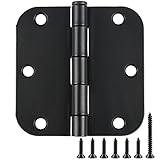
I remember staring at my kitchen cabinets, the shiny metal hinges glaring at me. It was 2010, and everyone was singing the praises of sleek, handle-less designs. My own cabinets, however, had these chunky, exposed hinges that felt… well, dated. I’d spent a small fortune on a kitchen renovation, and suddenly, these hinges felt like a glaring oversight. The question that haunted me was: are exposed cabinet hinges outdated, or am I just being a design snob?
Honestly, I went back and forth on it for weeks. I scoured Pinterest, flipped through magazines, and even asked friends who were ‘into’ design. The consensus seemed to be a resounding yes, they’re outdated. But then I started noticing them everywhere – in trendy cafes, in some of those super-expensive designer kitchens, even on some new builds. This whole ‘outdated’ thing got complicated fast.
The Case Against the Visible Hinge: Why the Trend Shifted
Let’s be blunt: the biggest reason exposed cabinet hinges started to feel old-school is the rise of minimalism. Around the late 2000s and early 2010s, the design world went nuts for clean lines. Think shaker doors, flat-front cabinets, and hardware that either disappeared or was intentionally subtle. The idea was to create a smooth, uncluttered look. Exposed hinges, with their visible screws and metalwork, just didn’t fit that pristine aesthetic.
I saw this firsthand when I was helping a friend renovate her bathroom. She was dead set on a modern, spa-like feel. She’d picked out these gorgeous, pale grey shaker cabinets. Then came the hinges. She initially wanted these ornate, antique brass ones because she loved the look. I had to gently, but firmly, explain that while they were beautiful in their own right, they would completely kill the modern vibe she was going for. We ended up with nearly invisible European hinges that recessed into the cabinet frame. The result? A million times more simplified. It hammered home the point: for that specific look, exposed hinges were a no-go.
The technology also played a role. Soft-close mechanisms, magnetic catches, and those clever push-to-open systems became more accessible and affordable. These innovations allowed cabinets to open and close smoothly, silently, and without any visible hardware sticking out. It felt futuristic, and frankly, a lot more convenient. Who wants to fiddle with a handle or deal with a hinge that might squeak when you can just push a door and have it glide open?
Another angle is maintenance. Exposed hinges, especially older styles, can collect dust and grease. Cleaning around them can be a pain. They can also snag on dish towels or clothing if you’re not careful. I’ve personally ripped a sleeve on a protruding hinge while trying to grab a pot from under the sink. Not a pleasant experience, and definitely not something you want in a high-traffic area like a kitchen or a busy hallway.
The Rebuttal: Why Exposed Hinges Aren’t Dead (yet)
Now, here’s where I get contrarian, and honestly, where a lot of people miss the mark. Everyone says exposed hinges are outdated, but I disagree, and here’s why: they offer character and a different kind of aesthetic that isn’t inherently bad. Think about it – not every home is going for that ultra-modern, IKEA-catalog look. There’s a whole world of design out there that embraces warmth, texture, and a bit of historical nod. Exposed hinges can absolutely be part of that.
Take my uncle’s farmhouse. His kitchen is a testament to this. It’s got these beautiful, solid oak cabinets that are probably 30 years old. They have these sturdy, black, strap-style exposed hinges. They aren’t dainty or fancy; they are functional and make a statement. They don’t look ‘dated’ in his kitchen; they look right. They complement the rustic wood, the exposed beams, and the generally cozy, lived-in feel. If he’d put those sleek, hidden hinges on, it would have felt sterile and out of place. The hinges are part of the story of his house.
The truth is, the ‘outdated’ label often gets slapped on anything that isn’t the current trending style. But style is cyclical, and sometimes, features that were once common are revived because they offer something unique. Exposed hinges, especially decorative ones like T-hinges, strap hinges, or butt hinges with ornate finials, add a visual element. They can be a deliberate design choice, not just a functional necessity. They can speak to a certain era – farmhouse, industrial, vintage, or even a more traditional build.
I’ve seen some incredible industrial-style kitchens where raw steel exposed hinges are a key feature, contributing to that edgy, utilitarian vibe. Similarly, in a well-executed craftsman or colonial home, period-appropriate exposed hinges can be a beautiful detail that adds authenticity. The key isn’t whether they are exposed; it’s about whether they fit the overall design intent of the space. A poorly chosen exposed hinge on a modern cabinet is jarring. A well-chosen one on a rustic cabinet is charming.
Types of Cabinet Hinges: What You’re Actually Dealing With
When we talk about exposed hinges, it’s easy to lump them all together, but there’s a bit more nuance. Understanding the different types helps you appreciate why some work better than others in certain contexts. Most of what people consider ‘exposed’ fall into a few main categories, and it’s important to know the difference. (See Also: A Box Without Hinges Key )
The most common type you’ll see, especially in older kitchens or more traditional styles, is the butt hinge. This is your basic, no-frills hinge where the two leaves are attached to the adjoining surfaces (the cabinet frame and the door). You see the hinge barrel (the part that pivots) and the screw heads holding it in place. They are functional, reliable, and generally the most affordable. I replaced a few sets in my own pantry after one of the old ones gave out. It was a straightforward job, maybe took me an hour for the whole pantry, and the new ones, while visible, were hardly offensive. They just did their job.
Then you have strap hinges and T-hinges. These are often found in farmhouse or barn door styles. They are typically much larger and more decorative, with the strap extending across the cabinet door. They are designed to be seen and are a prominent visual element. I saw a stunning old dresser at an antique market with these incredible wrought-iron T-hinges. They were gorgeous, and definitely a design feature, not just a way to hang a door.
On the other end of the spectrum, you have what people often think of when they say ‘modern’: European hinges, also known as concealed hinges or overlay hinges. These are completely hidden when the door is closed. They mount inside the cabinet frame and door.
They are the go-to for that sleek, minimalist look. They also usually come with built-in soft-close features, which is a nice bonus.
The installation can be a bit trickier than butt hinges because they require precise drilling for the cup that houses the hinge mechanism. I learned that the hard way trying to install them on my first DIY entertainment unit. Took me three tries to get the mortises right. Lesson learned: measure twice, cut once, and don’t rush with power tools.
Here’s a quick rundown of what to look for when you’re deciding:
| Hinge Type | Visibility | Typical Aesthetic | Pros | Cons | My Verdict |
|---|---|---|---|---|---|
| Butt Hinge | Exposed | Traditional, Functional | Simple, Affordable, Easy to Install | Can look plain, Visible screws | Reliable workhorse for less design-focused areas. |
| Strap/T-Hinge | Very Exposed | Farmhouse, Industrial, Rustic | Strong decorative element, Authentic feel | Can be bulky, Limited style compatibility | Fantastic for specific character-driven spaces. |
| European (Concealed) | Hidden | Modern, Minimalist, Clean | Sleek look, Soft-close common, Versatile | More complex installation, Can be pricier | The default for clean modern design. |
Common Mistakes When Choosing or Keeping Hinges
Okay, so you’re looking at your cabinets and wondering if those hinges are a problem. One of the biggest mistakes I see people make is thinking all exposed hinges are automatically bad. This isn’t true. The mistake is usually in the execution or the context. For instance, putting a cheap, flimsy, bright chrome butt hinge on a solid, dark wood cabinet is going to look cheap and out of place. It’s like putting plastic garden gnomes in a formal rose garden – it just doesn’t fit the vibe.
Another common pitfall is focusing solely on function and ignoring form, or vice-versa. If you’re going for a high-end, modern look, you need concealed hinges. If you have antique cabinets that are meant to showcase a vintage style, those ornate strap hinges are probably the way to go. Trying to force one into a space where it doesn’t belong is where the ‘outdated’ feeling comes from. I once saw a kitchen with modern grey slab cabinets and these old, clunky brass hinges that looked like they belonged on a medieval chest. It was a disaster. The owner clearly didn’t understand how hinges affect the overall impression.
People also make the mistake of not considering the finish. A brushed nickel hinge will have a completely different feel than a matte black or a polished brass one.
The finish can either blend in or stand out. If you’re trying to achieve a minimalist look, a hinge that matches the cabinet finish or is a subtle tone is key. If you want the hinge to be a feature, a contrasting finish can be brilliant, but it needs to be deliberate. (See Also: Are Integrated Washing Machine Door Hinges Standard )
I spent an afternoon agonizing over hinge finishes for a built-in bookshelf. It sounds trivial, but the difference between oil-rubbed bronze and matte black was huge for the final look.
I finally settled on matte black because it tied in with the other hardware I’d chosen.
Finally, there’s the sheer neglect. Hinges, exposed or not, need maintenance. If your exposed hinges are rusty, squeaky, or loose, they will make even the nicest cabinets look neglected and, yes, outdated. A little oil, a tightening of screws, or even a replacement can make a world of difference. Don’t let a $5 hinge ruin the look of your $5,000 cabinets.
Real-World Use: Where Exposed Hinges Can Still Shine
So, where do these visible hinges actually work well? Frankly, anywhere that embraces character, utility, and a less-than-pristine aesthetic. Farmhouse kitchens are an obvious one. Think chunky wooden cabinets, maybe a slightly distressed finish, and a desire for warmth and authenticity. Those black strap hinges or simple, sturdy butt hinges fit right in. They contribute to the cozy, lived-in feel that makes farmhouse style so popular.
Industrial spaces are another big win. Exposed brick, metal accents, concrete floors – these environments often welcome the raw, utilitarian look of exposed metal. A workshop, a loft apartment, or even a commercial kitchen design could benefit from the honest, functional aesthetic of well-chosen exposed hinges. I’ve seen them on metal cabinets in garages and workshops, and they just look the part. They don’t pretend to be anything they’re not.
Traditional homes, particularly those with a historical bent, can also pull off exposed hinges beautifully. If you’re restoring a Victorian home or a colonial-style house, using historically accurate exposed hinges is not just appropriate; it’s key for maintaining the integrity of the design. These aren’t just hinges; they are part of the architectural story. You might find elaborate brass or iron hinges that are decorative and add a touch of elegance or historical gravitas. When I was researching for my own house renovation, I found some amazing resources on period-appropriate hardware for older homes. It made a huge difference in the authenticity.
Even some contemporary designs can incorporate exposed hinges, but it requires careful consideration. This is where you see a deliberate contrast. Perhaps a super-modern, minimalist kitchen with a single, statement-piece island that features a bold, decorative exposed hinge on a contrasting wood or metal cabinet. It becomes an intentional design element, a focal point. It’s not about them being accidentally visible; it’s about them being intentionally prominent. This is a brave move, and it has to be executed perfectly, but when it works, it’s striking.
Ultimately, the question of whether exposed cabinet hinges are outdated depends entirely on the context. If your goal is a smooth, almost invisible cabinet front, then yes, you’ll likely want concealed hinges. But if you’re aiming for character, warmth, a specific historical aesthetic, or a bold design statement, exposed hinges can be a fantastic choice. They are far from universally outdated; they are simply a style choice with specific applications.
Practical Tips for Exposed Hinges (if You’re Keeping or Choosing Them)
If you’ve got exposed hinges already and they’re not screaming ‘throw me out!’, or if you’re deliberately choosing them, here are a few things to keep in mind. First off, clean them regularly. I know, I know, it sounds obvious, but dust, grease, and grime can make even the nicest hinge look like a forgotten relic. A damp cloth with a little mild soap should do the trick for most finishes. For tougher grease, a degreaser designed for kitchen use is your friend. Just be careful not to get it on your cabinet finish.
Secondly, check the screws and lubrication. Exposed hinges, especially older ones, can loosen up over time. Give them a quick check every six months or so. Tighten any loose screws. If a hinge starts to squeak, a tiny drop of WD-40 or a specific hinge lubricant applied to the pivot point usually sorts it out. I used a graphite lubricant on my shed door hinges last year, and they’ve been silent ever since. It’s a simple fix that makes a big difference. (See Also: Are Hinges Wheeels )
Thirdly, consider a finish update. If your hinges are functional but the finish is a mess (think chipped chrome, tarnished brass, or rusty iron), you can often re-finish them. This might involve a light sanding and a spray paint specifically designed for metal (like Rust-Oleum’s specialty metallic finishes) or a chemical re-finishing product. I recently re-painted some old cabinet hinges in my laundry room from a dull brass to a matte black. It took about two hours, including drying time, and cost me less than $20. The transformation was incredible.
Finally, **don’t be afraid to mix and match finishes *carefully***. While it’s generally best to stick to one finish for all your hardware (hinges, pulls, knobs) for a cohesive look, there are exceptions. For example, in a very eclectic or industrial space, you might have black hinges and brushed nickel pulls, but this needs to be a deliberate choice. Generally, if you’re unsure, stick to one metal finish for a cleaner, more intentional look. When in doubt, choose hinges that complement your cabinet style and other hardware. If your cabinets are a dark wood, consider black, oil-rubbed bronze, or even a brushed pewter. For lighter cabinets, brushed nickel, matte white, or even a subtle brushed brass can work well.
Frequently Asked Questions About Exposed Cabinet Hinges
Are Exposed Cabinet Hinges Still in Style?
Whether exposed cabinet hinges are still in style really depends on the overall design aesthetic you’re aiming for. For ultra-modern, minimalist kitchens and bathrooms, concealed hinges are the standard. However, exposed hinges are very much in style for farmhouse, industrial, rustic, and traditional designs, where they can add character and a sense of authenticity. They are a stylistic choice, not an inherently outdated feature.
What Is the Opposite of Exposed Hinges?
The opposite of exposed cabinet hinges are concealed hinges, also commonly known as European hinges or invisible hinges. These hinges are mounted inside the cabinet door and frame, making them completely hidden when the door is closed, contributing to a clean and minimalist appearance.
What Kind of Hinges Are Most Popular Now?
Currently, concealed European hinges are the most popular choice for modern and contemporary cabinetry due to their sleek, unobtrusive look and often integrated soft-close functionality. However, decorative exposed hinges like black strap hinges or farmhouse-style T-hinges remain very popular for specific aesthetic styles like farmhouse, rustic, and industrial designs.
Can You Put Modern Hinges on Old Cabinets?
Yes, you absolutely can put modern hinges on old cabinets, but it requires careful consideration. If you’re trying to update the look of old cabinets to be more modern, switching to concealed European hinges is a common approach. However, you’ll need to make sure the cabinet doors and frames are compatible, which might involve some drilling or routing to accommodate the new hinge styles. For some older cabinets, it might be more appropriate to find modern versions of traditional hinges that better suit the cabinet’s original style.
Final Verdict
So, are exposed cabinet hinges outdated? My honest answer is no, not universally. They’ve certainly fallen out of favor for the ultra-modern, smooth look, and for good reason. But to dismiss them entirely is to miss out on a whole world of design possibilities. They can add character, history, and a deliberate stylistic statement to the right space.
The key takeaway is context. If your cabinets are crying out for a clean, minimalist aesthetic, then yes, you’ll want those hidden European hinges. But if you’re embracing farmhouse charm, industrial grit, or traditional elegance, exposed hinges can be your best friend. Don’t let the ‘outdated’ label scare you away from a feature that might be exactly what your space needs.
Before you go ripping out every visible hinge you own, take a good look at your cabinets and your overall design goals. Are your current exposed hinges working for you, or are they genuinely clashing? Sometimes, a simple clean-up or a hardware refresh is all it takes. If you’re thinking of a change, weigh the aesthetic you want against the type of hinge that will achieve it. It’s a choice, not a mandate.