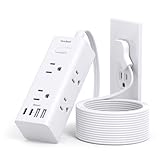
Look, I’ve been on enough cruises to know that while the cabins are usually nice, they’re rarely designed with the modern gadget-lover in mind. You’ve got that one outlet behind the nightstand, another one across the room that feels like a mile away, and your phone, your tablet, your Kindle, your rechargeable toothbrush… suddenly you’re playing a game of outlet Tetris just to keep everything juiced. This whole situation brings up a burning question for many: are extension cords allowed on Princess Cruise ships?
It’s not an unreasonable thing to wonder. We’re talking about a confined space, fire safety is obviously a huge deal on any ship, and the last thing anyone wants is to be the reason the whole damn thing grinds to a halt over a tangled mess of wires.
The Official Line and Why It Might Confuse You
Let’s cut to the chase. Princess Cruises, like most major cruise lines, has a list of prohibited items. This list is generally accessible on their website and often reiterated in pre-cruise communications. And yes, you’ll usually find some variation of ‘surge protectors’ and ‘extension cords’ on that list. However, the devil, as always, is in the details. What they are really worried about are the cheap, flimsy, bargain-bin extension cords that can overheat, melt, and turn into a fire hazard faster than you can say ‘buffet.’ These are the ones with thin wires that can’t handle a decent load, the ones without proper insulation, and the ones that lack safety certifications.
Princess Cruises states, and this is pretty standard across the industry, that they prohibit items that could pose a safety risk. This includes things like candles, portable heaters, and, you guessed it, certain types of electrical accessories. The rationale is straightforward: onboard, space is at a premium, ventilation can be different from your home, and the consequences of a fire are amplified tenfold.
They have strict fire codes and safety regulations to adhere to, and they err on the side of caution. So, if you grab some random, no-name brand cord from the dollar store, you’re absolutely taking a gamble.
It’s almost guaranteed to be confiscated at the security screening, and you’ll likely be without it for the entire voyage. That’s happened to a buddy of mine on a different line; he ended up having to buy a glorified power strip at the ship’s gift shop for triple the price. Lesson learned the hard way.
The key distinction they often implicitly (and sometimes explicitly) make is between a basic extension cord and a power strip that includes surge protection. Many cruise lines do allow power strips, but with specific conditions. These conditions usually involve the power strip having built-in surge protection and being a single unit, not a daisy-chained monstrosity.
So, while a basic cord might be a no-go, a properly designed power strip that can handle multiple devices safely might be okay. It’s always about the safety rating and the construction of the item.
They don’t want you bringing anything that could overload the cabin’s electrical system or increase the risk of sparks and fires. It’s a calculated risk on their part, and they’ve decided that certain types of cords just aren’t worth it.
What Princess Cruises actually Lets You Bring (and Why It Matters)
This is where things get a little nuanced, and it’s why you see conflicting advice online. Princess Cruises, in their official documentation, generally bans ‘electrical equipment that contains shock or fire hazards.’ This is broad.
However, they do allow and even encourage certain types of power solutions. The golden ticket here is usually a power strip that has surge protection and does not have a long, trailing cord that snakes across the floor. (See Also: Are 14 Gauge Extension Cords Allowed On Construction Sites )
Think of the compact, cube-like power strips or those designed to plug directly into a wall outlet, often with multiple USB ports built-in. These are generally considered safe because they don’t create the tripping hazard of a long cord and are designed to handle a reasonable electrical load without overheating, provided you don’t try to plug in a hairdryer and a toaster simultaneously.
I’ve personally used a small, multi-port USB charging station that plugs directly into the wall socket on a Princess cruise, and it was a lifesaver. It meant I only needed one outlet for four devices (phone, watch charger, Kindle, portable battery pack). This is the kind of item that bypasses the ‘extension cord’ rule because it’s not a traditional cord; it’s an integrated power adapter. The key is to look for items that are UL-listed or have similar safety certifications from reputable organizations. This indicates that the product has been tested and meets established safety standards. If you see a UL mark on it, you’re generally in much better shape than if it’s a generic, unbranded item.
The other thing to consider is the purpose. Are you bringing an extension cord to power a medical device that requires constant power and isn’t covered by ship-provided options? Or are you bringing it to charge your phone and laptop? Princess, and other cruise lines, are usually more understanding of genuine needs. However, for general convenience, they want you to use approved devices. So, instead of a long extension cord, focus on compact, multi-port USB wall chargers, or very short, surge-protected power strips that plug directly into the wall. These are the kinds of items that will get you through the cruise without issues and without compromising safety.
Here’s a quick rundown of what I’ve found works best and what to steer clear of:
| Item Type | Princess Cruise Status | My Verdict |
|---|---|---|
| Basic 3-prong Extension Cord (long) | Likely Prohibited/Confiscated | Don’t bother. Fire hazard and tripping risk. |
| Multi-outlet Power Strip (short, no surge protection) | Risky, may be confiscated | Still a bit of a gamble. Overheating is a concern. |
| Surge-Protected Power Strip (short, plugs directly into wall) | Generally Allowed (check specific dimensions) | This is your best bet for a power strip. Compact and safer. |
| Multi-Port USB Wall Charger (plugs directly into wall) | Generally Allowed | Excellent! Solves most charging needs without a cord. |
| Medical Equipment Power Cords | Varies, contact Princess directly | Important to confirm ahead of time. Safety is most important. |
The ‘why Everyone Says It’s Okay’ Fallacy: Common Mistakes
Here’s a contrarian take: I see a lot of advice out there, especially on travel forums, that basically says, “Just bring a regular extension cord, they never check.” And you know what? For some people, on some cruises, on some ships, that might actually be true. They might get lucky. The security staff might be swamped, or they might not be as diligent about checking every single electrical item. But relying on luck is a terrible strategy when you’re talking about safety regulations on a cruise ship. It’s like playing Russian roulette with your vacation.
The mistake people make is assuming that because they haven’t been caught, it’s allowed. Or they confuse a short, basic cord with a proper surge protector. The reality is, cruise lines update their policies and their security measures. What worked five years ago, or even last year, might not work today. Furthermore, a lot of the advice is generic and doesn’t account for the specific rules of Princess Cruises, which might differ slightly from, say, Carnival or Royal Caribbean. The common advice is often based on anecdotal evidence, not official policy. When you’re packing, you should be looking at the official rules, not just what Uncle Bob heard on a cruise blogger’s YouTube channel.
Another massive mistake is thinking that a cheap, uncertified cord is the same as a quality one. I once bought an extension cord on sale for about $5. It looked fine, but within a month of occasional use at home, it started to feel warm when I plugged in more than one device.
That’s a warning sign, folks. On a cruise ship, where electrical systems are under constant load and confined to small spaces, that kind of cheap construction is a recipe for disaster. The advice that says ‘just bring any old cord’ is fundamentally flawed because it ignores the inherent risks and the specific safety protocols cruise lines have in place. They’re not trying to ruin your vacation by banning extension cords; they’re trying to prevent a catastrophe.
The other common pitfall is the ‘multi-plug adapter’ versus ‘extension cord’ distinction. Some people think a simple plug adapter with multiple sockets is fine. However, if it has a cord attached that extends from the wall socket, it’s basically an extension cord and falls under the same restrictions. The key is usually the cord length and the presence of surge protection. A small, cube-shaped adapter that plugs directly into the wall with no trailing cord is the safest bet and most likely to be permitted. Don’t get caught out by semantics; focus on the safety and design of the item.
Real-World Use: What You Can actually Power
So, let’s talk about what you’ll realistically need to power in your cabin, and whether the approved gadgets can handle it. Most cruise ship cabins are equipped with a limited number of outlets, often two or three. These are typically standard US-style outlets. One might be near the desk or vanity, and another might be by the bed. The important point is that these outlets are not designed to handle high-wattage appliances like hair dryers, curling irons, or portable irons. Princess Cruises, for safety reasons, often prohibits these high-draw items anyway, so you don’t need to worry about overloading the circuit with your travel hair dryer. (See Also: Are All Outdoor Extension Cords Three Prong )
What you will need to power are your key electronics. Think smartphones, tablets, e-readers, smartwatches, portable power banks, CPAP machines (if medically necessary – check with Princess beforehand for specific guidelines), and perhaps a small fan if you tend to get warm. A good multi-port USB wall charger is your best friend here. I’ve found that a charger with 3 or 4 USB-A and USB-C ports can comfortably charge my phone, my partner’s phone, and a power bank simultaneously. This eliminates the need for multiple plugs and keeps your charging situation organized. The wattage output of these USB chargers is generally low enough not to strain the ship’s electrical system.
If you’re bringing a laptop, you’ll likely need its own plug. This is where a compact, surge-protected power strip that plugs directly into the wall can be a lifesaver. You can plug your laptop charger into one socket, your phone charger into another, and perhaps your e-reader into a third. Again, the key is that it’s compact, surge-protected, and doesn’t have a long, trailing cord.
I remember one trip where my cabin only had one outlet within easy reach of the bed. My partner and I both wanted to charge our phones overnight. Without a small power strip, it would have been a nightly battle for the outlet. With one, we could both keep our devices topped up.
The power strip I used was about the size of a deck of cards, with three AC outlets and two USB ports, and it plugged right into the wall socket.
It’s important to manage your expectations. You’re not going to be setting up a home office with multiple monitors and a desktop computer. The electrical capacity in a cruise ship cabin is intentionally limited for safety. Focus on the essentials, and choose compact, safe charging solutions. If you have a specific medical device that requires a power source, always contact Princess Cruises directly well in advance of your sailing to discuss their policies and any necessary accommodations. Trying to sneak in a medical device that’s not pre-approved could lead to complications.
Tips for Packing Smart: What to Actually Bring
Okay, so we’ve established that bringing a standard, long extension cord is a bad idea. What should you pack to make sure all your gadgets stay powered up without violating any rules? The number one item I recommend is a compact, multi-port USB wall charger. Look for one that has at least 3-4 ports, ideally a mix of USB-A and USB-C if your devices support it.
Brands like Anker, RAVPower, and Belkin make reliable options. These plug directly into the wall, so they don’t count as an extension cord, and they are perfect for charging all your personal electronics overnight. I’ve seen them go for anywhere from $20 to $50, depending on the number of ports and the charging speed. It’s a small investment that pays off big time in convenience.
Next, consider a short, surge-protected power strip. This is the one that plugs directly into the wall outlet and has a few AC sockets. It’s ideal for larger chargers like laptop adapters or anything that doesn’t have a USB port. Again, look for UL certification. These are usually quite compact, often designed to sit flush against the wall or in a corner. They are significantly safer than a long, trailing cord and are generally accepted by cruise lines. I picked up a decent one for about $18 last year, and it’s been a staple in my travel bag ever since. Make sure it’s not overly bulky, as space in cruise ship cabins is notoriously tight.
What about devices that require a bit more juice or have specific plug types? For any medical devices, like a CPAP machine, you MUST contact Princess Cruises directly before your cruise. They have specific protocols for these items to make sure they are safe to use onboard and that the cabin’s electrical system can handle them. Do not assume. This is not the place to experiment. They will likely provide you with specific instructions or potentially even a power solution if needed, but you need to coordinate this in advance.
Finally, pack a fully charged portable power bank. This is a lifesaver for days when you’re out and about on excursions and don’t have access to an outlet. It makes sure you can keep your phone or camera going all day. Choose one that has enough capacity to charge your devices at least once or twice. Some newer ones also have built-in AC outlets, but these are often too large and can be problematic for cruise lines. Stick to the simpler USB-charging power banks. By focusing on these compact, approved, and safety-conscious items, you can make sure all your electronics are powered up without any issues at embarkation or during your cruise. (See Also: Are Extension Cords Measured End To End Or Cord Length )
The Faq: Decoding Cruise Ship Electrical Rules
Are Extension Cords Allowed on Princess Cruise Ships?
Generally, traditional, long extension cords are prohibited on Princess cruise ships due to fire safety concerns. Princess, like most cruise lines, bans items that could pose a shock or fire hazard. This typically includes basic extension cords, especially those that are not surge-protected or have thin wiring.
What Kind of Power Strip Can I Bring on a Princess Cruise?
You can usually bring a compact, multi-outlet power strip that is surge-protected and plugs directly into the wall. It should not have a long, trailing cord. Cube-style power strips or those designed to sit flush against the wall are typically acceptable. Always check the specific dimensions and safety certifications (like UL listing) to be sure.
Can I Bring a Travel Hair Dryer on a Princess Cruise?
No, most cruise lines, including Princess, prohibit personal hair dryers and other high-wattage appliances like curling irons or portable heaters. The cabins’ electrical systems are not designed to handle the power draw of these devices, and they pose a fire risk. Ships usually provide hairdryers in the cabins.
What About Charging My Phone and Laptop?
For charging phones, tablets, and similar devices, a multi-port USB wall charger that plugs directly into the wall is the best and most allowed option. For laptops, a short, surge-protected power strip that plugs directly into the wall is recommended. Make sure you are not overloading any single outlet.
Do I Need to Declare a Medical Device Like a Cpap Machine?
Yes, absolutely. If you need to bring a medical device that requires a power source, you must contact Princess Cruises directly well in advance of your sailing. They have specific policies and safety requirements for such equipment and will provide you with the necessary guidance.
My Final Verdict on Extension Cords for Princess Cruises
After years of navigating cruise ship cabins and their notoriously sparse outlet situations, I’ve learned that trying to bend the rules with a standard extension cord is just asking for trouble. It’s not worth the risk of having it confiscated, or worse, causing a safety issue. The cruise lines have these rules for a reason, and while they might seem inconvenient, they’re there to keep everyone safe at sea. The best approach is to be prepared with the right gear that complies with their policies.
Focus your packing on smart, compact charging solutions. A good multi-port USB wall charger and a small, surge-protected power strip that plugs directly into the wall will solve 99% of your charging needs. Think of it as an investment in a stress-free cruise. You’ll have all your devices ready to go for photos, navigation, and entertainment, without any worries about the electrical outlets. It’s about adapting your gear to the environment, not trying to force the environment to suit your gear.
Ultimately, the question of are extension cords allowed on Princess cruise ships is best answered with a resounding ‘generally no, but here’s what you can do instead.’ Prioritize safety, check the official guidelines, and pack smart. Your vacation will be much more enjoyable when you’re not worrying about electrical hazards or confiscated gadgets.
Verdict
So, to wrap things up, while the official line on are extension cords allowed on Princess cruise ships is a pretty firm ‘no’ for standard ones, it doesn’t mean you’re doomed to a low-battery vacation. The key is to understand why they’re banned – safety first, always. Cheap, unregulated cords are a real fire hazard in a confined, enclosed environment like a ship’s cabin.
Your best bet is to invest in a couple of smart charging gadgets that are allowed. A good multi-port USB wall charger that plugs straight into the socket, and maybe a compact, surge-protected power strip that does the same, will cover pretty much all your needs for phones, tablets, laptops, and other personal electronics. These items are designed with safety in mind and are usually explicitly permitted.
Don’t risk having your gear confiscated or, worse, causing a problem. Do your homework, pack the right accessories, and enjoy your cruise with all your devices powered up and ready to go. It’s a small bit of planning that makes a big difference.