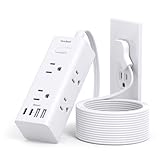
You’re heading out, suitcase half-packed, and you’ve got that one indispensable gadget that needs charging. Then it hits you: that bulky extension cord you swear by at home. Suddenly, you’re staring at it, a knot of uncertainty tightening in your gut. Are extension cords allowed on planes? It’s a question that pops up more often than you’d think, especially for us folks who travel with a whole ecosystem of devices that refuse to stay powered by a single outlet.
Forget the vague internet whispers and the confusing airline FAQs. I’ve lugged my fair share of electronics through airports, and I’ve learned the hard way what flies and what gets confiscated faster than you can say ‘TSA PreCheck’. This isn’t about corporate jargon; it’s about the practical, no-BS truth you need to know before you get to the security line and have to ditch your trusty power strip.
The Extension Cord Quandary: What the Tsa Actually Cares About
Let’s cut to the chase. The TSA, bless their eagle eyes, isn’t really sweating the small stuff when it comes to your basic extension cord. Think about it: they’re looking for things that could be used as weapons or cause a fire hazard.
A standard, run-of-the-mill extension cord, the kind you use to plug in your lamp or laptop charger, usually falls into the ‘harmless’ category. They’re generally made of plastic and copper wire, neither of which is going to set off alarms or get you flagged for a pat-down. The key here is ‘standard’. We’re talking about your typical household extension cord, the flexible kind, typically no more than 15-20 feet long, with standard prongs.
These are designed for convenience, not for anything suspicious.
The confusion often stems from the ‘what if’ scenarios. People imagine elaborate, heavy-duty cords or those industrial multi-outlet power strips that look like they could power a small city.
Those are a different ballgame. But for your everyday, ‘I need to charge my phone and my tablet simultaneously from across the hotel room’ kind of cord?
You’re usually in the clear. I remember one trip to Vegas where my hotel room had one outlet – ONE – behind the bed.
My power bank, phone, and e-reader were all on their last legs. I’d packed a compact, six-foot extension cord, not a huge surge protector, just a simple cord with a couple of outlets. I’d braced myself for it to be questioned, but it sailed right through the X-ray. The TSA agent barely glanced at it.
It was a minor relief, but a relief nonetheless. The size and portability are huge factors.
If it looks like it belongs in a typical home or office setting, you’re probably fine. It’s when things start looking like they belong in a construction zone or a science lab that you might get a second look.
However, there’s a important distinction to be made between a simple extension cord and a power strip or surge protector. While simple cords are generally permitted, the rules for power strips can be a bit more nuanced, especially if they have built-in surge protection or a high number of outlets. The TSA’s primary concern is always safety – preventing fires and making sure no prohibited items are being brought aboard.
A basic extension cord, by itself, doesn’t typically pose these risks. It’s the added features and sheer bulk of some power strips that can sometimes raise eyebrows. (See Also: Can Extension Cords Short Out )
This is why it’s always better to know the specifics of what you’re packing. If your ‘extension cord’ is actually a multi-plug adapter with a built-in surge suppressor, that might warrant a closer look.
But a simple, unadorned cord? Generally a go.
Power Strips vs. Extension Cords: The Devil’s in the Details
This is where things get murky for a lot of travelers. People often use the terms interchangeably, but airlines and TSA have different considerations for a basic extension cord versus a power strip or surge protector. A simple extension cord is basically just a flexible wire with a plug on one end and a socket on the other, designed to extend the reach of a power source. Think of a 6-foot cord that lets you plug your laptop in from across the room. These are almost always allowed in both carry-on and checked baggage. They don’t have any complex circuitry or components that could be deemed a safety risk.
A power strip, on the other hand, is designed to multiply a single outlet into multiple outlets. Some also include surge protection, which is where the TSA’s interest might be piqued. While many surge protectors are also allowed, the TSA does reserve the right to inspect any item they deem questionable.
The bigger, more complex power strips, especially those with lots of ports, USB chargers built-in, or heavy-duty casings, are more likely to attract attention. I once saw a guy at security in Atlanta get his fancy, multi-port charging station pulled aside.
It wasn’t an extension cord, but a substantial power strip that looked more like a small computer peripheral. The agent had to open it up and inspect it, which took about five minutes and held up the line. He eventually got to keep it, but the delay was frustrating for everyone.
It wasn’t the cord itself, but the potential for its components to be problematic if it were damaged or malfunctioning.
The key differentiator is usually the presence of surge-protection components. While simple extension cords are typically made of wire and plastic insulation, surge protectors contain sensitive electronic components like Metal Oxide Varistors (MOVs) designed to divert excess voltage. These components, while safe for home use, can sometimes be flagged during screening if they appear unusual or if the device is bulky. TSA’s guidelines often state that “electrical appliances, including extension cords, power strips, and surge protectors” are generally permitted, but they add the caveat that “all items must pass through the security screening process.”
This means if an item looks unusual or the screener can’t immediately identify it, they have the authority to examine it more closely. So, while a basic cord is a no-brainer, a power strip with all the bells and whistles might require a bit more patience at the checkpoint. It’s not the extension cord itself, but what it’s attached to or what it can do that matters.
Power Strip vs. Extension Cord: Allowed?
Generally, yes, both are allowed, but with nuances. Simple extension cords are almost always permitted. Power strips, especially those with surge protection or multiple ports, are also usually allowed, but they may be subject to closer inspection by TSA agents to make sure they pose no safety hazard. It’s the complexity and potential for internal components to be problematic that can cause a power strip to be pulled aside for a manual check, unlike a basic cord.
What to Look for: Your Travel-Friendly Power Solutions
When you’re choosing an extension cord or a power solution for travel, size and portability are your best friends. Forget those massive, 25-foot heavy-duty cords you use for outdoor holiday lights. For travel, you want something compact and lightweight. A good travel extension cord will be 3-6 feet long. This is usually enough to reach from a hotel bedside table to where you need to set up your phone and laptop. Look for cords with a low profile plug; those bulky, right-angle plugs can be a pain in tight spaces and might get snagged.
Another feature to consider is the number of outlets. While a simple cord might have just one socket, a travel-friendly power strip will typically offer 2-4 outlets, often alongside USB-A and USB-C ports. This is where you can consolidate your charging needs into one device. (See Also: Can Extension Cords Be Use With Electric Heaters )
Brands like Anker, Belkin, and many others offer travel-specific power strips that are designed to be compact and efficient. I invested in a small Anker strip a few years back, about the size of a deck of cards but with three AC outlets and two USB-C ports. It weighs next to nothing and has been a lifesaver on countless trips.
It’s the kind of thing that doesn’t scream ‘suspicious item’ to a TSA agent, but it solves a very real problem for travelers.
When it comes to materials, don’t overthink it. Standard copper wiring and PVC or rubber insulation are perfectly fine. What you don’t want are cords that look frayed, damaged, or have exposed wires – that’s a recipe for trouble, whether you’re at home or trying to get through airport security. Also, consider the voltage and plug type.
Most travel devices are dual-voltage (100-240V), but it’s always good to check. For the extension cord itself, make sure it’s rated for the power requirements of your devices.
A simple cord for charging phones and laptops is low-risk. If you’re thinking of powering something more substantial, like a hair dryer that isn’t dual-voltage, you’ll need to be much more careful and likely need a different type of adapter altogether, which might complicate things at security.
| Type of Power Item | Carry-On Allowed? | Checked Baggage Allowed? | TSA Concern Level | My Verdict |
|---|---|---|---|---|
| Simple 3-6 ft Extension Cord | Yes | Yes | Low | Absolutely pack this. It’s a lifesaver. |
| Compact Travel Power Strip (2-3 outlets + USB) | Yes | Yes | Low to Medium | Generally fine, but might get a quick look. Pack it. |
| Large Home/Office Power Strip (6+ outlets, surge protector) | Maybe/Subject to Inspection | Maybe/Subject to Inspection | Medium to High | Best left at home unless you have time for inspection. |
| Heavy-Duty/Industrial Extension Cord | No | No | High | Leave this at home. Way too bulky and looks suspicious. |
Common Mistakes and How to Avoid Them
The biggest mistake travelers make is assuming all extension cords are created equal. Bringing that massive, 15-foot, heavy-duty cord you use in your garage for power tools is a surefire way to attract unwanted attention. It’s bulky, it looks out of place in an airport context, and it raises questions about its purpose. TSA agents are trained to spot items that deviate from the norm, and a large, industrial-looking cord definitely deviates. If it looks like it belongs on a construction site, leave it at home.
Another common error is packing a power strip that looks like it has hidden compartments or unusual features. While most power strips are straightforward, some designs can be ambiguous. If it looks like it could conceal something, it’s going to be examined. This is less about extension cords and more about general security screening – anything that isn’t immediately identifiable as a standard electronic device or accessory can cause delays.
I learned this the hard way with an old laptop charger that had a rather large, unusually shaped brick in the middle. It wasn’t a power strip, but the agent spent a good two minutes turning it over and over, clearly unsure what it was. Thankfully, it was just a clunky design, but it made me paranoid about packing anything that isn’t sleek and obviously functional.
The other pitfall is not checking the power requirements. While extension cords themselves don’t have voltage ratings in the same way a transformer does, they are rated for amperage. Using a cord that isn’t rated for the devices you plug into it, even at home, is a fire hazard.
While TSA isn’t checking your cord’s amperage rating, they are looking for damaged goods. A cord that’s too thin for the power draw could overheat.
Always opt for cords that feel solid and are from reputable brands. Don’t buy the cheapest, no-name cord you find at a dollar store if you plan on using it for anything other than a basic phone charger. Investing a little more in a quality travel-specific cord or power strip will not only be safer but also less likely to be questioned at security. It’s about presenting a clear, functional item that poses no obvious risk.
Real-World Use: My Travel Charger Setup
My personal travel charger setup has evolved over the years. Initially, I’d just pack a couple of USB wall adapters and hope for the best. This inevitably led to me playing a game of musical outlets in hotel rooms, constantly deciding whether my phone or my laptop got the precious power. Then I discovered the magic of the compact travel power strip. (See Also: Are Outdoor Extension Cords 10 Or 12 Gauge )
Here’s what I pack now, and it works like a charm: I have a small, flat power strip – about the size of a wallet – that has three AC outlets and two USB-C ports. It’s surprisingly lightweight. I also pack a single, short (about 3-foot) standard extension cord. Why both?
Sometimes the wall outlets in hotel rooms or airport lounges are awkwardly placed, or there are only one or two. The extension cord gives me flexibility to bring a distant outlet closer to my seat or the bedside table. Then, I plug my compact power strip into the end of that extension cord.
This setup allows me to charge my phone, my tablet, my wireless earbuds, and my laptop – all at once – from a single, inconveniently located wall socket. The whole ensemble fits neatly into a small packing cube in my carry-on.
I’ve never had it questioned at security. The items are all clearly identifiable as standard electronics accessories, and their compact size and purposeful design don’t raise any red flags. It’s a simple, effective solution that solves a common traveler’s problem.
I’ve even used the extension cord on its own to plug in a portable fan I sometimes bring for extra comfort in warmer climates, without any issues.
My Travel Power Setup
- Compact Travel Power Strip: Look for one with multiple AC outlets and USB-A/USB-C ports. Size is key – think wallet-sized or smaller.
- Short Extension Cord (3-6 feet): This adds flexibility for reaching awkward outlets. A simple cord is best.
- USB Wall Adapters (optional backup): Still good to have a couple in case your power strip ports are full or if you need to charge just one small device.
- Device Cables: Of course, don’t forget the necessary cables for all your gadgets.
This setup has saved me from many a low-battery crisis and has consistently sailed through security without a second glance. It’s proof that you don’t need to overcomplicate things; a few well-chosen, practical items make all the difference. The key is to keep it simple, compact, and clearly for personal electronic use.
The Final Word on Flying with Your Cords
So, to wrap this all up: if you’re talking about a standard, flexible extension cord, the kind you’d use to reach an outlet a few feet away, then yes, you can absolutely bring them on planes. They’re considered standard electronic accessories. This applies to both carry-on and checked baggage. They don’t typically contain any prohibited components and are not a safety risk in themselves. The TSA isn’t going to confiscate your basic cord because it’s a fire hazard or weapon.
The gray area arises with power strips, especially those with multiple outlets, surge protection, or unusual designs. While generally permitted, they can be subject to additional screening. If you’re packing a bulky surge protector that looks more like a piece of industrial equipment than a travel accessory, be prepared for it to be pulled aside for inspection. The TSA’s priority is safety, and they reserve the right to examine anything they can’t immediately identify or that seems out of the ordinary. My advice? Stick to compact, travel-specific power strips and simple, short extension cords. These are designed for portability and are less likely to cause any issues.
For peace of mind, always pack your power strip and extension cord in an easily accessible spot in your carry-on bag. This way, if it does need to be inspected, you can quickly retrieve it for the TSA agent without holding up the line. Ultimately, when it comes to flying with extension cords, common sense prevails. If it’s a standard item for charging personal electronics and it doesn’t look like it belongs on a movie set for a bomb disposal scene, you’re probably good to go. Always double-check the specific airline’s policies if you’re unsure, but for the vast majority of travelers, your trusty extension cord is not an issue.
Verdict
The bottom line is that for your typical travel needs, a standard extension cord is your friend. They’re cheap, they’re effective, and they generally get a free pass through airport security. Don’t let the fear of a confiscated cord stop you from bringing the power solution that keeps your devices alive on the go. Just remember to choose compact, travel-friendly options, especially if you’re opting for a power strip with multiple outlets and features.
If you’re still on the fence about a specific item, or if your cord looks a bit ‘special,’ a quick search on the TSA’s website or a call to your airline can clear up any lingering doubts. But for most people asking ‘are extension cords allowed on planes,’ the answer is a resounding yes. Pack it, use it, and enjoy not having to fight for an outlet at your destination.