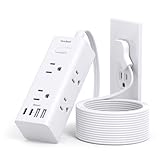
I remember my first winter in that tiny apartment. Freezing. I bought the cheapest electric heater I could find, a little ceramic thing. Problem was, the only outlet was across the room. So, I grabbed an old, beat-up extension cord from the garage. Plugged it in, turned on the heater, and felt a wave of warmth. Felt too good to be true, right? Well, it was. Thankfully, I didn’t burn the place down, but that close call taught me a lot about whether or not can extension cords be used with electric heaters.
It’s a question that pops up every time the temperature drops and you’re staring at a heater that’s just out of reach of a decent wall socket. You want that heat, and that extension cord looks like the easiest fix. But easy doesn’t always mean safe, and with something that draws as much power as a heater, safety is the only thing that should be on your mind.
The Real Deal on Extension Cords and Heaters
Look, I’m going to cut to the chase. Can extension cords be used with electric heaters? The short, blunt answer is: sometimes, but it’s a minefield, and most people get it wrong. I’ve seen friends use flimsy, cheap cords that got alarmingly hot to the touch. I’ve also seen people get it right. It’s not about the ‘no’ or the ‘yes,’ it’s about the ‘how’ and the ‘what kind.’ Most of the advice out there is either too simplistic or overly alarmist, leaving you confused. The truth is, if you’re going to do it, you need to treat that heater like the power-hungry beast it is and give it the respect – and the right equipment – it deserves.
Electric heaters, especially the older ceramic coil or oil-filled radiator types, are serious power draws. They’re designed to convert electricity into heat, and that conversion process requires a lot of amperage. Think of an extension cord as a highway for that electricity.
A narrow, poorly maintained highway is going to get congested, overheat, and eventually fail. A proper, heavy-duty cord is like a multi-lane superhighway that can handle the traffic without breaking a sweat.
The gauge of the wire inside the cord is everything. This refers to the thickness of the copper strands. The lower the gauge number, the thicker the wire, and the more amperage it can safely handle.
For electric heaters, you’re generally looking for a 14-gauge cord at a minimum, and 12-gauge is even better if you can find it. Anything higher (like 16-gauge or 18-gauge) is asking for trouble.
These lighter cords are meant for lamps or phone chargers, not for something that cranks out 1500 watts of heat.
Another common mistake is using indoor-rated cords outdoors, or vice-versa. Make sure the cord is rated for the environment you’re using it in. A cord designed for indoor use might not have the insulation or protection needed for outdoor conditions, and could be damaged by moisture, dust, or even just general wear and tear.
And while we’re talking about wear and tear, never, ever use a cord that looks damaged. Frayed wires, cracked insulation, bent prongs – these are all red flags. It’s like running with a gaping wound; it’s just asking for infection, or in this case, a fire. I learned this the hard way when a dog chewed up an old cord I was using for a small space heater.
Didn’t even realize it until the darn thing stopped working and I found the shredded insulation. Could have been a lot worse.
The length of the extension cord also matters. While it might seem intuitive that a longer cord is just as good as a short one, resistance increases with length. This means a 100-foot cord, even if it’s the correct gauge, will have more resistance than a 10-foot cord of the same gauge. This increased resistance generates more heat. So, if you need a long cord, make absolutely sure it’s a heavy-duty, low-gauge option. It’s always best to use the shortest cord possible that still meets your needs. Don’t run a cord across the entire house if you only need it to go ten feet. That extra length is just more opportunity for resistance and heat buildup.
What Kind of Extension Cord Actually Works Safely?
So, you’ve decided you absolutely need an extension cord for your heater. Good. Now let’s talk about what makes one ‘good’ and the other a fire hazard. Forget those cheap, brightly colored cords you see at the dollar store.
Those are for fairy lights, not for appliances that can melt plastic. You need to look for cords specifically labeled as ‘heavy-duty’ or ‘appliance grade.’
These are built with thicker wiring and better insulation. The packaging should clearly state the maximum wattage or amperage it can handle.
For electric heaters, which often pull 1500 watts or more, you’ll want a cord rated for at least 1800 watts, and ideally 2000 watts or higher. This gives you a buffer, which is always a good thing when dealing with heat and electricity. (See Also: Can Extension Cords Be Thriwn Away )
The gauge, as I mentioned, is the most important factor. Look for a 14-gauge cord as the absolute minimum. If you can find a 12-gauge, grab it. You’ll often see this printed on the cord itself, usually near the plug.
It’ll look something like ’14 AWG’ or ’12 AWG.’ The ‘AWG’ stands for American Wire Gauge. The lower the number, the thicker the wire.
Don’t be fooled by cords that look thick but have a higher gauge number. Thickness is what matters for carrying current without overheating. I once bought a cord that looked pretty beefy, but it was 16-gauge. My space heater made the plug end warm after about an hour.
Not good. I swapped it for a 12-gauge cord, and the difference was night and day – the plug stayed cool, even after running for hours.
Another thing to consider is the length. While it’s tempting to get a 50-foot cord just in case, longer cords mean more resistance and more heat. If you need a long cord, you absolutely must go with the thickest gauge you can find, preferably 12-gauge. For most typical room heater situations, a 10- to 25-foot cord is usually sufficient. If your heater has a very long power cord already, try to plug it in directly without an extension cord if at all possible. Think about it: the manufacturer put a certain length of cord on the heater for a reason. If they thought a longer cord was always necessary, they’d have included one.
Finally, look for cords with safety features. Some heavy-duty cords have molded, reinforced plugs and connectors that are less likely to break. Others might have an indicator light to show that the cord is drawing power. While not strictly necessary, these can be helpful. One thing I always look for is a cord that feels solid and well-made, not flimsy. The insulation should be smooth and free of any nicks or damage. It should also be rated for the environment. If you’re using it in a damp garage, you need a cord that’s designed for that. For most indoor residential use, a standard heavy-duty indoor cord is fine, but always check the labeling.
| Cord Type | Gauge | Wattage Rating | Verdict |
|---|---|---|---|
| Light Duty / Indoor (e.g., lamps) | 16-18 AWG | < 1000W | NO – Fire Hazard! |
| Medium Duty / General Use | 14 AWG | 1000W – 1500W | MAYBE – Use with caution, check heat. ONLY for lower-wattage heaters. |
| Heavy Duty / Appliance Grade | 12-14 AWG | 1500W+ | YES – Recommended. 12 AWG is best. |
| Outdoor Rated Heavy Duty | 12-14 AWG | 1500W+ | YES – For outdoor heaters or damp environments. |
Common Mistakes People Make (and Why They’re Dumb)
The absolute worst mistake I see people make is using the wrong gauge. Period.
They grab that thin, white cord that came with their DVD player and plug in a 1500-watt space heater. It’s like trying to drink a milkshake through a coffee stirrer. The electricity can’t flow freely, the cord fights back, and it gets hot.
Really hot. Then you start smelling that weird plastic burning smell, and panic sets in. I’ve had a few close calls myself over the years, mostly when I was younger and dumber, before I really understood how electricity worked. One time, I was using a 16-gauge cord for a small oil-filled heater in my garage.
It wasn’t even plugged in all the way, and I noticed the outlet itself felt warm. That was my cue to nope right out of there. The cord itself was getting noticeably warm too, especially near the plug. It’s these ‘warm’ feelings that are your first warning sign.
Another biggie is overloading the circuit. Even with the right extension cord, if you plug your heater into an outlet that’s already running too much stuff – say, a TV, a lamp, and your laptop – you’re asking for trouble. Every circuit in your house has a maximum amperage limit, usually 15 or 20 amps. A 1500-watt heater running on a 120-volt circuit draws about 12.5 amps.
If your circuit is already loaded with other devices, adding that heater could trip the breaker or, worse, overheat the wiring in the walls, which is a serious fire risk. Always try to plug your heater into a dedicated circuit if possible, or at least a circuit that isn’t already heavily loaded.
Check your breaker box if you’re unsure; it usually tells you what’s on each circuit.
People also tend to ignore the ‘indoor’ vs. ‘outdoor’ rating. I’ve seen people run extension cords from inside their house out to a patio heater, using an indoor cord. Rain, dew, even just humidity can get into the wiring, cause corrosion, and lead to short circuits or electrical fires. The insulation on an outdoor-rated cord is designed to withstand moisture and temperature fluctuations. It’s a small detail that can prevent a major disaster. My neighbor once did this, and a storm rolled in. Next thing you know, sparks were flying from the connection point outside. Thankfully, it didn’t ignite anything, but it was a stark reminder of why you don’t mix indoor and outdoor equipment.
Finally, and this is a dumb one that bears repeating: never, ever use a damaged cord. Frayed wires, cracked insulation, bent prongs – these are all no-go zones. (See Also: Can Extension Cords Short Out )
It doesn’t matter if the cord is the ‘right’ gauge or the ‘right’ rating; if it’s damaged, it’s a hazard. The insulation is there to protect you and prevent the wires from touching each other or anything else they shouldn’t.
If that insulation is compromised, you’ve lost your protection. I’ve seen cords that looked okay on the outside but had internal wire damage from being run over by a car or yanked too hard. Always give your cord a good visual inspection before plugging anything in, especially a high-draw appliance like a heater.
People Also Ask:
Can I Use a 14 Gauge Extension Cord for a Heater?
Yes, a 14-gauge extension cord is generally considered the minimum acceptable gauge for most electric heaters, especially those rated at 1500 watts. However, a 12-gauge cord is always a safer and better choice if available, as it can handle more current with less resistance and heat buildup. Always make sure the cord is rated for the wattage of your heater and is in good condition.
Is It Safe to Use an Extension Cord with a 1500 Watt Heater?
It can be safe, but only if you use the correct type of extension cord. You absolutely need a heavy-duty cord specifically rated for at least 1500 watts, ideally 1800-2000 watts, and with a 14-gauge wire (12-gauge is better). A lighter-duty cord will overheat and pose a significant fire risk. Always check the cord’s specifications and make sure it’s in good condition.
What Is the Maximum Length of an Extension Cord for a Heater?
There’s no strict maximum length, but the longer the cord, the more resistance it has, leading to more heat. It’s best to use the shortest cord possible that meets your needs. If you need a long cord (e.g., over 25 feet), you absolutely must use a heavy-duty, thick gauge cord like 12-gauge to minimize heat buildup. Always inspect the cord for damage, regardless of length.
When Using an Extension Cord Is Actually Okay (the Right Way)
Alright, so we’ve established that it’s not a blanket ‘no.’ There are situations and specific conditions where using an extension cord with an electric heater is, dare I say, acceptable. The key here is intentionality and knowledge. You’re not just grabbing any old cord; you’re making a deliberate choice based on what you’ve learned.
First and foremost, the cord MUST be heavy-duty. I can’t stress this enough.
We’re talking 12-gauge if you can find it, or at the very least, a solid 14-gauge cord. It needs to be rated for the wattage of your heater, and ideally, have a bit of headroom. So, if your heater is 1500 watts, look for a cord rated for 1800-2000 watts. This makes sure the cord isn’t working at its absolute limit.
Secondly, the cord needs to be in pristine condition. No nicks, no cuts, no frayed wires, no melted-looking sections, and definitely no bent prongs.
If you wouldn’t use it for a power tool, don’t use it for a heater. Think of the cord as the vital artery connecting your heater to the power source.
If that artery is compromised, the whole system is at risk. I always give my cords a quick visual inspection before plugging anything in, and I do the ‘warm hand test’ after the heater has been running for a while. If the plug or any part of the cord feels more than just slightly warm to the touch, it’s time to unplug it. This is a signal of excessive resistance.
Location matters too. You want to run the cord in a clear path, away from foot traffic, doors, or anything that could pinch or damage it. Don’t snake it under rugs or carpets, as this is a major fire hazard and can hide damage. Keep it away from any sources of moisture or heat, unless it’s specifically rated for those conditions (like an outdoor-rated cord for a patio heater). If you’re using it indoors, make sure it’s an indoor-rated cord. The insulation on indoor cords isn’t designed to withstand outdoor elements. The goal is to minimize any potential for physical damage or environmental exposure that could compromise the cord’s integrity.
My own experience using extension cords for heaters has been mixed, but largely positive once I wised up. About three years ago, I had a little electric fireplace that was just far enough from an outlet. Instead of buying a new cord, I went online and spent about $40 on a really thick, 15-foot, 12-gauge cord.
It felt solid, had a nice, reinforced plug, and was clearly marked for high wattage. I’ve used that cord every winter since for various heaters, and it’s never once gotten more than barely lukewarm. It was way more expensive than a cheap cord, but it was worth every penny for the peace of mind.
It’s about investing in the right tool for the job, not just grabbing the easiest one. (See Also: Can Extension Cords Be Use With Electric Heaters )
When to Absolutely Say No to Extension Cords
There are some lines you just don’t cross when it comes to electricity and heat. If you’re tempted to use an extension cord for your heater, but any of the following apply, just stop. Seriously.
Put the cord back in the drawer. Go find another outlet, or get a shorter heater, or wear another sweater.
Your life and your home are worth more than the convenience of a slightly misplaced outlet. The most obvious ‘no’ is if you don’t have the right cord.
If all you have are those thin, white, 16-gauge cords meant for lamps, then you absolutely cannot use them with a heater. It’s like trying to funnel a fire hose through a straw – disaster waiting to happen. You need a heavy-duty, thick-gauge cord, and if you don’t have one, don’t improvise.
Another big no-no is using damaged cords. I’ve mentioned this before, but it bears repeating because it’s so important. If the insulation is cracked, frayed, or peeling off, or if the prongs are bent or loose, the cord is a hazard. This is true for any electrical device, but it’s amplified when you’re dealing with a high-draw appliance like a heater. Damaged insulation can lead to short circuits, arcing, and fires. Don’t try to tape it up and hope for the best. Toss it. Get a new one. It’s a cheap fix compared to the potential cost of a fire.
I also advise against using extension cords if the outlet you’re plugging into is already warm or if the circuit breaker trips frequently. These are signs that the circuit is overloaded or has underlying issues. Adding a high-draw appliance like a heater via an extension cord will only exacerbate the problem, increasing the risk of overheating wiring in your walls, which can be a silent but deadly fire risk. If you notice these issues, it’s time to call an electrician, not to find a longer extension cord. The wiring in your walls might be old or inadequate for modern power demands.
Finally, never use an extension cord if the heater itself has a damaged power cord. The heater’s cord is specifically designed for its power draw. If that’s damaged, the heater has a fault, and you shouldn’t be using it at all, with or without an extension cord. Also, be wary of ‘octopus plugs’ or multi-outlet adapters. While some heavy-duty ones exist, many cheap ones can’t handle the load of a heater and can overheat. It’s generally best to plug your heater directly into the wall or a single, appropriate extension cord. The less you daisy-chain, the better. Always aim for simplicity and directness in your electrical connections for safety.
A Few Practical Tips for Heater Extension Cord Use
So, you’ve got the right cord, it’s in good shape, and you’ve decided to go ahead. Here are a few things that will help you sleep at night. First, always plug the extension cord into the wall outlet first, and then plug the heater into the extension cord. This order minimizes the chance of sparks or accidental contact when you’re making the connection to the potentially high-amperage heater plug. It’s a small thing, but it’s a good habit to get into for any appliance connection.
Second, keep the cord as short and as direct as possible. Don’t run it across a busy walkway where it can be tripped over, and don’t hide it under furniture or rugs. Exposed cords are less likely to be damaged accidentally. If you have to run it along a wall, consider using cord clips or ties to keep it neat and out of the way, but still visible. The less strain on the cord and its connections, the better. A loose connection can be a hot spot, so make sure plugs are firmly seated.
Third, perform regular checks. Don’t just plug it in and forget about it. Every hour or so, especially when you first start using a new setup or a heater you haven’t used in a while, feel the plug and the cord. It should be cool or just slightly warm. If it’s hot to the touch, unplug it immediately. This is your primary indicator that something is wrong – either the cord is too light, too long, damaged, or the circuit is overloaded. This simple check can prevent a disaster. I make it a habit to do this every time I adjust the thermostat or walk by the heater.
Fourth, understand your heater’s power draw. Most electric heaters will have a label on the bottom or back indicating their wattage (e.g., 1500W). This is the number you need to match or exceed with your extension cord’s rating. Don’t guess. If the label is missing or unreadable, err on the side of extreme caution and assume it’s a high-draw appliance requiring a heavy-duty cord. It’s better to be overly cautious than to risk a fire. Remember, the manufacturer put that label there for a reason. It’s your safety guide.
Verdict
So, can extension cords be used with electric heaters? Yes, but only with the right cord, in good condition, and used properly. It’s not about a simple yes or no; it’s about understanding the risks and taking the necessary precautions. Buying a cheap, flimsy cord is a gamble you don’t want to take when it comes to heat and electricity. Invest in a heavy-duty, appropriately gauged cord, and always inspect it before use.
If you’re ever in doubt, or if you notice any signs of overheating – a warm plug, a hot cord, or a tripped breaker – unplug everything immediately. It’s better to be a bit uncomfortable and safe than to risk your home. Seriously, wear an extra sweater if you have to. A little chill is a small price to pay for peace of mind.
Next time you’re faced with a heater that’s just out of reach, take a moment to assess. Do you have the right cord? Is it safe? If the answer isn’t a resounding ‘yes,’ then it’s time to rethink your setup. Maybe look for a shorter heater, a different outlet, or an electrician if the wiring is the real issue.