
I remember staring at my busted-up aviators, the hinge flapping like a broken wing. The screw was gone, vanished into the abyss of my car floor. I rummaged through my toolbox, a veritable graveyard of miscellaneous tiny parts, convinced one of those forgotten bits would fit. Spoiler alert: none of them did. This whole ordeal got me thinking – are glasses screws universal? The answer, as with most things in DIY and repairs, is a resounding ‘it depends,’ and nobody tells you the full, frustrating story.
For years, I’ve been wrestling with everything from power drills to delicate watch movements, and I’ve seen enough tiny fasteners to fill a small hardware store. The idea that one tiny screw could fix a whole range of eyeglasses is, frankly, a bit of a myth propagated by convenience stores and the sheer desperation of a specs-wearer on the go.
Tiny Screws, Big Problems: Why ‘universal’ Is a Joke
Let’s get one thing straight right off the bat: the notion that there’s a single, universal screw that fits every pair of glasses is pure fantasy. I’ve heard people say you can just grab a screw from a keychain or a small electronic device and hope for the best. Big mistake. I learned that the hard way when I tried using a watch screw on my favorite shades.
It looked like it fit, but after a day, the arm kept loosening, and the threads were clearly stripping. Those tiny eyeglass screws have specific dimensions, and ‘close enough’ is a recipe for disaster. They’re not just little bits of metal; they’re precision components designed for delicate frames.
I’ve spent way too much time and money replacing frames because I tried a quick fix that ended up doing more damage than good. Honestly, it’s infuriating how often the simple fixes turn out to be the most complicated.
The primary reason they aren’t universal boils down to a few key factors: head type, thread pitch, and shaft diameter. Think of it like trying to fit a square peg into a round hole, but on a microscopic level.
Eyeglass screws are designed to be incredibly small and often have a very fine thread pitch to grip securely in plastic or metal frames without causing stress fractures. The head of the screw is usually flat or countersunk to sit flush, preventing it from snagging on anything. If you use a screw with a head that’s too thick, it’ll stick out and be annoying.
If the threads are too coarse, they’ll strip the tiny receiving hole in the frame, making it impossible to ever get a proper fit again. I’ve seen people try to force screws, and it’s like watching a car mechanic try to fix a smartphone with a hammer.
It just doesn’t work and usually makes things worse.
There are, however, families of screws that are very similar, especially within certain types of frames. For instance, many common plastic-framed eyeglasses use what are often called ‘nose pad screws’ or ‘temple screws’ that share a very similar look and feel. But even then, the exact length and thread count can vary slightly. It’s the subtle differences that matter when you’re dealing with something this small and important to the structural integrity of your eyewear. (See Also: How To Fix Eyeglasses Arm Without Screw )
What to Look for: The Nitty-Gritty on Eyeglass Screws
Alright, so if they aren’t universal, what should you be looking for when you inevitably lose one of these tiny terrors? Your best bet is to identify the type of screw currently in your glasses. Most people don’t think about this until it’s too late, but take a moment to look at the screws holding your glasses together.
Are they in the hinge connecting the arm to the frame, or are they holding on a nose pad? This distinction is important. Hinge screws tend to be a bit longer and have a more solid thread for repeatedly opening and closing.
Nose pad screws are often shorter and have a very fine thread designed to screw into a small metal arm attached to the frame.
Here’s a quick rundown of the common types you’ll encounter:
| Screw Type | Common Use | Key Characteristics | My Verdict |
|---|---|---|---|
| Temple Screw | Hinge connecting arm to frame | Slightly longer, finer threads than nose pad screws, often with a small locking nut or a self-tapping thread. | The workhorse of eyeglass repair. Get these right and your arms stay attached. |
| Nose Pad Screw | Attaching adjustable nose pads | Very short, extremely fine threads, often with a flat or slightly domed head. | Easy to lose, easy to strip the frame. Handle with extreme care. |
| Bridge Screw | Connecting the two lenses at the bridge (less common on standard frames) | Varies greatly; sometimes very small, sometimes part of a larger assembly. | If you have these, you probably need a specialized kit or a professional. |
| Locking Screw/Nut | Securing temple screws | Tiny nut or screw that threads onto the main screw. | A lifesaver for keeping screws tight. Don’t lose these either! |
When you’re buying replacement screws, especially online, pay attention to the description. Look for terms like ‘eyeglass repair kit,’ ‘precision screws,’ or specific measurements if they’re provided. Most kits will include a variety of common sizes.
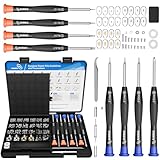
I’ve found that a good quality eyeglass repair kit, costing maybe $15-20, is worth its weight in gold. It usually contains a small screwdriver set with multiple tiny bits, tweezers, and a generous assortment of screws.
I bought one about three years ago, and it’s saved me countless trips to the optometrist and endless frustration. I keep it in my desk drawer, and another smaller one in my travel bag. It’s cheaper than buying new glasses, and frankly, more satisfying than paying someone else to do what you can do yourself.
Common Mistakes and How to Avoid Them
The biggest mistake, hands down, is assuming any tiny screw will do. I’ve seen people try to use screws from electronics, furniture, or even sewing machines.
These are almost always the wrong thread pitch, the wrong length, or the wrong head type. Using the wrong screw can strip the threads in your frame, making it impossible to fix later. It can also cause the hinge to become loose or wobbly, leading to further damage. I once saw a friend try to use a screw from a cheap toy. (See Also: How Measure Metric Computer Screws )
It was too long, and when he tightened it, he cracked the plastic around the hinge. He ended up needing a whole new pair of glasses because of that one ‘quick fix.’ It was a harsh lesson in the importance of using the right tool for the job, even when the tool is smaller than your pinky fingernail.
Another common blunder is trying to force a screw that doesn’t quite fit. You might feel some resistance, and your instinct might be to apply more pressure. Resist that urge! If it’s not screwing in smoothly, it’s not the right screw, or the threads in the frame are damaged. Trying to force it will likely strip the threads. If you notice the hole where the screw goes is already looking a bit mangled, you might be in trouble. This is where the tiny little files that sometimes come in repair kits can very cautiously be used to clean up threads, but you have to be incredibly gentle. My general rule is: if it requires significant force, stop. You’re breaking something.
Finally, people often overlook the importance of the screw’s length. A screw that’s too long can poke through the other side of the frame, snagging on your skin or your hair. A screw that’s too short won’t provide enough grip and will loosen easily.
Always try to match the length of the original screw as closely as possible. If you’re using a kit with assorted lengths, hold the replacement screw up to the original (if you still have it) or the empty screw hole to gauge the size before attempting to install it. This visual check, though simple, saves a ton of hassle.
I made this mistake once with a pair of metal-rimmed glasses; the screw was just a millimeter too long, and it would catch on my eyelashes every time I blinked. It drove me nuts until I found a shorter one.
Real-World Use: When to DIY and When to Call a Pro
Let’s be honest, for a loose hinge or a missing nose pad screw, a DIY repair is usually the way to go. Most eyeglass repair kits come with everything you need: a tiny screwdriver set with various bits (often Phillips and flathead, sometimes Torx), tweezers, and a good assortment of screws. The process is usually straightforward: identify the missing or loose screw, select the closest match from your kit, and carefully screw it in. If you’re just tightening a loose screw, a half-turn clockwise is usually all you need. If you’re replacing a lost screw, make sure you get the new one seated properly in the hinge or pad arm before tightening.
However, there are times when you should probably just take your glasses to an optician or a reputable eyewear shop. If the screw hole in the frame itself is stripped or damaged beyond repair – meaning the threads are completely gone – a tiny screw won’t help. Sometimes, plastic frames can develop stress cracks around the hinge area. Trying to force a screw into a cracked frame will only make it worse.
For metal frames, if the threaded insert is damaged or the metal itself is bent, it’s usually beyond a simple screw replacement. I learned this with a pair of expensive titanium frames; I tried to adjust one of the arms myself, and ended up stripping the tiny screw that held it in place. The optician was able to fix it, but it cost me $40 for what felt like a five-minute job. That was a hard lesson to learn about when to stop tinkering and when to seek professional help.
Another situation where professional help is wise is if you have very specialized or high-end eyewear. Some designer frames have unique hinge mechanisms or materials that require specific tools and knowledge. Trying to fix these yourself could void warranties or cause irreparable damage. So, while a basic repair kit is a fantastic investment for everyday glasses, know your limits. If you’re unsure, or if the problem seems more complex than just a missing screw, it’s better to pay a little extra and have it fixed correctly the first time. I’ve found most opticians are happy to do a quick screw replacement or tighten-up for a small fee, or sometimes even for free if you’re a regular customer. (See Also: How To Adjust Eyeglass Screw )
Practical Tips for Eyeglass Screw Survival
Here are a few hard-won tips that have saved me a lot of grief:
- Get a Quality Repair Kit: Don’t skimp. A cheap kit will have flimsy tools that will strip screws and frustration. Invest in one with hardened steel bits. I paid about $18 for a decent one a few years back, and it’s still going strong.
- Keep a Spare Kit: Have one at home, one in your car, and maybe a tiny one in your purse or backpack. Losing glasses is inconvenient; not being able to fix them when you lose a screw is a minor crisis.
- Use a Clean Surface: When you’re working on your glasses, do it over a white cloth or a tray. This makes it much easier to spot a tiny screw if you drop it. Trust me, you’ll thank yourself.
- Don’t Overtighten: Screws should be snug, not cranked down. Overtightening can strip the threads in the frame or even crack the material. A little resistance is good; feeling like you’re going to break it means you’ve gone too far.
- Magnification is Your Friend: If your eyesight is anything like mine, trying to do this without some magnification is a recipe for disaster. A magnifying glass or a desk lamp with a magnifier can be a lifesaver.
- Store Them Properly: The best way to avoid losing screws is to prevent damage in the first place. Always use a sturdy case when you’re not wearing your glasses. I’ve learned that rough handling and careless placement are the main culprits behind loose screws.
I once had a pair of prescription sunglasses where the screw kept loosening every few days. I tried tightening it myself, but it wouldn’t stay put. I took them to the shop where I bought them, and the guy just put a tiny dab of clear nail polish on the threads before tightening. He said it acts as a mild thread locker. It worked like a charm! So, a tiny bit of clear nail polish can be a DIY trick for persistent screws, but use it sparingly. You don’t want to glue your glasses shut!
The Faq: Common Questions About Eyeglass Screws
Can I Use a Screw From My Jewelry Repair Kit?
Possibly, but it’s risky. Jewelry screws are often designed for different materials and thread types. While some might be close, using the wrong one can strip the threads in your eyeglass frame, causing permanent damage. It’s always best to use screws specifically made for eyeglasses or a high-quality eyeglass repair kit.
How Do I Know If My Eyeglass Frame Threads Are Stripped?
If a screw spins endlessly without tightening or feels loose even when you try to tighten it, the threads are likely stripped. You might also see visible damage or wear around the screw hole. If this happens, a simple screw replacement won’t fix it, and you’ll likely need professional repair or a new frame.
Are All Screws for Metal Frames Different From Plastic Frames?
Generally, yes. Screws for metal frames might have finer threads and be made of materials that won’t corrode. Screws for plastic frames are often designed to be less likely to crack the plastic. While there’s overlap, using a screw designed for the wrong frame material can lead to issues down the line, like stripped threads or frame damage.
What’s the Difference Between a Temple Screw and a Nose Pad Screw?
Temple screws are used in the hinge that connects the arm (temple) to the frame and are usually a bit longer and sturdier. Nose pad screws are much shorter and have very fine threads, designed to attach the small rubber or silicone nose pads to their metal or plastic arms. They serve different functions and have different design specifications.
Where Can I Buy Eyeglass Screws?
Your best bet is a dedicated eyeglass repair kit, which you can find at pharmacies, online retailers like Amazon, or sometimes at larger department stores. Some opticians also sell individual screws or small repair kits. Buying them individually can be tricky unless you know the exact size and type you need.
Conclusion
So, are glasses screws universal? No, not even close. It’s a convenient myth that lets people think they can fix anything with a random tiny screw from their junk drawer. The reality is that these little fasteners are surprisingly specific, and using the wrong one can cause more harm than good. It’s frustrating, but it’s also a good reminder to be prepared.
My advice? Go buy a decent eyeglass repair kit. They’re cheap, they’re effective, and they’ll save you headaches (and potentially money on new glasses) down the road. Keep one handy, and you’ll be ready for that inevitable moment when a screw decides to make a break for freedom.
Next time a screw goes missing, you’ll know exactly what to do, and you won’t be caught off guard wondering if glasses screws are universal.
![AXTH 25-in-1 Small Precision Screwdriver Set, Professional Magnetic Mini Repair Tool Kit for Phone, Computer, Watch, Laptop, Macbook, Ring Doorbell, Eyeglass, Electronic, [Bearing Steel] Screw Driver](https://m.media-amazon.com/images/I/518YlLmPTcL._SL160_.jpg)
