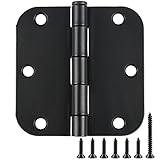
I remember the first time I tried to hang a solid-core door by myself. It felt like trying to wrestle an elephant into a teacup. The hinges I grabbed from the big box store looked okay, but as soon as I started tightening the screws, I could feel the cheap metal flexing. It was a mess, and frankly, a waste of good afternoon sunlight. This whole experience got me thinking: when you’re buying hardware that’s supposed to last decades, where it’s made matters. So, let’s cut to the chase on a question many folks ponder: are Hager hinges made in USA?
It’s not just about patriotism; it’s about quality, accountability, and sometimes, even better performance. We’ve all bought ‘bargains’ that turned out to be costly mistakes down the line. Understanding the manufacturing origin can save you a headache, a bit of cash, and a whole lot of frustration later on.
So, Where Do Hager Hinges Actually Come From?
Look, I’ve spent enough time wrestling with doors and fiddling with hardware to know that ‘Made in USA’ is a big deal for a lot of people, and for good reason. When something is made domestically, there’s usually a higher level of oversight, better quality control, and frankly, a sense of pride that goes into the product. It’s not always the cheapest option, but you often get what you pay for. For a long time, Hager was a name synonymous with solid, reliable hardware, and many assumed their hinges, like many other quality building products, were American-made. So, are Hager hinges made in USA? The short answer is, it’s complicated, and the situation has evolved.
Hager Companies has a long history, tracing its roots back to the late 19th century. For decades, they were a significant American manufacturer. However, like many companies in the hardware and building materials sector, global manufacturing has become a reality. While Hager still operates in the United States and maintains a strong presence here, a significant portion of their product line, particularly their hinges, are manufactured overseas, primarily in Asia. This doesn’t automatically mean they’re ‘bad,’ but it’s a far cry from the exclusively ‘Made in USA’ status many might associate with the brand. They are still designed and engineered in the USA, and they maintain quality control standards, but the actual metal fabrication often happens elsewhere.
This shift is not unique to Hager. You see it across the board. The economics of manufacturing have changed dramatically. Companies have to make tough decisions to remain competitive. For the consumer, it means you often have to dig a little deeper to find out the exact origin of a specific product. If you’re looking for hinges that are 100% manufactured in the USA, you’ll need to be very specific and might be looking at smaller, niche manufacturers or historically American brands that have maintained that commitment. Hager, as a large entity, has had to adapt to market pressures, which has led to a more globalized supply chain for many of their hinge offerings.
What to Look for When the ‘made in Usa’ Label Isn’t Obvious
When you’re staring at a wall of hinges, and the ‘Made in USA’ label is either absent or suspiciously vague, what’s a person to do? This is where real-world experience kicks in, and I’ve learned a few tricks. Forget the marketing fluff; you need to look at the product itself and the reputation of the brand in specific product categories. For hinges, there are tangible things you can feel and see that often tell the story of its origin and quality, even without an explicit label.
First off, the weight and the feel of the metal. A solid, heavy hinge made from good quality steel or brass will feel substantial. Cheap hinges, often made with thinner gauge metal or lower-grade alloys, will feel lighter and more flimsy. Give it a good flex (gently, of course, you don’t want to be that person in the store).
If it feels like it’s going to bend easily, it’s probably not going to hold up well under the stress of a heavy door swinging day in and day out. I once bought a set of hinges that looked identical to a pricier pair, only to find out the cheaper ones were made from a pot-metal alloy that corroded within six months.
They weren’t made in the USA, and they certainly didn’t last.
Next, examine the pin. Can it be easily removed and reinserted? Does it have a tight fit, or is there significant wobble? A well-made hinge will have a snug pin that operates smoothly. (See Also: A Box Without Hinges Key )
Also, check the screw holes. Are they cleanly drilled? Are the corners of the hinge leaves sharp and precise, or are there rough edges and burrs? These details, while seemingly minor, are hallmarks of a manufacturing process that values precision.
For Hager, even if the hinge isn’t stamped ‘Made in USA,’ their engineering and design in the US often means they’re still specifying good materials and tolerances. The real question is whether that translates to the final assembled product when manufacturing is outsourced. You might have to rely on reviews specifically mentioning durability and performance for overseas-manufactured Hager hinges.
My Own Dumb Mistake: Overpaying for Overseas Junk
I’m not immune to making boneheaded decisions, especially when I’m in a hurry or get seduced by a price tag. A few years back, I was renovating a rental property and needed a bunch of interior door hinges. I saw a brand that looked exactly like a premium American-made option, but the price was significantly lower. The packaging was slick, and there was nothing on it to suggest it wasn’t American-made. I figured, hey, it’s a rental, right? How bad can it be? I bought about 20 sets, thinking I was being a savvy shopper.
Fast forward about a year. The tenants started complaining about squeaky doors, doors that wouldn’t close properly, and one hinge that actually snapped.
When I went to replace them, I realized the metal was soft and had started to rust in a few places, despite being indoors. The pins were loose, and the knuckles of the hinges were worn down unevenly. It was a complete disaster. I ended up having to buy new, higher-quality hinges and spend a Saturday replacing them all.
The labor alone, not to mention the frustration, cost me far more than if I’d just bought decent hinges in the first place, likely manufactured closer to home. That experience taught me a brutal lesson: don’t assume; investigate.
And often, paying a bit more upfront for something with a known, solid manufacturing origin saves you a mountain of grief later. This is why when people ask me about specific brands, I always try to give them the unvarnished truth, even if it means admitting I’ve been burned myself.
Hager Hinges: A Closer Look at the Product Line
Hager offers a wide array of hinges, from basic interior door hinges to heavy-duty architectural hinges for commercial applications. When you’re trying to figure out the origin, it’s not a one-size-fits-all answer. Their product catalog is vast. For example, their standard, budget-friendly interior hinges are far more likely to be manufactured in Asia. These are the hinges you see most commonly in big box stores for general residential use. They’re functional for light-duty doors and meet basic requirements, but if you’re installing solid wood doors or doors in high-traffic areas, you might want to look at their more premium lines or other brands.
However, Hager also produces more specialized hinges, often for commercial or high-performance applications. These might be made with higher-grade materials and subjected to more rigorous testing. While they might still use components manufactured globally, the final assembly or more important parts might have a stronger connection to their US operations. (See Also: Are Integrated Washing Machine Door Hinges Standard )
It’s always best to check the specific product packaging or consult Hager’s technical specifications for the exact hinge series you are interested in. They do have a range of hinges designed and specified in the USA, and some specific lines might still carry the ‘Made in USA’ distinction, but it’s not a blanket statement for the entire Hager hinge catalog.
I’ve seen some of their heavy-duty, ball-bearing or concealed-bearing hinges that feel incredibly solid, suggesting better manufacturing processes, but even those can have components sourced from abroad.
Here’s a quick rundown of what I’ve observed:
| Hinge Type | Likely Origin | My Verdict |
|---|---|---|
| Standard Residential Interior Hinges (e.g., plain bearing, basic steel) | Primarily Asia | Functional for light use, but expect average durability. Not my first choice for quality builds. |
| Heavy-Duty Commercial Hinges (e.g., ball-bearing, full-mortise, security hinges) | Mixed: Design/Spec in USA, components/assembly potentially overseas. Some might be US-made. | Generally well-engineered and performant, but verify specific product details for origin. Good option if quality is most important. |
| Specialty Hinges (e.g., continuous hinges, decorative hinges) | Varies greatly. Some specialty items may be US-made, others outsourced. | Requires specific research per product. Don’t assume. |
The key takeaway here is that ‘Hager’ doesn’t automatically mean ‘Made in USA’ for every single hinge they sell. Their brand promise is often tied to engineering and quality standards set in the US, which is still valuable, but the physical manufacturing location is often overseas.
Contrarian Opinion: Does ‘made in Usa’ Always Mean Better?
Now, here’s where I might ruffle some feathers. Everyone loves to wave the ‘Made in USA’ flag, and I get it. There’s a definite appeal. But let’s be honest, it’s not always the golden ticket to superior quality. I’ve seen plenty of products manufactured here that were shoddy, overpriced, and poorly designed. Sometimes, the drive for affordability means cutting corners even domestically. Conversely, I’ve encountered incredibly well-made products from countries that people might unfairly dismiss.
My contrarian take is this: focus on the *specific product’s quality and the reputation of the manufacturer for that particular item*, regardless of its origin. For hinges, this means looking at the material, the finish, the engineering, and the warranty. A well-designed and well-executed hinge made in Germany or even a highly specialized factory in China can absolutely outperform a poorly made hinge from a US factory that’s cutting costs. Hager, for instance, still has US-based engineering and design teams.
They set the standards. The question then becomes how well those standards are upheld in the manufacturing facilities they use, wherever they may be. If you’re buying a Hager hinge, you’re likely getting a product that has passed through a rigorous design and quality assurance process that originated in the USA. That’s often worth more than a simple ‘Made in USA’ stamp on an otherwise mediocre product.
The danger of blindly chasing ‘Made in USA’ is that you might overlook excellent alternatives or end up paying a premium for something that doesn’t actually deliver the performance you need. It’s about important evaluation of the product itself. Does it feel solid? Does the mechanism work smoothly? Is the finish durable? These are questions that apply no matter where the hinge was physically bolted together. For many years, Hager was a benchmark for American manufacturing quality in hardware, and that reputation still carries weight. However, the modern manufacturing landscape means that reputation needs to be validated by the specific product in your hand, not just the brand name or its historical manufacturing base.
People Also Ask: Unpacking Common Hinge Questions
I get asked a lot of questions about hardware, and hinges are a constant source of confusion. People want to know the simple, straightforward answers, but the reality is often a bit more nuanced. Let’s tackle a few of the common ones that pop up, especially when we’re talking about brands like Hager and their manufacturing origins. (See Also: Are Hinges Wheeels )
Are Hager Hinges Good Quality?
Hager hinges are generally considered good quality, especially their higher-end and commercial-grade products. They have a long-standing reputation for engineering and design excellence in the USA. While many of their hinges are manufactured overseas, they maintain quality control standards that make sure they perform well for their intended applications. For standard residential use, they’re typically reliable, and for demanding commercial settings, their specialized hinges are often a solid choice.
Do Hager Hinges Rust?
Like any metal hardware, Hager hinges can rust if exposed to excessive moisture or harsh environments without proper protection. Their standard hinges are typically finished with coatings like plated brass, nickel, or zinc, which offer a good degree of corrosion resistance. However, if these finishes are scratched or worn down, or if the hinges are in a very humid or salty environment (like near the coast), rust can eventually form. Premium finishes and materials, like stainless steel, offer better rust resistance.
What Are the Different Types of Door Hinges?
There are several main types of door hinges. The most common is the butt hinge, which consists of two leaves and a pin, used for most interior and exterior doors. Other types include ball-bearing hinges (which reduce friction for heavier doors), continuous hinges (also known as piano hinges, running the full length of the door), concealed hinges (like Euro hinges for cabinets, or hidden door hinges), security hinges (with non-removable pins), and specialty hinges for unique applications like pivot doors or offset doors.
What Is the Difference Between Commercial and Residential Hinges?
Commercial hinges are built to withstand much heavier use and higher traffic volumes than residential hinges. They are typically made from thicker gauge steel, use higher quality bearings (like ball bearings or oil-impregnated bushings), and often incorporate security features. Residential hinges are usually lighter duty, designed for less frequent use and lighter doors, and are often more cost-effective. The weight rating and durability are the primary distinguishing factors.
How Do I Know If a Hinge Is Made in the USA?
Look for a clear ‘Made in USA’ or ‘Made in the United States of America’ label on the product packaging or the hinge itself. Sometimes, manufacturers will also state this on their website or in product specifications. If there’s no explicit labeling, and the brand is known for global manufacturing, it’s highly probable that the product is made elsewhere, or at least uses components from various international sources. Be wary of vague terms like ‘Designed in USA’ if you’re specifically seeking US-manufactured goods.
Who Manufactures Hager Hinges?
Hager Companies is the primary manufacturer and brand behind Hager hinges. While they design and engineer their products in the United States, the actual manufacturing of many of their hinge lines takes place in international facilities, predominantly in Asia. They maintain quality control and brand standards from their US headquarters, but the physical production often occurs overseas to remain competitive in the market.
Final Thoughts
So, to wrap this up: are Hager hinges made in USA? For many of their products, the answer is no, at least not entirely. While Hager is an American company with US-based design and engineering, a significant portion of their hinge manufacturing is done overseas. This is a common practice in the industry to manage costs and remain competitive. However, this doesn’t automatically disqualify them. Hager still has a reputation for quality, and their engineering standards are set here.
My advice? Don’t just buy based on brand name or a vague impression of origin. If ‘Made in USA’ is a a must for you, you’ll need to do specific research for each product, perhaps looking at smaller, dedicated US manufacturers. If you’re considering Hager, examine the specific hinge series you need. Check reviews, look at the material and finish, and consider the demands you’ll place on it. Often, a well-engineered overseas product from a reputable company like Hager can still be a solid choice, but it’s important to know what you’re buying.
Ultimately, the ‘Made in USA’ question for Hager hinges, like many things in modern manufacturing, isn’t as simple as a yes or no. It requires a bit of digging to understand the nuances. If you’re building or renovating, investing a little extra time to research the origin and quality of your hardware, including those Hager hinges, will save you headaches down the line.