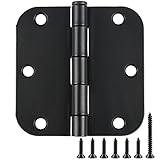
I remember the first time I helped a friend move into her new apartment. The kitchen cabinets were… an experience. You’d pull a drawer, and it felt like wrestling a bear. Doors would sag like a tired old man’s shoulders. I remember thinking, ‘This is supposed to be a kitchen, not a torture chamber!’ It was a visceral lesson: the stuff you don’t see, the quiet workhorses like hinges and glides, actually makes or breaks the entire experience. So, to answer the question directly: are hinges and glides for kitchen cabinets important? Absolutely. They’re the unsung heroes of your kitchen’s daily grind.
Forget fancy pull-out spice racks for a second. If your drawers stick and your doors don’t close right, none of that other stuff matters. It’s the foundation. You could have the most gorgeous granite countertops, but if opening a cabinet feels like a chore, your kitchen just won’t feel right. It’s like having a beautiful car with flat tires.
Why Those Tiny Bits of Metal Actually Matter
Let’s get real. When you’re planning a kitchen renovation or just replacing some worn-out parts, your brain is usually on the big stuff: cabinets, countertops, backsplash. You might glance at the hardware, pick something shiny, and call it a day. But those hinges and drawer glides? They are working overtime, every single day. Think about it: how many times a day do you open a cabinet door or pull out a drawer? Hundreds, probably. Each time, those little metal mechanisms are doing their job, or failing to do their job.
The wrong hinges can make cabinet doors hang crooked, refuse to close properly, or even scrape against each other. I once installed a set of cheap, self-closing hinges on a pantry door that slammed shut with the force of a medieval portcullis. Forget putting fragile items in there. And drawer glides? If they’re not smooth, you’re looking at drawers that stick, jam, or eventually fall off their runners altogether. It’s not just annoying; it’s a recipe for frustration and, eventually, costly repairs.
I learned this the hard way when I bought my first house. The kitchen was… dated. The cabinets were solid wood, but the drawers were a nightmare. They’d stick so bad I’d have to practically jump on them to get them open. The hinges were stiff and creaky. I spent nearly $200 on new glides and hinges, thinking it was a waste of money. But honestly? It was the best $200 I spent on that kitchen. Suddenly, everything opened and closed like a dream. It made the whole space feel more functional and frankly, more expensive, even though the cabinets themselves hadn’t changed.
The core function of hinges is to allow doors to pivot open and closed. Sounds simple, right? But there are different types for different needs. Face-frame cabinets (common in older American homes) use different hinges than frameless cabinets (more European style). Then you have overlay versus inset doors, each requiring specific hinge types and adjustments. Drawer glides, or slides, are all about supporting and guiding the drawer. They range from basic roller glides that sit underneath or on the side, to fancy ball-bearing slides that can hold hundreds of pounds and extend fully, like something out of a high-end appliance.
What to Look for: Beyond the Shine
Okay, so you’re convinced. Hinges and glides aren’t just afterthoughts. But what do you actually look for when you’re buying them? It’s not as simple as picking the prettiest handle. For hinges, you need to consider the cabinet type and door style. For face-frame cabinets, you’ll usually need European-style concealed hinges that mount to a mounting plate. These offer adjustability in three directions (up/down, in/out, left/right), which is a lifesaver for getting doors perfectly aligned. For older cabinets or specific styles, you might find surface-mount or butt hinges, but these are often less adjustable and can look dated.
The ‘overlay’ is another key term. This refers to how much the door covers the cabinet frame when closed. Full overlay means the doors cover almost the entire frame, giving a modern, smooth look. Partial overlay leaves some of the frame visible. Inset doors sit flush within the frame. Each requires a specific hinge type and adjustment. My first foray into cabinet hardware was a mess because I bought hinges that looked right but weren’t designed for the partial overlay of my existing cabinets. I ended up with gaps that looked terrible and let dust in. Lesson learned: match the hinge to the cabinet construction and door style.
For drawer glides, think about the weight you’ll be storing and how smoothly you want them to operate. Basic roller glides are cheap and okay for light-duty drawers, like a utensil drawer. But for heavier items – pots, pans, dishes – you absolutely need ball-bearing slides. These are a revelation. They glide so smoothly, even when fully loaded, and most offer full extension, meaning the drawer pulls out completely, giving you access to everything at the back. Soft-close mechanisms are also a huge win. They prevent doors and drawers from slamming shut, saving your fingers and your cabinets from wear and tear. It’s a small luxury that makes a big difference. (See Also: Are Spring Loaded Door Hinges Better )
I splurged on full-extension, soft-close ball-bearing glides for my kitchen island drawers. Total cost for the island was around $250 for the hardware, which felt steep at the time. But now, after two years, I’d do it again in a heartbeat. Pulling out a drawer full of heavy cast iron skillets and having it glide open silently, with no wobble, is just… satisfying. It feels solid. It feels right. And the soft-close feature means the kids can’t slam them shut, which is a small peace-of-mind bonus.
Common Mistakes People Make with Cabinet Hardware
You’d think hardware is straightforward, but oh boy, have I seen people mess this up. The most common mistake is buying hardware that’s purely decorative. They see a pretty picture online or in a magazine and don’t consider the functional aspects. This leads to doors that don’t align, drawers that sag, and a general feeling of cheapness, no matter how much you paid for the cabinets themselves. Always prioritize function over form, or at least find a balance.
Another biggie is not measuring correctly or, worse, not understanding the existing cabinet construction. Buying hinges designed for frameless cabinets when you have face-frame cabinets is a classic blunder. It’s like trying to fit a square peg in a round hole. You’ll end up with doors that won’t mount, or they’ll look terrible. Similarly, picking the wrong drawer slide for the weight capacity is a fast track to a broken drawer. Always check the weight rating on glides and choose one that can handle more than you think you’ll need.
Drawer Glide Types and My Verdict
| Type | Pros | Cons | My Verdict |
|---|---|---|---|
| Basic Roller Glides | Inexpensive, easy to install for light loads. | Can be noisy, limited weight capacity, often don’t fully extend, prone to sticking. | Only for very light-duty drawers where budget is king and performance isn’t a priority. Think small utility drawers. |
| Ball-Bearing Slides (Full Extension) | Smooth operation, high weight capacity, full access to drawer space, often available with soft-close. | More expensive than roller glides, installation can be slightly more precise. | The gold standard for most kitchen drawers, especially for heavier items. Worth the investment. |
| Undermount Slides | Concealed design for a clean look, smooth operation, good weight capacity. | More expensive, installation requires precise cabinet modification, can be harder to access for repairs. | Great for a high-end aesthetic, but often overkill for a typical kitchen unless budget and space are less of a concern. |
| Side-Mount Slides | Good balance of price and performance, widely available, easier to install than undermount. | Visible on the sides of the drawer, can be less smooth than high-end ball-bearing or undermount. | A solid middle-ground option. Good for moderate loads and where budget is a consideration. |
I once tried to save a few bucks by getting side-mount slides for a large bank of deep drawers designed for pots and pans. They worked okay for a while, but after about a year, even with careful loading, they started to sag. It was a constant annoyance. Switching to proper ball-bearing slides took about an afternoon and transformed the entire usability of those drawers. That’s a prime example of where are hinges and glides for kitchen cabinets important – they directly impact how you use your kitchen.
The Real-World Impact: Daily Annoyances vs. Smooth Sailing
Let’s talk about the daily grind. Imagine this: you’re rushing in the morning, trying to make coffee, grab a mug, get some toast going. You reach for your favorite mug in the cabinet, and the door sticks. You yank it, and it groans open, maybe hitting the adjacent door. Then you need a pan. You pull the drawer, and it jerks halfway, then gets stuck. You have to jiggle it, maybe lift it, to get it fully open. Meanwhile, your toast is burning, and your patience is wearing thin. Sound familiar?
This isn’t just a minor inconvenience; it’s a constant drain on your mood and efficiency. A kitchen is supposed to be a place of creation and enjoyment, not a source of daily frustration. Smoothly operating hinges and glides are the silent enablers of a happy kitchen. They mean doors swing open gently and close with a soft click. Drawers slide out effortlessly, revealing their contents without a fight. Everything feels solid, well-made, and designed for ease of use. It’s the difference between a kitchen that fights you and one that flows with you.
I saw this starkly when I helped my parents update their kitchen. They’re older, and their old cabinets had hardware that was just… tired. Opening the pantry door required a good shove, and the cutlery drawer was a gamble every time. We replaced all the hinges and drawer glides with good quality, soft-close versions. The change was dramatic. My mom said it felt like a completely new kitchen. She could open doors with one finger, and the drawers slid out so smoothly she felt like she was gliding. That’s the tangible impact. It’s not about aesthetics; it’s about usability and making life easier.
It’s also about longevity. Cheap, poorly made hardware wears out faster. Hinges can bend or break, glides can strip their bearings or warp. This means not only do you have to replace them sooner, but they can also damage your cabinets. A drawer that’s constantly scraping against the cabinet box will eventually wear down the wood. A door that slams repeatedly can chip the paint or even crack the frame. Investing in decent hardware upfront saves you money and headaches down the line. (See Also: A Box Without Hinges Key )
Contrarian Take: Are all High-End Glides Necessary?
Now, here’s where I might ruffle some feathers. Everyone talks about the absolute necessity of the most expensive, smoothest-gliding, soft-closing hardware. And for the most part, they’re right. But here’s my take: you don’t need the ultra-premium, $100-per-drawer hardware for every single drawer in your kitchen. I’ve seen people go overboard, putting the absolute top-tier, heavy-duty, silent-motion slides on a tiny drawer that only holds a couple of dishtowels. It’s overkill, and it’s a waste of money.
My advice? Be strategic. Invest heavily in the drawers and cabinets that get the most use and hold the heaviest items.
These are typically your base cabinet drawers for pots, pans, dishes, and maybe your pantry drawers. For lighter-duty drawers – like upper cabinet drawers for silverware or a small junk drawer – you can get away with good quality, mid-range glides.
They’ll still be smooth and functional, just without the extreme weight rating or the silent-motion feature. You can save a few hundred bucks this way and put that money towards something else, like better cabinet organizers or a nice faucet.
It’s about smart allocation of your renovation budget, not just throwing money at the most expensive option for everything.
Installation: DIY vs. Professional
So you’ve picked out your shiny new hinges and smooth-gliding drawer slides. Now what? Installation. This is where things can go from satisfying to soul-crushing if you’re not prepared. For hinges, especially concealed European-style ones, installation involves precise drilling for the hinge cup and mounting plates. If you’re replacing old hinges with the exact same type, it’s usually straightforward. But if you’re changing hinge types or cabinet styles, it gets trickier. Misaligned mounting plates or incorrectly drilled hinge cups mean doors won’t hang straight, won’t close properly, or won’t open to the intended angle.
Drawer glides are a whole other beast. There are generally two parts to a glide: one that attaches to the cabinet frame, and one that attaches to the drawer itself. Getting the cabinet-mounted part perfectly level and parallel to the other side is most important. If it’s off, the drawer will bind, stick, or even fall out. For undermount slides, the installation is even more important and often requires specific jigs or templates to make sure perfect placement. I’ve spent hours wrestling with drawer slides, only to have to uninstall and redo them because the initial placement was slightly off. It’s a test of patience and precision.
I’m reasonably handy, but I admit that installing a full set of undermount glides on my new kitchen island was a challenge. The instructions were… vague. I ended up watching about six different YouTube videos from different manufacturers to piece together the best approach. It took me a solid weekend to get all six drawers installed and running perfectly. If you’re not comfortable with precise measurements, drilling straight holes, and potentially troubleshooting, hiring a carpenter or a cabinet installer for this part is money well spent. The cost of professional installation might be $300-$600 depending on the scope, but it saves you from potential frustration, damage, and the need to buy new hardware if you mess up the installation. (See Also: Are Integrated Washing Machine Door Hinges Standard )
Faq: Your Burning Questions Answered
Are Hinges and Glides for Kitchen Cabinets Important for Cabinet Longevity?
Yes, absolutely. Good quality hinges and glides distribute weight evenly and operate smoothly, reducing stress on the cabinet frame and doors. This prevents premature wear, sagging, and damage, helping your cabinets last much longer and maintain their appearance and functionality.
Can I Upgrade My Old Kitchen Cabinets with New Hinges and Glides?
In most cases, yes! Replacing old, worn-out hinges and drawer glides is one of the most effective and cost-effective ways to improve the feel and function of existing cabinets. You’ll need to measure carefully to make sure you select compatible types and sizes for your cabinet construction and door style.
How Much Weight Can Kitchen Cabinet Drawer Glides Hold?
Weight capacity varies significantly by glide type. Basic roller glides might only support 50-75 pounds, while high-quality ball-bearing or undermount slides can often handle 100-200 pounds or even more. Always check the product specifications for the specific glide you are considering to match it to your needs.
Do I Need Special Tools to Install Cabinet Hinges and Glides?
For basic installations, a screwdriver and measuring tape are usually sufficient. However, for concealed hinges and undermount drawer glides, a drill with appropriate bits, a level, and potentially a specialized jig or template can make the job much easier and more accurate. Precision is key.
What’s the Difference Between Overlay and Inset Cabinets Regarding Hardware?
Overlay cabinets have doors and drawers that partially or fully cover the cabinet frame when closed. Inset cabinets have doors and drawers that sit flush within the cabinet frame. These different styles require specific types of hinges and mounting hardware to make sure proper alignment and operation.
The Verdict: Don’t Skimp on the Moving Parts
So, to circle back to the main question: are hinges and glides for kitchen cabinets important? They are, frankly, one of the most important, yet often overlooked, components of your kitchen. They’re the mechanics that allow you to interact with your cabinets every single day. Ignoring them is like buying a beautiful sports car and then putting cheap, bald tires on it. It just doesn’t make sense.
When you’re planning a renovation, budgeting, or even just doing minor repairs, give these humble components the respect they deserve. Look for quality materials, consider the weight and frequency of use, and think about the functionality you want. Good hardware makes cabinets feel solid, operate smoothly, and last longer. It’s not just about looks; it’s about the daily experience in your kitchen. The difference is night and day, and a well-functioning kitchen is a happier kitchen.
Conclusion
In the end, the hinges and glides might not be the flashiest parts of your kitchen, but they are undeniably important to its everyday function and your sanity. They’re the silent workhorses that, when done right, make opening a drawer or closing a cabinet door a smooth, satisfying experience. When you’re thinking about your kitchen’s layout and design, don’t let these mechanics become an afterthought. They have a direct impact on how your cabinets perform for years to come.
My own kitchen is a testament to this. After years of dealing with sticky drawers and misaligned doors in various rentals and my first house, I went all-in on quality hardware during my last renovation. The difference it made was profound. My cabinets feel incredibly solid, doors close perfectly, and drawers glide open with the slightest touch, even when loaded. It’s a constant reminder that are hinges and glides for kitchen cabinets important not just for function, but for the overall enjoyment of your space.
So, next time you’re looking at cabinet hardware, remember that the tiny bits of metal are doing heavy lifting. Invest wisely, do your research, and choose hardware that will stand the test of time and daily use. Your future self, the one not wrestling with a stubborn drawer at 7 AM, will thank you.