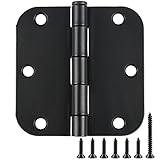
I remember this one time, helping my buddy renovate his old farmhouse. We were tackling this massive pantry door, a real beast. As we worked on it, I noticed the hinges were looking pretty rough, speckled with this reddish-brown dust. ‘Man,’ I said, ‘these hinges look like they’re contagious with rust.’ He just laughed, but it got me thinking. It’s a funny thought, but is there any truth to the idea that rust can spread like a disease? Let’s get down to brass tacks about why your hardware might be looking a bit under the weather.
It’s easy to see those little orange flakes and wonder if they’re going to jump ship to the next perfectly good piece of metal nearby. This whole notion of ‘are hinges contagious’ pops up more than you’d think, especially when you’re dealing with older homes or humid environments. We’re going to break down what’s really going on with rusty hardware and what you can actually do about it.
Why Your Door Hardware Looks Sick (it’s Not a Germ!)
Okay, let’s get this straight right off the bat: hinges are not contagious in the way a cold or the flu is. They don’t harbor tiny invisible villains that hop from one metal surface to another. The reason you see rust spreading, especially on hinges and other metal fixtures, is a chemical process called oxidation. Think of it like a slow-motion fire that eats away at the metal. When iron or steel is exposed to oxygen and moisture, they react. That reddish-brown flaky stuff? That’s iron oxide, or more commonly, rust. It’s a byproduct of that reaction.
The ‘contagious’ appearance comes from the fact that rust particles, being flaky and loose, can easily fall onto or rub off onto adjacent surfaces. So, if you have a rusty hinge on a door, those rust flakes can indeed land on the door itself, the frame, or even other hinges if they’re close enough. It looks like it’s spreading, but it’s more like a physical transfer of degraded material, not an infectious agent. This is why you might see a rust bloom appear on a surface that was initially clean, right after you’ve been fiddling with a rusty part. It’s just the evidence of the chemical reaction making its way around.
I learned this the hard way with a set of antique cabinet hinges I was trying to restore. I was painstakingly cleaning one hinge, and without realizing it, I was smearing rust dust all over the beautiful old wood. By the time I was done, the surrounding area looked worse than when I started. It wasn’t that the ‘rust got on it,’ it was that the rust dust I was handling transferred. It taught me to be way more careful with preparation and containment when dealing with any kind of corrosion. You need to treat it less like a medical issue and more like a messy chemical spill.
The key takeaway here is that while hinges aren’t ‘contagious,’ rust itself is a progressive chemical reaction that can affect any susceptible metal surface. If one part of your hardware is rusting, it’s a strong indicator that other parts, especially if they’re made of the same material or are exposed to the same conditions, are also at risk or already undergoing the initial stages of oxidation. This means you can’t just ignore one rusty screw and expect the others to stay pristine forever. They’re all part of the same vulnerable system.
Understanding the Oxidation Process: How Rust Happens
So, we’ve established that hinges aren’t sick, but the metal they’re made of is undergoing a chemical transformation. Let’s unpack that a bit. For rust to form, you generally need three things: iron (or steel, which is mostly iron), oxygen, and moisture. Think of it like baking – you need your ingredients. The iron is the base, the oxygen is in the air around us, and moisture can come from humidity, rain, cleaning products, or even just condensation.
When these elements combine, a galvanic corrosion process begins. It’s an electrochemical reaction. Tiny imperfections on the metal surface act as anodes and cathodes. Water acts as an electrolyte, allowing ions to move between them. At the anode, iron atoms lose electrons (oxidation), forming iron ions. These iron ions then react with oxygen dissolved in the water to form hydrated iron(III) oxide – that’s your rust. The more prolonged the exposure to oxygen and moisture, the more rust will form. (See Also: A Box Without Hinges Key )
This is why you see rust appear faster and become more severe in certain environments. A bathroom with high humidity from showers, an exterior door exposed to rain and salt spray, or even a kitchen sink area with frequent splashes are prime locations for accelerated rusting. The metal components in these areas are constantly being presented with the necessary ingredients for oxidation. I once lived in a place right by the coast, and I swear my stainless steel appliances started showing faint rust spots within a year. The salt in the air was the kicker, significantly speeding up the process. It was disheartening, and I learned that even ‘rust-resistant’ materials have their limits.
The common advice is to dry metal surfaces thoroughly and, if possible, seal them from the elements. For hinges, this means wiping them down after use, especially in damp areas, and considering protective coatings. Some people swear by waxing metal surfaces, which creates a barrier against moisture. Others opt for specialized rust-inhibiting sprays. The goal is always to interrupt that cycle of iron, oxygen, and moisture. It’s a constant battle, especially with hardware that’s constantly being touched, opened, and closed, which can wear down protective layers over time. It’s not about finding a permanent cure, but about diligent maintenance to slow down the inevitable.
What to Look for: Signs of Impending Rust
Spotting the early signs of rust on your hinges and other hardware is key to preventing a full-blown corrosion crisis. It’s like catching a cold before it turns into pneumonia – you want to address it when it’s manageable. The first thing you’ll usually notice is a change in the surface finish. Instead of a smooth, consistent sheen (whether it’s polished chrome, brushed nickel, or even painted), you might see dull spots or a slightly chalky appearance. This is often the very beginning of oxidation, before any visible color change.
The next stage is discoloration. You’ll start seeing faint reddish-brown or orangey tinges. On darker finishes, this might be subtle, but on lighter metals like chrome or silver, it can be quite noticeable. This is the actual iron oxide forming. You might also feel a slight roughness if you run your finger over the affected area. The smooth surface of the metal is starting to degrade and become pitted or uneven.
Then comes the flaking. This is when the rust is more established. You’ll see small flakes or powder of reddish-brown material. This is the stage where it really looks ‘contagious’ because these flakes can easily transfer to your hands, clothes, or surrounding surfaces. If you’re opening or closing a door and notice rust dust on your fingertips, that’s a clear indicator that the hinge is significantly corroded. It’s also a sign that the structural integrity of the metal might be compromised if left unchecked for too long.
Here’s a little trick I learned from a seasoned locksmith: for hinges that have been painted over, look for tiny bubbles or blisters in the paint. These are often caused by rust forming underneath the paint layer. The moisture trapped beneath the paint is causing the oxidation, and the pressure from the expanding rust pushes the paint up, creating those unsightly bumps. If you see those, the metal beneath is almost certainly rusting away. Addressing these early warning signs can save you a lot of headaches and prevent the need for costly replacements down the line. It’s about being observant and proactive.
Common Mistakes People Make with Rusty Hardware
One of the most common mistakes I see people make is simply ignoring the problem until it’s too late. They see a little bit of rust on their hinges or door knobs and think, ‘Eh, it’s just cosmetic.’ But as we’ve discussed, it’s a chemical process that doesn’t stop on its own. It will continue to degrade the metal, potentially weakening it and making it harder to repair later. I’ve had friends who waited so long to address rusty hinges on an exterior gate that the pin seized completely, and they had to literally cut the gate off its hinges. Not ideal. (See Also: Are Integrated Washing Machine Door Hinges Standard )
Another big mistake is using the wrong cleaning agents. People grab whatever harsh chemical is under their sink, thinking more power equals faster results. This can often do more harm than good. For example, using abrasive cleaners or steel wool on plated finishes can scratch the surface, removing protective layers and actually making the metal more susceptible to rust. Similarly, using strong acids can etch the metal. Always check what the manufacturer recommends or start with the mildest approach possible.
Then there’s the ‘just slap some paint on it’ approach. While painting over rust might hide it temporarily, it’s a superficial fix. The rust continues to grow underneath the paint, causing it to peel and bubble, and eventually, the underlying metal will be significantly damaged. Proper rust treatment involves removing the rust entirely or neutralizing it before applying any protective coating or paint. It’s like putting a Band-Aid on a broken bone – it doesn’t fix the underlying issue.
Finally, people often make the mistake of assuming all metal hardware is created equal. They’ll buy the cheapest hinges they can find because, ‘they’re just hinges.’ But material quality and protective coatings vary wildly. Cheaper hinges might be made from lower-grade steel with minimal protection, making them prone to rust much faster than higher-quality, properly treated ones. For high-moisture areas or exterior use, investing in stainless steel or brass hinges, or those specifically coated for corrosion resistance, is a much smarter move in the long run. It’s a classic case of ‘buy cheap, buy twice,’ but with rust, it can be ‘buy cheap, buy rust’ within months.
Practical Tips for Tackling Rust and Preventing Its Return
Alright, enough theory. How do you actually deal with this stuff? For light surface rust on hinges, you can often get away with a bit of elbow grease and some basic household items. A paste made from baking soda and water is surprisingly effective. Apply it to the rusty spots, let it sit for about 30 minutes, then scrub gently with a soft brush or an old toothbrush. Rinse with water and dry thoroughly. Another simple trick is using a cut onion – the oxalic acid in it can help break down rust. Just rub the cut side of the onion on the rust and wipe clean.
For more stubborn rust, you might need something a bit stronger. White vinegar is a fantastic natural rust remover. Soak the affected part in vinegar for a few hours (or overnight for really bad cases), then scrub away the loosened rust. Again, rinse and dry completely. If you’re dealing with hardware that can be removed, like individual hinges, soaking them in a rust remover solution (available at most hardware stores) is often the most efficient way to tackle heavy corrosion. Always follow the product instructions carefully and work in a well-ventilated area.
Once you’ve removed the rust, the most important step is prevention. For interior hinges that are prone to moisture (like in bathrooms), a light coat of paste wax can create a barrier. Buff it to a shine. For exterior hardware, consider applying a rust-inhibiting primer followed by a durable exterior paint or a clear protective coating designed for metal. Stainless steel or solid brass hinges are your best bet for areas with high humidity or salt exposure, though they can be pricier. They offer superior resistance to oxidation. Remember, diligence is key. Wiping down hardware after it gets wet, especially in coastal or humid environments, can make a world of difference.
Here’s a quick table summarizing some common approaches: (See Also: Are Hinges Wheeels )
| Problem | Solution Method | Verdict |
|---|---|---|
| Light Surface Rust | Baking Soda Paste, Vinegar Soak | Effective for minor issues; requires thorough drying. |
| Stubborn Rust | Commercial Rust Remover, Electrolysis (advanced) | More aggressive, works well but requires safety precautions and careful rinsing. |
| Painted Over Rust | Remove Paint, Treat Rust, Re-prime and Paint | Key to address underlying rust; otherwise, it’s a temporary fix. |
| Preventing Future Rust | Waxing, Protective Coatings, Material Choice (Stainless/Brass) | Important for longevity; proactive steps are always better than reactive. |
Contrarian Opinion Time: Everyone says ‘just replace it’ when hardware rusts. I disagree, especially for older homes or unique fixtures. Replacing might seem easier, but often you can’t find an exact match for the style or size, and you end up with ill-fitting new hardware that looks out of place. Restoring and protecting what you have, when possible, maintains the character of the space and can be incredibly satisfying. It requires more effort, sure, but the result is often far superior and more authentic.
Frequently Asked Questions About Hardware Corrosion
Can Rust Spread From One Hinge to Another?
Rust itself isn’t contagious like a disease. However, rust particles (iron oxide dust) can easily rub off from a rusty hinge onto a clean one. This physical transfer makes it look like the rust is spreading. The underlying cause is the chemical reaction of oxidation affecting susceptible metal surfaces.
What’s the Fastest Way to Remove Rust From Hinges?
For a quick fix, soaking very rusty hinges in white vinegar for a few hours can loosen rust significantly. For faster, more industrial-strength removal, commercial rust removers are available, but they require careful handling and ventilation. Always rinse and dry thoroughly afterward.
How Do I Stop My Hinges From Rusting in the Future?
Prevention is key. Keep hinges dry, especially in humid areas. For interior use, applying a coat of paste wax or a clear protective sealant can help. For exterior hardware, consider using stainless steel or brass hinges, or applying rust-inhibiting primers and durable exterior paints.
Is It Bad to Paint Over Rusty Hinges?
Painting over rusty hinges is a bad idea in the long run. The rust will continue to form and grow underneath the paint, causing it to bubble, peel, and eventually fail. It’s a temporary cosmetic fix that doesn’t address the underlying corrosion. Proper rust removal and treatment are necessary before painting.
What Kind of Hinges Are Best for Preventing Rust?
For maximum rust prevention, especially in harsh environments like coastal areas or bathrooms, opt for stainless steel hinges. Solid brass hinges are also highly resistant to corrosion. If those aren’t options, look for hinges with a good quality protective coating, such as zinc plating or a powder coat finish, and be prepared for regular maintenance.
Conclusion
So, to put it bluntly, your hinges aren’t catching a bug. The ‘contagious’ appearance of rust is just the physical nature of rust particles spreading around. It’s a chemical process, and while it can be frustrating and make your hardware look pretty grim, it’s manageable. The key is understanding what’s happening and being proactive.
Don’t let a little bit of orange dust get you down. With a bit of cleaning, some preventative measures, and maybe a good quality replacement if things are too far gone, you can keep your doors opening smoothly and looking good. It’s about respecting the material and giving it the care it needs, especially if it’s exposed to moisture or salt.
Next time you see rust creeping up on your hardware, you’ll know it’s not an epidemic, just chemistry at play. And now you know how to fight back. The real question is, are you going to let that rust win, or are you going to tackle it head-on?