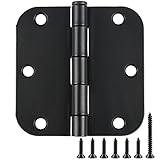
I’ve stood in front of more than a few doors, wrestling with a stubborn hinge, and wondered if I’d made the right choice. Especially with outswing doors, where the entire weight of the door is fighting gravity and relying on those little metal bits to keep everything in place. It’s not just about keeping the door on its track; it’s about security, weatherproofing, and frankly, not having your door fall off and smack you in the face. So, let’s cut to the chase: are hinges of outswing doors safe? For the most part, yes, but there are definitely things that can go wrong, and knowing them beforehand saves you a massive headache.
I’ve seen flimsy hardware fail spectacularly, and I’ve also seen heavy-duty stuff that could probably withstand a hurricane. The devil is always in the details, and with door hinges, those details are often overlooked by people just trying to get the job done. This isn’t rocket science, but it’s engineering you live with every day.
The Real Deal on Outswing Door Hinge Strength
Let’s be blunt: most doors, whether they swing in or out, rely on hinges that are more than capable for everyday use. The question of ‘are hinges of outswing doors safe’ usually pops up when people are thinking about security or extreme weather. For a standard residential door, the typical three-knuckle, steel or brass hinges you find everywhere are perfectly adequate. They’re designed to handle the shear and bending forces of a door that’s probably weighing between 50 and 150 pounds.
Outswing doors do put a bit more stress on hinges because they’re exposed to the elements and potential pry attacks more directly than inswing doors. Imagine the wind pushing against your door – that force is transmitted directly to the hinges. If someone’s trying to force their way in, they’re going to target the gap where the door meets the frame, and that means the hinges are a prime target for use.
The real concern isn’t so much the hinge itself failing under normal use, but rather two main things: the quality of the installation and the type of hinge for the job. I learned this the hard way installing a heavy garden gate that swung outwards. I used standard interior door hinges, thinking they’d be fine.
Big mistake. Within a year, with rain, sun, and the occasional gust of wind, the pins started to sag, and the door felt loose.
It wasn’t unsafe in a ‘falling off’ way, but it was a security risk and just plain annoying. Replacing them with heavy-duty exterior-grade stainless steel hinges, properly set into solid wood, made all the difference.
It’s about matching the hardware to the environment and the load. For exterior doors, especially those exposed to wind or where security is a higher priority, you want something more substantial than what you’d use for a closet door.
Think thicker metal, corrosion-resistant finishes, and importantly, proper screw length that bites deep into the structural framing, not just the door jamb.
When you’re buying hinges, look at the gauge of the metal. Thicker is generally better. For exterior doors, especially outswinging ones, stainless steel or heavy-duty coated steel is a must to prevent rust, which can weaken the hinge over time. Brass is nice for looks but can be softer than steel. The size of the hinge also matters; a larger hinge with more knuckles can distribute weight better.
The common advice to just use ‘door hinges’ often falls short for outswing doors. They’re treated the same as interior doors by many DIY guides, and that’s where the problem starts. They don’t account for the battering wind can give them or the prying forces an intruder might apply. Security hinges, which often have non-removable pins or security studs, are a whole different ballgame and definitely a step up in safety for outswing applications.
What to Look for: Beyond the Basic Swivel
So, you’re staring at a wall of hinges at the hardware store, or scrolling through a website, and the question ‘are hinges of outswing doors safe’ still lingers. The trick is knowing what separates a good, safe hinge from one that’s just going to cause you grief.
First off, material. For any door that goes outside, rust is your enemy.
It doesn’t just look bad; it corrodes the metal, making it weaker and potentially seizing up the hinge. That’s why stainless steel is king for exterior hinges.
If you’re on a tighter budget, look for heavy-duty coated steel, but be prepared to maintain it. I’ve had cheap coated hinges start to flake and rust within a year, exposing the base metal to the elements. It’s cheaper in the long run to spend a bit more upfront on stainless or a high-quality, rust-resistant finish.
I paid about $80 for a set of four heavy-duty stainless steel hinges for my back patio door, and it was worth every penny to avoid the hassle of replacing cheaper ones down the line.
Next, check the thickness of the hinge leaves and the gauge of the metal. Thicker leaves and a heavier gauge mean the hinge can handle more stress. A flimsy hinge will bend over time, especially on a large, heavy outswing door, leading to sagging and binding. (See Also: A Box Without Hinges Key )
You can often feel the difference by picking up a few different types. The weightier ones are usually the sturdier ones. Also, consider the pin. For exterior doors, especially outswing, you want non-removable pins or security studs.
These are small protrusions on the hinge knuckles that engage with the opposing knuckle when the door is closed. If someone tries to kick the door in or pry it open, these studs prevent the pin from being easily removed from the outside, even if the hinge is somehow exposed. It’s a simple feature but a massive security boost.
The number of hinges matters, too. While most standard interior doors use three hinges, heavy exterior doors, especially outswing ones that deal with wind load, might benefit from four. This distributes the weight more evenly and adds stability. When buying, think about the weight rating if it’s specified. Most consumer-grade hinges don’t have explicit weight ratings, but you can infer quality from the material and construction. For custom or very heavy doors, you might need to look at specialized hardware. Don’t skimp here. A cheap hinge is the first thing to fail on an exterior door, compromising both security and function.
Considerations for Security Hinges
If security is a major concern for your outswing door, you’ll want to look into what are commonly called ‘security hinges.’ These aren’t just about being made of strong metal; they incorporate design features to thwart forced entry. The most common feature is the non-removable pin (NRP).
This is achieved by a small stud that sticks up from one knuckle, fitting into a corresponding groove or hole in the adjacent knuckle when the door is closed. This means that even if the hinge pins are accessible from the outside, they can’t be driven out or removed, which is a common tactic for burglars trying to dislodge the door. Another variation is the security stud, which performs a similar function of interlocking the knuckles.
Some high-security hinges might even have a more complex interlocking mechanism or be designed to be completely non-mortised, meaning they don’t require a deep cut into the frame, reducing potential weak points.
Bearing Type
For heavier outswing doors, or doors that get a lot of use, consider hinges with ball bearings or heavy-duty bushings. These types of bearings reduce friction, making the door operate more smoothly and, more importantly, helping to support the weight more effectively over time. Without good bearings, the friction can wear down the hinge knuckles, leading to sagging and premature failure. I found this out when my old shed door started squeaking like a banshee and dragging on the ground. Swapping the old, plain-bearing hinges for ones with ball bearings made it feel like a brand-new door, and I haven’t had to adjust it since.
Common Mistakes That Compromise Safety
One of the biggest mistakes I see people make when installing hinges for outswing doors is not using the right type of screws, or worse, not using screws long enough. You’ve got this heavy door, swinging in the wind, and it’s attached to the jamb with 1-inch screws that only bite into the thin wood of the jamb itself. That’s a recipe for disaster.
The jamb can split, or the screws can pull out. For exterior doors, especially outswing, you need screws that are at least 2.5 to 3 inches long. These screws should go through the hinge leaf, through the door jamb, and bite deep into the structural framing stud behind the jamb.
This provides a solid anchor that can handle the forces applied to the door. I once helped a buddy re-hang his storm door after a bad installation, and we found that the original installer had used tiny little screws. We ended up stripping out half the screw holes just trying to get them out. Replacing them with proper 3-inch lag screws took an hour, but the door felt solid afterward.
Another common error is inadequate maintenance. Hinges, especially exterior ones, need occasional lubrication and checking. Rust, dirt, or lack of lubrication can cause them to bind, put extra stress on the metal, and eventually lead to failure. A quick spray of WD-40 or a silicone lubricant once a year can make a huge difference in longevity and smooth operation. Also, people often neglect to check for sagging. If your door starts to drag on the ground or bind in the frame, it’s a sign the hinges are under stress or failing. Ignoring this can lead to more serious damage. This is especially true for outswing doors where wind can exacerbate any looseness.
Finally, people often underestimate the weight of the door. A solid wood door, or a door with glass panels, can be significantly heavier than a hollow-core interior door. Using hinges rated for lighter doors on a heavier application is a fast track to problems. Always err on the side of caution and get hinges that are designed for heavier loads. The question ‘are hinges of outswing doors safe’ really boils down to whether you’ve chosen hardware that’s up to the task and installed it correctly. If you cheap out on screws or use the wrong type of hinge, the answer is a resounding ‘no’.
Incorrect Screw Length
This is probably the most frequent and dangerous mistake. Standard screws that come with many hinges, or those commonly found in the DIY bin at the hardware store, are often too short for exterior door applications, especially outswing doors which face more external forces. They typically measure 1 inch or 1.5 inches. These screws barely penetrate the door jamb and offer little resistance to use or shear forces.
For a secure installation, especially into studs, you need screws that are at least 2.5 inches long, with 3-inch or even 3.5-inch screws being preferable for very heavy doors or frames that might be a bit softer. The goal is to have the screw engage with the solid wood framing stud behind the jamb. This provides the strength needed to hold the door securely, preventing it from being easily pried open or the hinge from pulling out of the frame.
Over-Reliance on Standard Hinges
Many DIY guides treat all door hinges the same. For an outswing door that’s exposed to the elements, wind, and potentially more security threats than an interior door, this is a mistake. Standard hinges, often made of lighter gauge metal or without security features, are not designed for the same stresses. An outswing door is constantly fighting against external forces like wind pushing it open or rain causing the wood to swell slightly. Standard hinges can warp, sag, or fail under these conditions over time, compromising both safety and functionality. Opting for heavy-duty, corrosion-resistant hinges with security features (like non-removable pins) is a smarter choice for any door that swings outward.
Real-World Use and My Own Blunders
I learned the hard way about installing hinges for outswing doors when I built a small, detached workshop. I wanted the main door to swing outwards to maximize interior space and make it easier to move tools in and out. (See Also: Are Integrated Washing Machine Door Hinges Standard )
I grabbed what I thought were sturdy exterior hinges from the local big-box store. They looked decent, were black-coated steel, and seemed solid enough.
I installed them with the screws that came in the package, which were about 1.5 inches long. For about six months, they worked fine.
Then, a particularly windy autumn started. The wind would catch the door, and I’d hear creaking and groaning from the hinges.
One day, after a strong gust, the door didn’t close quite right. It was sagging. Looking closely, I could see the top hinge leaf had slightly bent, and the screws were starting to pull out of the jamb.
The jamb itself, a solid piece of pine, was starting to split around the screw holes.
My initial thought was, ‘Great, I need new hinges.’ But then I realized the problem wasn’t just the hinges; it was the entire installation.
The hinges themselves weren’t terrible quality, but they were being asked to do a job they weren’t fully equipped for, combined with inadequate anchoring. So, I ended up buying a set of heavy-duty, 4-inch stainless steel hinges – overkill, maybe, but I wanted peace of mind.
More importantly, I bought 3-inch structural screws. I had to pre-drill pilot holes into the studs, which took some effort, but the difference was immediate.
The door felt rock-solid. It’s been through three more windy seasons now, and there’s not an ounce of sag. This experience taught me that ‘good enough’ isn’t good enough for exterior outswing doors. It’s about solid construction, proper materials, and anchoring that goes deep into the structure.
Don’t make the same mistake I did; invest in quality hardware and installation from the start.
The ‘good Enough’ Trap
This is a mindset that bites many DIYers. You see a hinge that looks okay, it fits the door, and you think, ‘That’ll do.’ The problem is, many hinges are designed for interior, low-stress applications.
For an outswing door, especially one that’s frequently used or exposed to wind, that ‘good enough’ attitude can lead to sagging doors, difficult operation, and security vulnerabilities. I fell for this with my workshop door. I thought the hinges I picked were sufficient because they were ‘exterior-rated’ by some vague standard. However, they lacked the gauge, the bearing quality, and the solid mounting options needed for my specific use case.
The consequence was a door that became a nuisance and a potential security weak point within a year. Investing a little more in hinges specifically designed for exterior, potentially heavy-duty use, and making sure they are properly anchored, is a much more economical and safer approach in the long run.
Wind Load Considerations
Outswing doors are inherently more susceptible to wind loading than inswing doors. A strong gust of wind can exert significant force on the door, acting like a lever trying to wrench it open or slam it shut.
This force is directly translated to the hinges. If the hinges are not strong enough, or if they are not properly secured to the frame and studs, they can bend, warp, or even pull out of the wood.
This is why choosing heavy-duty hinges, often with a higher knuckle count and solid pin construction, is important for outswing doors. Additionally, the frame itself needs to be sturdy and well-anchored. For areas prone to high winds, considering specialized wind-rated hardware or even adding an extra hinge might be a prudent decision. (See Also: Are Hinges Wheeels )
It’s not just about keeping the door on its track, but about making sure it can withstand the environmental forces it’s subjected to daily.
Practical Tips for Safe Outswing Hinges
When you’re dealing with outswing doors, your goal is to make those hinges as solid and secure as possible. First and foremost, always opt for heavy-duty, corrosion-resistant hinges. Stainless steel is ideal for exterior applications. If that’s too pricey, look for high-quality coated steel with a thick, durable finish that resists chipping and rust. For a standard exterior door, three hinges are usually sufficient, but if it’s a particularly large, heavy, or frequently used door, consider using four. This distributes the load more evenly and adds stability, especially when the wind is trying to wrestle with your door. I’d rather have one too many hinges than one too few.
Next, forget the short screws that come with most hinges. You absolutely must use long structural screws – 3 inches is a good minimum, longer is better if your jamb and stud depth allow.
Pre-drilling pilot holes is key, especially in harder woods, to prevent splitting. The pilot hole should be slightly smaller than the screw’s shank diameter. For the hinge leaves that attach to the door itself, standard screws are usually fine unless you have a very heavy door, in which case you might want longer screws there too.
When installing, make sure the hinges are plumb and square. A slightly misaligned hinge can put undue stress on the metal and lead to premature wear. I learned this when I installed a gate and didn’t get the hinges perfectly vertical; the gate sagged on one side within months.
| Hinge Feature | Importance for Outswing Doors | My Verdict |
|---|---|---|
| Material (Stainless Steel) | High – Resists rust and corrosion from elements. | Must-have for longevity. |
| Gauge/Thickness | High – Determines strength and resistance to bending. | Heavy gauge is better; feel the weight. |
| Security Pin (NRP/Studs) | Medium to High – Deters forced entry. | Recommended for exterior security. |
| Ball Bearings | Medium – Reduces friction, smoother operation, better weight distribution. | Nice to have, especially for heavy doors. |
| Screw Length | Important – Anchors hinge securely to frame and stud. | Never use short screws; go 3″+. |
| Number of Hinges | Medium – Adds stability, especially for larger/heavier doors. | Consider 4 for wider or heavier doors. |
Finally, regular maintenance is key. Periodically clean any dirt or debris from the hinge knuckles and lubricate the pin. A spray lubricant like WD-40 or a silicone-based lubricant will keep things running smoothly and prevent rust. Check for any signs of sagging or binding; if you notice issues, address them immediately. It’s much easier to tighten a loose screw or replace a worn hinge than to repair a damaged door frame or a door that’s fallen off its hinges. The question ‘are hinges of outswing doors safe’ is answered by diligence in selection, installation, and maintenance.
Lubrication and Cleaning Schedule
Just like any mechanical component, hinges benefit from regular upkeep. For outswing doors, which are constantly exposed to the elements, this is even more important. I recommend a basic cleaning and lubrication schedule.
At least once a year, or more often if you live in a particularly dusty or humid environment, take a moment to wipe down the hinges. Remove any accumulated grime, dirt, or debris from the knuckles and pin. Then, apply a light lubricant. A spray lubricant like WD-40 or a silicone-based spray works well.
A few squirts on the pin and along the knuckle seams are usually sufficient. Work the door back and forth a few times to make sure the lubricant penetrates.
This simple routine prevents rust, reduces friction, and makes sure the hinge operates smoothly, prolonging its life and maintaining its safety. It also makes it easier to spot any developing issues, like rust spots or looseness, before they become major problems.
Checking for Sagging and Looseness
The most obvious sign that your outswing door hinges are compromised is sagging. If the bottom corner of the door starts to drag on the floor or scrape against the door frame as you open or close it, that’s a red flag. This sagging is usually caused by hinges that have bent under the weight of the door, screws that have loosened or pulled out of the jamb, or a combination of both. It’s important to address this promptly.
First, check the screws. Tighten any loose ones. If the screw holes are stripped, you’ll need to repair them, often by filling the hole with wood glue and toothpicks or dowel, letting it dry, and then re-drilling a pilot hole for a new, longer screw.
If the hinges themselves appear bent or damaged, they need to be replaced. Don’t ignore sagging; it’s a clear indication that the integrity of your door’s mounting is compromised, and it will only get worse, potentially leading to frame damage or the door becoming unstable.
Verdict
So, when it comes down to it, are hinges of outswing doors safe? The answer is a solid ‘yes, if you do it right.’ It’s not the hinge itself that’s inherently unsafe, but rather how it’s selected, installed, and maintained. Skimping on quality, using the wrong screws, or neglecting maintenance are the real culprits behind hinge failures on exterior doors. For my own peace of mind and security, I always go for heavy-duty, corrosion-resistant hinges and make sure those screws bite deep into the studs. It’s a small investment that pays off in a door that functions reliably and keeps you secure, no matter what the weather or anyone else tries.
Don’t let a weak hinge be the Achilles’ heel of your home’s security or comfort. Take the time to pick the right hardware for the job and install it properly. Your future self, especially during the next big storm or when you’re moving furniture, will thank you profusely.
Next time you’re replacing a door or just checking your existing ones, give those hinges a good once-over. Are they showing signs of rust? Is the door sagging? It’s a quick check that can save a lot of trouble.