I once spent a solid hour wrestling with a new front door, convinced I was missing some secret, invisible latch. It just wouldn’t budge. Turned out, the darn thing was literally just heavy and I hadn’t pushed hard enough. That moment of sheer, idiotic frustration hammered home a simple truth: sometimes the most obvious parts of a door are the ones we overlook. People ask, ‘are hinges standard on front doors?’ The answer is a resounding yes, but understanding why and what kind is way more important than you might think.
We don’t often give hinges much thought, do we? They’re just… there. Doing their job. But when they’re not, or when they’re the wrong kind, suddenly your entire house feels less secure and way less functional. Let’s cut through the noise and talk about what really matters when it comes to door hinges.
The Unseen Workhorses: Why Hinges Aren’t Optional
Look, the question ‘are hinges standard on front doors’ is almost a trick question. Of course they are. A door without hinges is just a slab of wood or metal leaning against a wall. It’s not going anywhere, and it’s certainly not doing its job of keeping you in or keeping others out. Hinges are the fundamental mechanism that allows your front door to swing open and shut, connecting it to the frame and providing the necessary pivot point. Without them, the concept of a ‘door’ as we know it collapses.
Think about it from a structural perspective. The frame is fixed, the wall is fixed. The door needs to move. That movement is helped by the hinge. It’s not just about swinging; it’s about supporting the weight of the door, often a considerable amount, especially with solid wood or metal doors. A standard exterior door can weigh anywhere from 50 to 100 pounds, sometimes much more. The hinges have to bear that load constantly, through thousands of openings and closings over the years. They take a beating, day in and day out, from weather, use, and sometimes even accidental impacts.
The common advice you’ll see online is to just ‘buy heavy-duty hinges’ for your front door. That’s a start, but it’s like telling someone to ‘buy a good car’ when they need a truck for hauling. It lacks specificity.
The ‘standard’ hinges you might find bundled with a cheap door might not cut it for a premium, heavy oak slab. And even if they’re strong, they might not have the right features for security or smooth operation. I learned this the hard way.
I bought a beautiful, solid mahogany door, and the builder installed what looked like regular interior door hinges. Within a year, the door sagged noticeably. It looked cheap and felt poorly installed.
Replacing those basic hinges with proper, beefier ones – which I should have insisted on from the start – made a world of difference. The door felt solid, operated smoothly, and the sag disappeared.
So, yes, hinges are standard. But the type, quality, and number of hinges are not. They are the unsung heroes of your entryway, and skimping on them is a mistake that will absolutely come back to bite you. They are engineered to provide that key pivot while withstanding significant stress.
They have to be solid enough to handle external elements like rain, sun, and temperature fluctuations without corroding or seizing up. This means the materials and finishes are as important as the basic design. A cheap, plated hinge might look okay for a few months, but a few seasons of harsh weather can turn it into a rusty, squeaky mess that compromises the whole door system.
The integrity of your home’s entrance relies heavily on these often-overlooked components. They are the silent guardians, the unsung heroes of your home’s facade, and they demand respect – and the right kind of hardware.
The Anatomy of a Front Door Hinge: What You’re Actually Buying
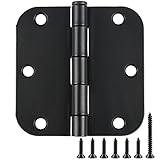
When we talk about hinges for a front door, we’re not just talking about any old metal flap. We’re talking about specific types designed for exterior use, which means they have to handle more than just the daily grind. The most common type you’ll see, and the one that is absolutely standard, is the butt hinge, also known as a mortise hinge. This is the classic two-leaf design where one leaf attaches to the door edge and the other to the door frame. They look simple, but there’s a lot going on under the hood.
The key components of a butt hinge are the two rectangular plates (leaves) and the pin that connects them, allowing them to pivot. The leaves are typically secured with screws that go into both the door and the frame.
For exterior doors, especially heavier ones, these screws are important. They need to be long enough to bite securely into the framing studs, not just the door jamb material. If your hinges are only screwed into the jamb, that’s a weak point, and you’re asking for trouble.
I’ve seen doors pull away from frames because the hinge screws were too short or only went into soft wood. A decent exterior hinge setup will use screws that are at least 2.5 to 3 inches long, ideally with at least one screw per hinge going all the way into the stud. This is where the real strength comes from.
The pin itself is also important; it’s often removable (which is good for maintenance or security) and made of steel. For exterior applications, you want hinges made of materials that resist rust and corrosion, like stainless steel, brass, or heavy-duty steel with a protective coating like zinc plating or a durable powder coat. (See Also: A Box Without Hinges Key )
Beyond the basic butt hinge, there are variations. You’ll often see ‘ball bearing hinges’ or ‘oil-impregnated bearings.’ These are a step up, especially for heavy doors. The bearings reduce friction, making the door swing more smoothly and quietly, and importantly, they reduce wear and tear on the hinge itself, prolonging its life. They also help support the weight more effectively. If your door feels stiff or is starting to sag, upgrading to ball bearing hinges can be a big deal. They’re not strictly ‘standard’ in every builder-grade door, but they absolutely should be for any decent quality exterior door.
Then there are security hinges. These are designed with non-removable pins or security studs that interlock the door and frame even when the pin is removed.
This is a big deal for security. If someone tries to kick in your door, the hinges are often the first point of attack.
Standard hinges with removable pins can be defeated by simply removing the pin, allowing the door to be pulled out of the frame. Security hinges prevent this. While perhaps not ‘standard’ on every single door rolling off a factory line, they are a very common and highly recommended upgrade for front doors.
The National Association of Home Builders (NAHB) often highlights security features for entryways, and solid, secure hinges are always on that list. For me, a non-removable pin is a minimum requirement for any exterior door. It’s a small detail that adds significant peace of mind.
| Hinge Type | Pros | Cons | Verdict for Front Doors |
|---|---|---|---|
| Standard Butt Hinge (plain bearing) | Inexpensive, widely available | Can sag under heavy load, prone to rust without proper finish, less smooth operation | Okay for very light interior doors, but a risk for front doors without careful material selection and installation. |
| Ball Bearing Butt Hinge | Smoother operation, reduced wear, better weight support, quieter | More expensive than standard, can be slightly bulkier | Highly recommended for most front doors. Significantly improves longevity and feel. |
| Security Hinge (non-removable pin) | Enhanced security against forced entry | Can be more expensive, might require specific frame preparation | A must-have for any security-conscious homeowner. Prevents pin removal attacks. |
| Heavy-Duty/Extra-Wide Butt Hinge | Superior strength and support for very heavy or oversized doors | Can be costly, may require custom mortising | Key for solid wood, metal, or oversized doors. Don’t guess; measure the door’s weight. |
The ‘standard’ Debate: Builder-Grade vs. What Actually Works
When you ask if hinges are standard on front doors, the answer depends heavily on what you mean by ‘standard’. If you mean what’s typically installed on the cheapest, most basic new construction home, then yes, it’s usually a set of plain, possibly zinc-plated steel butt hinges. These are the cheapest option available, and builders often prioritize cost savings. I’ve seen these installed on doors that were clearly too heavy for them, leading to the exact sagging issues I mentioned earlier. It’s a classic case of ‘good enough’ for the builder, but not good enough for the homeowner living with it for years.
This is where my contrarian streak kicks in. Many people will tell you that any hinge from a reputable hardware store is ‘good enough’ for a front door. I disagree. For a front door, ‘good enough’ often means ‘will fail prematurely’ or ‘offers minimal security’. The common advice is to just get three hinges and make sure they’re sturdy. That’s too vague. What’s sturdy? What material? What finish? What about the screws? For a front door, I believe in over-engineering slightly. It’s the barrier between you and the outside world. It needs to be solid. A well-installed, high-quality hinge set, even if it costs $50-$100 more than the cheapest option, is a worthwhile investment in your home’s functionality and security.
My personal experience with this is vivid. I was renovating an older house, and the original front door was a beautiful, solid oak beast.
The old hinges were ancient and a bit worn, but they’d held up for decades. When I replaced the door with a slightly lighter, but still solid, fiberglass model, I asked the installer to reuse the old, heavy-duty hinges.
He looked at me like I had three heads. ‘These cheap ones that came with the door are fine,’ he said. ‘Better quality, probably.’ I insisted.
Those old hinges had a reassuring heft, a smooth operation, and a pin that felt solid. The new hinges felt flimsy and light in comparison.
Fast forward two years: the new door, despite being lighter, started to sag because the builder-grade hinges couldn’t handle the constant thermal expansion and contraction of the exterior environment and the door itself. The old, ‘inferior’ hinges would have been fine. The installer was wrong. What the builder installs isn’t always what’s best for the long haul.
You have to look beyond the basic install and consider the actual demands placed on the hardware.
The difference between builder-grade and homeowner-grade hardware is significant. Builder-grade is designed to meet minimum code requirements and to be cost-effective for mass production. Homeowner-grade often implies a higher standard of materials, better manufacturing tolerances, and more thought given to longevity and user experience. For a front door, you’re not just buying a hinge; you’re buying a guarantee that your door will operate smoothly, hang true, and resist wear and tear from the elements and daily use for years to come. The screws matter, too. Always use high-quality, corrosion-resistant screws, and make sure they’re long enough to secure the hinge firmly into the structural framing of your house. Don’t let anyone tell you otherwise.
How Many Hinges Does a Standard Front Door Have?
A standard front door typically has three hinges. This number is generally sufficient to support the weight of most common exterior doors and distribute the load evenly across the frame. For exceptionally heavy doors, like solid wood or metal doors, it’s advisable to use four hinges or specialized heavy-duty hinges to provide adequate support and prevent sagging over time. The number is more about structural integrity than any specific aesthetic standard. (See Also: Are Integrated Washing Machine Door Hinges Standard )
Installation Matters: The Secret Sauce for Hinge Longevity
Even the best, most expensive hinges can fail if they’re not installed correctly. This is a truth that often gets overlooked when people focus solely on the hinge hardware itself. You can buy the most solid, rust-proof, ball-bearing hinges on the market, but if you screw them into rotten wood or use screws that are too short, they’re basically useless. The installation is where the magic happens, or where it fails spectacularly. When we talk about hinges being ‘standard on front doors,’ the installation process is a huge part of that standard, but it’s a standard that can vary wildly in quality.
The first rule of hinge installation for exterior doors is proper alignment. The mortises (the recessed areas in the door and frame where the hinge leaves sit) need to be cut cleanly and to the correct depth.
If the mortises are too deep, the hinge leaf will sit too far back, and the door won’t close properly, or it might bind. If they’re too shallow, the hinge leaf will protrude, creating an unsightly gap and putting undue stress on the screws. Every hinge leaf should sit flush with the surface of the door or frame it’s mortised into. This makes sure the load is distributed evenly across the entire surface of the hinge leaf, not concentrated on the edges where it can bend or break.
Next, the screws. As I’ve mentioned, this is a must.
For a front door, you want long, high-quality screws. For the top and bottom hinges, at least one screw per hinge should be a 3-inch or longer structural screw that goes all the way into the wall stud behind the frame.
This anchors the hinge securely to the house’s structure, which is key for supporting the door’s weight and resisting forced entry. The middle hinge often gets the same treatment. If you’re only using the short screws that come with the hinges (often 1-inch or 1.5-inch), you are setting yourself up for problems. The wood in the jamb can be soft, or even if it’s hard, it’s not structural.
The screws need to find solid timber to really hold. I’ve personally re-drilled and installed longer screws on more than one occasion when I noticed a door starting to sag, and it almost always fixed the issue.
One of the most common installation mistakes is not shimming the hinges correctly. Shims are thin pieces of wood or metal used to adjust the fit and alignment of the door. If the door is sticking on the latch side, you might need to shim the hinges on the lock side to pull the door away.
If it’s sticking on the hinge side, you might need to shim the hinges on the latch side to push the door over. This is a delicate process and requires patience. Proper shimming makes sure the door hangs plumb and swings freely without rubbing against the frame.
It’s an art form that separates a mediocre installation from a professional one. Don’t underestimate the power of a well-placed shim.
It can make a heavy door feel light and effortless to operate. The goal is a perfectly balanced door that moves smoothly on its hinges without strain on any component.
Common Mistakes and How to Avoid Them
When dealing with front door hinges, people tend to make a few recurring blunders. The first and most significant is simply assuming that any hinge is good enough. This ties back to the builder-grade versus homeowner-grade issue.
People see a door, it has hinges, so they think it’s done. They don’t consider the weight of the door, the exposure to the elements, or the security implications. This leads to doors that sag, squeak, corrode, or even become a security risk.
My first house had a beautiful, solid oak front door that started to drag on the carpet after about five years. The builder had installed basic, unsealed steel hinges. They were rusty and clearly couldn’t handle the constant stress and moisture.
Replacing them with marine-grade stainless steel ball-bearing hinges was a revelation – the door felt like new again, and the dragging stopped instantly. (See Also: Are Hinges Wheeels )
Another common mistake is not using enough hinges. While three is standard for most doors, a truly heavy door might need four. Pushing your luck with only three hinges on a door that’s pushing 150 pounds or more is asking for trouble. You’ll see the sag, you’ll hear the strain, and eventually, you’ll have a very expensive repair job on your hands. Always err on the side of caution and add an extra hinge if the door feels exceptionally heavy. It’s a cheap insurance policy against a much larger headache down the line.
Forgetting about the screws is another big one. People will buy fancy hinges but then use the cheap, short screws that come with them, or worse, reuse old, rusty screws.
As I’ve hammered home, those screws need to go into structural framing. If they’re too short, they won’t reach.
If they’re poor quality, they’ll strip or break. Always buy new, high-quality, corrosion-resistant screws that are at least 2.5 inches long, and make sure at least one screw per hinge per side goes into a stud. This is the foundation of a strong hinge installation. I once saw a DIY job where someone had used drywall screws to hang a solid wood door.
It was a disaster waiting to happen, and it did.
Finally, people often neglect maintenance. Hinges aren’t set-it-and-forget-it hardware. They need occasional lubrication, especially exterior hinges exposed to the elements. A little WD-40 or a dedicated lubricant can prevent squeaks and keep the mechanism working smoothly. Check for signs of rust or wear. If you see corrosion, clean it off and apply a protective coating. If a hinge is bent or showing significant wear, replace it before it causes damage to the door or frame. Ignoring these simple maintenance tasks is a surefire way to shorten the lifespan of your hinges and potentially compromise your door’s function and security.
Faq: Front Door Hinges
Do I Need Special Hinges for a Front Door?
Yes, generally speaking, you do. Front doors are exposed to the elements, are often heavier than interior doors, and play a significant role in home security. This means they require hinges made from corrosion-resistant materials (like stainless steel or coated steel), with sufficient strength to support the door’s weight, and ideally, with features that enhance security, such as non-removable pins.
Can I Use Interior Door Hinges on My Front Door?
While technically possible, it’s strongly not recommended. Interior hinges are typically made of lighter-duty materials, are not designed to withstand weather exposure, and often lack the structural integrity needed for the weight and security demands of a front door. Using them will likely lead to premature wear, sagging, and potential security vulnerabilities.
What Is the Best Material for Front Door Hinges?
For the best durability and performance, stainless steel is an excellent choice as it offers superior corrosion resistance. High-quality coated steel (like zinc-plated or powder-coated) is also a good option, provided the coating is solid. Brass hinges are also durable but can be more expensive. Avoid plain steel or low-quality plated hinges for exterior use.
Should My Front Door Hinges Be Lubricated?
Yes, periodic lubrication is recommended for all exterior door hinges. Even high-quality hinges can benefit from it to make sure smooth operation and prevent squeaks. Use a good quality lubricant like WD-40 or a silicone-based spray specifically designed for metal hardware. This is especially important in humid or coastal environments where corrosion can be a bigger issue.
The Long Haul: Longevity and Maintenance
So, we’ve established that yes, hinges are standard on front doors, but the quality and type of those hinges make a world of difference. When you invest in good hinges and make sure they’re installed correctly, you’re investing in the long-term performance and security of your home’s main entryway. A well-chosen, properly installed set of hinges can last for decades, weathering storms, enduring daily use, and continuing to operate smoothly. This longevity is key. You don’t want to be replacing your front door hinges every few years; it’s an unnecessary expense and hassle.
Maintenance is not complicated, but it’s key. For exterior hinges, a quick spray of lubricant once or twice a year can prevent squeaks and keep them from seizing up. This is especially true in areas with salty air or high humidity. Wipe down the hinges periodically to remove any dirt or grime that could interfere with their operation. Inspect them visually for any signs of rust, corrosion, or physical damage. If you notice any pitting or flaking on the surface, it’s a sign that the protective coating is compromised, and you might want to consider replacing them before the underlying metal is affected. Don’t wait until a hinge looks like it’s about to crumble away.
The physical feel of your door is a great indicator. If your door starts to stick, sag, or feels heavier to operate than it used to, the hinges are often the culprit. This can be due to wear, corrosion, or improper installation that has worsened over time. Addressing these issues early can save you from more significant repairs. For instance, a sagging door can put stress on the frame, the lock mechanism, and even the surrounding wall structure. Fixing the hinges is usually the simplest and most cost-effective solution.
Ultimately, the standard hinges on your front door are performing a vital, constant job. They are supporting weight, enabling movement, and contributing to security. Treating them with the respect they deserve through careful selection, professional installation, and basic maintenance will make sure they serve you well for many years. Think of them as the unsung heroes of your home’s entrance; they rarely get a second thought until something goes wrong, but their reliable performance is fundamental to your daily life. When you’re building, renovating, or just doing some upkeep, give your hinges the attention they deserve.
Final Verdict
So, to circle back to the initial question: are hinges standard on front doors? Absolutely. They are the fundamental mechanism that allows your door to function. However, the quality, material, type, and installation of those hinges are far from standard. The difference between a builder-grade set and a solid, corrosion-resistant set with proper screws and installation can mean the difference between a door that lasts for decades and one that sags and becomes a security concern within a few years.
Don’t be afraid to question what’s being installed or to spend a little extra on higher-quality hardware for your front door. It’s a small investment that pays significant dividends in terms of longevity, smooth operation, and peace of mind. Pay attention to the details – the screws, the material, the finish. These are the things that separate a functional entryway from a problematic one.
Next time you’re at the hardware store, or when a contractor is working on your door, take a moment to look at the hinges. Are they just functional, or are they built to last? It’s worth knowing what’s holding your front door up.