I remember the first time I tried to replace a squeaky door hinge. Grabbed a pack of shiny new ones from the hardware store, figured they were all pretty much the same. Turns out, that was a $10 mistake. The door sagged, the latch wouldn’t line up, and I spent another afternoon fiddling with it. It got me thinking: are interior and exterior door hinges the same? The simple answer is… not always, and it matters more than you think.
If you’ve ever wrestled with a door that just won’t hang right, or wondered why that garden gate slams shut even in a gentle breeze, the hinges are often the unsung (or in my case, loudly squeaking) culprits. Let’s cut through the noise and figure out what’s what.
Not All Hinges Are Built for the Same Beatdown
Look, most people just grab a hinge and slap it on. For the most part, if you’re swapping out an interior door hinge for another interior door hinge, you’re probably going to be okay. They’re designed to hold up the weight of a relatively light piece of wood, usually particle board or hollow-core MDF, and they don’t have to deal with the weather trying to warp them or blow them open. Think about it: your bedroom door, your closet door – these are pretty low-stakes jobs.
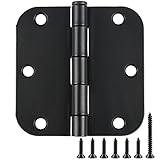
The standard interior door hinge is typically made of steel, often with a zinc or brass plating. They’re usually a few inches long, maybe 3.5 inches, and come in various corner radii to match the mortise cut into the door jamb and the door itself. You’ve got your square corners and your rounded corners, and you gotta match ‘em up. That’s the easy part. The pins usually pull out, allowing you to lift the door off its hinges. Simple.
But here’s where it gets tricky and why the question ‘are interior and exterior door hinges the same’ comes up so often. Exterior doors are a whole different beast. They’re heavier, often solid wood or metal.
They face rain, sun, wind, and sometimes, attempted forced entry. An interior hinge on an exterior door is a recipe for disaster. It’ll warp, rust, and probably fail.
You’ll have a door that won’t close properly, leaks drafts, or worse, might even be a security risk. I learned this the hard way when a cheap set of “universal” hinges I bought for my shed gate didn’t even last a full season before they were rusted solid and the gate was dragging on the ground. That was a $40 lesson in buying the right tool for the job.
Exterior hinges need to be heavier duty. They’re typically made of thicker steel or even stainless steel to resist corrosion. Some might have decorative coatings like black powder coating or bronze finishes that are designed to withstand the elements. They might also have security features, like non-removable pins or a stud that engages with the frame when the door is closed, making it harder to kick the door in. So, while they might look superficially similar, the materials, construction, and intended use are vastly different. You can’t just swap them out willy-nilly without considering the consequences.
The Devil’s in the Details: Materials and Load
Let’s talk about what really separates these hinges, and it boils down to two main things: what they’re made of and how much weight they’re expected to hold. This is where the ‘are interior and exterior door hinges the same’ question really gets its legs, because on the surface, they might look identical. But the underlying engineering is what counts.
Interior hinges are usually made from thinner gauge steel. Think of them as being built for a light jog. They’re often plated with zinc, brass, or nickel to give them a finished look and a bit of protection against minor humidity, but they’re not designed for prolonged exposure to moisture or temperature fluctuations. If you’ve ever seen a hinge on an interior door that looks a bit dull or even slightly rusty in a humid bathroom, that’s because it’s an interior-grade hinge doing its best against conditions it wasn’t really made for. The pins are typically removable by tapping them out from the bottom, which is handy for taking a door off its frame for painting or moving. (See Also: A Box Without Hinges Key )
Exterior hinges, on the other hand, are built for the marathon. They’re often made from thicker gauge steel, wrought iron, solid brass, or stainless steel. These materials are chosen for their inherent durability and resistance to rust and corrosion. Stainless steel is the king of corrosion resistance, making it a top choice for coastal areas or places with harsh winters. Solid brass is also a great option, as it’s naturally resistant to rust and develops a beautiful patina over time. Wrought iron hinges, while beautiful and strong, can be susceptible to rust if not properly coated and maintained, but they are often built very stout.
The load-bearing capacity is another huge factor. An interior door might weigh anywhere from 15 to 50 pounds.
An exterior door, especially a solid wood or metal one, can easily weigh 75 to 150 pounds, or even more. The hinges need to be able to support that weight over years of opening and closing, without sagging or bending.
Thicker knuckles (the cylindrical parts of the hinge that hold the pin), heavier gauge steel, and higher quality pins all contribute to a hinge’s ability to handle that load. I once tried to hang a heavy solid oak interior door with standard 3.5-inch interior hinges. Within a couple of months, the door started to sag noticeably, and the strike plate on the frame was no longer aligned with the deadbolt. It looked terrible and felt cheap.
Switching to heavy-duty interior hinges (with thicker steel) solved the problem, but it highlighted how important material thickness and quality are, even for interior doors that are on the heavier side.
Are Interior and Exterior Door Hinges the Same Size?
While many interior and exterior hinges share common sizing standards (like 3.5-inch height and standard screw hole patterns), the thickness of the hinge leaf and the gauge of the metal used will often differ. Exterior hinges are generally built with heavier materials to withstand weather and heavier door loads, so they might be thicker or constructed from more solid metals like stainless steel or solid brass. Size is important for fitting into the mortise, but the material and build quality are what truly differentiate their intended use.
| Feature | Interior Hinges | Exterior Hinges | Verdict |
|---|---|---|---|
| Material | Thinner Steel, Zinc/Brass Plated | Thicker Steel, Stainless Steel, Solid Brass, Wrought Iron | Exterior hinges win for durability. |
| Corrosion Resistance | Low to Moderate | High to Very High | Exterior hinges are built to last outdoors. |
| Load Capacity | Light to Moderate | Moderate to Heavy Duty | Exterior hinges can handle heavier doors. |
| Pin Type | Usually Removable | Often Non-Removable (Security) or Heavier Duty | Security features are key for exterior. |
| Cost | Lower | Higher | You pay for the added strength and weatherproofing. |
Common Mistakes People Make (and How to Avoid Them)
The most common mistake, as I learned the hard way, is assuming all door hinges are interchangeable. People see a hinge that looks about the same size and think, ‘Close enough!’ This is usually where the ‘are interior and exterior door hinges the same’ confusion leads to problems. You might buy an interior hinge for an exterior door, or vice-versa, or even use the wrong type of hinge for a particularly heavy interior door.
The classic blunder is putting interior-grade hinges on an exterior door. They’re not designed to handle rain, snow, humidity, or UV rays. Within a year, you’ll see rust blooming, the paint flaking off, and the hinge itself starting to pit and corrode. This not only looks terrible but compromises the hinge’s structural integrity. The door might start to sag, making it hard to lock, or worse, the hinge could fail entirely, leaving the door unsecured. I saw this on a friend’s shed door; it looked like a rust-bucket casualty within two winters.
Another common pitfall is using standard interior hinges on heavy interior doors, like solid wood or fire-rated doors. These doors can weigh significantly more than hollow-core doors. Standard hinges might start to creak, sag, or even bend under the sustained load. I had a solid oak pantry door that began to drag on the floor after a year with cheap interior hinges. It was an easy fix once I realized my mistake and swapped them out for heavy-duty interior hinges, but the initial annoyance and visual imperfection were frustrating. Always check the weight rating or opt for heavier-duty versions if you’re dealing with a substantial door, even if it’s inside. (See Also: Are Integrated Washing Machine Door Hinges Standard )
People also often overlook the importance of the corner radius. Hinges come with either a square corner or a rounded corner (usually a 1/4-inch or 5/8-inch radius). The mortise cut into the door jamb and the door itself is specifically shaped to accept one or the other.
Trying to force a square-corner hinge into a rounded mortise, or vice-versa, will create gaps, make the door sit unevenly, and put undue stress on the hinge. It’s like trying to fit a square peg in a round hole, but with more wood splintering. Always match the corner radius to the existing mortise.
Take a close look at your old hinges and the cutouts in the jamb. If you’re unsure, it’s often easier to get a hinge with a rounded corner, as many jambs are slightly rounded, or to carefully chisel out the mortise to fit a square hinge. But ideally, get it right the first time by matching what’s there.
When Looks Can Be Deceiving: The Aesthetics Factor
Sometimes, the whole reason you’re asking ‘are interior and exterior door hinges the same’ is because you’re trying to match a look. You see a beautiful antique-style wrought iron hinge on a barn door and think, ‘Wow, that would look great on my interior closet door!’ Or maybe you’ve got a fancy, decorative brass hinge on your front door and want something similar for your interior doors. The aesthetics are a big part of it, but this is where appearances can be seriously deceiving.
Exterior hinges often have a more rugged, industrial, or decorative look because they are a prominent feature on the outside of a home. Think of those heavy-duty strap hinges on a barn door or the ornate scrollwork on some carriage house style garage door hinges. These are designed to be seen and to complement the architectural style of the house. They are often made from materials like wrought iron, solid brass, or heavy-gauge steel, and they come in finishes like matte black, oil-rubbed bronze, or antique brass. These finishes are usually applied with durability in mind, to withstand the elements and maintain their appearance.
Interior hinges tend to be more understated. They’re typically designed to blend in or be less noticeable. Finishes like polished brass, brushed nickel, chrome, or satin chrome are common, chosen to match door hardware and interior decor. While you can find decorative interior hinges, they’re generally not built with the same level of weather resistance or heavy-duty load-bearing capacity as their exterior counterparts. You might find a decorative interior hinge that looks like a strap hinge, but it’s probably made of lighter gauge metal and might not hold up as well to frequent use or heavier doors.
Here’s a contrarian take: While I generally advise against using exterior hinges indoors just because of the cost and overkill, if you really want a specific look for a very heavy interior door (like a solid wood library door) and can’t find what you need in interior-grade options, a well-maintained wrought iron or solid brass exterior-style hinge could work. You just need to be aware that you’re paying a premium for durability you might not fully need, and you’ll still need to make sure the size and screw pattern are correct. I’ve seen some stunning antique-style hinges used on interior doors, and they looked fantastic, but the homeowner definitely spent more than they would have on standard interior hinges.
It’s a trade-off between form and function, and sometimes, the form is worth the extra bucks if it’s done right. But for 99% of interior applications, stick to interior hinges. Don’t buy a tank to go to the grocery store.
What Happens If You Use Interior Hinges Outside?
If you use interior hinges outside, they will likely rust, corrode, and fail prematurely due to exposure to moisture, sunlight, and temperature changes. They are not designed to withstand the elements and will not provide the necessary support for an exterior door, which is typically heavier and subject to greater forces like wind. The door may sag, become difficult to operate, or the hinge could break, compromising security and functionality. It’s a short-term fix that leads to long-term problems. (See Also: Are Hinges Wheeels )
Practical Tips for Choosing and Installing Hinges
So, you’ve decided you need to buy hinges. Whether you’re asking ‘are interior and exterior door hinges the same’ because you’re confused or you’re just replacing old ones, here are a few tips from someone who’s been there, done that, and probably bought the wrong ones the first time.
First, identify the door type. Is it interior or exterior? What material is it made of? Is it hollow-core or solid? This will immediately tell you whether you need interior-grade hinges or something more solid. For exterior doors, always go for corrosion-resistant materials like stainless steel, solid brass, or high-quality coated steel. For interior doors, standard steel hinges are usually fine, but if it’s a heavy solid wood door, look for ‘heavy-duty’ or ‘high-load’ interior hinges.
Second, measure everything. You need to know the height of the hinge (usually 3.5 inches for standard interior doors, but exterior doors can vary), the width of the hinge leaf when open, and importantly, the corner radius. Take a look at the existing hinge and the mortise cut into the door and frame. Are the corners square or rounded? If rounded, is it a tight radius or a larger one? If you’re replacing hinges, try to match the existing dimensions and corner radius as closely as possible to avoid unnecessary work chiseling out the mortise. If you’re installing new doors and frames, you can choose your hinge radius.
Third, consider the screw length. Hinges typically come with screws, but for exterior doors or heavier interior doors, it’s often a good idea to use longer screws, especially for the frame-side leaf. Screwing directly into the wall stud provides much more holding power than just screwing into the door jamb alone. For exterior doors, 3-inch screws are a minimum for the frame side, and 2.5-inch screws for the door side. For interior doors, use the screws provided or slightly longer ones if the jamb feels soft. This is a small detail that makes a massive difference in how securely the door hangs.
Fourth, don’t forget about the pin. For exterior doors, look for security hinges with non-removable pins or security studs that prevent the pin from being removed when the door is closed. This is a simple but effective anti-burglary measure. For interior doors, removable pins are standard and convenient for door removal.
Finally, always test the swing. Once installed, open and close the door several times. Does it swing freely? Does it rub anywhere? Does the latch engage smoothly with the strike plate? If not, don’t force it. Double-check your hinge alignment, mortise depth, and screw tightness. Sometimes, a slight adjustment to the mortise or screw tension is all it takes. If the door is still sagging, you might have used hinges that are not strong enough for the door’s weight, and it’s time to upgrade.
Can You Use a Door Hinge for Something Else?
Absolutely! While hinges are primarily designed for doors, their simple pivot mechanism makes them incredibly versatile. You can use them for cabinet doors, gate latches, toy box lids, small wooden chests, or even to create custom closures on DIY projects. The key is to match the hinge’s size, weight capacity, and material to the intended application. For instance, small, lightweight hinges are perfect for jewelry boxes, while solid, load-bearing hinges are needed for larger gates or heavier lids. Their adaptability is one of their overlooked strengths in DIY and crafting.
Verdict
So, to circle back to the burning question: are interior and exterior door hinges the same? The honest truth is no, they are not interchangeable for optimal performance and longevity. While they might share some superficial similarities in size and shape, the materials, construction, and intended purpose are significantly different. Using the wrong type of hinge is like putting cheap tires on a sports car – it might roll, but it’s not going to handle well, and it’s going to wear out way too fast.
My advice? Always opt for the hinge designed for the job. For exterior doors, invest in quality, corrosion-resistant hinges that can handle the weight and the weather. For interior doors, standard hinges are usually fine, but don’t skimp on heavy-duty options for heavier doors. Taking a few extra minutes to check the specs, measure correctly, and choose the right material will save you a lot of headaches, squeaks, and sagging doors down the line. It’s one of those small details that makes a surprisingly big difference in how your home functions and feels.
Next time you’re at the hardware store staring at a wall of hinges, remember this. Your doors will thank you.