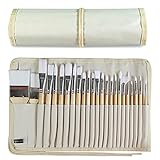
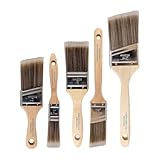
I remember staring at a wall of paintbrushes, each one promising a flawless finish. The price tags ranged from a few bucks to eye-watering sums. It got me thinking about what actually makes a good brush, and more importantly, where the bristles come from. It’s a question that pops up more often than you’d think, especially when you start digging into the history and the less glamorous side of art supplies: are mongooses killed to make paint brushes?
The short answer, thankfully, is no. Not anymore, anyway. But the story behind brush materials is a lot more complex and, frankly, a bit grosser than most people realize.
This isn’t just about avoiding animal cruelty; it’s about understanding what you’re actually buying and what works best for your art.
The Hairy Truth About Hog Bristles
Alright, let’s get down to brass tacks. For centuries, the go-to material for serious painters, especially those working with oils, was hog bristle. And when I say hog, I mean actual pigs. Not mongooses, thankfully, but let’s not pretend these are synthetic magic wands. When you see a brush labeled as ‘bristle’ or ‘hog hair,’ that’s exactly what it is. These bristles are harvested from the backs and shoulders of pigs, typically as a byproduct of the meat industry. So, in a way, it’s using a resource that would otherwise be discarded. Good for the wallet, good for the pig (well, its remains), and historically, good for the canvas.
But here’s the deal: not all hog bristles are created equal. The magic, or the curse, of hog bristle lies in its natural flag, or split ends. Imagine the hair on your head – it’s mostly smooth. Now imagine hair that’s naturally frayed and broken at the tips.
That’s hog bristle. These tiny splits are what allow the brush to hold a lot of paint and release it in a controlled, painterly way.
They create texture and a certain kind of stroke that synthetics have been trying to mimic for decades. When I first started painting with oils, I splurged on what I thought were top-tier hog bristle brushes.
They were stiff, unforgiving, and held paint like a bucket. Great for broad strokes and impasto, terrible for fine detail.
I remember trying to get a delicate highlight on a portrait and ended up with a furry smudge. That was my first lesson: the quality of the hog bristle matters immensely.
The best hog bristles are typically from older, larger hogs because their hair is coarser and stronger. The Chinese hog is often cited as a prime source for high-quality bristles due to the animal’s diet and living conditions, which supposedly result in stronger, more durable hair. The way the bristles are processed is also key.
They need to be cleaned, sterilized, and then sorted by length and stiffness. The best ones are then set into the brush head.
Cheaper brushes might use shorter, weaker bristles or mix them with synthetics. The really premium stuff, often called ‘ Chung King’ or ‘Siberian’ hog bristle, is characterized by its natural stiffness and deep flags. It’s this natural structure that gives hog bristle brushes their distinctive feel and performance characteristics. (See Also: Can Acrylic Paint Go In An Air Brush )
They are durable, can withstand harsh solvents, and generally offer a stiffer feel, which is why they’re so popular for oil painting and heavier acrylic applications where you want to push paint around.
The Rise of Synthetics and the Mongoose Myth
Now, about the mongoose. The idea that mongooses are killed to make paintbrushes is a persistent myth, and thankfully, it’s just that – a myth. Mongooses are not, and have never been, a common or significant source of bristles for paintbrushes. The confusion might stem from a few historical instances of exotic animal hair being used for brushes (like badger or sable for fine art brushes), or perhaps just the general mystery surrounding the origins of brush materials. But you can rest easy; no mongooses are being harmed for your artistic endeavors. The common materials are pig hair, badger hair, squirrel hair, and increasingly, various types of synthetic fibers.
The real revolution in paintbrush materials came with synthetics. For a long time, artists were limited to natural animal hair. Then came nylon, polyester, and other man-made fibers. These were initially pretty terrible, stiff and plasticky, but they’ve come a long way. Modern synthetic brushes are designed to mimic the properties of natural hair, often with remarkable success. They can be engineered to be soft, springy, sharp-tipped, or capable of holding a lot of paint. They also have the advantage of being more consistent, more durable, and less affected by water and solvents than natural bristles.
I remember buying a cheap set of ‘synthetic’ brushes when I was first starting out, hoping to save a buck. They were an absolute disaster.
The tips splayed out after the first use, they held almost no paint, and the handles felt like cheap plastic toys. It was a stark contrast to the hog bristles I’d been using. This experience made me wary of synthetics for a long time. However, a few years ago, a friend who paints exclusively with acrylics swore by a particular brand of synthetic filbert brushes.
Skeptical, I bought one. It was a revelation. The synthetic fibers were incredibly fine, tapered to a perfect point, and had a beautiful spring. They held the acrylic paint wonderfully and allowed for such precise control.
I was completely sold. It taught me that while cheap synthetics are garbage, high-quality synthetic brushes can be just as good, if not better, than their natural counterparts for certain mediums and techniques.
The development of synthetic filaments means that artists now have a vast array of choices, catering to every medium and every preference, without needing to rely on materials that raise ethical concerns.
Badger, Sable, and the ‘fancy’ Natural Hairs
Beyond the ubiquitous hog bristle, there are other natural animal hairs used in brushes, and these are generally reserved for finer art applications. Badger hair is a classic for watercolors and sometimes for oils when a softer, more absorbent brush is needed. It’s known for its softness, its ability to hold a lot of water or paint, and its gentle application. However, the quality can vary wildly. The best badger brushes are made from the hair on the badger’s back, which is softer and finer. The belly hair is coarser and less desirable. Badger brushes can be quite expensive, especially those made from select grades of hair.
Then there’s sable. Ah, sable. This is the stuff of dreams for watercolorists and miniaturists. The most prized sable comes from the Kolinsky, a type of weasel native to Siberia and Northern China.
Kolinsky sable hair is incredibly fine, flexible, and holds its shape beautifully. It has a natural taper to a needle-sharp point, making it perfect for the finest lines and delicate washes. The hair is also very resilient, meaning it springs back into shape after being bent. (See Also: Can Acrylic Paints Be Used In An Aqua Brush )
This is why Kolinsky sable brushes are notoriously expensive. I once shelled out nearly $100 for a single Kolinsky sable round brush, size 8. It felt absurd at the time, but the moment I touched it to paper with watercolor, I understood. The control was unbelievable.
It felt like an extension of my own hand, allowing me to create strokes that were impossibly thin and consistent. It was a big deal for my detailed work.
The term ‘sable’ is often used more broadly, though, and can include brushes made from other types of hair, like red sable (often squirrel) or even synthetic fibers designed to mimic sable. True Kolinsky sable is rare and costly.
When buying, it’s important to look for brushes that specify ‘Kolinsky’ if that’s what you’re after. Other natural hairs used include squirrel (often called ‘mop’ brushes for their water-holding capacity), goat, and even ox hair. Each has its own unique properties in terms of stiffness, absorbency, and tip retention. The key takeaway is that while these natural hairs are prized for their performance, they come with a higher price tag and, for some, ethical considerations, though the sourcing is generally from animals that are either trapped or farmed for fur, rather than specifically for brush hair.
Synthetic Hair: The Modern Workhorse
Let’s circle back to synthetics, because this is where the vast majority of brushes for everyday artists and DIYers come from now. High-quality synthetic fibers have come so far that they are often indistinguishable in performance from natural bristles for many applications, and superior in others. The advantage of synthetics is that manufacturers can control every aspect of the fiber: its diameter, length, taper, stiffness, and even the texture of its surface. This allows them to create brushes that are perfectly suited for specific mediums and techniques.
For acrylic paints, which are water-based and can dry quickly, synthetic brushes are often the best choice. They don’t absorb water like natural bristles, so they don’t become waterlogged and lose their shape. They also tend to be more durable and easier to clean. Many acrylic artists prefer synthetic Taklon or nylon bristles because they offer a good balance of spring, paint-holding capacity, and sharp edges. I’ve found that for acrylics, a good synthetic brush can handle the paint load and the rapid drying times much better than natural hair, which can get stiff and gummy.
For oil painting, the choice is more nuanced. While hog bristle is traditional and excellent for pushing thick paint, some artists prefer synthetic brushes that are designed to mimic the stiffness and flag of hog bristles. These synthetic hog-style brushes can offer similar performance characteristics but with the added benefits of easier cleaning and greater durability.
They can be a fantastic option for artists who want the feel of bristle without the hassle or the potential ethical concerns. I still reach for hog bristle for certain textural effects, but for general oil painting, I’ve found some excellent synthetic alternatives that don’t swell up when I use mineral spirits for cleanup. The consistent quality and predictable performance of synthetic brushes make them incredibly reliable.
They are also generally more affordable than premium natural brushes, making them accessible to a wider range of artists. This accessibility is a huge factor in their widespread adoption and continued development. The future of brush making is definitely leaning heavily into engineered synthetics.
Brush Material Comparison Table
| Material | Pros | Cons | Best For | My Verdict |
|---|---|---|---|---|
| Hog Bristle | Holds lots of paint, great texture, durable, good for oils/heavy acrylics | Can be stiff, harder to clean, absorbs water | Oils, heavy body acrylics, impasto | The classic workhorse. Key for certain techniques, but get good quality. |
| Kolinsky Sable | Exceptional fine point, great spring, holds water/paint, precise | Very expensive, delicate, can be damaged by solvents | Watercolor, gouache, detail work, miniatures | If you can afford it and need precision, it’s unparalleled. Treat it like gold. |
| Synthetic (High Quality) | Consistent, durable, easy to clean, versatile, good value | Can lack the ‘feel’ of natural hair for some, quality varies | Acrylics, oils, watercolors, mixed media | The most practical choice for most artists today. Don’t skimp on quality. |
| Badger | Soft, absorbent, gentle application | Can be less springy, quality varies, can be expensive | Watercolor, blending oils, soft washes | Good for soft effects, but often less versatile than synthetics or good sable. |
Common Mistakes and What to Look For
One of the biggest mistakes I see people make is buying the cheapest brushes they can find. Whether they’re natural or synthetic, bargain-basement brushes are almost always a waste of money. They splay out, shed bristles into your paint, and generally make the painting process frustrating. I learned this the hard way when I bought a bulk pack of cheap brushes hoping to paint a mural. It was like wrestling with spaghetti. The bristles had no snap, they held no paint, and by the end of the first day, they were practically unusable. It cost me more in time and frustration than a few good brushes would have.
When you’re buying natural bristle brushes, look for consistency in the bristles. Are they all roughly the same length? Do they have a good amount of ‘flag’ or split ends? For hog bristle, you want to see some texture in the hair, not just a smooth, uniform surface. The ferrule – the metal part that holds the bristles to the handle – should be snug and crimped well. A loose ferrule is a sign of poor construction. The handle should feel comfortable in your hand; it’s something you’ll be holding for hours. (See Also: A Brushes Digital Painting )
With synthetics, the key is the quality of the fiber. High-end synthetics are engineered to have a specific taper and resilience. You should be able to bend the tip and have it spring back into place. For watercolor brushes, especially synthetics mimicking sable, look for a fine, sharp point that can be achieved by the bristles.
For acrylics and oils, you might want more stiffness and a broader paint-holding capacity. Don’t be afraid to gently flex the bristles to feel their spring and strength. Another common mistake is not cleaning brushes properly. Whether natural or synthetic, dried paint in the ferrule will ruin a brush faster than anything.
For natural bristles, harsh solvents can break them down over time, but for routine cleaning of oils, mineral spirits or odorless solvent are usually fine. For acrylics, soap and water is your best friend. I’ve found that a dedicated brush soap, used regularly, makes a huge difference in prolonging the life of any brush, natural or synthetic. It removes all traces of paint and conditioner, leaving the bristles supple.
Faq: Your Paintbrush Questions Answered
Do Animal Hair Brushes Shed?
Yes, most natural hair brushes can shed bristles, especially when they are new or of lower quality. This is because the natural hairs are not as uniformly bound as synthetic fibers. Higher quality natural brushes, particularly those made with well-set bristles and from reputable manufacturers, will shed less. However, some shedding is often unavoidable with natural materials. Synthetic brushes are generally much better at resisting shedding.
Are Synthetic Brushes Good for Oil Painting?
Absolutely. While hog bristle is traditional for oils, high-quality synthetic brushes are now designed to mimic the stiffness, spring, and paint-holding capacity of hog bristles. They offer excellent performance for oil painting, with the added benefits of being more durable, easier to clean, and less susceptible to damage from solvents and water. Many artists find them to be a very practical and effective alternative to natural hog hair.
How Do I Know If a Brush Is Good Quality?
Quality can be assessed by several factors. For natural bristles, look for uniformity in length, good ‘flag’ (split ends), and a consistent feel. For both natural and synthetic brushes, check the ferrule – it should be securely attached and well-crimped. The bristles should have good spring and snap back into shape when flexed. A comfortable handle that feels balanced in your hand is also important. Ultimately, a brush that holds its shape, loads paint well, and releases it controllably is a good quality brush, regardless of material.
Are Expensive Brushes Worth It?
For many artists, yes, they are. Expensive brushes, particularly those made from high-quality natural hairs like Kolinsky sable or premium hog bristle, offer superior performance. They provide better control, hold more paint or water, and last longer when cared for properly. The difference in application and detail can be significant, especially for serious artists working with demanding mediums like watercolor or oils. However, for casual painters or those just starting out, investing in a few good quality mid-range brushes might be a better starting point than immediately buying the most expensive options.
Conclusion
So, to finally put the myth to bed: are mongooses killed to make paint brushes? No, they are not. The materials you’ll find are primarily hog bristle, other animal hairs like badger and sable, and a vast array of sophisticated synthetic fibers. The world of paintbrushes is less about exotic animals and more about engineered materials and careful craftsmanship.
My advice? Stop stressing about the source and start looking at performance. Get your hands on a few good quality brushes, whether they’re hog bristle for texture or synthetics for precision. Clean them well, treat them with respect, and you’ll find they become indispensable tools, not just accessories.
The real investment isn’t in a philosophical debate about animal hair, but in understanding what works for your medium and your style. Happy painting!