You know that satisfying, quiet thud when a cabinet door closes itself? Yeah, I used to have doors that slammed shut like a toddler throwing a tantrum. For years, I just lived with it, assuming that was just how cabinet doors were supposed to behave. Then, one day, I saw a fancy kitchen reno on TV, and a designer casually mentioned ‘soft close hinges.’ It hit me: there was a better way. If you’re wondering, ‘Are my hinges soft close hinges?’ or how to even get them, stick around. I’ve wrestled with this.
How the Heck Do These Magic Hinges Work?
Alright, let’s cut to the chase. If you’re asking yourself, ‘Are my hinges soft close hinges?’ and you’ve never really thought about it, the answer is probably no. Most standard hinges just… hinge. They let gravity and your muscle do all the work, leading to that classic bang when a door meets the frame. Soft close hinges are different. They’ve got a little secret weapon built right in: a tiny hydraulic damper, or sometimes a spring-loaded mechanism with a special buffer. Think of it like the shock absorber on your car, but for your cabinet doors.
When you push the door closed, the hinge mechanism engages. As the door gets close to the frame, the damper slows it down. It’s not a sudden stop; it’s a controlled, gentle deceleration.
This prevents that jarring slam. The whole point is to save your doors, your sanity, and possibly your fingers from getting pinched.
The first time I installed a set, I was skeptical. I mean, it’s just a hinge, right? Wrong. The smooth, quiet closure felt ridiculously luxurious after years of noisy doors.
It’s a small thing, but it makes a surprising difference in the feel of a room. The mechanism is surprisingly simple, yet effective. It’s usually a small cylinder with a piston that moves through a fluid (like oil) or a controlled air release.
As the door swings shut, the piston is forced through this resistance, creating the slowing effect. Some higher-end models might use a more complex spring system, but the goal is the same: controlled movement.
When I first started looking into this, I got tangled up in all sorts of jargon. Terms like ‘concealed hinges,’ ‘overlay,’ and ‘inset’ were flying around. It’s easy to get lost.
For soft close, the key is that damper. If you look at a standard hinge, it’s just metal on metal, maybe with a little plastic bushing.
A soft close hinge will have a visible cylinder or a slightly bulkier mechanism near the pivot point. If you can’t see anything like that, and your doors slam, you’re almost certainly not dealing with soft close. It’s a distinct physical feature. I once bought a pack of hinges online that were advertised as ‘quiet closing,’ and they were anything but.
Turns out, ‘quiet’ in hinge-speak just meant they didn’t squeak as much. Lesson learned: look for the damper. It’s the undeniable sign.
Spotting Soft Close: What to Look for (and What’s a Rip-Off)
Figuring out if you already have soft close hinges can be a bit of detective work, but it’s usually pretty straightforward once you know what to look for. First off, the most obvious test: gently push a door almost all the way closed. If it slows down on its own and closes with a soft thump rather than a bang, congratulations, you’ve got them. If it slams shut with authority, chances are you don’t. It’s that simple. I’ve had friends over who, after years in my house, would finally notice this subtle detail. ‘Oh, your cabinets are so quiet!’ they’d say. It’s funny how much you can get used to.
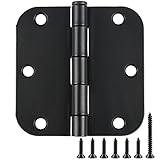
Visually, standard hinges are pretty basic. They’re usually two plates connected by a pin. Soft close hinges, however, have a bit more going on. Look at the arm of the hinge, especially near where it connects to the cabinet.
You’ll often see a small, cylindrical component. This is the damper. It might be made of plastic or metal. Some are very discreet, almost hidden within the hinge body, while others are more prominent.
If you see this little cylinder, especially if it’s on most or all of your cabinet doors, it’s a very strong indicator you have soft close functionality. I once replaced a few old hinges and accidentally bought one standard hinge instead of a soft close one. The difference was so stark, so jarringly loud, that I immediately knew which one was the odd one out.
It really highlights how effective the soft close feature is. (See Also: A Box Without Hinges Key )
Now, about rip-offs. The market is flooded with products claiming to be something they’re not. Some hinges are marketed as ‘silent’ or ‘smooth,’ but without that built-in damper, they’re just regular hinges. Don’t fall for marketing fluff. The key technical term is usually ‘soft close’ or ‘soft-close.’ Also, be aware of the different types of hinges. Concealed hinges (also known as European or overlay hinges) are the most common place to find soft close functionality. These are the ones where the hinge mechanism is hidden when the door is closed. If you have older, exposed-leaf hinges, it’s highly unlikely they have soft close, though aftermarket solutions do exist (more on that later).
Here’s a quick comparison I’ve put together based on what I’ve seen and used:
| Feature | Standard Hinges | Soft Close Hinges | My Verdict |
|---|---|---|---|
| Closing Action | Slams shut | Slows down gently, quiet | Soft close is a clear winner for feel and durability. |
| Visual Clue | Simple metal plates, pin | Often a small cylindrical damper visible on the hinge arm | Look for the damper. If it’s not there, it’s not soft close. |
| Cost | Cheaper | More expensive (initially) | The slight extra cost is worth it for the upgrade. |
| Durability (Self-Assessed) | Can cause wear over time due to repeated slamming | Reduces stress on doors and frames, potentially increasing lifespan | Soft close likely prolongs the life of cabinets. |
When buying, always check the product description for ‘soft close’ or ‘slow close’ technology. If it’s not explicitly stated, assume it’s not. I once spent $100 on what I thought was a good deal for cabinet hinges, only to find out they were standard. That was a frustrating afternoon.
Retrofitting: Can I Add Soft Close to My Existing Hinges?
This is where things get interesting, and often, where people try to save a buck. The short answer to, ‘Can I add soft close to my existing hinges?’
is: sometimes, but it’s usually more hassle than it’s worth, and not always truly ‘soft close.’ Your first, and often best, option is to replace the hinges entirely. If your current hinges are standard, and you want that smooth, quiet action, the most reliable way to achieve it is by buying new soft close hinges and swapping them out. I’ve done this in my kitchen and a couple of bathroom vanities.
It’s a weekend project, maybe a bit more if you have a ton of cabinets, but the result is immediate and noticeable.
There are two main types of hinges you’ll likely encounter: concealed (European) hinges and exposed (traditional) hinges. If you have concealed hinges, replacing them with soft close versions is usually pretty straightforward. You just need to match the overlay (how much the door covers the cabinet frame) and the mounting style (e.g., screw-on or clip-on). I’ve found that brands like Blum and Grass are excellent, though they can be pricier. I managed to get a decent set of soft close concealed hinges for my main cabinets for about $180 for 20 hinges, which felt like a lot at the time, but the upgrade was so worth it.
Now, what about those aftermarket add-ons? You can buy small, clip-on soft close mechanisms that attach to your existing hinge and cabinet.
These are designed to act as a damper. I’ve tried a few of these over the years, mostly on older furniture where I didn’t want to mess with replacing the original, albeit noisy, hinges. They can work to some extent. They slow the door down, reducing the slam.
However, they don’t offer the same smooth, integrated feel as a true soft close hinge. Sometimes they can be a bit clunky, or they might not work perfectly with every hinge type or door weight. They also add another component that can potentially break or get out of adjustment. I found one set that worked okay on a lightweight pantry door, but on heavier cabinet doors, they just didn’t have enough power to consistently slow the door.
So, while they exist and can offer some dampening, they are not a perfect substitute for integrated soft close hinges.
If you have exposed hinges (the kind you see the barrel of when the door is closed), replacing them with soft close versions is less common. Soft close mechanisms are generally integrated into concealed hinges. You might find some specialized exposed hinges with a damping feature, but they are rarer and often more expensive. For exposed hinges, the clip-on dampers are really your only practical aftermarket option, with all their limitations. My advice? If you have exposed hinges and crave silence, start budgeting for a full hinge replacement with concealed soft close hinges. It’s a bigger upfront cost, but you’ll get a much better, more reliable result.
Common Mistakes People Make When Buying or Installing
When you’re trying to figure out if you have soft close hinges or looking to buy new ones, there are a few pitfalls that can turn a simple upgrade into a frustrating DIY disaster. The most common mistake, by far, is not understanding hinge types and measurements.
When you decide to replace your old hinges, you can’t just grab any set off the shelf. You need to match them to your existing setup.
This means paying attention to the ‘overlay.’ Overlay refers to how much the cabinet door overlaps the cabinet frame when it’s closed. (See Also: Are Integrated Washing Machine Door Hinges Standard )
Doors can be ‘full overlay’ (covering most of the frame), ‘partial overlay’ (covering some of the frame), or ‘inset’ (sitting flush within the frame). If you buy hinges with the wrong overlay, your doors won’t close properly, or they might hit each other.
Another big one is not checking the hinge cup size and distance. For concealed hinges, there’s a round ‘cup’ that sits in a drilled hole in the back of the door. The standard size is usually 35mm, but there are other sizes.
You need to make sure your new hinges fit these pre-drilled holes. If they don’t, you’ll have to drill new ones, which is a whole other ballgame and can easily go wrong, especially with power tools if you’re not careful. I learned this the hard way when I bought hinges that were almost right, and the cup diameter was just a millimeter too large. It meant the hinge didn’t sit flush, and the door ended up sticking out weirdly.
It took a trip back to the hardware store and a lot of head-scratching to figure out what went wrong.
Then there’s the issue of door weight and hinge capacity. Not all soft close hinges are created equal. Some are designed for lightweight cabinet doors, while others can handle much heavier pantry or appliance doors. If you put a heavy door on a hinge not rated for its weight, the soft close mechanism might not work effectively, or worse, it could put too much strain on the hinge, leading to premature failure. Always check the manufacturer’s specifications for weight limits, especially if you have solid wood doors or large appliance panels.
Finally, people often underestimate the importance of proper alignment and adjustment. Most modern concealed hinges come with adjustment screws that allow you to fine-tune the door’s position – up/down, left/right, in/out. This is important for getting doors to hang straight and have even gaps between them. If you just screw them in and assume they’re good to go, you might end up with doors that are crooked or don’t close flush. I’ve spent more time fiddling with those adjustment screws than I care to admit, but the payoff is a professional-looking finish. If you skip this step, your cabinets might look… well, DIY. And not in a good way.
Real-World Use: Are Soft Close Hinges Worth the Hype?
Okay, let’s talk brass tacks. Are soft close hinges worth the extra money and effort?
In my experience, absolutely. I’ve lived with slamming cabinet doors for most of my life, and then I finally made the switch in my kitchen about three years ago. The difference is night and day. It’s not just about the quiet; it’s about the overall feel of quality and durability.
When a door closes smoothly and silently, it just feels… better. It adds a touch of sophistication to even a basic kitchen. I’ve also noticed less wear and tear on the cabinets themselves.
Those constant slams can loosen screws, chip paint, and stress the cabinet frames over time. Soft close hinges distribute the force more gradually, which I believe contributes to the longevity of the cabinets.
I remember one specific instance when I was helping a friend move. We were packing up their kitchen, and the sheer volume of slamming cabinet doors as things were being emptied was driving me insane. It was a constant barrage of noise. My own kitchen, with its soft close hinges, is a peaceful sanctuary by comparison. It’s one of those upgrades that you don’t realize how much you needed until you have it. It’s akin to going from a basic flip phone to a smartphone; you didn’t know you were missing so much functionality and convenience until you experienced it.
The ‘hype,’ as you put it, is mostly deserved. They aren’t a miracle cure for all your home improvement woes, but they are a solid, practical upgrade that provides tangible benefits. The convenience factor is huge. You can be in the kitchen making dinner, perhaps with a baby sleeping in another room, and not have to worry about a loud bang waking them up.
Or you can unload groceries late at night without announcing your arrival to the entire household. It’s about reducing unnecessary noise and wear. Some people might argue they’re a luxury you can live without, and technically, they’re right.
You can live without them. But why would you want to, when the alternative is so much more pleasant and functional? I’ve found them to be a really satisfying upgrade.
Practical Tips for Installation and Maintenance
So, you’ve decided to upgrade, or you’ve figured out you already have them and want to keep them in good shape. Great! Let’s talk about making the process smooth. If you’re installing new hinges, the biggest tip I can give is to take your time with measurements. Seriously. Measure twice, drill once. For concealed hinges, the precise placement of the hinge cup and the mounting plate on the cabinet frame is important. Use a template if you have one, or a good quality tape measure and a pencil. Mark your spots carefully. I’ve learned that even a millimeter off can make a difference in how the door hangs. (See Also: Are Hinges Wheeels )
When it comes to the actual screwing in, don’t overtighten. You want the screws to be snug, but overtightening can strip the screw holes, especially in softer wood, or even crack the cabinet material. For the adjustment screws on concealed hinges, it’s a process of small, incremental turns. Adjust a little, close the door, see the effect, and adjust again. It can be tedious, but it’s the only way to get perfect alignment. If you’re struggling to get a door level, try looking up a video tutorial for your specific hinge type; seeing it done can be a huge help. Many manufacturers also provide excellent installation guides online.
Maintenance for soft close hinges is generally minimal, which is another win. For the most part, they just work. However, over time, the hydraulic fluid in the damper can slowly leak, or the mechanism can get clogged with dust and debris. If you notice a hinge starting to lose its soft close function, or it’s making odd noises, it might need cleaning or replacement. A gentle wipe-down with a damp cloth (not soaking wet) can sometimes clear away dust. Avoid using harsh chemical cleaners, as they can damage the plastic or seals within the hinge. If a hinge is truly failing, replacement is usually the best course of action. They aren’t designed to be repaired by the average homeowner.
A word on cleaning: If you have stainless steel hinges, use a cleaner specifically designed for stainless steel to avoid streaks and damage. For most standard cabinet hinges, a mild soap and water solution is perfectly fine for wiping down. Never spray cleaner directly onto the hinge; spray it onto your cloth first. This prevents excess liquid from getting into sensitive parts of the mechanism. It sounds basic, but I’ve seen people over-clean things and cause damage.
People Also Ask
How Do I Know If My Hinges Are Soft Close?
The easiest way to tell if your hinges are soft close is to gently push a cabinet door almost completely shut. If it slows down on its own and closes with a soft, quiet movement, they are soft close. If it slams shut with force, they are likely standard hinges. You can also visually inspect the hinge arm for a small cylindrical damper, which is the mechanism responsible for the soft close action.
Can I Add Soft Close to Existing Cabinets?
Yes, you can add soft close functionality to existing cabinets, but it typically involves replacing the existing hinges with new soft close hinges. There are also aftermarket clip-on soft close dampers available, but these are often less effective and can be clunky compared to integrated soft close hinges.
Are Soft Close Hinges Worth the Extra Cost?
In my opinion, yes, soft close hinges are generally worth the extra cost. They provide a quieter, smoother operation, reduce wear and tear on cabinet doors and frames, and contribute to a more premium feel in your home. The initial investment is usually offset by the improved user experience and potential longevity of your cabinets.
What Is the Difference Between Soft Close and Regular Hinges?
The primary difference is the presence of a built-in damping mechanism in soft close hinges. Regular hinges allow doors to slam shut with force, while soft close hinges use a hydraulic or spring-loaded system to slow down the door’s movement as it nears the closed position, preventing slams and noise.
Do I Need Special Tools to Install Soft Close Hinges?
For most concealed (European-style) soft close hinges, you’ll need a screwdriver (often a Phillips head), a tape measure, a pencil for marking, and possibly a drill if you need to create new pilot holes. Some hinge sets come with templates to aid in precise placement. While not strictly necessary, a power drill can speed up the process. Make sure you have the correct drill bit size for any pilot holes or for creating the hinge cup recess if needed.
Are All Cabinet Hinges the Same Size?
No, cabinet hinges are not all the same size, and this is a common point of confusion. For concealed hinges, the ‘cup’ that fits into the door is typically 35mm in diameter, but other sizes exist. More importantly, you need to match the ‘overlay’ – how much the door overlaps the cabinet frame when closed. Hinges are designed for full overlay, partial overlay, or inset applications, and using the wrong type will result in doors that don’t close correctly.
How Do I Adjust My Soft Close Hinges If the Door Isn’t Aligned?
Most modern concealed hinges, including soft close ones, have adjustment screws. Typically, there are screws to adjust the door’s position up/down, left/right, and in/out. You’ll usually turn these screws slightly with a screwdriver. It’s best to make small adjustments, test the door closure, and repeat until the alignment is perfect. Refer to the hinge manufacturer’s guide for the exact location and function of each adjustment screw.
Can I Mix Soft Close and Regular Hinges on My Cabinets?
While you can technically mix them, it’s generally not recommended if you’re aiming for a consistent look and feel. Having some doors slam shut while others close softly can be jarring and detract from the intended upgrade. It’s best to replace all hinges on a cabinet run or in a visible area with soft close hinges for a uniform, pleasant experience. If you have a very small cabinet that doesn’t get much use, you might get away with it, but overall consistency is key.
What If My Soft Close Hinges Stop Working?
If your soft close hinges stop working effectively, it usually means the damping mechanism has failed or is compromised. This can happen due to age, wear, or damage. For most residential hinges, this means the hinge needs to be replaced. Unlike some automotive dampers, cabinet hinge dampers are not typically user-serviceable or repairable. You’ll need to identify the type of hinge you have and purchase a direct replacement or a compatible soft close hinge.
Conclusion
So, if you’re still asking, ‘Are my hinges soft close hinges?’ and you’re not sure, try that simple push test. If they slam, they’re not. And if they’re not, you now know it’s a pretty achievable upgrade. Replacing them is a good way to quiet down your kitchen or bathroom and add a touch of quiet luxury that you’ll appreciate every single day.
Don’t be afraid to get your hands dirty. A few hours of work can make a surprising difference in the daily operation of your home. Just remember those measurements, take your time, and you’ll be enjoying silently closing cabinets before you know it.