I remember the first time I slammed a cabinet door so hard the whole house shook. My mom, bless her heart, about had a conniption. That was years ago, before the magic of soft-close hinges became standard. Now, when people ask ‘are my hinges soft close?’, they’re usually dealing with the opposite problem: the noisy, jarring slam-fests of old.
It’s not just about avoiding your neighbor’s glare when you grab a midnight snack. Soft-close hinges are about a bit of everyday sanity. They’re that little luxury you don’t realize you need until you have it, and then you wonder how you ever lived without them.
The Sound of Silence: What Makes a Hinge Soft Close
Let’s get down to brass tacks: how do these silent heroes actually work? It’s not rocket science, but it’s clever engineering. Think of it like a tiny shock absorber built right into the hinge. The most common mechanism involves a hydraulic or pneumatic system. When you push the door closed, you’re forcing a piston or a plunger through a cylinder filled with oil or air. This resistance slows down the door’s final movement, preventing it from slamming shut.
There are a few variations on this theme. Some might use a spring-loaded system with a damper, while others employ a cam mechanism that gradually increases resistance. The goal is always the same: to decelerate the door smoothly in the last few degrees of its swing. It’s this controlled deceleration that gives you that satisfying, quiet close. You won’t hear that dreaded ‘thud’ anymore; it’s more of a gentle sigh.
The beauty of it is that it’s integrated. You don’t see extra bits hanging off your cabinets. It’s all housed within the hinge assembly itself. This is why, when you’re trying to figure out ‘are my hinges soft close?’, the answer is often found by just looking at the hinge. Some manufacturers even embed their soft-close tech with a slightly thicker, often black or grey, housing on the hinge arm.
I learned this the hard way. I bought a set of budget kitchen cabinets online, and the description hinted at ‘quiet closing’. Turns out, they just had slightly stiffer springs. They weren’t true soft-close. The doors still closed with a definite thump, just not quite as loud as my old ones. It was a frustrating lesson in marketing speak versus actual function. I ended up replacing all the hinges on that kitchen myself, which was a whole other adventure.
Your Eyes Don’t Lie: How to Spot Soft Close Hinges
So, you want to know if your cabinets have this coveted feature. Forget listening for the sound for a second, especially if you already know they slam. Let’s talk visual cues. The easiest way to tell if your hinges soft close is to examine the hinge itself. Most modern soft-close hinges have a slightly bulkier mechanism on the hinge arm where it connects to the cabinet frame or the door. This is where the magic happens – the damper.
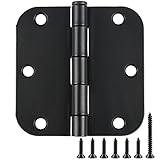
Look for a small cylinder, often black or grey, integrated into the hinge arm. It might look like a little metal tube with a piston rod. This is the damper. If you see this, chances are high that your hinges are soft close. Older hinges, or non-soft-close versions, will typically have a much sleeker, simpler profile. They’re just metal plates and pivot points. (See Also: A Box Without Hinges Key )
Another tell-tale sign, though less common, is a brand name or model number printed on the hinge. A quick search online for that specific model might reveal its specifications, including whether it has a soft-close function. But honestly, just looking for that thicker, cylindrical part is usually enough. Think of it like looking for the bulging bicep on a bodybuilder – it’s the most obvious feature.
When I was renovating my first apartment, I spent hours agonizing over this. I’d tap on cabinets, pull them open and shut, trying to discern the subtle engineering. My contractor just laughed and said, ‘Look at the arm, man.’ He pointed out the thicker bit. Boom. Instant clarity. It’s so simple, it’s almost embarrassing you didn’t see it sooner. The key is that the soft-close mechanism is part of the hinge, not an add-on. You won’t find a separate gadget you need to attach.
Are Soft Close Hinges Universal?
No, soft close hinges are not universal. They come in various styles, sizes, and mounting types to fit different cabinet doors and frames. While the soft-close mechanism is a common feature, the overall hinge design (like overlay, inset, or corner hinges) needs to match your existing cabinet hardware for a successful replacement.
How Do I Make My Existing Hinges Soft Close?
You can’t typically ‘make’ existing non-soft-close hinges soft close. The mechanism is integrated into the hinge itself. However, you can replace your old hinges with new soft-close hinges. Many soft-close hinges are designed as direct replacements for standard hinges, provided you match the type and mounting style. This is usually the most practical and effective solution.
The Real Cost of Cheap Hinges: Common Mistakes
Alright, let’s talk about the screw-ups I’ve seen, mostly mine. The biggest mistake people make is assuming all hinges are created equal. They’re not. When you’re trying to figure out ‘are my hinges soft close?’ and the answer is no, your first instinct might be to just buy the cheapest replacement hinges you can find. Big mistake. Huge.
I once bought a pack of what I thought were decent hinges online for about $30 for 20 of them. They looked the part, were easy to install, but the doors swung like a saloon door with a broken spring. No damping, no controlled close, just a loud bang. I ended up having to buy a second set, better quality ones, for about $120. So, I basically paid $150 for hinges that should have cost me $70.
Another common gaffe is not matching the hinge type. Cabinets have different overlay types (how much the door covers the frame) and mounting styles. If you buy hinges that don’t match, your doors won’t hang straight, won’t close properly, or you’ll have gaps. You need to know if your doors are full overlay, half overlay, or inset. Most standard hinges are designed for a specific overlay, and soft-close versions are no different. Getting this wrong means you’ve wasted money and time. (See Also: Are Integrated Washing Machine Door Hinges Standard )
Then there’s the issue of underestimating the number of hinges you need. For a standard cabinet door, you usually need at least two hinges, sometimes three for heavier doors. It’s easy to buy a pack of 10 and realize you’ve only got enough for five doors, leaving you short. Always count your existing hinges per door and add a couple extra just in case. My first cabinet project left me with one lonely door that slammed shut because I miscounted.
Finally, and this is more of a ‘why bother’ mistake, is thinking soft-close is just a luxury. It’s not. For families with kids, it’s a sanity saver. For older folks, it’s a help with dexterity. For anyone who values peace and quiet, it’s a worthwhile upgrade. Skipping it because you think it’s ‘extra’ is a mistake you’ll hear every time a door closes.
My Contrarian Take: Are All ‘soft Close’ Hinges Created Equal?
Everyone says that soft-close hinges are the bee’s knees, and for the most part, they are. But here’s my take: not all soft-close hinges are created equal, and some are barely better than a good quality standard hinge. I’ve encountered soft-close mechanisms that felt sticky, slow to engage, or just plain weak. They’d slow down the door maybe the last inch, but still allowed a pretty solid bump. It felt like a marketing gimmick more than a functional upgrade.
What I’ve learned is that the quality of the damping mechanism is everything. Higher-end hinges often use better hydraulic fluids or more precise engineering in their dampers. This leads to a smoother, more consistent deceleration. Think of it like car shocks: a cheap set might absorb some bumps, but a premium set makes the ride almost imperceptible. I once installed a set of really cheap soft-close hinges on a pantry door, and they felt… hesitant. The door would get heavy, then suddenly give way, making a dull thud. It was better than before, but not the silent glide I’d hoped for.
This is why I’m willing to spend a bit more on reputable brands. Brands like Blum, Salice, or even decent offerings from Accuride tend to have more reliable damping. I’d rather pay $10-$15 per hinge for one that works flawlessly than $4 per hinge for one that’s only ‘sort of’ soft close. You get what you pay for, and with hinges, that’s especially true.
People often get hung up on the brand name, but it’s the mechanism within the brand that matters. So, while I firmly believe in the concept of soft-close hinges, I’m definitely skeptical of any bargain-basement option claiming the title. Do your research, read reviews that specifically mention the damping action, and if possible, try one out before committing to a whole kitchen. It’s the difference between a sigh of contentment and a sigh of ‘well, it’s a bit better’.
Practical Tips for Installing and Using Soft Close Hinges
You’ve figured out ‘are my hinges soft close?’ and the answer is a resounding ‘no’. Now you want to upgrade. Here are some pointers to make the process less painful and more effective. First off, before you buy anything, identify your current hinge type. This is the MOST important step. (See Also: Are Hinges Wheeels )
- Identify Your Hinge Type: Look at how your doors attach to the cabinet frame. Are they inset (sitting flush inside the frame)? Are they overlay (sitting on top of the frame)? If overlay, how much do they cover? This is called the ‘overlay’ amount (e.g., 1/2 inch, 3/4 inch, full overlay). Also, note the mounting pattern – how many screws and where they are placed.
- Measure and Count: Measure the distance between screw holes for the hinge baseplate on the cabinet frame and the hinge arm on the door. Count how many hinges are on each door. For standard cabinet doors, two hinges are usually enough, but heavier doors might need three.
- Choose Your Soft Close Hinges: Based on your findings, select soft-close hinges that match the overlay and mounting style. Reputable brands like Blum, Salice, or Knape & Vogt are good starting points. Look for hinges specifically advertised as soft-close.
- Gather Your Tools: You’ll need a screwdriver (usually a Phillips head), possibly a drill with appropriate bits if you need to create new pilot holes (though matching existing ones is ideal), a tape measure, and perhaps a helper to hold doors steady.
- Installation: Start by removing the old hinges one door at a time. Attach the new soft-close hinges to the door first, then to the cabinet frame. Adjustments are usually possible via screws on the hinge itself to get doors perfectly aligned. Don’t overtighten screws.
A word of caution: some very cheap soft-close hinges might feel a bit stiff initially or not engage fully if the door isn’t closed with enough initial momentum. You might need to give the door a slight push to make sure the damping mechanism kicks in. It’s not a dramatic difference, but enough to avoid that sharp clack. If you’re doing a whole kitchen, it’s worth investing in a couple of decent quality hinges to test on a couple of doors first. You don’t want to buy 40 hinges only to find they feel cheap.
| Hinge Type | Description | Soft Close? | My Verdict |
|---|---|---|---|
| Standard Concealed (Euro) | The most common type for modern cabinets, sits inside a cutout. | Often Not | Basic function, reliable but noisy without modification. |
| Overlay Soft Close | Mounts on the surface of the cabinet frame. | Yes | Good upgrade for older cabinets, easy to spot. |
| Inset Soft Close | Hinges for doors that sit flush within the cabinet frame. | Yes | Requires precise measurement, very clean look when installed. |
| “Budget” Soft Close | Generic, often unbranded hinges claiming soft-close. | Maybe | Hit or miss; often feels weak or engages too late. Buyer beware. |
Faq: Your Burning Questions About Soft Close Hinges
How Can I Tell If My Cabinet Hinges Are Soft Close Without Taking Them Apart?
The easiest way is to look for the damper mechanism. On the hinge arm that connects to the cabinet frame, you’ll often see a slightly thicker, cylindrical part, usually black or grey. This houses the hydraulic or pneumatic system that slows the door. If you see this, your hinges are very likely soft close. If the hinge arm is just a simple piece of metal, they are probably not.
Are Soft Close Hinges More Expensive Than Regular Hinges?
Generally, yes. Soft close hinges incorporate additional mechanical components (like a damper) which adds to their manufacturing cost. While the price difference isn’t astronomical, you can expect to pay anywhere from 50% to 100% more for a quality soft close hinge compared to a basic, non-soft-close version. However, the long-term benefits in terms of reduced noise and wear are often worth the investment.
What Are the Benefits of Soft Close Hinges?
The primary benefit is significantly reduced noise. They prevent doors from slamming shut, which is great for peace and quiet, especially in homes with children or in open-plan living spaces. They also reduce wear and tear on the cabinet doors and frames, potentially extending their lifespan. For some, the feeling of a controlled, quiet close also adds a subtle touch of luxury and quality to their home.
Do I Need Special Tools to Install Soft Close Hinges?
For most standard installations, you’ll only need basic tools like a Phillips head screwdriver. If you’re replacing existing hinges and the new ones have the same mounting pattern, it’s often a simple swap. You might need a drill if you have to create new pilot holes, or if the new hinges require them. A tape measure is key for confirming measurements before you buy and during installation for alignment. A helper can be useful for holding doors steady.
Conclusion
So, there you have it. Figuring out ‘are my hinges soft close?’ really boils down to a quick visual inspection. Don’t let vague product descriptions or bargain-bin prices fool you into buying something that’s only ‘sort of’ soft close. I’ve been burned by that, and it’s an expensive lesson in false advertising.
If yours aren’t soft close, and you’re tired of the banging, replacing them is often a straightforward DIY project that makes a surprisingly big difference in your daily life. It’s one of those small upgrades that just makes things nicer. Think about that last slam you heard – is it worth a few extra bucks to never hear it again?
My advice? Take a good look at those hinges. If they’re old and plain, they probably aren’t soft close. And if they’re not, it might be time for an upgrade that brings a little more peace to your home.