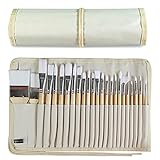
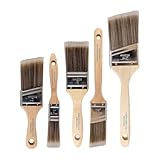
I’ve stood in the aisle at the craft store, staring at a wall of brushes, feeling utterly bamboozled. You see them – the tiny ones, the fat ones, the ones with fancy handles. And then you see a nail art brush set, looking suspiciously like a miniature version of something you’d use for fine detail painting on a model airplane. It got me thinking, and frankly, a little annoyed. Are nail brushes paint brushes, or are we all just being sold slightly different packaging for the same thing? I’ve wasted enough cash on overpriced art supplies to know when something smells fishy.
Tiny Bristles, Big Questions: The Case for Nail Brushes as Paint Brushes
Look, I’m not about to suggest you ditch your entire artist’s toolkit and run down to the drugstore for a manicure brush. But let’s be real: the world of art supplies is a minefield of inflated prices and proprietary names. I’ve been doing DIY, working with wood, and dabbling in painting for longer than I care to admit, and I’ve learned a few things the hard way. One of them is that sometimes, the best tool for the job isn’t the one with the most expensive branding or the fanciest description.
When I first started getting into miniature painting and intricate stencil work on furniture, I was buying specialized brushes for every little task. You know, the ‘liner’ brush, the ‘fan’ brush, the ‘round’ brush in a specific size I’d seen in a tutorial. It added up, fast.
Then, one day, I was helping my niece with a school art project, and she had this cheap little nail art brush kit. Tiny, delicate things. I picked one up, thinking about some delicate scrollwork I’d been trying to achieve on a jewelry box. The bristles were surprisingly fine and held a decent amount of paint.
It was a lightbulb moment. I started experimenting.
Could these little nail polish applicators, designed for microscopic precision on fingernails, actually hold their own against brushes marketed specifically for ‘fine detail art’? I started using one of the finer tipped nail brushes for applying tiny dots of paint, for tracing thin lines in stencils, and even for getting into the tight corners of carved wood. And you know what?
They worked. Not perfectly, mind you. They don’t have the same heft or the same quality of synthetic or natural hair as a professional artist’s brush, but for certain tasks, they were surprisingly effective and, importantly, a fraction of the price. It made me question the whole system.
If a brush designed for a fingernail can do a passable job of painting a tiny flower on a dresser, what does that say about the brushes costing ten times as much?
The core function of a brush is to hold and apply a medium. Whether that medium is nail polish, acrylic paint, oil paint, or even wood stain, the principle is the same. The difference, often, lies in the quality of the bristles, the way they’re bundled, the handle’s ergonomics, and, of course, the price tag. Nail brushes are designed for precision on a very small scale. They need to create fine lines, dots, and intricate patterns. This is not dissimilar to the requirements for fine detail work in painting, model making, or even calligraphy. So, are nail brushes paint brushes? For many applications, the answer is a resounding, and perhaps inconvenient, yes.
What’s Under the Hood? Bristles, Ferrules, and Handles
Let’s break down what actually makes a brush a brush, and why a nail brush might just be a paint brush in disguise. At its heart, a brush has three main components: the bristles, the ferrule, and the handle. The bristles are the business end. They’re what hold the paint and apply it to the surface.
For nail art brushes, these are typically synthetic hairs, often made of nylon or taklon. They’re chosen for their ability to hold liquid, their springiness (how well they bounce back after being pressed), and their fineness. This is exactly what you look for in many types of paint brushes, especially those used for acrylics or watercolors. The finer the tip, the more precise the line you can draw.
For example, a nail art striper brush, with its long, thin bristles, is functionally very similar to a rigger brush or a liner brush used by artists for long, unbroken lines.
The ferrule is the metal part that connects the bristles to the handle. In good quality brushes, it’s usually made of brass or aluminum and is crimped tightly to prevent the bristles from falling out. The ferrule on nail brushes is often smaller and more delicate, reflecting the scale of their intended use. However, the principle of holding the bristles securely is the same.
A poorly made ferrule that sheds bristles is a problem whether you’re painting a masterpiece or just touching up a scratch on your table. Then there’s the handle. Nail brush handles are often short and designed for close control, which is fantastic for intricate work. (See Also: Can Acrylic Paint Go In An Air Brush )
Artist brushes vary wildly, from long, slender handles for distant canvas work to shorter, fatter ones for impasto techniques. The key takeaway here is that the components are fundamentally the same.
The difference is often in scale and marketing.
I remember one particularly frustrating afternoon trying to paint tiny little floral details on the legs of a side table I was refinishing. I’d bought what was advertised as a ‘specialty detailing brush’ for a hefty $15. It was okay, but a bit too stiff and prone to leaving scratchy marks. Later, I was cleaning out my old makeup bag and found a couple of unused nail art brushes from a kit I’d bought on a whim ages ago.
I grabbed the finest one, dipped it in the same paint, and tried again. The synthetic bristles were much softer and more flexible. It glided on, leaving a smooth, consistent line. It wasn’t perfect – the handle was a bit awkward for the angle I needed – but it was better for that specific task, and it cost me maybe two bucks.
This experience solidified my belief that the materials science behind a decent brush isn’t some mystical art form exclusive to established art brands. It’s about creating a tool that can hold and apply a liquid medium effectively.
Nail brushes do this, just on a smaller stage.
When to Grab the Tiny Tools: Real-World Use Cases
So, beyond the anecdotal evidence, where do nail brushes actually shine when it comes to DIY and general crafting? The most obvious area is fine detail work. Think about those tiny screws on an electronic device you’re repairing, or the minuscule crevices in a piece of intricate trim. A small nail brush, like a fine-tipped liner or a dotting tool, can be perfect for applying a tiny dab of lubricant, a minuscule amount of glue, or even a touch of paint to cover up a scratch.
I’ve used them to apply wood filler to tiny imperfections before sanding, making sure I didn’t spread it too far and make more work for myself. They’re also fantastic for touch-up paint jobs. You know those little chips that appear on your window frames or skirting boards? Trying to use a standard paintbrush can often lead to a blobby, amateurish finish.
A fine-tipped nail brush allows you to carefully feather the paint in, creating a much cleaner, less noticeable repair.
Another area where they excel is in stenciling small, intricate designs. Many stencils, especially those for furniture or small craft projects, have delicate patterns.
Trying to get paint into those tiny spaces with a larger brush can be messy, leading to paint bleeding under the stencil. A small, stiff-bristled nail brush, used with a dabbing motion, offers excellent control. It’s also incredibly useful for applying glitter or metallic powders to specific areas.
You can use a slightly damp brush to pick up the particles and place them precisely where you want them, rather than dusting them all over the project. I’ve also found them invaluable for sealing small components in electronics projects with a thin layer of conformal coating.
The precision is key there. Don’t underestimate their utility for weathering effects on models or dioramas, either. (See Also: Can Acrylic Paints Be Used In An Aqua Brush )
Applying washes and dry-brushing tiny details becomes much more manageable.
Here’s a practical tip: when using nail brushes for paint, make sure to clean them immediately after use. Because the bristles are so fine and densely packed, dried paint can be a nightmare to remove and can permanently ruin the brush. A quick rinse under warm water with a drop of dish soap usually does the trick. For tougher acrylics, a brush cleaner solution is a good investment. The longevity of your ‘borrowed’ nail brushes will depend entirely on how well you care for them. I’ve got a few that have lasted me over a year of occasional use, and they still perform admirably for the specific tasks I bought them for.
The Great Brush Debate: Nail vs. Artist vs. Makeup Brushes
This is where things get really interesting, and where my contrarian streak kicks in. Everyone talks about artist brushes as the gold standard for painting.
And yes, for large canvases or broad strokes, they are. But let’s be honest, many ‘artist’ brushes are overpriced for the actual quality you get, especially if you’re not a professional. I’ve seen identical synthetic bristles in brushes sold for $3 at a craft store and $25 at an art supply shop, with nothing but the brand name and ferrule quality to differentiate them. When we talk about nail brushes, we’re often talking about synthetic fibers designed for precision application of liquids.
Makeup brushes, particularly those for eyeshadow or concealer, are also made from synthetic or natural fibers and are designed for precise application and blending. The overlap in function is significant.
The main differences often come down to bristle density, stiffness, and intended medium. Nail polish is a very fluid medium, so nail brushes are often designed to hold a good amount of liquid without being overly absorbent. Artist brushes, depending on the type of paint, can have different bristle types (hog hair for oils, synthetic for acrylics, squirrel or kolinsky sable for watercolors) and varying degrees of stiffness. Makeup brushes are optimized for cosmetic products, which have different textures and viscosities than paint. However, for many DIY and craft applications, the distinction blurs considerably.
| Brush Type | Typical Bristle Material | Best For… | My Verdict |
|---|---|---|---|
| Nail Art Brushes | Synthetic (Nylon, Taklon) | Fine lines, dots, intricate patterns on small surfaces. Applying small amounts of liquid. | Surprisingly versatile for detail work on a budget. Excellent for touch-ups and tiny repairs. |
| Standard Artist Brushes (Acrylic/Watercolor) | Synthetic, Sable, Squirrel | Wider range of applications, from washes to fine lines. Versatility is key. | Good all-rounders, but can be pricey. Quality varies wildly. Stick to reputable brands for consistent performance. |
| Makeup Brushes (Eyeshadow/Detail) | Synthetic, Natural (Goat, Pony) | Precise application of powders, creams, and liquids in small areas. Blending. | Can be fantastic for dry brushing or applying powders and subtle washes. Less ideal for holding large amounts of liquid paint. |
My honest opinion? For many common DIY tasks that require a bit of finesse, a cheap set of nail art brushes or a decent makeup brush for eyeshadow application can be just as effective, if not more so, than a specialty artist brush that costs five times as much. It’s about understanding the basic principles of brush construction and bristle behavior. Don’t get me wrong, if you’re oil painting a masterpiece, you need good artist brushes. But for fixing a scuff mark or painting a tiny detail on a birdhouse? You might already have the perfect tool in your bathroom cabinet or a cheap multipack from the drugstore.
Common Mistakes and How to Avoid Them
The biggest mistake I see people make, myself included in the past, is assuming that a brush is a brush, regardless of its intended purpose. This leads to frustration when a tool doesn’t perform as expected. For instance, using a large, flat brush to apply a tiny detail will inevitably lead to a messy, over-applied mess. Conversely, trying to paint a broad stroke with a needle-fine nail art brush is just going to be tedious and ineffective.
The first rule is to match the brush size and shape to the task. If you need a fine line, grab a fine liner. If you need to fill a small area, a small round or flat brush is appropriate.
Don’t try to force a tool into a job it wasn’t designed for, unless you’re deliberately experimenting and understand the limitations.
Another common pitfall is not understanding bristle types. Synthetic bristles, like those often found on nail brushes, are generally more durable and easier to clean than natural bristles. They’re great for acrylics and watercolors.
Natural bristles, particularly hog hair, are stiffer and can hold more paint, making them ideal for thicker mediums like oil paints. If you’re using a nail brush for acrylics, you’re generally fine. But if you try to use it with oil paints without proper solvent cleaning, you’ll likely ruin it quickly. Related to this is cleaning.
I’ve seen too many perfectly good brushes, both nail art and artist grade, rendered useless because they weren’t cleaned properly. Dried paint is the enemy. For acrylics, wash them thoroughly with soap and water immediately after use. For oils, you’ll need mineral spirits or turpentine, followed by soap and water. (See Also: A Brushes Digital Painting )
Don’t let paint dry in the ferrule – it’s a death sentence for any brush.
Over-applying paint is another rookie error. People see a tiny detail and think they need to load up the brush. Often, a tiny amount of paint on a well-shaped brush is all that’s needed.
The trick is to load the brush correctly and then use light, controlled strokes. For nail brushes, this often means dipping just the tip into the paint.
Trying to submerge half the bristles will result in too much paint and a loss of control. Finally, there’s the expectation of quality.
While nail brushes can be effective substitutes, they are rarely going to perform at the level of a top-tier professional artist’s brush, especially in terms of bristle retention and lifespan under heavy use. If you’re doing high-volume, professional work, investing in good artist brushes is probably worthwhile.
But for occasional touch-ups, craft projects, or hobbyist work, managing expectations and appreciating the value of a cheaper, effective tool is key. I once tried to use a very cheap nail brush for a detailed wood inlay and ended up with stray bristles that were a nightmare to pick out. Lesson learned: even with budget tools, there’s a minimum quality threshold to watch out for.
The Faq: Clearing Up Nail Brush Confusion
Can I Use Nail Art Brushes for Small Painting Projects?
Yes, absolutely. Nail art brushes are basically miniature paint brushes designed for precision. They are excellent for detailed work, touch-ups, and applying small amounts of paint to intricate areas on craft projects, furniture, or models. Their fine bristles allow for fine lines and dots, making them a cost-effective alternative to specialized artist brushes for small-scale applications.
What Kind of Paint Is Best for Nail Brushes?
Nail brushes generally work best with acrylic paints and watercolors, as these are water-based and easier to clean from synthetic bristles. They can also be used with some thinner craft paints. Avoid using them with heavy oil paints unless you are prepared for thorough cleaning with solvents, as dried oil paint can permanently damage the fine bristles.
How Do I Clean Nail Brushes Used for Painting?
Clean your nail brushes immediately after use. For acrylics and watercolors, rinse the bristles thoroughly under warm running water with a mild soap or dish detergent until all paint is removed. For more stubborn paint, a dedicated brush cleaner solution can be effective. Gently reshape the bristles with your fingers and let the brush air dry completely on a flat surface or hanging with bristles down.
Are Nail Brushes Durable Enough for Regular DIY Use?
For occasional or light DIY use, nail brushes can be surprisingly durable. However, they are not designed for the heavy-duty demands of professional painting or construction. Frequent use, aggressive cleaning, or using them with incompatible paint types can shorten their lifespan. They are best suited for tasks requiring precision rather than brute force or heavy application.
What’s the Main Difference Between a Nail Brush and a Fine Art Brush?
The primary differences lie in scale, bristle quality, and intended application. Nail brushes are designed for very small-scale, precise work with nail polish. Fine art brushes are typically made with higher-quality bristles (natural or synthetic) and are constructed for a wider range of artistic applications, from broad strokes to extremely fine details, and are designed for greater durability and longevity.
Verdict
So, the next time you’re staring at a wall of brushes, don’t dismiss the nail art section. Those tiny tools can be surprisingly capable little workhorses for a variety of DIY and craft projects. They might not replace your go-to set of artist brushes for every job, but for the small, fiddly bits where precision and a light touch are needed, they’re often a brilliant and budget-friendly option. I’ve definitely saved myself a few bucks and a lot of frustration by realizing that sometimes, the smallest tools pack the biggest punch.
It’s not about using a nail brush instead of a proper artist brush for a large canvas. It’s about understanding the similarities in their function and using the right tool for the right job, even if that tool comes from an unexpected aisle. So go ahead, experiment a little. You might be surprised at how effective a humble nail brush can be when you’re trying to get those tiny details just right. Just remember to clean them well, or they’ll quickly become useless.
Ultimately, the question of ‘are nail brushes paint brushes’ depends on what you need them to do. For detailed work, the answer is a definite yes.