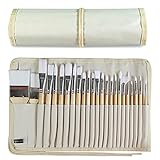
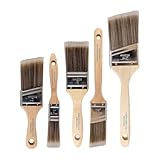
I remember staring at a wall of paintbrushes, completely bewildered. Was I supposed to pick the floppy, cheap-looking synthetic one or the one that felt a bit stiffer? Years ago, I just grabbed whatever was cheapest, only to find myself fighting bristles that shed like a nervous cat and paint that splattered everywhere. That’s when I started actually paying attention, wondering: are nylon or polyester paint brushes better? It turns out, the answer isn’t as simple as you might think, and the wrong choice can turn a satisfying DIY project into a frustrating mess.
Forget all the fancy marketing jargon. We’re talking about tools that need to perform, plain and simple. This isn’t about looking good; it’s about getting the job done right, with as little hassle as possible. So, let’s cut through the noise and get down to what actually matters when you’re standing in that aisle, trying to make sense of it all.
The Real Difference: Bristle Science That Matters
Look, if you’ve ever picked up a paintbrush and felt like you were wrestling a wet noodle, you’ve probably had a bad experience with the wrong bristle type. The whole debate between are nylon or polyester paint brushes better boils down to how those synthetic fibers behave, especially when they get wet. Nylon, chemically speaking, is polyamide. It’s known for its strength and flexibility.
In paint brushes, this translates to bristles that can bend quite a bit without permanently deforming and a good ability to spring back into shape. This makes nylon excellent for water-based paints like latex and acrylics. When nylon gets wet, it doesn’t absorb much water, so the bristles don’t swell up and get all mushy.
They maintain their shape and stiffness, allowing for a smoother, more controlled application. I’ve found that my best results with latex trim paint always come from a good nylon brush. It just glides on, with minimal drag and no nasty streaks.
Polyester, on the other hand, is a type of plastic that’s generally stiffer and more resistant to abrasion and chemicals than nylon. This inherent stiffness means polyester bristles tend to hold their shape well, even under pressure, and they don’t swell up much when wet either, making them good for water-based paints too.
However, polyester brushes often have a bit more ‘snap’ or rigidity to them. This makes them particularly well-suited for oil-based paints and stains, where a stiffer bristle can help push the thicker paint into the surface more effectively without bending too much. I once tried to use a cheap polyester brush for a thick exterior oil-based primer, and it was a nightmare. The bristles were just too stiff, and I ended up with a super uneven coat.
But for a smooth, oil-based enamel on furniture? A good polyester brush can be a dream. It’s all about matching the bristle’s personality to the paint’s temperament.
Now, here’s where it gets interesting. Most budget-friendly synthetic brushes you see are actually blends. Manufacturers often mix nylon and polyester, sometimes with other fibers, to try and get a balance of properties. They might use nylon for its flexibility and recovery, and polyester for its stiffness and durability. This is why you can’t just say ‘synthetic’ and assume you know what you’re getting. It’s like buying a generic vitamin – you know it’s supposed to do something, but the exact formulation can vary wildly. I’ve had some really decent ‘no-name’ brushes that performed surprisingly well because they had a good blend, and I’ve also bought expensive ones that felt like they were made of recycled plastic bags.
What to Look for: Beyond the Material Label
So, you’ve got the basic idea of nylon vs. polyester.
But what should you actually look for when you’re in the store, trying to decide which brush to buy? It’s not just about the material. Think of it like choosing a hammer; you need the right weight, grip, and head shape for the job.
For paint brushes, you need to consider the paint type, the surface you’re painting, and the finish you want. If you’re tackling a wall with latex paint, you’ll want a brush with softer, more flexible bristles – typically nylon. Look for brushes that are specifically labeled for latex or acrylic paints. These bristles are usually flagged or tapered to give you a finer finish.
I’ve found that brushes with more bristles packed into the ferrule (that metal band holding the bristles) tend to hold more paint and lay it down more smoothly. It’s like getting more mileage out of each dip.
For oil-based paints, enamels, or stains, you’re generally going to want a stiffer bristle, which points towards polyester or a blend that emphasizes stiffness. These brushes are designed to handle the thicker consistency of oil-based products without splaying out too much. Check the packaging; it should say ‘for oil-based paints’ or ‘for stains and enamels.’ The bristles on these might feel a bit more rigid to the touch, and they might not taper as finely as their nylon counterparts. (See Also: Can Acrylic Paint Go In An Air Brush )
This extra stiffness helps push the paint into nooks and crannies and provides better control when you’re working with something that has a slower drying time and a tendency to leave brush marks if not applied carefully. Don’t be afraid to give the bristles a little flex in the store – you want them to have some resistance, but not feel like they’re going to snap.
The ferrule, that metal part, is another big clue. A good quality brush will have a smooth ferrule made of stainless steel or nickel-plated brass.
Cheaper brushes might use thinner metal or even plastic ferrules that can bend or break easily. I had a brush once where the ferrule just popped off mid-stroke, leaving a mess of paint and loose bristles. It was infuriating.
Also, look at how the bristles are attached. A good brush will have the bristles firmly set into the ferrule, often with epoxy. You don’t want to see any gaps or loose strands.
Think about the handle, too. A comfortable, ergonomic handle makes a huge difference, especially if you’re painting for hours. Some brushes have flat handles for better control on trim, while others have rounded handles for general use.
It’s a small detail, but your hand will thank you after a long day.
| Bristle Type | Best For | Pros | Cons | My Verdict |
|---|---|---|---|---|
| Nylon | Water-based paints (latex, acrylics) | Flexible, good spring back, doesn’t swell much when wet, smooth application | Can be too soft for thick paints, may not hold up to harsh solvents | My go-to for interior walls and trim with latex paint. Reliable and consistent. |
| Polyester | Oil-based paints, stains, enamels | Stiffer, good for thicker paints, durable, excellent for smooth finishes with oils | Can feel too stiff for some water-based applications, may not offer as fine a tip | Key for oil-based projects. The stiffness is key for a professional finish. |
| Blends | Varies (often designed for versatility) | Can offer a balance of properties | Performance depends heavily on the specific blend; can be hit or miss | Good for general use if you can’t justify separate brushes, but not ideal for specialized tasks. |
Common Mistakes That Cost You Time and Money
One of the biggest blunders I see people make, and I’ve definitely been guilty of it myself, is using the wrong brush for the job. It’s like trying to hammer a nail with a screwdriver. If you’re using a cheap, floppy nylon brush for a thick, oil-based enamel, you’re going to have a bad time.
The bristles will bend under the paint’s weight, leaving thick, uneven strokes and a finish that looks like a disaster. Conversely, using a super stiff polyester brush for a thin latex wash might lead to too much paint being applied too quickly, or it might not lay down the paint smoothly enough, resulting in visible brush marks.
It’s important to match the brush’s properties to the paint’s characteristics. Don’t just grab the first synthetic brush you see; check the label and consider the paint you’re using.
Another common mistake is skimping on quality. I know, I know, good brushes aren’t always cheap.
But I’ve learned the hard way that buying those $2 packs of brushes is a false economy. They shed bristles like crazy, leaving little plastic hairs embedded in your paint. Cleaning them is often a losing battle, and they usually end up in the trash after one or two uses.
I remember painting a dark blue accent wall once and spending hours picking out tiny white bristles that had fallen off my cheap brush. It drove me insane. Investing in even two or three good quality nylon and polyester brushes for your common tasks will save you so much frustration and deliver a much better result.
I’ve had some of my favorite brushes for over five years, and they still perform beautifully with proper care. That’s the kind of value you get from quality. (See Also: Can Acrylic Paints Be Used In An Aqua Brush )
Neglecting brush care is another massive error. People treat brushes like disposable tools, but that’s not how you get the best performance or the longest life out of them. After painting, you need to clean your brushes thoroughly. For water-based paints, that means rinsing with water until the water runs clear and then washing with mild soap.
For oil-based paints, you’ll need mineral spirits or a paint thinner. Once cleaned, you need to reshape the bristles while they’re still wet and let them dry lying flat or hanging bristles-down (never bristles-up, as water will seep into the ferrule and damage the glue and wood handle). Storing them properly, perhaps in a brush guard or a plastic sleeve, is also key to maintaining their shape and preventing damage.
I’ve seen people just rinse a brush under the tap and call it good, then wonder why it’s stiff and unusable next time. It’s like neglecting your car and expecting it to run perfectly.
Real-World Use: My Experience on the Front Lines
I learned the hard way that the label ‘synthetic’ is a broad stroke. My first serious foray into painting furniture involved a beautiful, deep teal chalk paint.
I grabbed what I thought was a decent angled brush from a big box store, boasting ‘synthetic bristles.’ It was probably a 50/50 nylon-polyester blend, and it was awful. The chalk paint, being somewhat granular, just gummed up the bristles, and the paint application was uneven, leaving fuzzy marks and streaks.
It looked like I’d attacked the dresser with a scrub brush. I ended up spending twice as long trying to fix it with a finer nylon brush that actually laid the paint down smoothly.
That’s when I understood that ‘synthetic’ isn’t a magic bullet; the type of synthetic matters immensely.
Then there was the time I decided to tackle my garage door with a high-gloss oil-based enamel. I’d heard that synthetic brushes weren’t ideal for this, but I figured my ‘good’ synthetic brush would handle it. Wrong. While it didn’t shed, the bristles felt too soft.
The thick enamel just seemed to push the bristles around, and I couldn’t get a clean, crisp line. Every stroke felt like I was smearing mud. I had to stop, go back to the store, and buy a stiff, flagged polyester brush.
The difference was night and day. That polyester brush cut through the thick paint, held its shape, and allowed me to achieve the smooth, even finish I was after. It was a humbling but valuable lesson. It wasn’t about the price tag; it was about the material’s inherent properties matching the paint’s demands.
If you’re painting anything with a solvent-based product, a quality polyester brush is a a must in my book.
I’ve also found that the ‘flagging’ on the tips of the bristles is a big deal, especially for fine detail work or achieving that ultra-smooth finish on trim. Flagging refers to the tiny split ends on the bristles. These splits hold more paint and help distribute it evenly, reducing the chance of leaving distinct brush strokes.
Nylon brushes designed for latex paints often have more pronounced flagging. For projects where a mirror-smooth finish is the goal, like cabinetry or fine furniture, I’ll specifically look for brushes with excellent flagging. (See Also: A Brushes Digital Painting )
It’s a subtle detail, but it’s what separates a DIY job from something that looks professionally done. I once spent about $40 on a single high-end nylon sash brush for trim, and the difference in finish quality compared to a $10 brush was genuinely astonishing. Worth every penny for that flawless look.
Practical Tips for Longevity and Performance
Here’s the deal: If you’re working with water-based paints like latex or acrylics, your best bet is almost always a high-quality nylon brush. Look for bristles that feel soft yet have a good amount of spring. They should be tapered and flagged for smooth application. Brands like Purdy, Wooster, and Corona all make excellent nylon brushes that will make your life easier. I’ve spent money on cheaper nylon brushes, only to find myself frustrated with inconsistent paint pickup and less-than-smooth finishes. For a good quality nylon brush for general interior painting, expect to spend anywhere from $15 to $30. For specialized trim brushes, you might even go higher.
When you’re dealing with oil-based paints, stains, varnishes, or heavy-duty primers, you absolutely want to reach for a polyester brush. These bristles are stiffer and more durable, designed to handle the viscosity and chemical makeup of solvent-based products without breaking down. Again, brands like Purdy and Wooster offer great polyester options. A good polyester brush for these tasks might cost you between $20 and $40. Don’t cheap out here; a bad brush with oil-based paint is a recipe for disaster, leaving you with streaks and an uneven finish that’s incredibly difficult to fix. The stiffness is key to pushing these thicker paints effectively. Remember to clean these brushes immediately and thoroughly with mineral spirits or paint thinner.
How to Clean Paint Brushes
- For Water-Based Paints: Scrape off as much excess paint as possible. Rinse the brush under running water, working the bristles to dislodge paint. Wash with mild soap and water until all paint is gone. Reshape the bristles and lay flat or hang bristles-down to dry.
- For Oil-Based Paints: Scrape off excess paint. Immerse the brush in mineral spirits or paint thinner, swishing it around to loosen the paint. Work the bristles against a rag or in a brush spinner to remove paint. Repeat with fresh solvent until the brush is clean. Wash with soap and water to remove any remaining solvent residue. Reshape and dry as above.
One final tip: invest in a good brush comb and a brush guard for storage. The comb helps to remove paint from deep within the bristles during cleaning and also helps in reshaping. A brush guard protects the bristles from bending and damage when stored, making sure your brush maintains its performance for years to come. This small investment can extend the life of your brushes significantly and keep them performing at their peak. It’s a simple step that makes a huge difference in the long run.
Faq Section: Tackling Your Burning Questions
Are Nylon Brushes Good for Latex Paint?
Yes, absolutely. Nylon bristles are excellent for water-based paints like latex and acrylics. They are flexible, don’t absorb much water (so they don’t swell up and get mushy), and maintain their shape and stiffness well, allowing for a smooth, controlled application. Look for flagged nylon bristles for the best results with latex.
Are Polyester Brushes Good for Oil-Based Paint?
Yes, polyester brushes are generally the preferred choice for oil-based paints, stains, and enamels. Their inherent stiffness allows them to handle the thicker consistency of these paints without bending excessively, providing better control and a smoother finish. They are also more durable and resistant to solvents.
Can I Use a Nylon Brush for Oil-Based Paint?
While you technically can use a nylon brush for oil-based paint, it’s generally not recommended for the best results. Nylon bristles can become too soft and flexible when used with oil-based paints, leading to less control, potential splaying, and a less smooth finish. Polyester or a stiff synthetic blend is usually a better option.
Can I Use a Polyester Brush for Latex Paint?
You can use a polyester brush for latex paint, but it might not provide the same level of smoothness or control as a nylon brush. Polyester bristles are typically stiffer, which can sometimes lead to more visible brush strokes with thinner latex paints. However, some stiffer synthetic blends can work well for projects where a bit more rigidity is desired even with latex.
What Does ‘flagged’ Mean on a Paintbrush?
‘Flagged’ refers to the tiny split ends on the tips of paintbrush bristles. These splits, or flags, help the brush hold more paint and distribute it more evenly across the surface, leading to a smoother finish with fewer brush marks. Most high-quality synthetic brushes designed for fine finishing will have flagged bristles.
Conclusion
So, when you’re trying to figure out if are nylon or polyester paint brushes better, remember it’s not about one being universally superior, but about matching the bristle type to your specific paint and project. Nylon is your trusty sidekick for water-based jobs, offering flexibility and a smooth glide. Polyester steps up when you’re dealing with the heft of oil-based paints and stains, providing the stiffness and durability needed to get a clean, professional finish.
Don’t fall into the trap of thinking all synthetics are created equal. The quality of the fiber, the density of the bristles, the ferrule construction, and the handle ergonomics all play a role. Investing a little more in a good quality nylon or polyester brush will pay dividends in terms of ease of use, finish quality, and sheer frustration saved. Clean your brushes, treat them right, and they’ll be valuable tools in your arsenal for years.
Next time you’re staring at that paint aisle, take a moment to consider what you’re painting. That simple choice between nylon and polyester could be the difference between a weekend warrior job and a masterpiece.