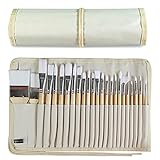
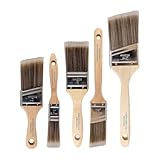
I used to think that if I just bought the cheapest pack of brushes from the craft store, I was being smart. Then I tried using one to spread some homemade jam into pretty little jars for gifts. Big mistake. The bristles started shedding into the jam like a shedding dog in summer. It looked awful, and frankly, I felt a bit grossed out. So, let’s get straight to the point: are paint brushes food safe? The answer is a resounding ‘sometimes,’ and if you’re not careful, a big ‘absolutely not.’
This isn’t about complicated science; it’s about using the right tool for the job, and honestly, most people don’t have a clue. We’re talking about things you put in your mouth, after all.
Don’t Use Your Old Art Supplies on Your Appetizers
Look, the brushes you used to paint that landscape last week? The ones covered in dried acrylic or oil paints? They are a hard NO for food. Period. The reason is simple: those paints are full of chemicals – pigments, binders, solvents – that are absolutely not meant for consumption. Even if they’re ‘non-toxic’ for art, that doesn’t mean they’re food-grade. Non-toxic usually just means it won’t give you a rash or poison you instantly if you accidentally get some on your hands. It’s not a green light for your dinner plate.
I remember a friend of a friend who, in a moment of panicked baking creativity, grabbed a pastry brush that looked suspiciously like one of her art brushes. She used it to baste a roast chicken. She swore it was fine because it looked clean. Fast forward a few days and she was complaining of stomach issues. Coincidence? Maybe. But why risk it? The materials in those brushes – the bristles, the glue holding them in, the handle finish – they aren’t designed for contact with edible items. They can leach chemicals, harbor bacteria that are impossible to fully scrub out, and, as I learned the hard way, shed fibers into your food.
The common advice you’ll find is generic: ‘use brushes designated for food.’ But what does that actually mean? It means looking for brushes specifically manufactured and marketed for culinary use. These are made from materials that are inert, meaning they don’t react with food, and are designed to be cleaned easily and safely.
Think silicone, specific types of natural bristles (like boar or goat, when properly treated), or food-grade synthetic fibers. Anything that looks like it came from an art supply store or a hardware store, unless it’s explicitly labeled as food-grade, should stay firmly in its original, non-edible domain.
I’ve seen people use them for applying glazes on cookies, spreading butter on toast, or even frosting cakes. It’s a shortcut that’s not worth the potential health risk or the gross factor of finding stray bristles in your soufflé.
The core issue is material composition. Art brushes often use synthetic fibers that aren’t heat-resistant or chemically stable enough for food applications. They might be dyed with colors that aren’t food-safe. The ferrules (the metal part holding the bristles) can be made of alloys that corrode or leach metals. Even the handles can be coated with varnishes that aren’t food-grade. It’s a whole system of components that, when you’re painting a picture, don’t matter. But when you’re painting a pastry, they absolutely do.
What Makes a Brush Actually Food-Safe?
Okay, so what should you look for if you need a brush for your kitchen adventures? It boils down to a few key things, and honestly, it’s not rocket science, but it does require a little attention to detail. First off, material. For bristles, you’re generally looking at high-quality silicone, natural hog bristles, or specific food-grade synthetic fibers like PBT (polybutylene terephthalate). Silicone is my go-to for most things because it’s incredibly easy to clean, doesn’t absorb odors or flavors, and can handle pretty high heat. I’ve used silicone brushes to slather BBQ sauce on ribs while they were still on a hot grill, and they held up like a champ. Plus, no stray bristles, ever.
Natural bristles, like boar or goat hair, are also used in some higher-end pastry brushes. These can be great for applying egg washes or butter because they hold liquids well and give a nice, even coating. However, they require more diligent cleaning. You need to make sure they’re thoroughly washed and dried to prevent bacterial growth. I learned this lesson the hard way with a fancy boar bristle brush I bought for painting croissants. I didn’t dry it properly one time after washing, and when I went to use it a week later, there was a faint, musty smell. Definitely not what you want near food. So, if you opt for natural, be meticulous about cleaning and drying.
Then there’s the construction. The ferrule, the metal part, should be smooth and made of food-grade stainless steel. This prevents rust and corrosion, which could contaminate your food. The handle should be comfortable to grip and, ideally, made of a material that’s easy to clean and won’t splinter or degrade. Wood handles are common and can be nice, but make sure they’re sealed with a food-safe finish. If you see any cracks or peeling, it’s time to retire it. (See Also: Are Foam Paint Brushes Reusable After Drying )
The best indicator, though, is explicit labeling. If a brush is designed for food, it will usually say so. Look for terms like ‘food-grade,’ ‘FDA-approved materials,’ or ‘BPA-free’ (especially for plastics and silicone). If a product description is vague, or if it’s primarily marketed for arts and crafts, assume it’s not safe for food contact. I’ve seen many brushes that look identical on the outside, but one is made for painting canvases and the other for basting turkeys. The price difference is usually a clue, but not always a guarantee. Always check the material and safety claims. It’s not worth saving a dollar or two if you’re compromising your health.
Common Mistakes People Make (and Why They’re Dumb)
The biggest, most glaring mistake? Assuming that because a brush is ‘clean,’ it’s automatically food-safe. This is a fallacy I’ve seen people fall for time and time again. They’ll have a perfectly good-looking brush that they only use for, say, water or maybe a clear varnish, and think, ‘Hey, this will be fine for my icing!’ Wrong.
As I mentioned, the materials themselves are the issue, not just visible dirt. The chemicals in the paint, the glue holding the bristles, the metal in the ferrule – these are invisible contaminants that don’t care if you think the brush looks clean.
It’s like assuming a car with a fresh coat of paint is now road-legal if it wasn’t before; the paint doesn’t fix the underlying mechanical issues. The same applies here.
Another huge mistake is buying those multi-packs of cheap brushes from dollar stores or discount craft shops and thinking you can just wash them out and use them for food. These brushes are often made with the cheapest possible materials.
The bristles can be rough, shed easily, and are often treated with chemicals to make them hold their shape during manufacturing and shipping. The glue used is rarely food-grade. The ferrules can be made of tin or aluminum alloys that corrode quickly.
I once bought a pack like that thinking I’d use them for painting small model pieces. They were fine for that, but the smell of cheap glue and the rough texture of the bristles screamed ‘do not ingest.’ They shed like crazy, even when just dabbed in water. So, no, washing them out doesn’t magically make them safe. It’s like trying to un-fry an egg; the original process matters.
Then there’s the ‘it looks like a pastry brush’ argument. Just because a brush has a flat head and a handle doesn’t make it suitable for food. I’ve seen people grab hardware store paint brushes, specifically the ones for applying stains or varnishes, and use them for things like spreading wood glue on a cutting board they’re making.
While wood glue is often non-toxic, the brush itself isn’t designed for food contact. It’s likely made with bristles and glues that could leach harmful substances. And if it’s for actual paint, the danger is even higher.
This is where the contrarian opinion comes in: Everyone says ‘only use dedicated food brushes.’ I disagree slightly, and here’s why: it’s not just about being a food brush, it’s about the materials it’s made from. A high-quality silicone brush intended for grilling or baking is a food brush. But so is a very specific, carefully chosen, artist-quality brush made from food-grade synthetic fibers and FDA-approved glue, if it’s specifically marketed and manufactured for that purpose. (See Also: Are Paint Anyone With A Wide Brush )
The mistake isn’t using a brush that looks like a food brush; it’s using a brush that isn’t made of food-safe materials, regardless of its appearance or perceived purpose. It’s about the specs, not just the style.
Lastly, and this is more about hygiene than material safety, people often don’t clean their food brushes properly or frequently enough. Even a food-safe brush can become a breeding ground for bacteria if it’s left wet, grimy, or with food residue. A silicone brush should be washed with hot, soapy water after every use. Natural bristles need even more care – washed thoroughly, rinsed, and dried completely. Storing them bristles-up in a container can help them air dry. Neglecting this step is a recipe for foodborne illness, regardless of the brush’s origin.
Practical Tips for Using Food-Safe Brushes
Alright, let’s talk practicalities. If you’re going to use brushes for cooking, baking, or food prep, you need a few dedicated tools. My personal advice? Invest in a set of silicone brushes. You can find them in various sizes, usually in multipacks, for a reasonable price. I’ve got a set of three – one small for detailing icing, a medium one for egg washes and butter, and a large one for basting larger items like roasts or spreading marinades. They’re easy to clean, durable, and I never have to worry about stray bristles. I paid about $15 for a good set that has lasted me for years.
When choosing silicone brushes, look for ones where the bristles are firmly attached to the base. You don’t want them to pull out easily. Also, consider heat resistance. If you plan on using them for grilling or baking, make sure the silicone can handle high temperatures. Most good quality ones will state their max temperature, often around 450-500°F (230-260°C). I once bought a cheap pack where the bristles started to melt slightly when I used them to baste a pie crust right out of the oven. Lesson learned: don’t skimp too much on quality for heat-sensitive tasks.
If you’re into delicate pastry work, like applying very thin glazes or intricate details on cookies, you might consider a fine-tipped pastry brush. Some of these have natural bristles, but again, make sure they are food-grade and properly cared for. Others are made from silicone with very fine, flexible tips. I’ve found a small, pointed silicone brush to be surprisingly versatile for everything from applying edible glitter glue to getting a thin, even layer of apricot glaze on tarts. It feels much more precise than a wider brush.
Here’s a quick comparison table I put together. It’s not exhaustive, but it covers the main types you might encounter:
| Brush Type | Common Materials | Pros | Cons | Verdict (For Food Use) |
|---|---|---|---|---|
| Standard Art/Craft Brush | Synthetic fibers (acrylic, nylon), animal hair, metal ferrule, wood/plastic handle | Cheap, widely available | Chemicals, shedding, difficult to clean, non-food-grade materials | ❌ Absolutely Not. Never. |
| Hardware Store Brush (for stains/varnish) | Stiffer synthetic fibers, metal ferrule, wood/plastic handle | Sturdy | Designed for chemicals, not ingestion. Leaching risks. | ❌ NO. Even for non-paint items. |
| Silicone Pastry/Basting Brush | Food-grade silicone bristles and handle, stainless steel ferrule | Easy to clean, heat-resistant, no shedding, doesn’t absorb odors/flavors | Can sometimes feel less traditional than natural bristles for certain tasks | ✅ Excellent All-Rounder. Highly Recommended. |
| Natural Bristle Pastry Brush (Boar/Goat) | Food-grade natural bristles, metal ferrule, wood/plastic handle | Holds liquids well, good for even coating, traditional feel | Requires meticulous cleaning and drying, can harbor bacteria if not cared for, can sometimes shed | ✅ Good, but requires diligent care. |
| Specialty Food-Grade Synthetic Brush | PBT or other food-grade synthetics, stainless steel ferrule, food-safe handle | Durable, precise, easy to clean, specific applications (e.g., fine art painting styles applied to food) | Can be more expensive, less common | ✅ Good for specific tasks, verify food-grade claims. |
A key tip: dedicate your brushes. Never, ever use a brush that has touched anything non-food for food. Not even if you wash it. It’s like trying to purify water by just stirring it; the contaminants are still there. I have one drawer in my kitchen that is strictly for my food brushes. Anything else stays in my art supply cabinet or my garage toolbox.
What Kind of Brushes Are Safe for Painting Cakes?
For painting cakes, you want brushes made from food-grade synthetic fibers or high-quality, food-safe silicone. These are often specifically labeled as ‘edible paint brushes’ or ‘cake decorating brushes.’ They should have FDA-approved materials, no shedding bristles, and be easy to clean. Avoid any brushes that have been used for non-food purposes, even if they look clean, as they may carry invisible contaminants.
Can I Use Craft Brushes for Food?
Absolutely not. Craft brushes are made with materials that are not intended for consumption and can contain harmful chemicals, dyes, and glues. Their bristles are also prone to shedding into food. Even if a craft brush looks clean, it is not food-safe and should never be used for any food preparation or decoration.
Are Silicone Brushes Food Safe?
Yes, most silicone brushes designed for kitchen use are food safe. Look for brushes made from 100% food-grade silicone, which is FDA-approved, BPA-free, and non-toxic. These brushes are heat-resistant, easy to clean, and do not absorb odors or flavors, making them an excellent choice for cooking, baking, and basting. (See Also: A Brush Above Painting Deck Refinishing )
Can I Use a Paintbrush to Apply Glaze to Pastries?
Only if the paintbrush is specifically designed and labeled as food-safe. If you are talking about a standard art or craft paintbrush, then no, you absolutely should not use it to apply glaze to pastries. These brushes contain chemicals and glues that are not safe for consumption and can contaminate your food. Invest in a dedicated pastry brush or a food-grade silicone brush for such tasks.
The Real Deal with Bristles and Beyond
Let’s break down the bristle situation a bit more because this is where a lot of confusion happens. When you see brushes with what look like animal hairs – soft, fine – people often assume they must be natural and therefore okay.
Sometimes, that’s true, but often it’s not the whole story. For food use, if they are natural bristles (like boar or goat), they need to be specifically processed and treated to be food-grade. This means they’ve been cleaned thoroughly to remove any potential contaminants and are less likely to shed excessively.
However, even the best natural bristles can shed if they’re not maintained perfectly. I’ve found that my silicone brushes are far more reliable in this regard. My experience with natural bristles is that they require a bit more respect and attention to detail to keep them hygienic and functional for food.
The synthetic fibers used in some high-quality food brushes are often made from materials like PBT (polybutylene terephthalate). This is a type of polyester that’s known for its durability, heat resistance, and chemical stability. It’s designed to mimic the feel and performance of natural bristles without the drawbacks of shedding or bacterial concerns, provided it’s manufactured to food-grade standards. When you see brushes marketed for detailed cake decorating or fine pastry work, they often use these advanced synthetic fibers. They offer precision and safety, which is exactly what you want when you’re applying edible paint or a delicate sugar glaze.
Beyond the bristles, the glue used to hold them in the ferrule is another important component. In non-food brushes, this glue can be anything from basic industrial adhesive to specialized resins that contain solvents. For food-safe brushes, this glue must be food-grade, meaning it’s non-toxic and won’t leach into your food. This is one of those hidden aspects that most people never think about, but it’s vital. A brush might have great bristles, but if the glue holding them starts to break down or contains unsafe chemicals, the whole brush is compromised.
And let’s not forget the handles. While wood is a classic choice, it needs to be sealed with a food-safe varnish or coating. Unsealed wood can absorb moisture, harbor bacteria, and even splinter. Some brushes have plastic handles, and for these, you want to make sure they are made from food-grade plastics that are free from BPA and other harmful chemicals. I’ve seen some wooden-handled brushes start to show wear and tear after just a few washes, with the varnish peeling off. That’s a sign it’s time to replace them, even if they’re labeled as food-safe initially.
The bottom line is that ‘food-safe’ isn’t just a marketing term; it’s a specification of materials and manufacturing processes. When you’re asking are paint brushes food safe, you’re really asking if a specific brush was made with the intention and the materials to be in contact with food without posing a health risk. It’s about knowing what to look for and being discerning. My own journey with this has taught me that a few dollars saved on a questionable brush can cost a lot more in terms of peace of mind and potential health issues. It’s a lesson learned through a few hairy jam jars and some slightly suspect kitchen tools that I’ve since retired.
Verdict
So, can you use paint brushes for food? Only if they are specifically designed, manufactured, and labeled as food-safe. Those old acrylic brushes from your art kit? They belong nowhere near your kitchen. My experience has shown that while silicone brushes are my go-to for their ease of use and safety, there are other food-grade options out there if you do your homework.
It’s about paying attention to the materials – the bristles, the glue, the ferrule, the handle – and trusting explicit food-grade certifications. Don’t guess, don’t assume. If it’s not clearly marked for food use, keep it for its intended purpose, which is definitely not eating.
Next time you reach for a brush for your culinary creations, take a second look. Is it designed for spreading deliciousness, or for covering canvases? Make the right choice for your health and your taste buds. The question of are paint brushes food safe is a straightforward one if you know what to inspect.