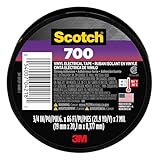
I remember staring at a DIY server build, wires a tangled mess, heat sink precariously balanced. The thermal paste I’d painstakingly applied was… fine. But then I saw it: a roll of electrical tape, black and unassuming. A thought, born of desperation and a rapidly dwindling budget, popped into my head: can I use electrical tape instead of thermal tape? It’s sticky, it’s insulating… could it do the job? I’ve wasted enough cash on gadgets that promised the moon and delivered dust bunnies, so I’m going to tell you straight up if this is a smart move or just another expensive mistake waiting to happen.
We’ve all been there. You’re mid-project, you realize you’re missing a specific, often oddly named, component. The nearest store is miles away, or worse, it’s 10 PM and everything’s closed. That’s when the “can I substitute this?” siren song starts playing. Electrical tape is a staple in many toolboxes. Thermal tape, on the other hand, is a bit more specialized. So, let’s cut to the chase.
What’s the Actual Deal with Thermal Tape?
Look, thermal tape isn’t just fancy duct tape. It’s designed for one job, and it does it damn well: moving heat. Think of it like a microscopic highway for thermal energy. When you’ve got a hot component – like a CPU, a GPU, or a power module – you want that heat to get out, fast. That’s where thermal paste or pads come in. They fill in the microscopic gaps between the heat-generating surface and the heatsink, creating a continuous path for heat transfer. Thermal tape, specifically the kind designed for electronics, is basically a highly conductive adhesive that does a similar job, often in a more convenient, pre-formed strip or sheet. It’s not about insulation; it’s about conduction.
I’ve pulled apart more computers than I care to admit, and the difference between a system running with proper thermal management and one that’s cooking itself is night and day. You hear that fan whirring like it’s about to take off?
That’s a component screaming for help. The stuff you want for this is usually called ‘thermal interface material’ (TIM), and it comes in paste, pad, and yes, tape form.
The key is its ability to conduct heat away from the source, not trap it. Electrical tape, by contrast, is designed to insulate. Its primary job is to stop electricity from flowing.
It’s made of PVC or rubber compounds, which are pretty good at blocking electrical current, but terrible at letting heat through. It’s the opposite of what you need.
I once tried to jury-rig a solution for an overheating Raspberry Pi. I figured a layer of electrical tape over the CPU and then stuck a small heatsink on top would be enough.
Big mistake. Within 15 minutes, the Pi was throttled so hard it was practically unusable, and the tape felt alarmingly warm.
It hadn’t moved the heat; it had trapped it. Lesson learned: if it’s not designed for thermal conductivity, don’t trust it with your electronics’ lives. The common advice is to use the right tool for the job, and for heat transfer, that means a proper TIM. Trying to shortcut this step is like trying to fix a leaky pipe with chewing gum – it might hold for a second, but it’s not a real solution.
Why Electrical Tape Is a Terrible Stand-In
Let’s get this out of the way: no, you absolutely cannot use electrical tape instead of thermal tape. It’s not even in the same ballpark. The fundamental properties of these materials are diametrically opposed. Electrical tape is an insulator. Its entire purpose is to prevent the flow of electricity. It’s typically made from PVC (polyvinyl chloride) or similar plastics. These materials have high dielectric strength, meaning they resist electrical current very well. This is fantastic for wrapping wires and preventing shorts, but it’s the exact opposite of what you want when trying to dissipate heat. (See Also: Can I Use Electrical Tape To Connect Wires )
Thermal tape, on the other hand, is a conductor. It’s designed to help the transfer of heat. It’s usually made with a base material – often silicone or a polymer blend – that’s infused with highly thermally conductive fillers like ceramic particles, metal oxides, or even graphite. These fillers create a network within the tape that allows heat to flow easily from the hot component to a heatsink. The adhesive itself is also chosen for its thermal conductivity, not just its sticking power.
Think of it this way: Imagine you have a hot potato you need to cool down. Thermal tape is like wrapping it in a thin, metal foil that quickly draws the heat away. Electrical tape is like wrapping it in a thick wool blanket – it traps the heat, making the potato even hotter.
I learned this the hard way when trying to cool down a small, overloaded power brick for an external hard drive. It was getting dangerously hot, so I slapped a piece of electrical tape over the vents, thinking it might somehow stabilize the temperature. The result?
Within an hour, the brick was too hot to touch, and the smell of melting plastic filled my workshop. I had to unplug it immediately.
It was a stark reminder that electrical tape is for stopping electricity, not for moving heat. The common advice you’ll find everywhere is correct on this: use dedicated thermal management products for electronics.
When a Direct Swap Just Won’t Cut It
The question of whether you can use electrical tape instead of thermal tape is a classic DIY dilemma: can I just use what I have on hand? The answer is a resounding no, and here’s why. The core function of thermal tape is to act as a Thermal Interface Material (TIM). TIMs are designed to fill the microscopic air gaps between two surfaces that are supposed to be in thermal contact. Air is a terrible conductor of heat. By filling these gaps with a material that’s good at conducting heat, you dramatically improve the efficiency of heat transfer from, say, a CPU to its heatsink.
Electrical tape, as mentioned, is an insulator. It’s made of materials like PVC or rubber, which are selected for their ability to block electrical flow. These materials also happen to be poor conductors of heat. If you were to use electrical tape in place of thermal tape, you would be creating an insulating barrier between your heat-generating component and your heatsink. This wouldn’t help cool the component; it would actually trap heat, causing the component to overheat, potentially leading to performance throttling, instability, or even permanent damage.
I once saw a friend try to repair a faulty connection on a graphics card with electrical tape, thinking it would hold the wires in place and prevent shorts. It did hold the wires, but he bypassed the thermal pads that were supposed to be there. The card ran for about an hour before it started artifacting badly and then shut down. He ended up frying the GPU memory. It was an expensive lesson for him, and a clear demonstration for me. You simply cannot substitute an insulator for a conductor when heat transfer is the goal. This is why you’ll find specific thermal pads and tapes designed for electronics, and they’re not interchangeable with their electrical counterparts.
When Did I Realize the Hard Truth?
It was a late night, working on a custom PC build for a friend. We were on a tight deadline, and I realized I’d forgotten to order a specific thermal pad for the VRM (Voltage Regulator Module) on the motherboard. Panic set in. The nearest electronics store was an hour away, and it was already past midnight. I rummaged through my toolbox and found a roll of thick, high-quality electrical tape. ‘It’s sticky, it’s pliable, maybe it’ll conduct enough heat,’ I thought. Hubris, my friends. Pure, unadulterated hubris.
I carefully cut a piece and applied it over the VRM, then slapped on a heatsink. I powered up the system, and it seemed… okay. For about 45 minutes. Then, the system became unstable. (See Also: Can Electrica Tape Catch On Fire )
Games crashed, benchmarks failed. I started checking temperatures, and the VRMs were running alarmingly hot – far hotter than they should have been, even under load. The electrical tape, instead of helping, was acting like a warm blanket, trapping the heat and making things worse.
My friend’s brand-new, expensive motherboard was at risk. I had to shut it down immediately, pull it all apart, and wait until morning to get the correct thermal pad. It cost me an extra day, a gallon of gas, and a healthy dose of humility.
Never again will I try to cut corners on thermal management.
What to Look for in Real Thermal Tape
So, if electrical tape is a no-go, what should you be looking for when you actually need thermal tape? It’s not rocket science, but there are a few key things that separate the good stuff from the junk. First off, you’re looking for a material with high thermal conductivity. This is usually measured in Watts per meter-Kelvin (W/mK). The higher the number, the better it is at transferring heat. For most consumer electronics applications, you’ll find tapes ranging from 1 W/mK up to maybe 10 W/mK or even higher for specialized applications. Don’t just grab the cheapest roll; check the specs.
The second thing is the adhesive. It needs to be strong enough to hold the tape in place, but you also don’t want it to be so aggressive that it damages your components when you remove it. Some thermal tapes are designed to be repositionable for a short period, which is handy. Others are permanent. Read the product description. You also want to consider the thickness. Thermal tapes come in various thicknesses, and you need to make sure it’s appropriate for the gap you’re trying to fill. Too thin, and it won’t make proper contact. Too thick, and it might create unwanted pressure or prevent the heatsink from seating correctly.
Finally, consider the form factor. Thermal tape comes in rolls, sheets, and pre-cut shapes.
For general applications, a roll is versatile. For specific components, pre-cut pads or tapes might be more convenient. I’ve found that for DIY projects, having a roll of good quality, moderately thick thermal tape (around 1-2mm) with a conductivity of at least 3-5 W/mK is a solid choice. It’s versatile enough for most common tasks, like adding small heatsinks to VRMs, RAM modules, or even smaller chips on a motherboard or graphics card.
I once used a cheap, no-name thermal tape that claimed high conductivity but barely felt warm to the touch after being applied. The component it was supposed to be cooling was still running excessively hot. Lesson learned: stick to reputable brands and check those W/mK ratings.
Comparison: Thermal Tape vs. Electrical Tape
| Feature | Thermal Tape | Electrical Tape | Verdict |
|---|---|---|---|
| Primary Function | Heat Conduction | Electrical Insulation | Thermal tape is designed for heat, electrical tape for electricity. |
| Material Composition | Thermally conductive fillers (ceramic, metal oxides) in a polymer binder. | PVC, rubber, or vinyl compounds. | Different materials for opposing purposes. |
| Thermal Conductivity (W/mK) | Typically 1.0 – 10.0+ | Extremely low (insulator) | Thermal tape transfers heat; electrical tape traps it. |
| Adhesive Properties | Chosen for thermal conductivity and moderate adhesion. | Chosen for dielectric strength and good adhesion to wires. | Adhesive function is secondary for thermal tape, primary for electrical. |
| Application | CPU, GPU, VRM, LED, power supplies, heatsink mounting. | Wire insulation, cable bundling, temporary repairs. | Specific to the job, not interchangeable. |
Common Mistakes and How to Avoid Them
When people ask ‘can i use electrical tape instead of thermam tape?’, it’s usually because they’re trying to save a buck or they’ve run into a common DIY pitfall. One of the biggest mistakes, besides trying to use electrical tape in the first place, is not preparing the surfaces properly. Before applying any thermal tape, you need to make sure the surfaces of both the component and the heatsink are clean and free of dust, oils, and old thermal paste residue. Use isopropyl alcohol (90% or higher) and a lint-free cloth for this. A dirty surface will prevent good contact and hinder heat transfer, even with the right tape.
Another mistake is using the wrong thickness. If the thermal tape is too thin, it won’t fill the microscopic gaps effectively, leading to poor contact. If it’s too thick, it can create air pockets or put undue stress on components. Always measure the gap you need to fill and choose a tape thickness that’s slightly less than or equal to that gap. You want a good, firm but not excessive, pressure when you mount the heatsink. (See Also: Can I Substitute Duct Tape For Electrical Tape )
Over-tightening heatsinks is also a common blunder. While you need good contact, you don’t want to warp the motherboard or damage the component. Follow the manufacturer’s instructions for mounting hardware. If you’re using thermal tape for mounting a heatsink, make sure the tape’s adhesive is strong enough.
Some lighter-duty thermal tapes are designed more for thermal transfer than for structural adhesion, so make sure you’re using a product rated for the job. I once attached a small heatsink to a high-power LED using thermal tape, but I didn’t realize the tape was only rated for 1 W/mK and wasn’t meant for heavy-duty mounting. The LED got so hot that the tape actually started to sag and peel away, causing the heatsink to loosen.
It was a good reminder to always check the product’s specifications and intended use, not just its general category.
People Also Ask: Answering Your Burning Questions
Can Electrical Tape Be Used for Heat Dissipation?
Absolutely not. Electrical tape is an insulator, meaning it’s designed to prevent the flow of heat. If you try to use it for heat dissipation, you’ll actually trap heat, making the component hotter and potentially causing damage. Its primary function is electrical insulation, not thermal conductivity.
Is Thermal Tape the Same as Heat-Resistant Tape?
No, they are not the same. While thermal tape is heat-resistant to some extent, its main purpose is to conduct heat. Heat-resistant tape, on the other hand, is designed to withstand high temperatures without degrading or melting, but it might not be a good conductor of heat. Think of thermal tape as a thermal highway, while heat-resistant tape is more like a heat-proof shield.
What Can I Use If I Don’t Have Thermal Tape?
If you don’t have thermal tape and need to manage heat, your best bet is thermal paste or thermal pads, which are specifically designed for thermal conductivity. If you’re in a true emergency and need a very temporary, low-power fix, some people have experimented with very thin layers of certain non-conductive, high-temperature silicones, but this is highly risky. For anything beyond that, it’s best to wait and get the proper thermal interface material.
Can Thermal Tape Be Used on Leds?
Yes, thermal tape is frequently used on LEDs, especially high-power LEDs. LEDs generate a significant amount of heat, and transferring this heat away from the LED chip to a heatsink is important for their longevity and performance. Thermal tape provides a convenient way to bond the LED module to a heatsink while helping efficient heat transfer.
Final Thoughts
So, let’s put this to bed. Can I use electrical tape instead of thermam tape? No. Just don’t. It’s like trying to use a screwdriver as a hammer – you might get it to hit something, but it’s the wrong tool for the job and you’re likely to mess things up. Electrical tape is for wires, thermal tape is for moving heat. They have opposite properties. If you’re dealing with electronics that generate heat, whether it’s a PC, a game console, or even some smart home devices, using the right thermal interface material is a must for reliability and longevity.
My advice? Keep a roll of decent thermal tape or a tube of good thermal paste in your toolkit. It’s a small investment that can save you from a lot of headaches and potentially expensive repairs down the line. Don’t fall for the tempting ‘I have this on hand’ logic when it comes to thermal management. Your components will thank you for it.