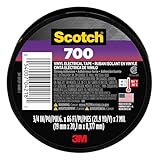
I remember standing in my garage, a tangle of wires in my hand, staring at a roll of electrical tape. The breaker had tripped again, and I was supposed to be fixing a simple outlet. Wire nuts were missing, and the tape was right there. A little voice whispered, ‘Just use the tape, it’ll hold.’ I almost did it. Thankfully, common sense (and a healthy fear of a burning house) kicked in. So, can I use electrical tape instead of wire nuts? Let me be blunt: absolutely not. It’s a terrible idea, and here’s why.
This isn’t about being fancy; it’s about safety and reliability. Wire nuts are designed for a specific job, and electrical tape is definitely not it. We’ll get into the nitty-gritty of why this seemingly simple substitution is a disaster waiting to happen.
Why Electrical Tape Is a Hard No for Wire Connections
Look, I get it. You’re in a bind.
You need to make a connection, and the proper tools or materials are nowhere to be found. Electrical tape, with its stretchy, sticky nature, seems like a magical solution for anything involving wires. But when it comes to joining electrical conductors, it’s about as effective as using chewing gum to seal a leaky pipe.
The primary reason electrical tape fails miserably where wire nuts succeed is its lack of mechanical integrity and its poor resistance to heat and vibration. Wire nuts are engineered to twist wires together securely, creating a solid, lasting connection that won’t come loose. They also have a flame-retardant shell designed to prevent fires if things get a little warm. Electrical tape?
It’s designed to insulate exposed wires from accidental contact and protect against minor abrasions. That’s it. It provides a surface barrier, not a structural bond.
I once saw a ‘fix’ using electrical tape on a minor appliance in a rental unit. It was a temporary solution, the landlord said. A month later, the outlet was sparking, and the tape had melted into a sticky, black mess. The wires had worked themselves apart, creating an intermittent connection that was a fire hazard waiting to happen. The electrician who came to fix it just shook his head. He said he’d seen tape used for everything from holding car parts together to patching roofs, but never for permanent electrical connections. And he’d seen the fires it caused.
The fundamental problem is that tape, even the good stuff, doesn’t offer the consistent, uniform pressure needed to keep bare wires in firm contact. Wires can expand and contract with temperature changes, and over time, vibration from appliances or even just the house settling can cause them to shift. With a wire nut, the internal spring or the tight-fitting threads keep that connection solid. Tape just sits there, relying on its adhesive, which degrades over time and under stress.
Plus, you can’t guarantee a tight, reliable twist with tape. You might think you’ve got it wrapped tight, but there are probably air gaps and weak points all over the place. This leads to arcing, overheating, and, you guessed it, potential fires. (See Also: Can I Use Electrical Tape To Connect Wires )
So, to directly answer the question: can I use electrical tape instead of wire nuts? No.
Just… no.
The Engineering Behind Wire Nuts (and Why Tape Can’t Compete)
Wire nuts aren’t just fancy plastic caps; they’re small pieces of engineering designed for a specific, important purpose. Think about what they actually do: they take two or more pieces of copper or aluminum wire and twist them together in a way that’s both electrically sound and mechanically secure. The most common types, the spring-loaded ones, have a metal coil inside that grips the wires. As you twist the wire nut onto the stripped ends of the wires, the coil bites down, holding them firmly.
This creates a low-resistance connection, which is vital for efficient electricity flow and preventing heat buildup. The plastic exterior is usually made from flame-retardant material, adding another layer of safety. They are designed to withstand the thermal expansion and contraction of wires without loosening.
Now, consider electrical tape. It’s made of a flexible plastic film, usually PVC, coated with an adhesive. Its job is to provide electrical insulation and protection against environmental factors for individual wires, like covering up a nick or a slightly exposed spot. It’s not designed to hold wires together, and it certainly isn’t built to withstand the consistent pressure and potential heat generated at a junction point.
The adhesive on electrical tape is designed to stick, not to maintain a high-pressure mechanical connection. It can dry out, lose its tackiness, and, under heat, become gummy and unreliable. Imagine wrapping a bunch of loose ends with tape – you’re relying entirely on the sticky goo to keep metal conductors in contact. Over time, and with any slight movement or temperature fluctuation, those wires are going to wiggle loose.
I had a situation where a cable had a minor abrasion. I used high-quality electrical tape to cover it, thinking it was a temporary fix until I could replace the cable. Weeks later, I noticed a faint smell of ozone. I checked the taped section, and the tape was warped, almost melted, and the wires underneath were starting to show signs of overheating. If I had tried to join wires with tape, the outcome would have been far more dramatic and dangerous. The difference in capability is vast. Wire nuts provide a solid, mechanically sound, and thermally stable connection. Electrical tape provides temporary surface insulation. They are fundamentally different tools for entirely different jobs.
Common Mistakes When Dealing with Wire Connections
People often make mistakes when working with electrical connections because they underestimate the importance of a solid, reliable join. One of the most common errors, besides using the wrong materials like electrical tape, is improper stripping of the wires. If you strip too much insulation, you leave excessive bare copper exposed, which increases the risk of shorts or accidental contact. If you don’t strip enough, the wires won’t make good contact inside the connector, leading to a high-resistance connection, heat, and arcing. You need just enough exposed wire to get a good grip inside the wire nut. (See Also: Can Electrica Tape Catch On Fire )
Another mistake is using the wrong size wire nut for the wires you’re connecting. Wire nuts come in various sizes, designed to accommodate different numbers and gauges of wire. Using a nut that’s too small won’t allow all the wires to get a secure grip, and using one that’s too large means the wires won’t be compressed tightly enough. It’s like trying to hammer a finishing nail with a sledgehammer – it’s just not the right tool for the job.
Always check the packaging on the wire nuts; they usually have a chart indicating the range of wires they are designed for. I once tried to connect some thicker gauge wires with a tiny wire nut I had lying around. It just wouldn’t go on properly, and when I forced it, it cracked.
That’s a clear sign you’ve got the wrong size.
Over-tightening is another pitfall. While you want a secure connection, wrenching down on a wire nut with all your might can damage the wires or the nut itself. You want it snug and secure, not crushed.
Conversely, under-tightening leaves a loose connection, which is just as bad, if not worse, because it’s more likely to arc. The goal is a connection that feels solid and doesn’t allow the wires to wiggle.
Finally, and this is a big one, not turning off the power is the ultimate mistake. Always, always, always flip the breaker or remove the fuse before you even think about touching any wires. I learned this the hard way early on when I got a nasty shock from a supposedly ‘dead’ circuit that had a faulty switch. It’s a lesson you don’t forget.
A Practical Comparison: Wire Nuts vs. Electrical Tape for Joining Wires
Let’s break down why wire nuts are the undisputed champion for joining wires and why electrical tape is a definite loser in this scenario. It’s not even a contest. Think of it like this:
| Feature | Wire Nuts | Electrical Tape (for joining wires) | Verdict |
|---|---|---|---|
| Mechanical Strength | Excellent – designed to twist and hold wires securely. Internal spring or threads provide consistent pressure. | Poor – relies on adhesive, which degrades. No structural holding power. | Wire Nuts Win |
| Electrical Conductivity | Excellent – creates a low-resistance path for electricity. | Poor – adhesive can create uneven contact, leading to resistance and arcing. | Wire Nuts Win |
| Heat Resistance | Good to Excellent – many are made of flame-retardant materials. Designed to handle minor heat fluctuations. | Poor – PVC tape can melt or degrade under heat, leading to failure. | Wire Nuts Win |
| Vibration Resistance | Excellent – the gripping action prevents wires from loosening over time. | Poor – movement can cause wires to work loose from the adhesive. | Wire Nuts Win |
| Ease of Use | Generally Easy – simple twist-on application. Various sizes for different wire combinations. | Difficult & Inconsistent – hard to get a uniform, tight wrap. Time-consuming. | Wire Nuts Win |
| Reliability | High – provides a stable, long-lasting connection. | Very Low – prone to failure over time due to heat, movement, and adhesive degradation. | Wire Nuts Win |
| Safety | High – designed for safety with flame-retardant properties. | Extremely Low – significant fire hazard when used for joining wires. | Wire Nuts Win |
As you can see, there’s no category where electrical tape even comes close to wire nuts for making a wire connection. My own experience with the melted tape on that cable reinforced this. The tape was supposed to be a temporary insulating barrier, but even that failed under stress. Imagine using it to actually join wires. It’s begging for trouble. The sheer difference in how they are manufactured and what they are designed to do makes the comparison almost absurd, yet people still ask, ‘can I use electrical tape instead of wire nuts?’ The answer remains a resounding no, for safety and functionality. (See Also: Can I Substitute Duct Tape For Electrical Tape )
When to Use Electrical Tape (and When to Definitely Not)
So, if electrical tape isn’t for joining wires, what is it good for? Its primary purpose is insulation. If you have a wire that’s slightly nicked or has a small abrasion, and the conductor isn’t exposed, a good wrap of electrical tape can provide an insulating barrier to prevent accidental contact. Think of it as a temporary bandage for a wire. It’s also useful for bundling wires together to keep them neat, or for marking wires with different colors for identification. Some people use it for temporary repairs on appliance cords that have minor external damage. The key is that it’s providing an insulating layer over intact wire, not holding conductors together or making an electrical connection.
There are also specialized tapes, like vulcanizing tape or high-voltage tape, that have different properties and can be used in more demanding electrical applications, but standard vinyl electrical tape is not one of them. Even when using it for insulation, you need to do it correctly. Clean the wire surface, overlap the tape generously, and stretch it slightly as you wrap to make sure a tight, smooth layer. You might need multiple layers. I’ve seen DIYers just slap a few pieces on, which is as effective as a sieve.
The scenarios where you should never use electrical tape for electrical connections include: joining any two or more bare wires that need to conduct electricity, making any connection that will be subjected to heat (like in an appliance motor or near a light fixture), any connection that will experience vibration or movement, or any permanent electrical fix. If you’re rewiring a junction box, connecting an appliance, or working on your home’s main wiring, wire nuts (or other appropriate connectors like Wagos or terminal blocks) are your only safe bet. Electrical tape is for superficial insulation and bundling, full stop. Don’t push it. The cost of a few wire nuts is pennies compared to the potential cost of a fire or an electrical injury.
Faq: Can I Use Electrical Tape Instead of Wire Nuts?
Can Electrical Tape Hold Wires Together?
No, standard electrical tape is not designed to hold wires together. It relies on adhesive, which degrades over time and under heat or stress, offering no mechanical strength for electrical connections. Its purpose is surface insulation, not structural bonding of conductors.
Is Using Electrical Tape Instead of Wire Nuts Dangerous?
Yes, it is extremely dangerous. Electrical tape can melt, lose its adhesion, and fail to maintain a secure connection. This can lead to arcing, overheating, and a significant fire hazard, potentially causing severe property damage and injury.
What Should I Use If I Don’t Have Wire Nuts?
If you don’t have wire nuts, you should not proceed with the electrical connection until you can obtain them or an appropriate alternative. Safely disconnect power and purchase the correct wire connectors, such as Wago connectors, lever nuts, or appropriate terminal blocks, depending on the application.
How Do Wire Nuts Work?
Wire nuts work by twisting wires together securely. Most common types contain a metal spring or a series of internal threads that grip the stripped ends of the wires, creating a tight, low-resistance electrical connection that also resists loosening from vibration or thermal expansion.
Final Thoughts
So, we’ve hammered this home: can I use electrical tape instead of wire nuts? The answer is a loud, resounding NO. I’ve seen people try to get creative with tape for all sorts of fixes, but when it comes to electrical junctions, it’s a recipe for disaster. You’re talking about heat, arcing, and potential fires. It’s just not worth the risk.
Stick to the tools designed for the job. Wire nuts are cheap, readily available, and, most importantly, safe when used correctly. If you’re out of wire nuts, don’t improvise with tape. Safely shut off the power and go get the right supplies. Your house, your possessions, and your safety are worth far more than saving a few minutes or a few bucks.
Next time you’re staring at that roll of electrical tape and thinking about a quick fix for wires, remember this conversation. Grab some actual wire nuts, or a different approved connector, and do it right. It’s the only honest way to keep your electrical system safe and sound.