I remember staring at a mess of wires behind my old stereo system, a bird’s nest of potential shorts and fire hazards. My buddy, who fancies himself an electrician, casually tossed me a roll of what looked like old-school fabric tape. ‘This is what you need,’ he said, with the kind of confidence that makes you question everything. But can I use cloth tape on electrical wires, really? I’ve learned the hard way that not all tapes are created equal, and some things you just don’t want to wing.
The truth is, when it comes to electrical work, shoddy materials can cost you way more than just money. It can cost you peace of mind, or worse. So, let’s cut through the noise and get down to brass tacks about this fabric stuff and whether it’s a legitimate option for keeping your circuits safe.
The Real Deal with Cloth Tape for Wires
Look, when you’re faced with exposed wires, the immediate instinct is to grab whatever tape is closest. That old roll of duct tape? Nope. Packing tape? Absolutely not. So, what about cloth tape? I’ve seen it in the hardware store, sitting innocently next to the shiny, brightly colored vinyl electrical tapes. It’s got that old-school vibe, kind of like the stuff my grandpa might have used. But does that mean it’s still a good idea today, especially when the stakes are literally electrical current?
The short answer is: sometimes, but it’s usually not your first, second, or even third choice for most everyday electrical connections. The main reason people even consider it is its supposed durability and its often natural fiber construction. It feels solid, like it can take a beating.
And for certain applications, like wrapping wire bundles for mechanical protection or securing non-conductive conduit, it can be perfectly fine. But when you’re talking about actual electrical insulation, where preventing a short circuit is the primary goal, things get a bit murkier.
Standard cloth tape, the kind you might find for general-purpose repairs or even some automotive applications, is often not designed to provide the dielectric strength needed for live electrical wires. It can absorb moisture, it can degrade over time, and its adhesive might not be formulated for the kind of long-term, reliable bond you need to prevent electrical failure.
My first real ‘uh oh’ moment with this came when I was trying to fix a frayed cord on an old lamp. I didn’t have any proper electrical tape handy, but I did have this heavy-duty fabric tape.
I figured, ‘It’s thick, it’s strong, it’ll hold.’ I wrapped it up, feeling pretty pleased with myself. A few weeks later, during a humid spell, I noticed a faint tingling sensation when I touched the lamp base.
A quick inspection revealed the fabric tape had soaked up moisture, and the insulation underneath was compromised. The tingling was the current finding a path. Luckily, it was just a tingle and I fixed it properly that time with actual electrical tape. That little scare taught me a valuable lesson: when it comes to electricity, you can’t just improvise with any old tape.
The common advice you’ll hear is to use vinyl electrical tape, and for good reason. It’s designed for the job. It’s flexible, it’s stretchy, it provides excellent insulation, and it adheres well. It’s also self-extinguishing, meaning it won’t easily catch fire if there’s a spark. Cloth tape, on the other hand, can be a fire hazard if it’s not rated for electrical use. It can fray, and the adhesive can lose its grip, leaving exposed conductors vulnerable. So, while you can technically wrap some wires with cloth tape, asking if you should is a different question entirely. It really depends on what you’re trying to achieve and what type of cloth tape you have in your hands.
What Kind of Cloth Tape Are We Even Talking About?
This is where things get confusing for a lot of folks, myself included. When someone says ‘cloth tape,’ they could mean a few different things, and they don’t all have the same electrical properties. You’ve got your basic cotton cloth tape, which is pretty absorbent and not much good for electrical insulation.
Then there’s something like friction tape, which is a cotton cloth tape impregnated with a rubber-based adhesive. This stuff has some historical use in electrical applications, particularly for bundling wires or for added mechanical protection over other insulation. It’s sticky, and it’s got a bit of heft to it. Some older wiring systems might have used it, and you might still see it in certain industrial or specialized applications where a bit of abrasion resistance is needed.
Then you have tapes like vulcanizing tape or self-amalgamating tape. These aren’t strictly ‘cloth’ tapes in the woven fabric sense, but they are often rubbery and flexible and can be stretched and layered to create a solid, waterproof, and electrically insulating barrier. They truly fuse to themselves, creating a smooth wrap. This is the kind of material that might actually be suitable for some electrical repairs where a tough, waterproof seal is most important, especially on low-voltage or temporary fixes. However, it’s not usually what people mean when they just say ‘cloth tape.’ They’re typically thinking of the woven fabric kind.
The biggest difference lies in the material’s inherent properties and how it’s treated. Standard vinyl electrical tape, for instance, is made of PVC (polyvinyl chloride). It’s designed to be flexible, stretchy, and to provide a specific level of dielectric strength – that’s the ability to withstand an electric shock without conducting current. It also has a special adhesive that maintains its tackiness across a range of temperatures and doesn’t become brittle and crack over time.
Cloth tapes, especially natural fiber ones, don’t inherently possess these electrical insulating properties. They might offer good physical strength or abrasion resistance, but that doesn’t translate directly to electrical safety. Think of it like using a wool blanket to stop a waterfall – it might slow it down a bit, but it’s not its intended purpose and it’s unlikely to work effectively. (See Also: Can I Use Electrical Tape To Connect Wires )
I once tried using some old-school cloth medical tape on a speaker wire connection that had come loose. It felt secure, and the sound was fine for a while. But then, after a few months of vibration and temperature changes, the adhesive started to give way, and the fabric itself began to fray. The connection became intermittent, and I ended up with crackling audio. That’s a relatively low-stakes situation, but it highlighted how materials designed for one purpose often fail miserably when you try to force them into another, especially when that other purpose involves carrying electricity.
Friction Tape vs. Standard Cloth Tape
Friction tape is a bit of a grey area. It’s a cotton cloth tape with a rubber compound adhesive. It was historically used for electrical work, often as a base layer under rubber tape for added mechanical protection. It offers good grip and some insulation, but it’s not as reliable as modern vinyl electrical tape for primary insulation. Standard cloth tapes, like those used for art projects or general repairs, are usually a non-starter for electrical insulation due to their lack of dielectric properties and tendency to absorb moisture.
When Cloth Tape might Be Okay (with Big Caveats)
Alright, so when does that fabric tape actually make sense for electrical work? It’s rare, and you need to be damn sure about what you’re using. The primary scenario where a cloth tape could be considered is for mechanical protection or bundling, after the wires have already been properly insulated with a suitable material like vinyl electrical tape or wire nuts.
Imagine you have a bunch of wires running together in a conduit or along a chassis. You’ve already taped each individual connection securely with proper electrical tape. Now, you want to keep that bundle neat and tidy, and maybe offer a little extra protection against abrasion or snagging.
In this case, a durable cloth tape could be used to wrap the outside of the bundle. It’s not providing the primary insulation; it’s acting more like a protective sheath.
Another situation, though even more niche, might involve specialized applications where extreme temperature resistance or a specific type of adhesion is needed, and a fabric tape has been specifically engineered for that electrical purpose. Think of some industrial equipment or high-heat environments where standard vinyl tape might fail. Even then, you’re not looking at your average hardware store cloth tape. You’re looking at specialized tapes with very specific ratings and certifications. This is not a DIY scenario for the average homeowner.
I had to repair an old industrial fan once, and the wiring harness looked like it had been wrapped in what I can only describe as a very tough, slightly fuzzy cloth tape. It was applied over individual wire splices that were already made with heat shrink tubing.
The cloth tape was just there to hold the bundle together and prevent chafing against the metal casing of the fan. When I looked up the fan’s service manual, it specified using a particular type of ‘cable tie tape’ which was, basically, a strong fabric tape designed for that exact mechanical bundling purpose. It explicitly stated it was not for insulation.
This really hammered home the point: understand the role of the tape.
The key here is that the cloth tape isn’t doing the heavy lifting of electrical insulation. It’s a secondary layer. If you are ever in doubt, always err on the side of caution. If the tape doesn’t clearly state it’s rated for electrical insulation, or if it feels like it will absorb water, or if its adhesive is weak, then it’s not the right tool for the job. Using the wrong tape can lead to shorts, fires, and a whole lot of expensive headaches. It’s never worth the risk just because you have a roll of cloth tape sitting around.
When Not to Use Cloth Tape for Electrical Insulation
Never use standard cloth tape as the primary insulation for any electrical connection. It lacks the dielectric strength, can absorb moisture, and its adhesive may degrade, compromising the connection and potentially creating a fire hazard. Always use tape specifically rated for electrical insulation, like vinyl electrical tape.
What to Look for in Proper Electrical Tape
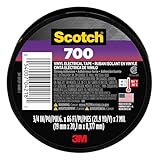
So, if cloth tape is generally a no-go for actual insulation, what should you be using? This is where the shiny, colorful rolls come in. When you head to the store, you want to be looking for tape that is explicitly labeled as ‘electrical tape.’ The most common and versatile type is vinyl electrical tape. This is your go-to for most household wiring jobs, splicing wires, and insulating connections. It’s flexible, it stretches, and it’s designed to create a strong, insulating barrier.
When you’re choosing vinyl electrical tape, pay attention to its rating. Good quality electrical tape should be able to withstand a decent amount of voltage. For household use, you’re typically looking for tape rated for at least 600 volts. You also want it to be temperature resistant. Electrical work can sometimes generate heat, so the tape shouldn’t become gummy or brittle under moderate temperature fluctuations. Look for labels that mention temperature ratings, often something like -18°C to 80°C (0°F to 176°F) or even higher.
Another important factor is adhesion. The adhesive needs to stick firmly to the wire and to itself when you overlap it. It shouldn’t peel or lose its grip over time, especially in humid or damp conditions. A good electrical tape will also have a certain level of stretch. This stretch allows you to wrap it around irregular shapes and create a tight, smooth layer of insulation. When you stretch it, it thins out and conforms, and the adhesive activates to create a solid bond. (See Also: Can Electrica Tape Catch On Fire )
Beyond vinyl, there are other specialized electrical tapes. Rubber tape, also known as splicing tape or insulating tape, is often used for higher voltage applications or for creating waterproof seals on connections. It’s not sticky itself; it fuses to itself through a process called vulcanization when you stretch and wrap it. This creates a monolithic insulating layer. Then there’s self-amalgamating tape, which is similar in principle to rubber tape but often made from different materials. It also bonds to itself to form a solid, waterproof, and insulating wrap. These are excellent for more demanding situations but are usually overkill for basic household wiring.
I once bought a cheap, no-name brand of electrical tape because it was a few dollars cheaper. Big mistake. The adhesive was weak, it didn’t stretch well, and it felt flimsy. After a few months, the connections I’d used it on started to look a bit loose and I had to re-do them with a reputable brand. It cost me more time and hassle than the initial savings were worth. The rule of thumb is: don’t skimp on electrical tape. Get a known brand, check the voltage and temperature ratings, and make sure it feels pliable and has a good tack to it.
Key Features of Good Electrical Tape
When buying electrical tape, look for:
- Explicit labeling: Must say ‘electrical tape’.
- Voltage rating: Typically 600V for general use.
- Temperature range: Suitable for expected environmental conditions.
- Flexibility and stretch: Allows for tight, conformable wrapping.
- Strong adhesive: Remains tacky and holds securely over time.
- Flame retardant: Should self-extinguish.
Here’s a quick rundown of common electrical tape types and their general suitability:
| Tape Type | Primary Use | Suitability for Basic Insulation | Notes |
|---|---|---|---|
| Vinyl Electrical Tape | General insulation, splicing, wire marking | Excellent | Flexible, good dielectric strength, common choice. |
| Rubber/Splicing Tape | High-voltage insulation, waterproofing splices | Excellent | Self-fusing, creates a solid dielectric barrier. |
| Self-Amalgamating Tape | Waterproofing, insulation for demanding environments | Excellent | Bonds to itself, creates a smooth, durable seal. |
| Friction Tape | Mechanical protection, bundling over insulation | Poor | Historically used, but not for primary insulation. Can absorb moisture. |
| Cloth Tape (Standard) | General repairs, bundling (non-electrical) | None | Not designed for electrical insulation, lacks dielectric strength. |
| Duct Tape | Temporary repairs, general use | None | Not an insulator, adhesive can degrade, can melt/burn. |
My verdict? Stick to vinyl for everyday tasks. If you’re dealing with something more serious, consult a professional or use rubber/self-amalgamating tape with confidence. Anything else is just asking for trouble.
Common Mistakes When Using Electrical Tape
I’ve seen people butcher electrical connections with tape, and it’s usually down to a few common blunders. The most obvious, and the one we’ve been dancing around, is using the wrong type of tape. Trying to insulate wires with duct tape, masking tape, or even standard cloth tape is a recipe for disaster. These tapes aren’t designed to stop electricity. They can degrade, melt, catch fire, or simply not provide enough of a barrier, leading to shorts, shocks, or fires. Remember my lamp cord incident? That was pure user error, grabbing the wrong tool for the job.
Another huge mistake is not preparing the wires properly before taping. You need to make sure the connection itself is sound. If you’re splicing wires, they should be securely joined with a connector like a wire nut or a crimp connector. Then, you tape over that secure connection. Taping a loose or poorly made connection won’t magically make it safe or reliable. The tape is there to insulate the already good connection, not to create one. I’ve seen folks just twist wires together and then wrap them sloppily with tape. That’s asking for trouble down the line.
Overlapping is also key, and people often mess this up. You need to overlap the tape by at least half its width with each turn. Start taping a little bit before the connection and extend a bit beyond it. This creates a continuous, smooth barrier. If you leave gaps or don’t overlap enough, you’re creating weak points where moisture can get in or current can find a way out. Think of it like tiling a bathroom floor; you need those tiles to overlap slightly to prevent water seeping underneath. Electrical tape works the same way.
Then there’s the issue of tension. You need to stretch the tape slightly as you wrap it. This helps it conform to the wire, activate the adhesive, and create a tight, smooth finish. If you don’t stretch it enough, it can be loose and prone to peeling off or snagging. Conversely, stretching it too much can cause it to break or lose its insulating properties. It’s a bit of a feel thing that comes with practice. I remember my first few attempts looked like a lumpy mess, all loose edges and wrinkles. It took me a while to figure out the right amount of pull.
Finally, and this is a big one: don’t assume one wrap is enough. For most standard wire connections, you’ll want at least two to three layers of tape, making sure each layer is well-overlapped. This provides a solid layer of insulation and mechanical protection. It’s cheap insurance. So, in short: use the right tape, make sure your connection is solid first, overlap generously, stretch it properly, and apply multiple layers.
The ‘good Enough’ Fallacy
The biggest mistake is thinking any tape is ‘good enough’ for electrical work. If it’s not rated for electrical insulation, it’s not good enough. The potential consequences – fire, shock, damage to equipment – are far too high to gamble with. Always use tape specifically designed and rated for electrical applications.
Real-World Use Cases and Practical Tips
Let’s talk about where you’ll actually find yourself needing electrical tape, and how to do it right. The most common scenario is repairing a frayed cord on a small appliance, like a lamp, a vacuum cleaner, or a toaster. If the insulation on the cord itself is damaged but the wires inside aren’t broken, you can often make a safe repair. First, unplug the appliance.
Then, carefully examine the damage. If the inner wires are exposed, you need to rejoin them securely with a wire nut or a crimp connector.
Once the wires are reconnected, use good quality vinyl electrical tape to insulate the connection. Wrap it snugly, overlapping each turn by at least half, and extend the tape a few inches onto the undamaged part of the cord on either side. Apply at least two or three full layers. (See Also: Can I Substitute Duct Tape For Electrical Tape )
Another common use is at junction boxes. When you’re connecting multiple wires together, you’ll use wire nuts, but often you’ll want to tape over the wire nut and the ends of the wires for added security and to prevent stray strands from coming loose. Again, use vinyl electrical tape, wrapping it tightly around the base of the wire nut and extending onto the wires. This adds a layer of protection and helps keep things tidy.
For outdoor extension cords, especially if they’re a bit older or have seen some wear, you might want to reinforce connections or wrap small nicks in the insulation. Here, using a good quality, weather-resistant vinyl electrical tape is key. You might even consider using rubber or self-amalgamating tape for a more solid, waterproof seal if the cord is exposed to significant moisture. Just make sure the underlying connection is already secure and insulated before applying the outer wrap.
Here are a few practical tips that have saved my bacon over the years:
- Keep it clean: Always make sure the wire surface you’re taping is clean, dry, and free of grease or dirt. This makes sure the adhesive sticks properly.
- Stretch it: As mentioned, give the tape a slight stretch as you wrap. This activates the adhesive and creates a tight, smooth surface.
- Overlap generously: Aim for at least a 50% overlap with each wrap. This is a must for a good seal.
- Go beyond the damage: Always extend the tape a few inches onto the undamaged insulation on either side of the repair.
- Multiple layers: Two to three layers is generally recommended for most common repairs.
- Store it properly: Keep your electrical tape in a cool, dry place. Heat can make the adhesive too soft, and cold can make it brittle.
- Test cautiously: After making a repair, plug in the appliance or turn on the circuit, but be ready to disconnect immediately if you notice any odd smells, sparks, or tingling.
I also learned a trick for making really neat wraps: try to keep the tape under constant, even tension. Try to wrap in one continuous motion, turning the wire as you go, rather than stopping and starting. It takes a bit of practice, but the result is a much smoother, more professional-looking wrap that’s less likely to peel or snag.
When to Call a Pro
If you’re dealing with anything more than a minor frayed cord on a low-voltage appliance, or if you’re unsure about your wiring, it’s always best to call a qualified electrician. Complex circuits, main panel work, or any situation where you feel out of your depth are best left to the professionals. Don’t let a tape repair be the reason for a dangerous situation.
The Faq: Can I Use Cloth Tape on Electrical Wires?
Is Cloth Tape Safe for Electrical Insulation?
Generally, no. Standard cloth tape is not designed for electrical insulation. It lacks the necessary dielectric strength, can absorb moisture, and its adhesive may degrade, making it an unsafe choice for protecting electrical wires. Only use tape specifically rated and labeled for electrical insulation.
Can I Use Friction Tape on Electrical Wires?
Friction tape has a history of use in electrical applications, often for mechanical protection over primary insulation. It offers some grip and moderate insulation but is not a substitute for modern vinyl electrical tape when primary insulation is required. It’s best reserved for bundling or reinforcement after proper insulation is in place.
What Kind of Tape Should I Use to Insulate Electrical Wires?
The best tape for insulating electrical wires is vinyl electrical tape. For higher voltage applications or waterproofing, rubber tape or self-amalgamating tape are also excellent choices. Always make sure the tape is specifically rated for electrical use.
Can I Use Duct Tape on Electrical Wires?
Absolutely not. Duct tape is not an electrical insulator. It can melt, catch fire, and its adhesive is not designed for long-term electrical applications. Using duct tape on electrical wires is extremely dangerous.
What Happens If I Use the Wrong Tape on Electrical Wires?
Using the wrong tape can lead to several dangerous outcomes, including short circuits, electrical shocks, equipment damage, and fires. The insulation can break down, allowing current to escape or moisture to enter, compromising the entire connection.
Final Verdict
So, after all is said and done, the question of whether you can use cloth tape on electrical wires boils down to this: usually, you shouldn’t, and here’s why. The vast majority of cloth tapes are simply not engineered to handle the demands of electrical insulation. They lack the dielectric strength, they’re often poor with moisture, and their adhesives can fail when you need them most. While there are niche applications for fabric-like tapes in bundling or mechanical protection over proper insulation, they are never a substitute for genuine electrical tape.
My own misadventures, like that tingling lamp cord, serve as a stark reminder that electricity demands respect and the right materials. It’s tempting to think you can get away with a quick fix using whatever’s handy, but when it comes to your safety and the integrity of your home or equipment, it’s just not worth the gamble. Investing a few dollars in proper vinyl electrical tape is one of the smartest, cheapest pieces of insurance you can buy for any DIY electrical task.
If you’re ever in doubt about a wiring repair, or if you’re dealing with anything beyond a simple frayed cord on a small appliance, please do yourself a favor and call a qualified electrician. They have the knowledge and the right tools to get the job done safely and correctly. And remember, for those times you do need to tape it up yourself, reach for the roll that says ‘electrical tape’ – your wires, and your peace of mind, will thank you. So, can I use cloth tape on electrical wires? The answer is a firm ‘no’ for insulation purposes.