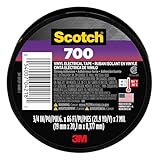
I remember staring at a mess of wires after a botched DIY project. Sparks were definitely not part of the plan. I needed something, anything, to insulate and hold it all together. My toolbox was overflowing with electrical tape, the ubiquitous black stuff. But I’d heard whispers about this ‘Kapton tape’ for electronics. The burning question in my mind was: can I use electrical tape instead of Kapton tape for delicate jobs?
It’s a question many of us face when tinkering. You’re elbow-deep in a project, and the specific tape you should have is nowhere to be found. So, you grab what’s handy. But is ‘handy’ actually the right choice? Let’s cut through the noise.
The Blindingly Obvious Differences (and Why They Matter)
Look, let’s get this straight from the jump: electrical tape and Kapton tape are not interchangeable. They’re both tapes, sure, and they both do some insulating.
But using electrical tape when you should be using Kapton tape is like trying to use a sledgehammer to hang a picture frame. You might get it done, but you’re way more likely to cause damage than achieve anything useful.
I learned this the hard way, trying to shield some sensitive components on a custom drone build. I figured the black electrical tape was good enough. Big mistake. The heat from the motors and the sheer vibration fried some of the tiny solder joints because the electrical tape wasn’t designed for that kind of thermal stress.
It melted and lost its adhesive properties, leaving exposed wires.
The fundamental difference lies in their construction and intended purpose. Electrical tape, the common vinyl stuff you buy at any hardware store, is designed for general-purpose wire insulation in household and some automotive applications. Think splicing wires behind a wall outlet or bundling cables in your car’s engine bay. It offers decent dielectric strength (its ability to withstand electrical voltage) for its price point, usually around 1000 volts. It’s flexible, stretches well, and adheres to itself nicely, which is great for creating a secure wrap. The adhesion is rubber-based, which is okay for moderate temperatures, but it can get gummy or brittle when things heat up or cool down significantly.
Kapton tape, on the other hand, is a polyimide film tape. Its claim to fame is its incredible thermal stability.
We’re talking about it handling temperatures from cryogenic lows up to about 500°F (260°C) continuously, and even higher for short bursts. This is why it’s the go-to for electronics, especially in high-temperature environments like 3D printer beds, soldering applications, and even in aerospace.
The adhesive on Kapton tape is typically a silicone-based adhesive, which is also important for its high-temperature performance and leaves minimal residue, a massive plus when you’re working with delicate PCBs. The dielectric strength is also generally higher than standard electrical tape, often in the 5,000 to 7,500-volt range, making it far superior for protecting sensitive electronics from voltage spikes or shorts.
So, when someone asks if you can use electrical tape instead of Kapton tape, the immediate, blunt answer is: for anything involving significant heat or delicate electronics, no, you absolutely cannot. You’re risking damage, fire, or simply a project that doesn’t work. It’s not a matter of ‘might,’ it’s a matter of ‘when.’ The common advice you’ll find online often glosses over these important distinctions, focusing on the ‘tape’ aspect rather than the ‘what kind of tape’ aspect.
When ‘close Enough’ Is Just Plain Wrong
The temptation to substitute is strong, I get it. You’re in the zone, you’ve got that one stubborn wire that needs covering right now, and the black roll is right there. But let’s talk about the real-world consequences.
I had a buddy who was building a custom rig for his gaming PC. He was running some extra LED strips and needed to secure some power leads. He used regular electrical tape to wrap a few connections near the GPU. A few weeks later, his PC started acting up. (See Also: Can I Use Electrical Tape To Connect Wires )
Turns out, the heat from the GPU had caused the electrical tape’s adhesive to soften, making it ooze and eventually short out a couple of minor traces on a small adapter board. It wasn’t a catastrophic failure, but it caused intermittent issues that took him days to diagnose. He spent more time troubleshooting that cheap tape than he would have spent ordering the right stuff.
This isn’t just about high-end electronics, either. Think about a simple soldering job. When you’re soldering, the iron tip can get incredibly hot – easily exceeding the limits of standard electrical tape. If you’re using electrical tape to temporarily hold wires together while you solder, or to insulate a joint before you’ve fully soldered it, you’re asking for trouble. The tape can melt, smoke, and contaminate your solder joint. Kapton tape, with its high-temperature resistance, is perfect for this. You can even use it to mask off areas you don’t want to solder. It stays put, doesn’t melt, and peels off cleanly.
Another area where electrical tape falls short is its UV resistance and its performance in extreme cold. If your project is going to be exposed to sunlight or very low temperatures, standard electrical tape can become brittle, crack, and lose its adhesion. Kapton tape, while not necessarily UV-stabilized, generally holds up much better across a wider temperature range. This is why you see it used in applications ranging from space probes to outdoor electronics enclosures.
The core issue is that electrical tape is designed for low-voltage, moderate-temperature environments where flexibility and cost are primary concerns. Kapton tape is engineered for high-voltage, high-temperature applications where reliability and performance under stress are most important. When you try to use electrical tape in the latter scenario, you’re basically ignoring the design specifications and hoping for the best. And as my friend learned, hoping for the best is a terrible strategy when working with electricity and heat.
Why Everyone Says Kapton for Electronics
The consensus in the electronics community isn’t arbitrary. It’s built on countless hours of trial and error, and yes, a lot of blown circuits and wasted components. Kapton tape’s ability to withstand the heat generated by soldering irons, hot air rework stations, and operational electronic components is its primary draw. Furthermore, its silicone adhesive is designed to remain stable at high temperatures, unlike the rubber-based adhesives found on most electrical tapes, which can degrade, become sticky, or even carbonize under heat.
This high-temperature stability, combined with good dielectric properties, makes it the safe and reliable choice for protecting sensitive circuits and components. It’s also less likely to leave a sticky, difficult-to-remove residue once the job is done, which is a huge advantage when you’re working with precision electronics.
The Actual Use Cases: Where Each Tape Shines
Let’s break down where each tape actually belongs. This isn’t about what can work in a pinch, but what is designed to work and will give you the best results and reliability. Think of it as tool selection. You wouldn’t use a dull knife to carve intricate details, and you shouldn’t use general-purpose tape for specialized electrical tasks.
Electrical Tape (Standard Vinyl Type):
This is your workhorse for basic electrical insulation in non-important environments. Where does it shine?
- Household Wiring: Splicing standard household electrical wires (low voltage, moderate heat).
- Cord Bundling: Keeping bundles of wires tidy behind your TV or computer.
- Temporary Fixes: For non-important, low-voltage applications where a bit of insulation is needed quickly.
- Automotive Wiring: Protecting splices in areas that don’t experience extreme heat cycles.
- General Insulation: For any application where the voltage is under 600V and temperatures stay relatively moderate (below 176°F or 80°C).
The key here is ‘moderate.’ If you’re not dealing with significant heat, high voltage, or demanding environmental conditions, electrical tape is often sufficient and significantly cheaper.
Kapton Tape (Polyimide Film Tape):
This is the specialist’s choice, designed for environments where standard tapes fail. Its applications are more niche but important: (See Also: Can Electrica Tape Catch On Fire )
- Soldering and Desoldering: Masking off components during rework, protecting PCBs from heat.
- 3D Printing: As a build surface or for securing build plates (especially on heated beds).
- High-Temperature Insulation: Wrapping heating elements, motor windings, or any component that generates significant heat.
- Electronics Manufacturing: Used extensively in the assembly of circuit boards and electronic devices.
- Aerospace and Automotive: For insulation in high-heat environments or where chemical resistance is needed.
- Shielding: Its properties make it suitable for shielding sensitive electronic components from electromagnetic interference in some cases.
The common thread here is heat, high voltage, and precision. If your project involves either of these, you’re in Kapton tape territory. Trying to cut corners with electrical tape in these situations is a recipe for failure.
What to Look for in a High-Temp Tape
When you’re looking for a Kapton alternative or simply a good high-temperature tape for electronics, don’t just grab the cheapest roll that looks like Kapton. Here’s what to pay attention to:
- Material: It should be polyimide film. This is the defining characteristic.
- Adhesive Type: Silicone-based adhesives are generally best for high-temperature applications as they resist degradation and carbonization.
- Temperature Rating: Check the maximum continuous and short-term temperature ratings. For most electronics work, you’ll want something that can handle at least 300°F (150°C) continuously, and ideally much higher.
- Dielectric Strength: This is how well it insulates against voltage. Higher is better for electronics. Look for ratings above 4,000V.
- Thickness: Thicker tapes offer more insulation but can be less flexible. Standard Kapton is usually around 1-3 mil thick.
- Brand Reputation: While generic brands exist, established brands often have more consistent quality control.
This detailed look clarifies that it’s not just about insulation, but about insulation under specific conditions. Electrical tape is for the everyday; Kapton tape is for the demanding.
Common Mistakes and How to Avoid Them
So, we’ve established that using electrical tape when Kapton is needed is a bad idea. But there are other pitfalls to watch out for, even when you are using the right tape. I’ve seen people go through rolls of Kapton tape without realizing they’re buying the wrong kind of Kapton, or using it incorrectly. That’s wasted money and frustration.
One common mistake is assuming all ‘Kapton-like’ tapes are the same. You’ll see gold-colored tapes that look similar, often marketed for 3D printers. While some of these are polyimide films, the quality of the film and, more importantly, the adhesive can vary wildly. I bought a cheap, no-name brand roll once for a heat-sensitive component on a circuit board. It worked okay for a bit, but after a few heat cycles, the adhesive started to creep, leaving a sticky residue that was a nightmare to clean off. It also didn’t adhere as strongly as I expected. Lesson learned: sometimes paying a little extra for a reputable brand, like 3M or a known electronics supplier, is worth it to avoid headaches.
Another frequent error is in application. People often wrap electrical tape too tightly, or not tightly enough. For electrical tape, wrapping it too tightly can cause it to stretch thin and potentially break its insulation. Not wrapping it tightly enough means there are gaps where moisture or conductive dust could get in, compromising the insulation. With Kapton, the goal is often a smooth, uniform wrap. Overlapping by about 50% is usually recommended for good adhesion and continuity. Don’t just slap it on haphazardly; take a moment to make sure a clean, consistent application.
Contrarian opinion time: Some people insist on using multiple layers of standard electrical tape to “build up” insulation for higher voltages. I disagree with this approach for anything remotely important. While layering might increase the physical thickness, it also introduces more interfaces between layers. Each interface is a potential point of failure, a place where moisture can wick in, or where the adhesive might break down differently. A single layer of a tape specifically rated for the required voltage and temperature is almost always superior to multiple layers of a less capable tape. It’s about the material properties, not just the thickness.
A classic mistake I’ve seen, particularly with 3D printing and Kapton tape, is not cleaning the surface properly before applying. If there’s any grease, dust, or old adhesive residue on the build plate or the components you’re taping, the tape won’t adhere well. This leads to lifting, warping, and failed prints. A good clean with isopropyl alcohol (IPA) before application is a must. Similarly, when removing Kapton tape, especially after it’s been subjected to heat, sometimes the adhesive can be stubborn. Using a bit of gentle heat (like from a hairdryer on a low setting) or a specialized adhesive remover can help, but always test in an inconspicuous spot first.
When to Consider Alternatives
While Kapton tape is the gold standard for many high-temp electronics applications, it’s not the only option. Sometimes, depending on the specific requirements, other tapes might be more suitable or cost-effective.
For instance, if you need extreme chemical resistance in addition to high heat, a PTFE (Teflon) tape might be better. If you’re dealing with very high voltages and need superior dielectric strength, a specialized fiberglass tape with a silicone or high-temperature acrylic adhesive might be considered.
However, for general-purpose high-temperature insulation and masking in electronics, Kapton remains a top performer due to its balance of properties and reasonable cost for its capability. Always consult the specific requirements of your project and the manufacturer’s datasheets for the tapes you are considering.
Comparing the Contenders: A Practical Verdict
To make things crystal clear, let’s put these two head-to-head in a way that matters for your workshop. This isn’t just about specs on paper; it’s about how they perform when you’re actually using them. (See Also: Can I Substitute Duct Tape For Electrical Tape )
Here’s a quick comparison:
| Feature | Standard Electrical Tape | Kapton Tape (Polyimide) | Verdict |
|---|---|---|---|
| Primary Use | General wire insulation, bundling | High-temp insulation, soldering mask, electronics | Kapton wins for electronics |
| Max Temp (Continuous) | ~176°F (80°C) | ~500°F (260°C) | Kapton by a landslide |
| Dielectric Strength | ~1000V | ~5000-7500V | Kapton is significantly better |
| Adhesive Type | Rubber-based | Silicone-based | Silicone is better for heat |
| Residue after Heat | Can get gummy/messy | Generally minimal, clean removal | Kapton is cleaner |
| Flexibility | Very good, stretches well | Good, but can be stiffer | Electrical tape is more pliable |
| UV Resistance | Poor | Moderate to Poor (depends on brand) | Neither is ideal for direct sun long-term |
| Cost (per roll) | Very low ($2-$5) | Moderate ($8-$20+) | Electrical tape is cheaper |
| Best For | Household wires, cord management | Soldering, 3D printers, hot components, PCBs | Kapton is the clear winner for heat/electronics |
This table really drives home the point. If your project involves anything that gets hot – and electronics do get hot, even your phone or laptop – then electrical tape is simply not up to the task. The temptation to save a few bucks is understandable, but the potential cost of damaging your electronics, or worse, creating a fire hazard, far outweighs the savings. I’ve seen too many shoddy repairs that failed because someone opted for the cheap, wrong tape. It’s a false economy.
A Few Practical Tips for Using High-Temp Tapes
Once you’ve decided to go with Kapton tape (or a similar high-temperature polyimide tape), here are a few things I’ve picked up that make the job easier and more effective. These are the kind of practical, hands-on tips that you don’t always find in the product descriptions.
- Cut, Don’t Tear: While Kapton tape is strong, tearing it can result in jagged edges that might not seal properly or could leave small fibers. Use sharp scissors or a craft knife for clean cuts. This is especially important when you need precise lengths for masking or insulating small components.
- Clean Surfaces are Key: I mentioned this before, but it bears repeating. Before applying any high-temperature tape, especially Kapton, make sure the surface is free of dust, oil, and old adhesive. Isopropyl alcohol (90% or higher) is your best friend here. Let the surface dry completely before applying the tape.
- Apply with Moderate Tension: You want the tape to conform to the surface without stretching too much. Stretching can thin out the tape, reducing its insulating properties, and can also cause it to lose adhesion or snap. Apply with gentle, consistent tension.
- Overlap Generously: When wrapping wires or components, aim for at least a 50% overlap with each turn. This makes sure a continuous insulating barrier without gaps. For important applications, you might even go for more overlap.
- Smooth Out Bubbles: As you apply the tape, use your finger or a small squeegee tool to press out any air bubbles. Trapped air can reduce adhesion and create weak spots.
- Consider the Color: Kapton tape typically comes in amber/brown. However, you can also find it in clear or black. The amber color can sometimes make it easier to see solder joints or trace lines underneath, which is helpful during assembly and repair. Black can be good for aesthetic reasons or if UV resistance is a minor concern (though it’s not a primary UV-blocking tape).
- Storage Matters: Store your Kapton tape in a cool, dry place, away from direct sunlight and excessive heat. This will help preserve the adhesive’s tackiness and the film’s integrity. Don’t leave rolls sitting in a hot car or a sunny windowsill.
These aren’t rocket science, but they make a difference between a job done and a job done right. The goal is always a clean, secure, and reliably insulated connection that will stand the test of time and temperature.
People Also Ask:
Can Electrical Tape Be Used as a Substitute for Kapton Tape?
No, not for applications involving significant heat or delicate electronics. Electrical tape has a much lower temperature tolerance and can melt or degrade, compromising insulation and potentially causing damage or fire hazards. Kapton tape is specifically designed for high-temperature environments commonly found in electronics work, offering superior thermal stability and dielectric strength.
What Can I Use If I Don’t Have Kapton Tape?
If you absolutely cannot get Kapton tape and the application involves high heat or important electronics, it’s best to pause your project until you can acquire the correct tape. If the situation is less important and involves moderate temperatures, a high-quality vinyl electrical tape might suffice for temporary insulation, but it’s not a true substitute. For specific high-temp needs, consider other specialized tapes like fiberglass tape with a silicone adhesive, but always check the temperature and voltage ratings carefully.
Is Kapton Tape Really That Good for Soldering?
Yes, Kapton tape is excellent for soldering applications. Its ability to withstand the high heat of a soldering iron and hot air rework stations makes it ideal for masking off components you don’t want to heat or for protecting sensitive areas of a PCB. It doesn’t melt or leave significant residue, making cleanup easy and making sure clean solder joints. It’s a staple in electronics repair and manufacturing for this reason.
Why Is Kapton Tape Gold/brown?
The amber or brown color of Kapton tape comes from the polyimide film itself. Polyimide is inherently yellow or amber. While it’s available in other colors like black or clear, the traditional gold/brown is the most common and is a good indicator that you’re getting genuine polyimide film. The color does not affect its performance properties.
Verdict
So, to cut to the chase: can I use electrical tape instead of Kapton tape? For most jobs where Kapton tape is recommended – think anything involving heat, soldering, or delicate electronics – the answer is a resounding no. You’re asking for trouble, and you’ll likely end up with a bigger mess and more expensive repairs down the line.
Electrical tape has its place, and it’s usually for simpler, lower-temperature wiring tasks. Trying to make it do Kapton’s job is like trying to use a spoon to dig a foundation. It’s the wrong tool for the job, plain and simple. Trust the specialized tapes when you need them. Your projects, your components, and your peace of mind will thank you.
The next time you’re in doubt, take a moment to consider the temperature and voltage requirements. If they’re even slightly above average for household wiring, reach for the polyimide tape. It’s an investment that pays off in reliability.