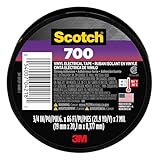
I remember standing there in my buddy’s garage, staring at a mess of wires dangling from his dashboard. He’d pulled a fuse that shouldn’t have been pulled, and now his radio and power windows were on the fritz. His solution? A roll of black electrical tape he’d grabbed from the kitchen drawer. I cringed. We’ve all been there, faced with a quick fix and a limited toolkit, wondering if that roll of black tape could be the magic bullet.
So, can I use electrical tape on my car? It’s a question that pops up more often than you’d think, especially when you’re staring at a frayed wire or a loose bit of trim. The honest answer is… it depends. And usually, the answer is a resounding ‘no,’ at least for anything important.
When It Seems Like a Good Idea (but Probably Isn’t)
Look, I get it. You’ve got a wire insulation that’s cracked and showing bare copper. Or maybe a vacuum line has a small split. The temptation to just wrap it up with some electrical tape is huge. It’s cheap, it’s everywhere, and it’s sticky. My first instinct, years ago, was always to reach for it. I’d see it on TV, DIY shows, and think, ‘Easy fix!’
I once had a stubborn headlight connector that kept vibrating loose on my old Civic. The plastic clip had snapped, and the connector just wouldn’t seat properly. I figured, ‘A little tape will hold it tight.’ So, I wrapped it snugly, thinking I’d solved the problem for good. The next morning? Foggy headlight. The vibration had worked the tape loose, and moisture got in. It was a mess, and I ended up having to buy a whole new headlight assembly because the connector corroded. Lesson learned the hard way: ‘temporary’ fixes often become permanent headaches.
The core problem is that electrical tape, the standard vinyl kind, isn’t designed for the harsh environment under a car’s hood or even in the cabin. We’re talking about extreme temperature swings – think freezing cold winters and baking hot summers. We’re talking about exposure to oil, grease, gasoline, brake fluid, and road salt. Standard electrical tape degrades rapidly under these conditions. It can become brittle and crack, lose its stickiness, or even melt and turn into a gummy residue.
When people ask if they can use electrical tape on their car, they’re often thinking about insulating wires. And yes, for a very, very temporary, low-voltage, absolutely non-important wire repair inside the cabin, where it’s dry and won’t be stressed, it might hold for a short while. But it’s always a gamble.
The adhesive can fail, the tape itself can dry out and split, leaving exposed wires. And exposed wires are a fire hazard or can cause short circuits, which are infinitely more expensive to fix than doing the job right the first time.
There are specialized tapes for automotive use, and they exist for a reason. They’re formulated to withstand the abuse. Using the wrong tape is like using a kitchen knife to cut down a tree – it might make a tiny dent, but it’s the wrong tool for the job and you’ll end up frustrated and with a bigger problem.
What Electrical Tape Actually Is (and Why It Fails on Cars)
Let’s get down to brass tacks. Standard electrical tape is typically made of vinyl (PVC) with a rubber-based adhesive. Its primary job is to insulate low-voltage wires and prevent accidental contact between conductors. It’s designed for indoor use, in relatively stable temperature environments, and away from chemical exposure. Think inside your house wiring, or on a lamp cord. (See Also: Can Duct Tape Be Used On Electrical Cords )
The common advice you’ll find online is that it’s okay for quick fixes. I disagree. Violently. Why? Because ‘quick fixes’ on cars rarely stay quick or fix things permanently. They tend to unravel, degrade, or fail at the most inconvenient time, like during a rainstorm on a dark highway. I once had a buddy try to use electrical tape to secure a loose exhaust hanger bracket. It lasted about two miles before the heat and vibration turned it into a gooey, smoking mess. The bracket then fell off completely, dragging the exhaust pipe behind his truck like a sad, metallic tail.
The PVC itself has a decent dielectric strength, meaning it’s a good insulator for electrical current. That’s its main selling point. But that’s only half the story. The adhesive is often the weak link. It’s usually a pressure-sensitive adhesive that relies on tackiness to stick. While it might stick well to itself and to clean, dry surfaces initially, it’s not formulated for:
- Temperature Extremes: In freezing temps, it can become brittle and crack. In extreme heat (like under the hood or near the engine), it can soften, lose its adhesion, and even melt, leaving a sticky residue that’s a nightmare to clean up.
- Chemical Exposure: Engine bays are swimming pools of automotive fluids – oil, grease, coolant, brake fluid, power steering fluid. These chemicals will break down the adhesive and the vinyl backing of standard electrical tape in no time.
- UV Exposure: If any part of the tape is exposed to sunlight, even through a window, UV radiation will degrade the plastic, making it brittle and chalky.
- Mechanical Stress: Under the hood, things vibrate. Wires are often pulled, flexed, or rubbed. Electrical tape isn’t mechanically strong enough to withstand this constant stress; it will stretch, tear, or peel away.
So, while it is an electrical insulator, its suitability for automotive applications is severely limited by the demanding environment. It’s like trying to use a silk scarf to protect yourself from a blizzard. It might cover you for a second, but it’s not going to do the job when it counts.
What to Look for Instead: Real Automotive Tapes
Okay, so if standard electrical tape is out, what should you use? This is where people get confused. There are a bunch of tapes out there, and they all look pretty similar. But trust me, they’re not.
For electrical work on your car, you’re looking for tapes specifically designed for automotive use. These tapes have different formulations for their backing and adhesive. The most common and generally best all-around option is 3M Super 33+ Vinyl Electrical Tape or its slightly tougher sibling, 3M Super 88 Vinyl Electrical Tape. These are industrial-grade vinyl tapes, but they are still vinyl. They offer better flexibility, higher temperature resistance, and better adhesion than your average bargain-bin tape. They’re still not ideal for direct exposure to oil or extreme heat, but they’re a massive step up for insulating and bundling wires in less demanding areas of the car, like inside the cabin or behind the dash.
However, for really demanding applications, especially under the hood or where heat and chemicals are a concern, you need something tougher. This is where 3M High-Temperature Automotive Tape (often called specialty vinyl tape) or 3M Temflex 1700 Tape comes in. These are specifically formulated to handle higher temperatures and offer better resistance to oils and fuels. They’re thicker, more solid, and have a more aggressive adhesive.
Another fantastic option is friction tape. It’s a cloth tape, usually cotton, treated with a rubber-based adhesive. It’s not primarily an electrical insulator (though it offers some), but it’s incredibly strong, abrasion-resistant, and great for bundling wires, securing hoses, or even wrapping exhaust pipe heat shields. It’s a favorite among mechanics for its durability and ability to conform to shapes. I’ve used rolls of good quality friction tape to re-wrap entire wiring harnesses that were looking sad and frayed. It holds up way better than vinyl tape against abrasion.
Then there’s self-fusing silicone tape. This stuff is amazing. It’s not sticky in the traditional sense. You stretch it as you wrap it, and it fuses to itself, creating a solid, waterproof, and electrically insulating layer. It’s fantastic for sealing off connections that might get wet, or for adding a layer of protection to wires in high-vibration areas. It can handle pretty high temperatures too. (See Also: Can Electrical Tape Be Used As An Insulator )
Finally, for things like exhaust wrap or protecting heat-sensitive areas, you’d look at fiberglass heat tape or aluminum foil tape. These are for thermal protection, not electrical insulation or wire bundling in the same way. Each tape has its purpose, and you really need to match the tape to the application. Using the wrong one is just asking for trouble down the road.
Common Mistakes When Using Tape (and How to Avoid Them)
I’ve seen people make tape mistakes that would make a professional mechanic weep. It’s not just about picking the right tape; it’s how you use it. Here are some blunders I’ve witnessed or, ahem, made myself in my younger, less wise days:
- Using the Wrong Tape: This is the big one. As we’ve discussed, standard electrical tape is often the wrong choice for automotive applications. It degrades too quickly.
- Not Cleaning Surfaces: If you’re trying to secure something with tape, or seal a connection, the surface needs to be clean, dry, and free of grease, oil, or dirt. This is especially true if you’re trying to patch a hose or secure a loose trim piece. Any contamination will prevent the adhesive from bonding properly.
- Stretching Too Much (or Not Enough): With self-fusing silicone tape, you must stretch it as you wrap to achieve fusion. If you don’t stretch it enough, it won’t bond. With vinyl tape, you want a snug wrap, but you don’t want to stretch it so much that it’s pulling apart, as this weakens it.
- Poor Overlap: When wrapping wires or making repairs, you need adequate overlap with your tape. A common mistake is not overlapping enough, leaving gaps where moisture or dirt can get in, or where the tape can start to peel. A good rule of thumb is at least 50% overlap.
- Not Sealing Ends Properly: Even with good overlap, the ends of your tape job can be vulnerable. For electrical connections, it’s important that the tape is wrapped past the bare wire and sealed securely. Sometimes a wrap of self-fusing tape over the end of a vinyl tape job provides extra security.
- Ignoring the Root Cause: This is the biggest mistake of all. Tape is almost always a symptom management tool, not a cure. A frayed wire needs to be repaired or replaced, not just taped. A loose bracket needs to be bolted or welded, not just taped. Relying on tape to hold important components together is dangerous and foolish. I’ve seen people tape up cracked plastic fluid reservoirs. Big mistake.
The best way to avoid these mistakes is to understand what the tape is supposed to do and to use the correct type for the job. Always try to identify why something has failed. If a wire insulation is cracked, why did it crack? Was it heat? Abrasion? Age? Understanding the cause will help you choose the right repair method, whether it involves tape or something more substantial.
Real-World Uses: When Tape Actually Works (safely)
Okay, so I’ve trashed standard electrical tape pretty hard, and for good reason. But are there any situations where it’s actually okay to use on a car? The answer is a qualified ‘yes,’ but you have to be extremely picky about the application.
The safest bet is for interior, low-voltage, non-important wiring that isn’t exposed to heat, moisture, or significant vibration. Think about the wiring behind your dashboard for aftermarket accessories like a stereo or a dashcam. If a wire’s insulation is slightly scuffed, and you just need to add a bit more insulation to prevent it from shorting against another wire, a good quality vinyl electrical tape (like the 3M Super 33+ I mentioned) can work. The key here is that it’s protected from the elements and won’t be subjected to much movement or stress.
Another occasional use is temporary bundling of interior wiring harnesses. If you’ve got a few wires that need to be kept tidy while you’re working, a few wraps of electrical tape can do the trick, as long as they’re not going to be moved around a lot or exposed to anything nasty. I’ve even used it to hold a small harness together while I’m routing it, knowing I’ll eventually secure it with zip ties or proper loom.
Here’s a situation where I found it acceptable: I was installing a new head unit in my old Jeep. The wiring harness adapter I bought had some slightly exposed wire ends on one side, and the connector pins on the other were a bit flimsy. I didn’t have my good crimp connectors handy, so I used a small piece of high-quality electrical tape to add a bit of insulation and reinforcement to each individual wire splice before I put the main harness wrap over it. This was inside the dash, dry, stable, and the main harness wrap provided the bulk of the protection. It wasn’t the ideal repair, but it was acceptable for the situation and much better than leaving bare wire exposed.
What about exterior trim? Some people use electrical tape to hold a loose piece of plastic trim in place temporarily. Again, this is a bad idea. The tape will likely peel off, leave residue, and make the problem look worse. A better temporary fix might be some strong double-sided automotive tape, or even a strategically placed zip tie if it’s not visible. For anything exterior, standard electrical tape is going to fail due to UV, heat, and moisture. (See Also: Can Electrical Tape Handle Heat )
What about hoses? Never, ever use electrical tape on vacuum lines or coolant hoses. They are under pressure, exposed to heat and chemicals, and tape will fail catastrophically. You need proper hose clamps and, if the hose itself is damaged, replacement is the only safe option. I saw a guy once try to tape a radiator hose. It burst within 15 minutes, dumping all his coolant and causing his engine to overheat. Cost him a tow truck and a new radiator.
So, the rule of thumb is: if it’s inside, dry, protected, low-voltage, and not under stress, maybe. For anything else, especially under the hood, on the exterior, or involving pressure/heat, reach for the proper automotive-specific products. It will save you time, money, and headaches in the long run. It’s about respecting the environment your car operates in.
The Faq: Answering Your Burning Tape Questions
Is Electrical Tape Waterproof?
Standard electrical tape is water-resistant, not waterproof. While it can offer some protection against moisture for a short time, it’s not designed to create a permanent, watertight seal. Water can eventually seep through, especially if the tape is stretched too thin, has gaps, or the adhesive breaks down. For truly waterproof sealing, you’d need specialized tapes like self-fusing silicone tape or certain types of mastic tape.
Can I Use Electrical Tape to Fix a Broken Car Antenna?
For a broken car antenna, using electrical tape is generally a bad idea. Antennas are exposed to the elements, including rain, sun, and temperature fluctuations, which will degrade standard electrical tape quickly. The tape won’t provide a durable or reliable fix, and it might even interfere with the antenna’s reception. It’s better to replace the antenna or repair it with more appropriate materials if possible.
How Long Does Electrical Tape Last on a Car?
The lifespan of electrical tape on a car varies wildly depending on the type of tape and where it’s used. Standard vinyl electrical tape used in a protected interior location might last a few months to a year if it’s not subjected to much stress. However, if used under the hood, exposed to heat, oil, or UV rays, it can fail within weeks or even days. Specialized automotive tapes will last significantly longer, but even they have a lifespan and should be inspected periodically.
What’s the Difference Between Electrical Tape and Duct Tape for Car Repairs?
Electrical tape is primarily designed for insulating low-voltage wires, made from vinyl with a specific adhesive. Duct tape, on the other hand, is a general-purpose adhesive tape with a fabric backing and strong adhesive, designed for sealing, holding, and reinforcing. Neither is ideal for most automotive repairs. Duct tape’s adhesive can leave a sticky residue, it’s not very resistant to heat or chemicals, and it doesn’t offer electrical insulation. Electrical tape fails due to heat, UV, and chemicals. For car repairs, specialized automotive tapes or other fixings are almost always superior.
Can I Use Electrical Tape on My Car for Wire Bundling?
Wire bundling is one of those areas where the lines blur slightly, but generally, for long-term, solid wire bundling on a car, especially in high-vibration or high-heat areas, standard electrical tape is not the best choice. Its adhesive can degrade, and the vinyl can become brittle. While it might work as a very temporary solution inside the cabin where conditions are stable, it’s far better to use proper wire loom, zip ties, or specialized automotive harness tape. These materials are designed to withstand the rigors of the automotive environment, preventing chafing and keeping bundles secure over the long haul. I’ve seen too many electrical tape bundles unravel and cause shorts or grounding issues to recommend it for anything but the most temporary, non-important interior applications.
Final Verdict
So, to circle back to the original question: can I use electrical tape on my car? The short, blunt answer is: usually not, and certainly not for anything important. While it might seem like a quick fix for a frayed wire or a loose bit of trim, the harsh automotive environment – with its extreme temperatures, exposure to oils and chemicals, and constant vibration – will break down standard electrical tape faster than you can say ‘short circuit’.
My own experiences, from foggy headlights to gooey messes on exhaust components, have taught me that saving a few bucks on the wrong tape is a false economy. You’ll inevitably end up spending more time and money fixing the damage it causes. It’s worth investing in proper automotive-grade tapes like 3M’s specialty vinyl or silicone tapes, or even good old-fashioned friction tape, for any repairs that need to last.
Next time you’re tempted to reach for that roll of black tape, pause for a second. Ask yourself if the stakes are high. If the answer is anything more than ‘not at all,’ put the electrical tape back and grab the right tool for the job. Your car (and your sanity) will thank you for it.