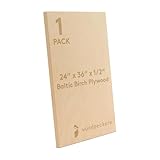
I remember the first time I tried to build a custom enclosure for my bearded dragon. I’d seen all these slick online builds using plywood, looking all professional and sturdy. So, I grabbed some of the cheapest stuff I could find, slapped it together, and thought I was golden. Fast forward a week, and my poor guy was acting sluggish, his appetite gone. I couldn’t figure it out until I started digging, and that’s when I learned about the nasty stuff lurking in plywood. It made me wonder, are plywood fumes toxic reptiles?
The short answer is, yeah, they can be. And if you’re building a home for your scaly friend, this is something you absolutely need to understand. It’s not just about aesthetics; it’s about their health. I learned this the hard way, and I’m here to tell you what I found out, so you don’t waste money or worse, risk your pet’s well-being.
The Nasty Chemicals Hiding in Your Plywood Build
Let’s get down to brass tacks. Plywood, that ubiquitous building material, is made by layering thin sheets of wood veneer together with adhesives. Those adhesives are the main culprits when we talk about fumes. Most commonly, you’re dealing with formaldehyde-based resins, like urea-formaldehyde (UF) or phenol-formaldehyde (PF). These are cheap, effective binders, but they off-gas volatile organic compounds (VOCs), with formaldehyde being the big one.
Formaldehyde is a colorless gas with a pungent odor. It’s a known irritant and a probable human carcinogen. For us humans, prolonged exposure in a poorly ventilated space can lead to headaches, nausea, watery eyes, and respiratory problems. For reptiles, who have much more sensitive respiratory systems and spend their entire lives in their enclosure, the stakes are significantly higher.
They’re basically breathing this stuff in 24/7. I’ve seen firsthand how a seemingly inert material can cause real health issues.
My gecko, who used to be super active, became lethargic and refused food for days after I’d used a standard piece of plywood for a background feature. It took me ages to pinpoint the cause, and once I ripped out the offending piece and aired the tank out for weeks, she perked right up.
The type and quality of plywood matter a lot. Construction-grade plywood, the cheap stuff you find at any big box store, is almost always going to be the worst offender. It’s designed for framing walls, not for housing sensitive animals. It’s often packed with the maximum amount of adhesive to keep it sturdy for its intended purpose. Even “interior” grade plywood can still release concerning levels of VOCs, especially when new and unsealed. The sheer density of the material means there’s a lot of surface area for those fumes to emanate from.
Thinking about building an enclosure and just slapping some plywood together? Big mistake. You’re not just creating a home; you’re potentially creating a toxic gas chamber. The off-gassing isn’t a quick, one-time event. It can continue for months, even years, depending on the product and environmental conditions like temperature and humidity. So, when I see people recommending basic plywood for reptile enclosures without a second thought, it makes my blood boil. It’s negligent.
Choosing Safer Plywood Alternatives for Your Reptile’s Habitat
Okay, so not all plywood is created equal, and you’re probably wondering what’s safe. The good news is, there are options. The key is to look for plywood that has been specifically manufactured to reduce or eliminate formaldehyde emissions. This is where labels like “NAUF” (No Added Urea-Formaldehyde) and “ULEF” (Ultra-Low Emitting Formaldehyde) become your best friends. These certifications mean the manufacturer has gone to great lengths to use adhesives that don’t contain urea-formaldehyde or have significantly reduced the overall formaldehyde content.
Another term you might see is CARB Phase II compliant. The California Air Resources Board (CARB) has set strict limits on formaldehyde emissions for composite wood products sold in California, and these standards have become a de facto national benchmark. So, if a plywood product meets CARB Phase II standards, it’s a pretty good indicator that it’s a safer bet. (See Also: Are Plywood Blades Raised In The Middle )
I personally always look for NAUF or ULEF labels first. I’ve spent about $300 over the last year trying out different types of plywood for various projects, including some custom shelves in my office that are also indirectly near my snake’s terrarium, and the difference in smell alone when you open a sheet of NAUF plywood versus standard construction-grade is night and day. There’s barely any chemical odor.
Beyond the labels, consider the type of wood. Hardwoods, like birch or maple, are often pressed with more solid adhesives than softer woods, but this doesn’t automatically make them more or less safe. It’s the adhesive type that matters most. For reptile enclosures, you want something dense enough to hold its shape and be durable but also as inert as possible. Some people swear by marine-grade plywood, but that often uses phenolic resin adhesives, which, while generally more water-resistant, can still off-gas and might not be any better for your pet’s respiratory system than low-formaldehyde alternatives. Always check the specific product details and look for those NAUF/ULEF certifications.
My rule of thumb now: if I can’t find a NAUF or ULEF rated plywood, I don’t use it for anything that will house an animal. It’s just not worth the gamble. I’ve seen friends spend a fortune on specialized, supposed-to-be-safe wood only to realize it was just regular plywood with a fancy name. Always verify the certifications. Don’t take the salesperson’s word for it; check the manufacturing specs. This is where a lot of the common advice goes wrong – people assume “wood” is “wood” and don’t dig into the specifics of the binders.
Where to Buy Safer Plywood
Finding this safer plywood isn’t always straightforward. Big box hardware stores are starting to carry more options, but you often have to hunt for them. Look for specialty lumberyards or millwork shops; they’re more likely to have a wider selection of certified wood products. Sometimes, the slightly higher cost of NAUF or ULEF plywood is well worth the peace of mind. I paid about $70 for a 4×8 sheet of NAUF birch plywood compared to $40 for a standard pine sheet, and for a reptile enclosure, that difference is pocket change considering the health benefits.
The Importance of Proper Curing and Ventilation
Even if you buy the safest, lowest-VOC plywood available, you’re still not out of the woods entirely. The important next step is curing and ventilation. Think of it like seasoning a cast-iron pan; you’re letting the material settle and release any residual chemicals before your pet moves in. This process can take a while, and patience is key.
Once you’ve built your enclosure, the very first thing you need to do is ventilate it. And I don’t mean just leaving the lid off for a day. I’m talking about weeks, maybe even a month or two, depending on the size of the enclosure and the type of plywood used. You want to set it up in a well-ventilated area – a garage, a shed, or a room with open windows. The goal is to allow those VOCs to dissipate into the environment, away from your pet. I used a small, quiet fan to circulate air around the enclosure during the curing period. This seemed to speed things up considerably.
Sealing the plywood is another important step. While it doesn’t eliminate the formaldehyde, a good quality, non-toxic sealant can significantly reduce the amount of off-gassing. I’ve had great success with water-based, low-VOC polyurethanes or acrylic sealants. You’ll need to apply multiple coats, letting each coat dry completely. Make sure the sealant is fully cured according to the manufacturer’s instructions before introducing your reptile. This means no lingering chemical smells. I usually give it an extra week of airing out after the sealant is dry, just to be absolutely sure. The smell of the sealant itself should also be minimal once cured, and certainly less offensive than the raw wood fumes.
Temperature and humidity also play a role in off-gassing. Higher temperatures and humidity can accelerate the release of VOCs. So, while you need to maintain appropriate environmental conditions for your reptile after setup, during the curing phase, keeping the enclosure in a stable, moderate environment is best. Avoid direct sunlight or heat sources that could prematurely warm the wood and increase off-gassing.
I learned this the hard way with a DIY background I made. I was too eager to get my snake into his new digs and only aired it out for about ten days. Within a day of him being in there, he was clearly stressed, flicking his tongue erratically and trying to escape. I immediately moved him out, and the enclosure sat empty for another month with the windows open. He was fine once he went back in. That experience taught me that when it comes to reptile safety, you can never be too cautious with new builds. (See Also: Are Popsicle Sticks Made From Plywood )
Common Mistakes Reptile Keepers Make
When people ask me about building enclosures, I always preface it with a warning: don’t assume anything is safe just because it’s commonly used. One of the biggest blunders I see is people using treated lumber or pressure-treated plywood. This stuff is saturated with chemicals designed to resist rot and insects – exactly the kind of thing you do NOT want your pet breathing in or potentially ingesting if they chew on it. The chemicals in treated wood are designed to be toxic to living organisms, so they’re definitely not a friend to your reptile.
Another mistake is underestimating the amount of ventilation needed. Relying on a single small vent or just an open-top screen is often not enough, especially if you’re using materials that off-gas. You need active airflow. A small computer fan, strategically placed, can make a huge difference. I’ve seen enclosures where the air felt stagnant and heavy, and you could practically smell the ammonia or other chemical odors. That’s a red flag.
People also often rush the process. They build, seal, and introduce the pet within days. As I mentioned, curing time is key. It’s not just about the wood itself but also the glues, sealants, and paints you might use. If you’re painting the interior, make sure you’re using water-based, non-toxic paints, and let them cure thoroughly. Even “pet-safe” paints can have a curing period where they release fumes. I once used a seemingly innocuous craft paint on a hide, and my snake developed a slight skin irritation. It was a lesson in looking at all components, not just the main structure.
Here’s a contrarian take: Some people will say, “My reptile has lived in a plywood enclosure for years and is perfectly fine!” And yes, some animals might be more resilient or the specific plywood might have been less problematic. But that’s not a guarantee for your pet. It’s like saying, “I smoke two packs a day and haven’t gotten lung cancer… yet.” It’s a dangerous gamble. Why risk your pet’s long-term health when safer alternatives and proper procedures are readily available? You’re not just buying an animal; you’re committing to providing a healthy environment, and that includes the air they breathe.
Finally, there’s the issue of cost versus safety. Some keepers will opt for the cheapest materials to save money. While I get it, when it comes to reptile enclosures, especially those made from wood products, skimping on safety is a false economy. The vet bills from respiratory issues or toxic exposures will far outweigh the initial savings on a better quality, safer material. I once budgeted $150 for a custom enclosure and ended up spending closer to $250 because I insisted on NAUF plywood and high-quality, low-VOC sealants. No regrets.
| Material/Method | Pros | Cons | Verdict for Reptiles |
|---|---|---|---|
| Standard Construction Plywood | Cheap, readily available | High formaldehyde emissions, strong chemical odor | Avoid at all costs. Highly toxic. |
| NAUF/ULEF Plywood | Low to no added formaldehyde, reduced VOCs | Slightly more expensive, can be harder to find | Recommended. The safest plywood option for enclosures. |
| Untreated Solid Wood (e.g., Pine, Fir) | Natural material, no adhesives | Can be more prone to mold/rot if not sealed, may contain natural resins | Good option if properly sealed. Make sure wood itself is safe (no toxic resins). |
| PVC/Plastic Enclosures | Non-porous, easy to clean, no off-gassing from wood | Can be expensive, may not look as natural, can retain heat excessively | Excellent alternative. Often the easiest and safest option. |
| Glass Terrariums | Good visibility, holds humidity well | Heavy, can be expensive, limited ventilation options for some species | Good for specific species. Make sure adequate airflow is provided. |
| Pressure-Treated Lumber | Resistant to rot and insects | Contains toxic chemicals (arsenic, copper) | Absolutely NOT. Extremely dangerous for animals. |
DIY vs. Commercial Enclosures: What’s Safer?
When considering where to house your reptile, the debate often boils down to DIY versus buying a commercial enclosure. Both have their merits and pitfalls, especially when it comes to the materials used. Many commercial enclosures are made from glass, PVC, or modified plastics. These materials are generally considered much safer than standard plywood because they don’t off-gas VOCs in the same way. PVC enclosures, in particular, are fantastic for arid or semi-arid species as they hold heat and humidity well and are very easy to clean.
However, if you’re set on the DIY route, especially if you want a custom-built wooden enclosure that looks more natural or fits a specific space, you can do it safely. It just requires diligent research and adherence to best practices. As we’ve covered, the key is selecting NAUF or ULEF plywood, sealing it properly with low-VOC, non-toxic sealants, and making sure excellent ventilation. I’ve built my own custom vivarium for my ball python using NAUF birch plywood and it turned out beautifully, and more importantly, she’s thriving in it.
The risk with DIY, especially for beginners, is cutting corners. You might think a coat of standard polyurethane is fine, or that a week of airing out is enough. I’ve seen people build these elaborate wooden structures that look amazing but would make any reptile keeper with knowledge of VOCs cringe. They often lack sufficient ventilation, and the materials haven’t been properly cured. Commercial enclosures, while sometimes pricier, offer a level of guaranteed safety because manufacturers are often held to higher standards (or at least have more experience in producing animal-safe habitats).
One of the biggest arguments for DIY is customization. You can build exactly what you want, to the exact dimensions you need. This is especially true for larger reptiles or species with very specific habitat requirements. For example, creating a tall arboreal enclosure with multiple climbing branches might be easier and more cost-effective to build yourself than trying to find a commercially manufactured equivalent. But again, this customization comes with responsibility. You need to be the expert on safety, not just aesthetics. (See Also: A C 3 4 Plywood Sheet )
I did have one funny experience where I bought a commercial PVC enclosure that was advertised as fully assembled and ready to go. When it arrived, it had this faint chemical smell. Turns out, even PVC can have a manufacturing smell that needs airing out. So, no matter the route you choose, always do a sniff test and give any new enclosure, DIY or commercial, a good airing out period. It’s better to be safe than sorry, and understanding are plywood fumes toxic reptiles is fundamental to that safety.
What About Other Wood Products?
While plywood is a common concern, it’s worth noting that other wood-based products can also be problematic. Particleboard and MDF (Medium-Density Fiberboard) are often made with even more formaldehyde-based adhesives than plywood, making them even more prone to off-gassing. They also tend to be less durable, especially if they get wet. For reptile enclosures, you want materials that can withstand humidity and potential spills, so particleboard and MDF are generally poor choices.
Is All Plywood Bad for Reptile Enclosures?
No, not all plywood is bad. Standard construction-grade plywood is generally a poor choice due to high formaldehyde emissions. However, plywood specifically manufactured to be No Added Urea-Formaldehyde (NAUF) or Ultra-Low Emitting Formaldehyde (ULEF) is a much safer option.
How Long Should I Air Out a Plywood Enclosure?
The curing and airing-out period is important. You should aim for at least 2-4 weeks, and potentially up to 2 months, especially if using standard plywood or if the enclosure will be in a small, poorly ventilated room. Make sure there’s active air circulation.
Can I Seal Plywood to Make It Safe?
Sealing plywood with a non-toxic, low-VOC sealant (like water-based polyurethane or acrylic) can help reduce off-gassing. However, it’s not a substitute for using NAUF/ULEF plywood in the first place, and the sealant itself must also be fully cured before use.
What Are the Signs My Reptile Is Being Affected by Fumes?
Signs can include lethargy, loss of appetite, increased shedding, respiratory issues (wheezing, mucus), watery eyes, and unusual behavior like frantic escape attempts. These are indicators that the environment may not be healthy.
Are Plywood Fumes Toxic Reptiles?
Yes, the fumes from standard plywood, primarily formaldehyde and other VOCs from the adhesives, can be toxic to reptiles. Their sensitive respiratory systems make them particularly vulnerable to these airborne chemicals, leading to a range of health issues.
Final Thoughts
So, to circle back to that initial question: are plywood fumes toxic reptiles? Unequivocally, yes, the fumes from conventional plywood can be harmful, even toxic, to your reptilian companions. It’s not just about a lingering smell; it’s about the invisible chemicals that can cause significant respiratory distress and long-term health problems for your pet.
The good news is that you don’t have to abandon your DIY enclosure dreams. By opting for NAUF or ULEF certified plywood, diligently sealing the material with appropriate, non-toxic products, and most importantly, allowing ample time for curing and ventilation, you can create a safe and beautiful habitat. My own experiences, from the initial costly mistakes to the eventual success with proper research, have taught me that patience and attention to detail are most important.
If you’re unsure or find the process too daunting, consider commercial enclosures made from materials like PVC or glass. They often eliminate the guesswork. But if you’re building, remember that the health of your reptile depends on the choices you make. Don’t be the person who learns the hard way about the dangers of are plywood fumes toxic reptiles.