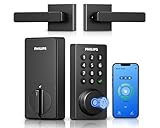
I remember the first time I tried to set up a smart lock that looked like it belonged in a sci-fi movie. It blinked, it whirred, and then it just… didn’t work. The frustration was real. You spend good money, expecting a secure, reliable piece of tech for your home, only to be met with error messages and a confusing manual. This brings me to a question many of us ponder when looking at advanced home hardware: are Schlage door locks FCC certified? It’s not just about them working; it’s about them meeting standards for radio frequency emissions, which is a surprisingly important piece of the puzzle for connected devices.
Schlage is a name that’s been around forever, a brand most people trust for basic deadbolts. But as they’ve stepped into the smart home arena, it’s natural to wonder if they’re keeping up with the tech side of things. FCC certification is a big deal, indicating a product has been tested and won’t mess with other electronics around it. So, when you’re picking out a new smart lock, understanding this aspect can save you headaches down the line.
What Does Fcc Certification Actually Mean for a Door Lock?
Look, most of us just want a lock that keeps the bad guys out and lets us in without a fuss. But when you start talking about smart locks, the game changes. These aren’t just mechanical tumblers anymore; they’re electronic devices, often communicating wirelessly with your phone, your Wi-Fi, or other smart home gadgets. This is where the Federal Communications Commission (FCC) steps in. The FCC regulates radio frequencies in the United States to prevent interference between different electronic devices. Think about it: you wouldn’t want your smart lock’s signal to suddenly cause your neighbor’s TV to go haywire, or worse, for some random radio wave to mess with your lock’s ability to open when you need it.
So, when a product like a Schlage smart lock carries FCC certification, it means it has undergone testing to make sure its radio frequency emissions are within limits. This isn’t some optional nice-to-have; it’s a legal requirement for devices sold in the U.S.
that emit radio waves. It’s a stamp of approval that says, ‘This thing has been checked out and shouldn’t cause a ruckus in your electronic environment.’ For smart locks, this usually pertains to the Wi-Fi, Bluetooth, or Z-Wave radio modules they use to communicate. If a Schlage door lock is designed to connect wirelessly, it must have FCC certification to be legally sold and operated in the US.
It’s a baseline for safety and functionality in our increasingly connected homes.
I learned this the hard way when a cheap, no-name smart plug I bought online, which obviously hadn’t seen an FCC lab, started intermittently cutting out my internet connection. It was maddening. I eventually tossed it, realizing that sometimes the cheapest option is the most expensive in the long run due to sheer annoyance and potential hidden costs. For something as important as your home security, relying on certified products just makes sense. It’s not just about compliance; it’s about peace of mind knowing the device you’re trusting with your front door isn’t going to randomly interfere with your other tech.
Schlage’s Smart Lock Lineup and Fcc Compliance
Schlage has a pretty broad range of smart locks, from their more traditional-looking models with keypads to their full-blown connected deadbolts. The good news, and frankly, what you should expect from a company of Schlage’s stature, is that virtually all of their smart locks intended for the US market are FCC certified. I’ve looked at their documentation and product listings for models like the Schlage Encode, Sense, Connect, and others, and they all bear the FCC ID. This is usually found on the product itself, in the manual, or on the manufacturer’s website. It’s a small alphanumeric code that, when you look it up on the FCC database, tells you exactly what device it belongs to and the test reports associated with it.
For example, if you pick up a Schlage Encode Smart Wi-Fi Deadbolt, you’ll find an FCC ID. This ID signifies that the lock’s internal Wi-Fi and Bluetooth radios have met the FCC’s standards. (See Also: Are Sesame Seeds Kosher For Passoveris Pollock Kosher )
This is important because these are the components that allow the lock to communicate with your home network, your smartphone app, or other smart home hubs. Without this certification, Schlage wouldn’t be able to legally sell these devices in the United States. So, when you’re shopping, don’t be shy about looking for that FCC logo or ID.
It’s a clear indicator that Schlage has done their homework and is playing by the rules. Honestly, for any electronic device you’re buying that communicates wirelessly, looking for FCC certification should be a a must step, and Schlage generally delivers on this.
I once considered a lesser-known brand for a smart thermostat, and while it seemed like a good deal, digging into its FCC status was a rabbit hole. It was hard to find definitive proof of certification. I ended up going with a more established brand, and while it cost a bit more upfront, the lack of connectivity glitches and the clear FCC compliance gave me a lot more confidence. It’s about trusting that the hardware is sound, not just the app interface.
| Schlage Model | Primary Connectivity | FCC Certified (US Market) | My Verdict |
|---|---|---|---|
| Encode Smart Wi-Fi Deadbolt | Wi-Fi, Bluetooth | Yes | Solid, no hub needed. Good choice if you’re direct to Wi-Fi. |
| Connect Smart Deadbolt (Z-Wave) | Z-Wave | Yes | Excellent if you’re already invested in a Z-Wave smart home system. |
| Sense Smart Deadbolt (Bluetooth) | Bluetooth (Apple HomeKit) | Yes | Great for Apple users, but limited outside that ecosystem. |
| Schlage Fob Lock (Non-Smart) | N/A | N/A (Not applicable for non-wireless) | Basic, reliable mechanical lock. Simple and effective. |
The Technical Bits: Radio Frequencies and Your Smart Lock
Okay, let’s get a little nerdy for a second. Smart locks, including those from Schlage, typically use a few different radio technologies to do their thing. The most common ones you’ll find are Bluetooth, Wi-Fi, and Z-Wave.
Bluetooth is great for direct communication with your smartphone when you’re nearby. It’s convenient for quick entry or remote control without needing a hub, but its range is limited.
Wi-Fi connects the lock directly to your home router, allowing for remote access from anywhere in the world, provided you have an internet connection. Z-Wave, on the other hand, is a low-power wireless protocol specifically designed for smart home devices. It creates its own mesh network, which can extend the range and reliability of your smart home system, but it usually requires a Z-Wave hub.
Each of these wireless technologies operates on specific radio frequency bands. For instance, Bluetooth and Wi-Fi commonly use the 2.4 GHz band (and Wi-Fi also uses 5 GHz). Z-Wave operates in the sub-1 GHz band, which is less crowded and generally less prone to interference from common household devices like microwaves or cordless phones that also use 2.4 GHz. The FCC’s job is to make sure that the devices transmitting on these frequencies don’t overpower or interfere with other key services, like emergency communications, aviation, or even your neighbor’s Wi-Fi. When Schlage submits a smart lock for FCC certification, they have to prove that the radio modules in their devices comply with specific power output limits and won’t generate spurious emissions outside their intended frequency range.
This is why you’ll often see a small FCC ID number printed on the lock or in its manual. This ID is a unique identifier for that specific product and its FCC approval. You can even look up this ID on the FCC’s website to see the official documentation. It’s a bit like a driver’s license for your electronics, showing they’ve passed the test and are allowed on the road. It’s a level of technical diligence that, frankly, I now expect from any wireless device I bring into my home, especially something as important as my front door lock. (See Also: Are Sliding Door Locks Common )
Common Mistakes When Buying Smart Locks (and Fcc Relevance)
One of the biggest blunders people make when buying smart locks isn’t directly about FCC certification, but it’s closely related: assuming all smart devices are created equal. You see a shiny new lock online, it promises keyless entry, and the price looks good. But often, the cheaper, lesser-known brands cut corners. This is where FCC certification becomes a red flag. If a product doesn’t clearly display its FCC ID, or if it’s difficult to find any information about its compliance, that’s a massive warning sign. It suggests the manufacturer might not have bothered with the testing, which means their device could potentially interfere with other electronics in your home or, worse, might not be as reliable as you’d hope.
Another mistake is not considering the connectivity needs of your smart home ecosystem. People often buy a Bluetooth-only lock when they really need Wi-Fi for remote access, or they get a Wi-Fi lock without realizing their router is in a dead zone at the front door. While this isn’t directly an FCC issue, it relates to the device’s intended function and the radio it uses. If you buy a Z-Wave lock without a Z-Wave hub, it’s basically a very expensive, fancy deadbolt. Understanding how the lock communicates (and making sure it’s certified for that communication) is key to getting a product that actually works for you.
I once bought a supposed ‘smart’ garage door opener that was incredibly buggy. It would randomly disconnect, and the app was awful. Turns out, it had a very generic FCC ID that didn’t seem to correspond to any detailed testing. It was a constant source of frustration until I replaced it with a reputable brand that clearly listed its FCC certification and had a much more stable wireless connection. It was a hard lesson: always look for that FCC ID, and don’t be afraid to dig a little deeper. It’s a simple step that can save you a world of hassle.
What to Look for on the Product Packaging or Manual
When you’re looking at a Schlage smart lock (or any other smart device, for that matter), here’s what you should keep an eye out for:
- FCC ID: This is usually a combination of letters and numbers, like ‘XYZ123’. It’s often printed directly on the device itself (sometimes on the back or inside the battery compartment) or clearly stated in the user manual and on the product’s packaging.
- FCC Logo: While not always present, sometimes you’ll see a circular FCC logo that indicates compliance. The FCC ID is the more important identifier.
- Manufacturer’s Website: Reputable brands will have a section on their website for product specifications or support where you can find the FCC ID and sometimes even links to the FCC’s public database entry for that device.
If you can’t find an FCC ID or any mention of FCC compliance, it’s a major red flag. It means the product likely hasn’t undergone the required testing for sale in the US.
Real-World Use: Schlage Locks and Connectivity
Having used Schlage smart locks for several years now, I can tell you that the FCC certification is more than just a regulatory checkbox; it translates to a more reliable user experience. I’ve had a Schlage Connect (Z-Wave) and now a Schlage Encode (Wi-Fi) on my front door. The Connect, integrated into my Home Assistant setup, has been rock-solid. Its Z-Wave radio, compliant with FCC regulations, means it plays nicely with my other Z-Wave devices and rarely drops off the network. I can control it from across the house, and it reliably reports its status. This consistency is what you pay for with established brands.
The Schlage Encode, which connects directly to Wi-Fi, has been equally impressive. Setting it up was straightforward, and the app connectivity has been stable.
I’ve yet to experience a random disconnect or a failure to connect when I’m away from home, which I attribute, in part, to the radio components meeting FCC standards. The convenience of being able to grant temporary access to a friend or check if I remembered to lock the door from my phone is invaluable. I remember one time, about two years ago, a power surge took out a less established smart plug I had on my porch light. (See Also: Are The Rams Locked Into The 6th Seed )
It just never came back online. My Schlage Encode, however, weathered a similar electrical storm without a hiccup. It’s not just about the FCC; it’s about the quality of the components and the engineering that goes into making sure they meet those standards robustly.
My contrarian take? Some people will tell you that for simple smart lock functions, any brand will do. I disagree. When it comes to security hardware that relies on wireless communication, the FCC certification is a important indicator of quality and reliability. It’s a signal that the manufacturer has invested in making sure their device won’t cause issues for you or your neighbors, and that it’s built to function as intended. I’d rather pay a little more for a Schlage with FCC certification than save a few bucks on a no-name brand that might fail or interfere with my other devices.
Frequently Asked Questions About Schlage Locks and Fcc
Do Schlage Smart Locks Use Wi-Fi?
Yes, several Schlage smart lock models, such as the Schlage Encode, are designed to connect directly to your home Wi-Fi network. This allows for remote control and monitoring via the Schlage app from anywhere with an internet connection. Other models use different wireless protocols like Bluetooth or Z-Wave.
What Is an Fcc Id on a Schlage Lock?
The FCC ID is a unique identifier assigned by the Federal Communications Commission to approved electronic devices that emit radio frequencies. For a Schlage lock, it signifies that the device’s wireless components (like Wi-Fi or Bluetooth radios) have been tested and meet FCC standards for radio frequency emissions and interference.
Is It Safe to Buy a Smart Lock That Isn’t Fcc Certified?
It is generally not recommended. While a lack of FCC certification doesn’t automatically mean a lock is unsafe in terms of security, it does mean it hasn’t been tested to make sure its radio frequency emissions won’t interfere with other electronic devices. It can also be an indicator of lower manufacturing quality or a disregard for regulatory compliance, potentially affecting the lock’s reliability and longevity.
Do I Need a Hub for a Schlage Smart Lock?
It depends on the model. Schlage locks that use Wi-Fi, like the Encode, do not require a separate hub and connect directly to your router. Models that use Z-Wave or Zigbee (like some older Connect models) will require a compatible smart home hub to function with your smart home system and for remote access. Bluetooth-only models, like the Sense, connect directly to your smartphone.
Where Can I Find the Fcc Id for My Schlage Lock?
The FCC ID is typically printed directly on the lock itself, often on the back or inside the battery compartment. You can also find it in the product’s user manual or on the manufacturer’s official website. If you have the model number, you can often search for it on the FCC’s official website to view its certification details.
Verdict
So, to wrap it up, if you’re buying a Schlage smart lock meant for the U.S. market, you can be pretty confident that it’s FCC certified. This is good news because it means Schlage is doing the basic homework to make sure their tech plays nice with your other electronics. It’s not some obscure detail; it’s a fundamental requirement for wireless devices, and it’s a sign that the product has passed some level of quality and safety testing.
Don’t get caught out by brands that skip this. While the primary concern with any door lock is its physical security, the wireless aspect of smart locks is just as important for functionality and avoiding electronic headaches. So, the next time you’re eyeing a Schlage smart lock, remember to look for that FCC ID. It’s a simple check that adds an extra layer of assurance for your peace of mind.
If you’re still on the fence, I’d recommend checking out the specific model’s FCC ID on the FCC’s website. It’s a free way to confirm the compliance and gives you a bit more confidence before you drill into your door. For me, sticking with brands that are transparent about their FCC certification, like Schlage generally is, has always been the smarter play.