
I swear, the first time it happened, I thought my laptop was about to perform some dramatic self-disassembly. A tiny screw, barely visible, just… popped out. It wasn’t from a fall, wasn’t from me fiddling with it. It just decided to go on a solo adventure. This immediately made me question: are screws coming out of a laptop make it defective? It feels like a fundamental failure, right? Like the car tire deciding to detach itself mid-highway. But the reality is a bit more nuanced than just a glaring red flag.
Many people panic the moment they see a loose screw, assuming the worst. They envision circuits fried, data lost, and a hefty repair bill. While it’s definitely not ideal, a stray screw isn’t always the death knell for your machine. Let’s get real about what’s actually going on under the hood, or rather, under the casing.
The Great Screw Escape: Why It Happens (and It’s Not Always Your Fault)
Look, I’ve owned enough laptops to fill a small server room over the years, and trust me, I’ve seen screws decide to take a walk. The first time it happened, it was a brand new ultrabook. Not a scratch on it, never dropped, always treated with more care than a Faberge egg. Then, one morning, a tiny screw from the bottom panel was just… there. Sitting innocently on my desk.
My immediate thought was, ‘This thing is toast.’ I pictured the internal components rattling around, the motherboard losing its cool, all sorts of sci-fi tech horror movie scenarios. But here’s the blunt truth: a lot of the time, it’s just manufacturing tolerances and vibration. Think about it: these things are packed with spinning hard drives (less common now, but still), fans, and countless tiny components all vibrating constantly. Over time, these vibrations can work fasteners loose. It’s like how a bolt on a bridge can loosen over decades of traffic and weather. It doesn’t mean the bridge is defective from day one, but it’s a wear-and-tear thing.
Another common culprit is thermal expansion and contraction. Your laptop heats up when it’s working hard, and it cools down when it’s idle. All those different materials—metal, plastic, silicon—expand and contract at slightly different rates. This constant micro-movement can gradually loosen screws, especially those in high-stress areas or those that are just a hair too short or not threaded in perfectly from the factory. I once had a gaming laptop that ran notoriously hot, and I swear I had to check the bottom screws every few months. It wasn’t a sign that the entire laptop was defective; it was just how that particular unit handled the heat and stress.
And then there’s the human element. While I said it wasn’t always your fault, sometimes it is. Maybe you’ve opened it up yourself for an upgrade or cleaning, and a screw didn’t get seated quite right. Or perhaps it was dropped, even just once, and a screw thread got slightly stripped or a mounting point stressed. This is where it gets trickier to diagnose without opening it up. But even then, a single loose screw might not doom the whole machine. It’s usually the pattern of loose screws or the location that tells a bigger story.
There’s also the sheer number of screws. A typical laptop bottom panel can have anywhere from 6 to 15 screws. If one or two come loose, it’s annoying. If half of them are rattling around, that’s a different ballgame. The key takeaway here is that a single loose screw, especially on a laptop that’s been used for a while, isn’t an automatic defect. It’s more often a symptom of normal operational stress or a minor manufacturing oversight.
When a Loose Screw Becomes a Red Flag
Okay, so a single screw falling out might not be the end of the world. But when do you actually need to worry? When does that stray fastener signal that your laptop is, in fact, becoming genuinely defective? It’s all about context, location, and quantity. If you’re seeing multiple screws popping out, especially from different parts of the casing, that’s a much bigger problem. It suggests a systemic issue rather than an isolated incident. Imagine if the wheels on your car were all getting loose simultaneously. You wouldn’t just tighten one; you’d know there was a serious structural problem.
The location is also a massive clue. If screws are coming out from areas that are under significant stress, like near the hinge or around the ports where things are plugged and unplugged constantly, it’s more concerning. These areas experience more physical strain. A screw loosening near a hinge might indicate the hinge mechanism itself is failing or putting undue pressure on the chassis. I had a laptop once where the hinge screws kept working themselves out. It wasn’t just a loose screw; it was a sign that the entire display assembly was becoming unstable. This required a proper repair, not just tightening a screw. (See Also: How To Fix Eyeglasses Arm Without Screw )
Another tell-tale sign is if the screws are coming out with stripped threads or if the plastic mounting points they screw into are cracked or damaged. This usually points to physical impact or over-tightening during manufacturing. If the screw itself looks deformed or the hole it came from looks mangled, that’s a clear indication of a hardware failure, not just a screw that got bored. I learned this the hard way when I tried to force a screw back into a stripped hole on an old netbook.
It just kept spinning, and I ended up making the problem worse, cracking the plastic further. Eventually, the entire corner of the casing became loose, and that definitely made it ‘defective’ in the sense of being practically unusable.
What about brand new laptops? If you buy a laptop, and within the first week or two, you notice a screw is already loose or has fallen out, that’s a strong indicator of a manufacturing defect. Companies have quality control for a reason, and this kind of thing shouldn’t happen straight out of the box. It suggests someone at the factory might have missed a step, used the wrong screw, or cross-threaded it. This is the kind of situation where you should absolutely be contacting the manufacturer or the retailer for a replacement or repair under warranty. Don’t mess with it yourself if it’s that new; you don’t want to void any potential claims.
Finally, consider the overall structural integrity. If the casing feels flimsy, if panels are coming apart, or if you can visibly see gaps where there shouldn’t be any, then yes, the loose screws are part of a larger defect. It’s not just about the screws anymore; it’s about the entire chassis integrity. This is where the common advice about checking for loose screws can be misleading if taken in isolation. It’s a symptom, and you need to look at the whole picture.
The Fixes: Tightening vs. Repairing
So, you’ve found a loose screw. What’s the game plan? Do you just grab a screwdriver and go to town? Sometimes, yes. Other times, you need to be a lot more careful. The first thing to figure out is the type of screw and the material it’s screwing into. Most laptop screws are tiny Phillips head or Torx head screws, designed for specific small screwdrivers. You absolutely need the right size screwdriver. Using one that’s too big will strip the screw head, and using one that’s too small can damage the surrounding plastic or the screw itself.
If it’s just a standard screw on the bottom panel, and it’s not stripped, and the plastic hole looks fine, a gentle tightening is usually okay. I keep a small electronics repair kit handy, which has a selection of these tiny screwdrivers. I’ll carefully turn the screw until it’s snug. ‘Snug’ is the keyword here, not ‘cranked down with all your might.’ Over-tightening is how you strip screws and crack plastic, creating a much worse problem. Think about how you tighten a jar lid – firm, but not so hard you break it. I’ve lost count of how many times I’ve saved a laptop from annoyance with just a quarter turn of a screwdriver.
Here’s a process for a simple tighten:
- Identify the loose screw.
- Select the correct size and type of screwdriver from your electronics repair kit.
- Gently insert the screwdriver into the screw head, making sure it’s seated firmly.
- Turn the screw clockwise slowly and steadily.
- Stop when you feel resistance. Do not force it. The screw should be firm, not wobbling.
- Test the area to make sure the panel or component is now secure.
However, if the screw head is stripped, if the plastic threads are damaged, or if the screw won’t tighten at all (it just spins), then you’ve moved beyond simple tightening. This is where you might need a more involved repair. For stripped screw holes, sometimes a tiny bit of thread-locking compound (the gentle kind, not permanent superglue!) can help, but it’s a risky maneuver if you’re not experienced. A better, though more involved, fix for stripped plastic threads is to use a slightly larger screw of the same thread type if one exists and fits, or to repair the plastic itself. Some people use epoxy or specialized plastic repair kits, but that’s getting into DIY territory that can void warranties. (See Also: How Measure Metric Computer Screws )
If the screws are coming out of important areas like the hinge or the motherboard mounting points, it’s usually best to seek professional help. These aren’t just cosmetic fixes; they can impact the core functionality and longevity of your device. Trying to jury-rig a fix for a hinge screw, for example, could lead to further damage to the screen or the main body of the laptop. My rule of thumb: if the repair requires more than just a screwdriver and a steady hand, consider professional help. Especially if the device is still under warranty. Trying to DIY a major issue could cost you more in the long run.
The ‘screws Loose’ Comparison Table
To help you decide if it’s a minor annoyance or a genuine defect, here’s a quick rundown. Remember, this is my take, based on years of tinkering and regretting bad decisions.
| Scenario | Likely Cause | Is it Likely Defective? | My Verdict |
|---|---|---|---|
| One screw loose on bottom panel, laptop is 2+ years old. | Vibration, thermal cycling. | Probably Not | Minor annoyance. Tighten gently. |
| Multiple screws loose on bottom panel, laptop is 1 year old. | Manufacturing oversight, cumulative vibration. | Possibly | Worth investigating. Check for stripped threads. Consider warranty. |
| Screw comes out stripped or with mangled plastic threads. | Over-tightening, impact, faulty plastic. | Yes (component or chassis issue) | Major problem. Requires repair beyond simple tightening. |
| Screws near hinge are loose, hinge feels wobbly. | Stress on hinge mechanism, loose mounting points. | Yes (structural issue) | Significant concern. Get it professionally inspected. |
| First screw comes loose within 2 weeks of purchase. | Manufacturing defect. | Highly Likely | Contact retailer/manufacturer immediately. Do not attempt self-repair. |
| Screws are loose, but laptop functions perfectly otherwise. | Vibration, minor assembly issue. | Unlikely (unless multiple) | Annoying but often fixable. Tighten carefully. |
Common Mistakes and What to Watch Out For
I’ve made my fair share of mistakes when dealing with loose screws and general laptop woes, and I’ve seen others do the same. The biggest mistake people make is assuming that if a screw is loose, the entire laptop is automatically defective. This leads to unnecessary panic and sometimes to people trying to return perfectly functional (albeit slightly loose-screwed) devices. It’s like throwing out a whole loaf of bread because one slice has a tiny crumb on it.
Conversely, another huge mistake is the opposite: ignoring loose screws entirely. While a single screw might be a non-issue, a pattern of them, or screws coming loose in important areas, is a sign of potential future problems. I’ve heard stories of people ignoring wobbly laptop feet or slightly loose bottom panels, only for a major component to dislodge later, causing actual damage. It’s not about immediate failure; it’s about preventing future, more costly, damage. Think of it like a small leak in your roof. You might not notice it right away, but ignoring it can lead to water damage that costs thousands to fix.
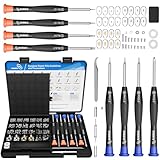
Using the wrong tools is another classic blunder. I’ve seen people try to use household screwdrivers on laptop screws, mangling the heads and making a simple fix impossible. Or they use pliers, which is just asking for trouble. You really do need a proper set of precision screwdrivers. The small, magnetic tips are a lifesaver when you’re working with these tiny fasteners. I paid about $20 for a decent set years ago, and it’s saved me countless headaches and potential repair bills. It’s a small investment for peace of mind.
Over-tightening is a big one, too. People think ‘snug’ means ‘tight as it can go.’ This is how you strip the threads in the plastic. Once those plastic threads are gone, that specific screw hole is compromised. You might be able to get away with it for a while, but it’s a weak point. I once had a laptop where I’d clearly over-tightened a screw near the SD card slot, and over time, it created a small crack in the plastic because it was always under too much tension. It was a visual reminder of my ham-fisted approach.
Finally, don’t be afraid to look up your specific laptop model online. There are tons of forums, repair guides, and videos showing how the screws are laid out and what kind of tools are needed. Knowing that your particular laptop uses, say, M2x3mm screws, or that certain screws are longer than others, can save you a lot of guesswork and potential damage. For example, on some MacBooks, the screws are different lengths, and putting the wrong one in the wrong hole can actually damage the display. This is a important bit of information you can often find with a quick search. It’s not about being a tech wizard; it’s about being informed and careful.
Practical Tips for Screw-Related Laptop Woes
Alright, let’s get practical. You’ve got a laptop, and you’re worried about its screws, or you’ve already found one playing hide-and-seek. Here are some no-nonsense tips I’ve picked up: (See Also: How To Adjust Eyeglass Screw )
- Invest in a Good Precision Screwdriver Set: Seriously, don’t skimp. Get a kit with multiple sizes and types of bits (Phillips, Torx, etc.). Look for magnetic tips. It’s not just for laptops; it’s useful for phones, glasses, and other small electronics. I’ve had my current set for about five years, and it’s still in great shape.
- Keep Track of Your Screws: If you ever open your laptop for an upgrade or cleaning, use a magnetic mat or a compartmentalized container to keep screws organized. Note which screw came from where. Mixing up screw lengths, especially in laptops like some older HP or Dell models, can cause internal damage. I learned this the hard way once and had to replace a cracked display casing.
- Don’t Force It: If a screw isn’t going in easily, stop. You’re either using the wrong screwdriver, the threads are messed up, or you’re cross-threading it. Back it out and try again gently. Patience is key.
- Know When to Stop: If you’ve tried tightening a screw and it just spins, or if the plastic around the hole is clearly damaged, don’t keep trying to force it. You’re likely making it worse. At this point, consider if the laptop is still under warranty or if it’s worth a professional repair. For most common laptops, a repair shop can handle stripped screw holes or minor chassis damage for a reasonable fee, often under $100.
- Check for Wear and Tear: If your laptop is older, it’s not unusual for screws to loosen. A quick check of the bottom panel every few months isn’t a bad idea. Just a gentle tightening if needed. Think of it as basic maintenance, like checking the tire pressure on your car.
- Listen to Your Laptop: Sometimes, a loose screw can cause a slight rattle or creak when you move the laptop. If you hear new, unusual noises, investigate. It might be a screw, or it might be something else, but it’s worth checking out.
- When in Doubt, Consult the Manufacturer’s Documentation: Most manufacturers have service manuals or support pages online for their specific models. These can show you how to safely open your laptop and even what specific screws are used where. For example, Apple’s support site has detailed guides for many of their MacBook models, which is incredibly helpful.
These tips aren’t about turning you into a certified technician; they’re about helping you to deal with minor annoyances and recognize when a problem is bigger than a quick fix. Most of the time, these issues are manageable and don’t mean your laptop is inherently defective.
Is It Bad If a Screw Falls Out of My Laptop?
It’s not ideal, but it’s not automatically a sign of a defective laptop. A single screw coming loose, especially on an older device, can be due to vibrations or thermal expansion/contraction. However, if multiple screws are loose, or if the screw comes out with stripped threads or damaged plastic, it’s a much stronger indicator of a defect or a problem that needs attention.
Can I Just Tighten a Loose Laptop Screw Myself?
Yes, in many cases, you can. If the screw head is intact and the plastic threads in the hole look good, a gentle tightening with the correct size screwdriver is usually safe. Just be careful not to over-tighten, as this can cause further damage. Always use precision electronics screwdrivers for this task.
What If the Screw Hole Is Stripped?
A stripped screw hole is more serious than just a loose screw. It means the plastic threads are damaged, and the screw won’t grip properly. For a temporary fix, some people use a tiny amount of thread locker, but it’s risky. A more permanent solution might involve repairing the plastic or using a slightly larger screw if one is compatible. If this happens on a newer laptop, it’s often best to seek professional repair or use the warranty.
When Should I Be Worried About Loose Screws in My Laptop?
You should be worried if multiple screws are loose, if they are coming from important areas like the hinge or near key components, or if the screws themselves or the surrounding plastic are damaged upon removal. If a laptop is brand new and a screw falls out, that’s also a significant cause for concern and likely a manufacturing defect.
Final Verdict
So, to circle back to the big question: are screws coming out of a laptop make it defective? Generally, no. A single, isolated screw that pops out now and then, especially on a laptop that’s seen some action, is usually a sign of wear and tear, not a fundamental flaw in the device’s design or construction. It’s an annoyance, sure, but rarely a death sentence for your machine.
However, this isn’t a free pass to ignore it. If you’re seeing a pattern of loose screws, or if they’re coming from areas that compromise structural integrity, that’s when you need to pay attention. It could indicate a larger issue that, left unchecked, could lead to more significant problems down the line. It’s about understanding the difference between a minor inconvenience and a genuine hardware failure.
My advice? Keep a small electronics toolkit handy. A few bucks spent on the right tools can save you a lot of grief. And if you’re ever unsure, or if the laptop is still under warranty, err on the side of caution and get it checked out by a professional. Don’t let a few loose screws make you unnecessarily anxious about your tech.
![AXTH 25-in-1 Small Precision Screwdriver Set, Professional Magnetic Mini Repair Tool Kit for Phone, Computer, Watch, Laptop, Macbook, Ring Doorbell, Eyeglass, Electronic, [Bearing Steel] Screw Driver](https://m.media-amazon.com/images/I/518YlLmPTcL._SL160_.jpg)
