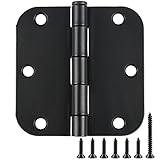
I remember the first time my garage door opener decided to take a permanent nap. I was wrestling with this beast of a door in a downpour, already soaked to the bone, and the thing felt heavier than a piano. That’s when the thought really hit me: are self closing hinges required on garage door systems, or is this just another upsell I fell for years ago? The honest answer is, it’s not as straightforward as a ‘yes’ or ‘no’.
Most people just want their garage door to work, and frankly, they don’t think about the hinges until something goes wrong. Or worse, they replace the whole opener and never even glance at the hardware holding the panels together. But those hinges, especially if they’re the self-closing kind, play a bigger role than you might think in the overall safety and functionality of your garage door.
What Even Are Self-Closing Hinges for Garage Doors?
Let’s cut to the chase. When people talk about ‘self-closing hinges’ on a garage door, they’re usually referring to the springs and counterbalance system that makes the door feel lighter and allows it to stay open at any position. It’s not typically individual hinges that magically snap shut like a cabinet door. Instead, it’s the entire mechanism designed to assist you. Think of those torsion springs above your door or the extension springs running along the tracks. These are the real workhorses.
The torsion springs, mounted on a shaft above the door, compress as the door closes and expand as it opens, storing and releasing energy. Extension springs, stretched along the sides of the horizontal tracks, do a similar job, pulling upwards on the door as it opens. The ‘self-closing’ aspect comes from the fact that when the opener is disengaged or fails, these springs are supposed to take over and either hold the door open or assist in closing it slowly and safely. They are designed to balance the weight of the door, making it manageable by hand and preventing it from slamming down unexpectedly. Without this counterbalance, the door would be incredibly heavy, and relying solely on the opener would put immense strain on the motor, leading to premature failure.
I learned this the hard way. After my opener died, I tried to lift the door manually. It felt like I was trying to lift a small car. The springs were definitely doing their job, but the sheer weight was daunting. It made me realize how much I took that balanced system for granted. The common advice to just ‘lift it manually’ if the opener fails isn’t always practical, especially for older folks or if the springs are worn out. This is where understanding the role of these ‘self-closing’ mechanisms becomes more than just a technical detail; it’s about practicality and safety.
Do You Need Self-Closing Hinges? The Real Deal
The short answer is: you absolutely need a properly functioning counterbalance system, which is what most people mean by ‘self-closing hinges’ in this context. It’s not about whether the individual hinges themselves close the door, but whether the entire system is balanced to assist in opening and controlled closing. If your garage door doesn’t have this balance – meaning it’s either too heavy to lift easily by hand or it slams down when the opener isn’t engaged – then yes, you have a problem that needs fixing. It’s not just a matter of convenience; it’s a safety issue.
Imagine a heavy door suddenly dropping because the opener isn’t holding it. That’s a recipe for disaster, especially if someone or something is in its path. The springs or counterbalance system are there to prevent exactly that. They are engineered to hold the door at any point and to make manual operation feasible and safe.
So, while the term ‘self-closing hinges’ might be a bit of a misnomer for the actual hardware, the underlying principle – a balanced door – is a must for a safe and functional garage door system. Many modern garage doors come with these systems integrated, but older doors or those with neglected maintenance might not be properly balanced. This is why you see some older doors that are incredibly difficult to lift, or conversely, doors that seem to fly open and then crash shut. (See Also: A Box Without Hinges Key )
My neighbor once told me, after his opener died, that he never had ‘special hinges’ on his door. Turns out, his door was just old, and the counterbalance springs were so shot that the door was just dangerously heavy. He’d been relying 100% on the opener, which is a mistake. The opener is an assist, not the sole support for a heavy door. He ended up needing a full spring replacement, which cost him around $300 for both sides. He thought he was saving money by not getting ‘fancy hinges’ but was actually operating a dangerous setup.
Types of Counterbalance Systems (aka the ‘self-Closing’ Magic)
When we talk about what makes a garage door ‘self-closing’ or balanced, we’re really talking about two main types of counterbalance systems: torsion springs and extension springs. Understanding these will give you a clearer picture of how your garage door operates and what you need to look out for.
Torsion Springs
These are the more common and generally preferred type for modern garage doors. You’ll find them mounted on a shaft above the garage door opening. When the door is down, the springs are stretched taut. As the door opens, the springs wind down, releasing their stored energy to lift the door. They are very efficient and help distribute the weight evenly across the door’s width. I’ve seen doors with torsion springs that felt like they weighed only 10 pounds to lift, even though the door itself is probably close to 200 pounds. They are generally safer because they are less likely to snap and cause injury compared to extension springs if they break. Plus, they don’t hang over your head.
Extension Springs
These springs run parallel to the horizontal tracks on either side of the garage door. They are stretched when the door is closed and provide lift as the door opens. While they do the job, they have a few drawbacks. If one breaks, it can snap and fly off with considerable force, posing a safety hazard. They also require safety cables running through them to contain the broken spring. For this reason, many professionals recommend upgrading to a torsion system if your door currently uses extension springs, especially if you’ve had safety concerns.
| System Type | Pros | Cons | My Verdict |
|---|---|---|---|
| Torsion Springs | Safer, more durable, even lift, less likely to break catastrophically. | More complex installation, may require professional help. | The clear winner for safety and performance. Worth the investment. |
| Extension Springs | Simpler and cheaper to install initially. | Safety hazard if they break, less even lift, may require safety cables. | Functional, but I’d personally opt for torsion if given the choice. |
Common Mistakes & What to Look For
One of the biggest mistakes I see people make is neglecting the maintenance of their garage door springs. They’re not ‘set it and forget it’ components. Over time, springs lose tension, especially with frequent use and exposure to temperature changes. This leads to a door that’s harder to lift or one that doesn’t stay open properly. I once waited almost a year to get my torsion springs serviced after noticing they felt a bit weaker. That extra year of strain likely shortened their lifespan and made the opener work much harder. It cost me an opener motor replacement earlier than I should have needed one, which was about $400 installed.
When you’re assessing your garage door system, pay attention to how the door feels. Does it move smoothly? Does it feel balanced when you lift it manually? If it feels excessively heavy, if it drops suddenly when you release it, or if it just doesn’t feel right, it’s time to investigate. Look for signs of wear and tear on the springs: rust, visible damage, or cracks. For extension springs, check if the safety cables are intact and properly installed. If you have torsion springs, make sure the shaft is rotating freely and that the springs aren’t visibly sagging.
Another common pitfall is assuming that just because the opener is working, the door is safe. The opener is designed to lift a balanced door. If the balance is off, the opener is doing all the heavy lifting, which can lead to motor burnout and other mechanical failures. This is why regular checks of the counterbalance system are so important. Many sources, like manufacturer manuals, emphasize lubrication and visual inspections, but few highlight the importance of testing the balance itself. You can do this by disengaging the opener and trying to lift the door halfway. It should stay there without you holding it. If it creeps down or shoots up, the balance is off. (See Also: Are Integrated Washing Machine Door Hinges Standard )
Real-World Use: My Experience and Surprises
My garage door has both torsion springs and, for some reason, a small extension spring on one side that the previous owner added. I’ve learned more about garage door hardware than I ever thought I would. The biggest surprise came when one of my torsion springs snapped. It sounded like a gunshot. My garage door immediately became about 10 times heavier, and the opener just whined uselessly. Thankfully, the door was only partially open when it happened, and my wife had just pulled her car out, so no one was underneath. But it was a stark reminder that these springs are under immense pressure and can fail.
Replacing a torsion spring isn’t a DIY job for the faint of heart, or for someone without the right tools. I tried to source the correct replacement spring myself. I measured it, counted the coils, checked the diameter – the whole nine yards.
I spent about $150 on the spring, thinking I was being thrifty. But then came the installation.
It took me, my brother, and a neighbor nearly three hours, a lot of sweat, and a few near misses with the winding bars. We finally got it in, but it wasn’t perfectly balanced, and I eventually had to pay a professional $150 to fine-tune it. So, that DIY ‘saving’ ended up costing me more in time and stress, plus the final adjustment fee. My advice?
Unless you’re very mechanically inclined and have the proper winding tools and safety gear, leave spring replacement to the pros.
Another surprise was how much environmental factors affect springs. In the brutal heat of summer here, I swear the door feels a little heavier. And in the dead of winter, it sometimes opens a bit more easily. It’s a subtle difference, but it’s noticeable if you’re paying attention. This variability is why regular checks are important, as a slight imbalance in one season might become a significant issue in another.
Practical Tips for a Smooth-Running Garage Door
First off, lubrication is your friend. Don’t just blast WD-40 everywhere. Use a silicone-based lubricant or a white lithium grease on the tracks, rollers, and hinges (the actual moving parts, not the springs). Do this about twice a year, and you’ll notice a significant difference in noise and ease of operation. I make it a habit to do it in the spring and fall. It takes maybe 15 minutes, and it’s far cheaper than replacing worn-out rollers or tracks. (See Also: Are Hinges Wheeels )
Secondly, test your garage door balance monthly. Disengage the opener by pulling the red emergency release cord. Lift the door manually to about halfway. It should stay put. If it goes up or down on its own, your springs need adjusting or replacing. This is a quick test that can prevent a lot of potential problems and make sure your door isn’t putting unnecessary strain on the opener. This simple check is something everyone should do, regardless of their technical skill level.
Third, if you’re considering replacing your garage door or opener, pay attention to the counterbalance system. Ask the installer about the type of springs used and their expected lifespan. If you’re dealing with an older door that has extension springs, seriously consider upgrading to a torsion system. The initial cost might be higher, but the long-term safety and reliability are usually worth it. For a standard double-door, a torsion spring system upgrade can run anywhere from $400 to $800, depending on your location and the specific hardware. It’s an investment in safety and peace of mind.
Can I Just Use a Regular Hinge If I Don’t Have Self-Closing Ones?
Technically, a garage door has hinges, but the term ‘self-closing hinges’ in this context refers to the counterbalance system that makes the door easy to operate. If your door doesn’t have this balance mechanism (usually torsion or extension springs), it will be extremely heavy and dangerous to operate manually or put immense strain on an opener. So, while you might not have specific ‘self-closing’ hinges, you absolutely need a functional counterbalance system for safety and proper operation.
Are Self-Closing Hinges Standard on All Garage Doors?
It’s more accurate to say that a balanced counterbalance system is standard or at least highly recommended on virtually all functional and safe garage doors. Whether this system uses torsion springs or extension springs, the goal is the same: to make the door manageable and prevent it from falling unexpectedly. Older or very basic doors might lack a solid system, but they are generally considered unsafe by modern standards and often require upgrades.
How Often Should Garage Door Springs Be Replaced?
Garage door springs are designed to last a certain number of cycles, not necessarily a set number of years. A typical spring can last anywhere from 7 to 15 years, or about 10,000 to 20,000 cycles, depending on the quality and usage. However, factors like rust, improper lubrication, and extreme temperature fluctuations can shorten their lifespan. It’s more about observing signs of wear and testing the door’s balance than sticking to a strict replacement schedule. Some manufacturers do offer lifetime warranties on torsion springs, which can be a good indicator of quality.
What Happens If My Garage Door Doesn’t Have Self-Closing Hinges?
If your garage door lacks a proper counterbalance system (what’s often misconstrued as ‘self-closing hinges’), it will be incredibly heavy. Operating it manually would be a significant physical challenge and potentially dangerous, as it could slam down without warning. It would also put immense stress on the garage door opener motor, leading to premature failure. Basically, an unbalanced door is a safety hazard and a recipe for expensive repairs to the opener.
Final Verdict
So, to circle back to the question: are self closing hinges required on garage door systems? No, not in the literal sense of individual hinges snapping shut. But you absolutely need the function of a self-closing or balanced system, which is provided by torsion or extension springs. Without this counterbalance, your garage door is a heavy, dangerous liability.
Don’t let your garage door become a ticking time bomb. Listen to how it sounds, feel how it lifts, and perform that simple balance test I mentioned. A little attention now can save you a lot of money, frustration, and potential injury down the line. If you’re unsure about your springs or the balance of your door, don’t guess – call a qualified garage door technician. It’s better to pay for a professional inspection than to deal with a broken spring or a damaged opener.