I remember the first time I installed a self-closing hinge. It was on a pantry door that seemed to have a personal vendetta against staying shut. Every time I grabbed a can of beans, the door would creak open a little wider, inviting dust bunnies and a general sense of chaos. I’d tried regular hinges, even weighted ones, but nothing seemed to work consistently. So, when I saw these fancy self-closing ones, I figured, why not? I had to know, are self closing hinges worth it? My initial thought was, ‘probably a gimmick.’
But then, the magic happened. The door… it just… closed. Every. Single. Time. It was a small victory, but it started me thinking about the quiet unsung heroes of household hardware. These aren’t the flashy gadgets you brag about, but sometimes, the simple solutions are the best ones.
The Mechanics: How Do These Things Actually Work?
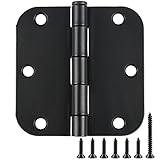
Let’s get down to brass tacks. How does a hinge decide it’s time to close a door on its own? It’s not some kind of domestic ghost. It’s all about tension and springs. Most self-closing hinges, the kind you’ll find for interior doors, rely on a torsion spring system. Think of it like a coiled-up rubber band that’s constantly trying to return to its original, relaxed state. When you open the door, you’re basically twisting that spring, storing energy. As you let go, that stored energy is released, and it forces the hinge (and therefore the door) back to its closed position. Simple, right? But oh, the satisfaction.
There are different types of spring mechanisms. Some use a single, heavy-duty spring, while others might employ a series of smaller springs or even a hydraulic damper for a slower, controlled close. For a standard interior door, you’re usually looking at the torsion spring. The ‘self-closing’ action is typically adjustable. This is key, because you don’t want a door slamming shut like it’s angry. You want a gentle, firm close. Most good hinges will have an adjustment screw that allows you to fine-tune the tension, controlling how quickly or forcefully the door closes. Some even let you adjust the ‘latch’ or ‘sweep’ – that last little bit of motion that brings the door fully flush with the frame.
When I first started looking into these, I was a bit intimidated. I pictured complicated contraptions that would require a degree in engineering. But honestly, for interior doors, the installation is usually pretty straightforward. It’s not much different from installing a regular hinge, though you do need to be mindful of the spring tension. My first attempt involved a hinge that was a little too eager, and the door slammed shut with a surprising amount of force. It startled the cat and made me jump. Lesson learned: always start with the lowest tension and work your way up. You can always add more force, but it’s a pain to take it away if you’ve overdone it.
The materials also matter. You’ll see hinges made from steel, brass, and sometimes aluminum. Steel is generally the most durable and common. Brass can look nice, especially if you’re going for a specific aesthetic, but it can be more expensive and might wear down faster under heavy use. For most home applications, a good quality steel hinge will serve you well for years. I’ve had cheap, unbranded steel ones that lasted ages and some supposedly ‘premium’ ones that started squeaking within months. It really pays to look at reviews and maybe spend a few extra bucks on a reputable brand.
What to Look for When Buying: Don’t Get Ripped Off
Alright, so you’re convinced that maybe, just maybe, these hinges are worth exploring. But how do you pick the right ones? It’s not just about grabbing the first shiny thing you see. There are a few factors that separate the good from the truly annoying. First off, adjustability. I cannot stress this enough. If a hinge doesn’t let you control the closing speed and force, run the other way. You want that smooth, quiet close, not a door that bangs shut like a prison cell. Look for hinges that explicitly mention adjustable tension and sweep. This is usually done via a small screw or a pin you insert into a hole on the hinge barrel.
Material quality is another big one. As I mentioned, steel is usually your best bet for durability. Look for a decent gauge of steel – it should feel substantial, not flimsy. If you’re looking at hinges online, check the product description for details on the steel grade or weight.
For interior doors, you’re generally not dealing with extreme weather, so rust resistance isn’t as most important as for exterior applications, but a good coating can still prevent unsightly stains. Finish is also important.
You can get them in a variety of finishes like satin nickel, oil-rubbed bronze, or plain zinc. Make sure the finish matches your existing hardware or the look you’re going for. A poorly applied finish can chip or wear off quickly, making your nice new hinges look shabby. (See Also: Are Brass Hinges Magnetic )
Consider the weight rating. Doors have weight, and hinges need to be able to handle it. Most interior self-closing hinges are designed for standard hollow-core or solid-core interior doors. If you have a particularly heavy solid wood door, you might need to look for heavy-duty commercial-grade self-closing hinges, which are a different beast entirely and often more expensive and complex. Always check the manufacturer’s specifications for the door weight and size they recommend. I once tried to put a standard self-closing hinge on a ridiculously heavy oak door. It was a disaster. The hinge struggled, the door didn’t close properly, and I ended up stripping the screws.
Another thing to consider is the ‘sweep’ or ‘latch’ adjustment. This refers to the final few degrees of the door’s movement as it closes. A good hinge will allow you to adjust this so the door settles perfectly into the frame without sticking or leaving a gap. Some hinges have a separate adjustment for this, while others integrate it into the main tension adjustment. It’s a small detail, but it makes a huge difference in how professional the final installation looks and functions. Don’t underestimate the annoyance of a door that doesn’t quite sit flush.
| Feature | Importance Level | My Take |
|---|---|---|
| Adjustable Closing Speed/Force | ★★★★★ | A must. This is what makes them useful, not annoying. |
| Adjustable Latch/Sweep | ★★★★☆ | Key for a professional, gap-free finish. |
| Durable Steel Construction | ★★★★☆ | The backbone of longevity. Avoid flimsy materials. |
| Reputable Brand Name | ★★★☆☆ | Often correlates with better quality control and support. |
| Aesthetic Finish Options | ★★☆☆☆ | Nice to have, but function trumps form here. |
Common Mistakes and How to Avoid Them
Okay, so you’ve bought your shiny new self-closing hinges. Now comes the part where you might mess it up. The most common mistake I see, and have made myself, is not reading the instructions. Seriously. These aren’t your grandpa’s plain old hinges. The spring mechanism has specific installation requirements, and often, the adjustments are not intuitive. I once tried to install a hinge upside down because I was in a hurry. It didn’t close properly, and I spent an hour troubleshooting before I realized my stupid error. The diagram on the box or in the manual usually shows the correct orientation and how to engage the spring safely.
Another biggie is overtightening the screws. When you’re screwing the hinge into the door jamb or the door itself, you want them snug and secure, but not so tight that you strip the wood or the screw head. This is especially true for hollow-core doors, which are made of thin wood or composite material over a cardboard or wood frame. If you crank down too hard, you’ll create a weak point that won’t hold the hinge properly, and the door will sag or not close right. Using the correct size screwdriver is also important. A Phillips head is standard, but make sure it fits the screw slots well to avoid camming out.
The ‘slamming door’ syndrome is another common issue. This happens when the spring tension is set too high, or the latch adjustment is off. People often crank up the tension thinking more force means better closing, but it just means a louder, more jarring slam. The goal is a controlled, gentle close.
If your door is slamming, back off the tension screw immediately. You might also need to adjust the latch mechanism to make sure it catches the strike plate smoothly. My neighbor’s guest bathroom door had this problem for months.
Every time someone used it, I’d hear a loud BANG from their side of the house. Turns out, they’d just maxed out the spring tension and never bothered to adjust it down.
Forgetting about the door stop is a subtle but important mistake. Many doors have a physical door stop attached to the frame to prevent the door from swinging too far back and hitting the wall. If you install a self-closing hinge without accounting for this stop, the door will try to close past its normal resting point, and the hinge will fight against the door stop, potentially damaging both. You need to make sure that the door stops at the intended closed position before the hinge fully retracts, or adjust the hinge’s sweep so it stops correctly. This is one of those things you only realize after the fact, usually when the hinge is making weird noises or the door feels like it’s fighting itself.
How to Install Them Safely?
Installing self-closing hinges isn’t rocket science, but it does require a bit of care. First, gather your tools: a screwdriver (usually Phillips head), a measuring tape, a pencil, and possibly a drill with pilot bit. Remove the old hinges, making sure to note which hinge goes where (top, middle, bottom). Clean up the mortise (the cutout in the door and frame where the hinge leaf sits) if necessary. (See Also: Are Hinges Permanant In Refrigerator Door )
Before attaching the new hinge, orient it correctly according to the manufacturer’s instructions. For most interior self-closing hinges, the barrel (where the spring mechanism is housed) usually faces outward when the door is closed. Attach the hinge leaves to the door and the frame using the provided screws. Start by attaching one leaf to the door, then align the door with the frame and attach the other leaf to the frame. Don’t fully tighten all screws until you’ve confirmed the door swings freely.
Once the hinge is mounted, you’ll typically adjust the closing tension. This is usually done with a screw located on the hinge barrel. Start with the lowest tension setting. Open and close the door a few times to test. If it doesn’t close on its own, gradually increase the tension. If it slams, decrease it. Many hinges also have a latch adjustment screw to control the final closing movement. Adjust this until the door closes smoothly and sits flush with the frame. Patience is key here; don’t rush the adjustments.
Real-World Use Cases: Where They Shine
So, beyond my pantry door epiphany, where do self-closing hinges really prove their worth? The most obvious place is any door that you want to stay closed for safety or convenience. Think about utility rooms or garages. You don’t want the door to the workshop left ajar, letting out sawdust or letting in bugs. A self-closing hinge makes sure that door stays shut, keeping your space tidy and contained. I have one on my laundry room door, and it’s brilliant. No more walking in to find the door wide open and the smell of damp clothes wafting out.
Another fantastic application is for kids’ rooms or bathrooms. For parents, a self-closing hinge on a child’s bedroom door can be a lifesaver. It helps prevent them from wandering out at night unnoticed, or it makes sure their room stays warmer in winter by not letting the draft creep in. For bathrooms, it’s just plain polite. It means the door closes behind you, providing privacy and preventing drafts from making the room chilly. I’ve also seen them used effectively on home offices where you might be on a video call and don’t want the door swinging open unexpectedly, or if you need to keep a pet out of a particular room.
Consider doors in high-traffic areas of your home. Hallways, kitchens, or living room entrances that are constantly being used can benefit. A self-closing hinge means less fuss. You don’t have to consciously push the door shut every time you pass through. It’s a small convenience, but it adds up. It also helps with temperature control. If you’re running the air conditioning or heating, doors that stay closed properly help maintain the desired temperature in different zones of your house, saving energy. It’s a tiny thing, but when you think about how many times a day you open and close certain doors, that little bit of automatic closure becomes surprisingly valuable.
I even installed one on a closet door that always seemed to be slightly open, looking messy. It sounds trivial, but having that closet door always neatly shut makes the whole room feel tidier. It’s like having a small, silent butler for your doors. For anyone who has ever forgotten to close a door, or who just appreciates a bit of effortless order in their home, these hinges are a solid upgrade. They’re not a ‘must-have’ for every single door, but for specific problem areas, they are pure gold. The key is to identify the doors that constantly need closing or that you wish would just close themselves, and target those.
Are Self Closing Hinges Worth It? My Final Say
After years of battling doors that wouldn’t stay shut, doors that slammed too hard, and doors that just looked perpetually ajar, I’ve come to a firm conclusion. Yes, for the right applications, self-closing hinges are absolutely worth it. They aren’t a magic bullet for every door in your house, and you do need to choose wisely and install them correctly.
But when they’re installed on doors that need to stay closed – like pantries, laundry rooms, utility closets, or even kids’ bedrooms – they provide a level of convenience and order that’s hard to beat for the price. The initial cost might be a bit higher than standard hinges, perhaps $15-$30 per hinge depending on the brand and finish, compared to $5-$10 for a basic hinge.
But the long-term benefit of a door that reliably stays shut, without you having to think about it, is worth the investment. (See Also: Are European Hinges Interchangeable )
My personal experience has been overwhelmingly positive. The pantry door incident was just the beginning. I’ve since installed them on several other doors around my house where I’ve had similar issues. The peace of mind knowing that the laundry room door won’t be left open all day, or that the linen closet will remain shut, is a small but significant improvement to daily life. They reduce drafts, help maintain room temperatures, and contribute to a generally tidier appearance. For those doors that seem to have a mind of their own, or that you constantly find yourself pushing shut, a self-closing hinge is a remarkably effective solution.
The biggest hurdle, as I’ve detailed, is installation and adjustment. If you’re not comfortable with basic DIY, you might want to get a handyman in. But if you’re handy, it’s a straightforward job that yields immediate results. The key is to not force it, read the instructions, and make sure you have hinges that allow for adjustable closing speed and sweep. Get those right, and you’ll wonder how you lived without them. They solve a common, albeit minor, household annoyance with simple mechanical elegance.
Frequently Asked Questions About Self Closing Hinges
Can I Use Self Closing Hinges on Exterior Doors?
While some heavy-duty commercial self-closing hinges are designed for exterior use, most standard interior self-closing hinges are not built to withstand the elements. Exterior doors face more demanding conditions like weather, moisture, and heavier usage, requiring specialized, more solid hardware. For exterior doors, it’s generally better to use weather-resistant hinges and perhaps a separate door closer mechanism if automatic closing is desired.
Do Self Closing Hinges Require a Special Door Frame or Door?
No, most standard interior self-closing hinges are designed to work with typical interior doors and door frames. The installation process is similar to regular hinges, involving mortising the hinge into the door and frame. The main difference is the internal spring mechanism that provides the self-closing action. Make sure the door weight and size are within the hinge’s specified limits.
How Do I Adjust the Closing Speed of a Self Closing Hinge?
The adjustment method varies by manufacturer, but most self-closing hinges have an adjustment screw or pin located on the hinge barrel. You typically turn this screw to increase or decrease the tension of the spring. It’s best to start with the lowest tension setting and gradually increase it until the door closes at your desired speed, usually a smooth, controlled movement without slamming. Always refer to the manufacturer’s instructions for specific adjustment procedures.
Are They Noisy?
Well-adjusted self-closing hinges should not be noisy. The primary cause of noise is usually a slamming door due to excessive spring tension or the hinge fighting against a door stop incorrectly. If a hinge squeaks, it might need lubrication, or it could be a sign of poor quality or wear. Proper installation and adjustment, often including a hydraulic damper in higher-end models, make sure a quiet operation.
How Long Do Self Closing Hinges Typically Last?
The lifespan of a self-closing hinge depends heavily on the quality of the materials, the frequency of use, and proper installation. Higher-quality hinges made from durable steel with a good finish can last for many years, often 10 years or more, in a typical residential setting. Cheaper, lower-quality hinges might start to fail or become noisy within a few years, especially with heavy use.
Final Thoughts
So, to circle back to the initial question: are self closing hinges worth it? For me, the answer is a resounding yes, but with a important caveat: they need to be installed on the right doors and adjusted properly. Don’t expect them to be a universal solution for every door in your house, but for those problem doors that constantly need closing, they are a simple, effective, and surprisingly satisfying upgrade.
They offer a small but consistent boost in convenience and orderliness. That feeling of walking through your home and noticing that doors are just… shut… when they should be, is a subtle but real improvement. It’s the kind of upgrade that doesn’t make a big statement but makes a difference in your daily interactions with your living space.
If you’ve got a door that bugs you by never staying closed, give a good quality, adjustable self-closing hinge a try. You might be surprised at how much a small piece of hardware can improve your home’s functionality and your own peace of mind.