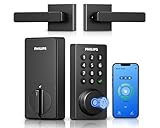
I remember the first time I fumbled for my keys, juggling groceries, my toddler, and a leaky milk carton. It was pure chaos. That’s when I started thinking, really thinking, about whether smart door locks are worth it. I’ve been down the rabbit hole of smart home tech, and let me tell you, not all of it lives up to the hype. Some gadgets are genuinely useful, others are just expensive paperweights. So, are smart door locks one of the former? My honest opinion after years of use might surprise you.
Forget the glossy ads that show effortless entry and perfect lives. The reality of smart locks, like most tech, is a mixed bag. They promise convenience, security, and peace of mind, but can they actually deliver? Let’s cut through the noise and figure out if adding one of these to your door is a smart move or just another gadget collecting dust.
Why I Ditched My Old Deadbolt: The Real Smart Lock Story
Look, I’m not some tech bro who buys every new gadget the second it’s announced. I’m the guy who waits, reads reviews (the real ones, not the sponsored fluff), and tries to figure out if something will actually make my life easier or just add another thing to worry about. For a long time, I scoffed at the idea of a smart lock. Why mess with a perfectly good deadbolt that’s been doing its job for decades?
Then, a few years back, my wife and I were going through a rough patch with dog walkers and house sitters. Constantly hiding keys under the mat or making spare copies felt like something out of a bad spy movie. It was inconvenient and, frankly, a security risk.
I figured, okay, maybe there’s something to this smart lock thing. So, I bought my first one. It was a well-known brand, supposed to be top-tier.
Installation was… okay. Took me longer than the YouTube video suggested, but doable. The app interface was clunky, and the connectivity was spotty.
Sometimes it would open instantly; other times, I’d be standing there, phone in hand, waiting for it to connect. Not exactly the ‘magic’ experience I was sold.
My first real surprise came when I accidentally locked myself out. Not from the outside, but from the inside. I was home, decided to step out for a quick minute to grab the mail, and somehow, the deadbolt engaged.
My phone was inside. My wife was at work. I was stuck on my porch in my PJs, looking like an idiot. Thankfully, I had a neighbor with a spare key who was home.
That was a wake-up call. It wasn’t just about convenience anymore; it was about understanding the potential pitfalls.
I learned that relying solely on the app or a code isn’t always foolproof. My second smart lock, a different brand, was much better.
Faster connection, a more intuitive app, and a built-in keypad that didn’t rely on my phone. That keypad became my savior. I gave codes to family members, the dog walker, even my elderly aunt who sometimes drops by.
It felt like progress. But even then, I had moments of doubt. Like the time the battery died unexpectedly.
I didn’t get a low-battery warning, and I was miles away. Luckily, my wife had her phone and could remotely open it, but that was a heart-stopping moment. It made me realize the importance of battery management and having a backup plan, which often means keeping a physical key somewhere accessible, defeating some of the ‘keyless’ point.
The common advice often glosses over these real-world glitches. They talk about remote access and temporary codes, which are great, but they don’t always mention the frustration of a dead battery or a connectivity hiccup.
It’s these little annoyances that chip away at the perceived value. My journey with smart locks has been one of trial and error, a constant learning process.
It’s not just about installing a new lock; it’s about adapting your habits and understanding the technology’s limitations. I’ve spent more than I probably should have, about $180 across two different models, trying to find something that works without causing me more headaches than it solves.
It’s a significant investment for something that, at its core, is still just a way to open a door.
What to Actually Look for (beyond the Fancy App)
So, you’re thinking about taking the plunge. Great. But don’t just grab the first shiny smart lock you see online. (See Also: Are Sesame Seeds Kosher For Passoveris Pollock Kosher )
There’s a whole lot of garbage out there. When I went from my first disappointing smart lock to my second, much better one, I learned to focus on a few key things that matter in the real world. First off, forget about the brand name for a second and look at the connectivity.
Is it Wi-Fi, Bluetooth, Z-Wave, or Zigbee? Wi-Fi is convenient because it connects directly to your router, meaning you can control it from anywhere without a separate hub, but it can be a power hog and sometimes less stable. Bluetooth locks are generally more power-efficient but limit your remote access to how far your phone’s Bluetooth signal can reach unless paired with a separate bridge or hub. Z-Wave and Zigbee require a compatible hub to connect to your Wi-Fi, which adds another device and a bit more complexity, but they are often more reliable and better for integrating with other smart home devices.
For most people, a Wi-Fi connected lock or a Bluetooth lock with an optional bridge is probably the sweet spot.
Next up: power. Most smart locks run on AA batteries. How long do they last?
This is HUGE. Some claim six months, others a year or more. My experience shows that heavy usage (lots of locking/opening, frequent app checks) will drain batteries faster than advertised.
Look for locks with good battery life estimates AND clear, prompt low-battery warnings. Seriously, I can’t stress this enough. A dead battery when you’re away is a nightmare. Some locks offer rechargeable battery packs or even hardwiring options as a backup, which are definitely worth considering.
Also, check the opening methods. Does it have a keypad? Fingerprint scanner? Voice control?
Relying solely on your phone can be risky if your phone dies or you lose it. A physical keypad with a PIN is a must-have for me. I like being able to give temporary PINs to guests without needing to download an app for them. Fingerprint scanners are cool, but I’ve found them to be less reliable in wet or cold weather.
Voice control is neat, but I’d never rely on it for primary entry; it feels more like a novelty feature. Consider the build quality too. Does it feel flimsy?
Metal construction is generally better than plastic. You want something that feels solid and can withstand the elements and potential tampering. The finish is also important – you don’t want it to look worn and dull after a year.
Some smart locks also offer auto-lock features, which can be a lifesaver if you’re forgetful. You can set it to lock automatically after a certain period, say 30 seconds or a minute.
Finally, the app. It’s got to be intuitive. Can you easily grant access, revoke it, check activity logs, and manage settings?
A clunky, confusing app will ruin the whole experience. Look for apps that provide clear notifications when the door is locked or opened, and by whom. This activity log is surprisingly useful.
I can see when my dog walker arrived and left, which gives me peace of mind. Some higher-end models integrate with smart home assistants like Alexa or Google Assistant.
This can be handy for checking lock status or locking the door with a voice command, but be cautious about opening via voice for security reasons. I’ve found that a good balance of physical controls (keypad) and reliable app functionality is what makes a smart lock truly worth it. Don’t get swayed by features you’ll never use.
Focus on reliability, battery life, and ease of use for everyone in your household.
The Dumb Mistakes I Made (so You Don’t Have To)
Let’s talk about screwing up. Because I’ve done my fair share. When I first got into smart locks, I was all about the futuristic appeal and the idea of never carrying keys again. That’s a fantasy, by the way.
My first big mistake was assuming installation would be a breeze. The box says ‘easy install,’ right? Well, ‘easy’ is a relative term. My first lock took me nearly two hours, a trip to the hardware store for a screwdriver I didn’t own, and a lot of colorful language. (See Also: Are Sliding Door Locks Common )
The alignment of the bolt was a nightmare. If your door is even slightly misaligned, you’re going to struggle. My advice: check your door’s alignment first. Make sure it closes smoothly without the deadbolt dragging.
If it sticks, you might need to adjust your door or frame before you even start messing with the smart lock. Trying to force a smart lock onto a poorly fitting door is a recipe for frustration and a lock that won’t work reliably.
I eventually got mine in, but it was a tight fit, and I worried about it jamming later.
My second massive blunder was not understanding battery management. As I mentioned, I had a lock die on me unexpectedly.
I thought the app would give me ample warning. Nope.
It gave me a little icon, easily missed if you’re not looking for it. I later learned that some brands have a ‘grace period’ where the lock will still function for a short while even with a critically low battery.
Others just… stop. This is where having a backup key becomes a must, even if it feels like a defeat for the whole ‘keyless’ concept. I now have a small emergency key hidden in my car’s magnetic key holder, just in case.
Another mistake? Over-reliance on just one opening method.
I was so enamored with the phone app that I barely used the keypad on my first lock. Then, my phone died while I was out running errands. Boom. Stranded.
It’s like carrying a wallet with no cash – you might be fine most of the time, but when you need it, you really need it. A physical keypad is your best friend. It’s reliable, and you can give temporary PINs to people who don’t have smartphones or who are visiting briefly. I also underestimated the importance of a good Wi-Fi signal at my front door.
If your router is too far away, or there are too many walls in between, you’ll have connectivity issues. This can lead to slow response times, failed opens, and general annoyance.
Before buying, check your Wi-Fi strength at the door. If it’s weak, consider a Wi-Fi extender or a lock that uses a different protocol like Z-Wave or Zigbee with a dedicated hub.
Finally, I didn’t think enough about security beyond the keypad. While most smart locks have encryption, it’s worth looking into what kind of security protocols they use. For the most part, the average user won’t be targeted by sophisticated hackers, but it’s a peace of mind thing.
Just remember, any connected device can potentially be a vulnerability if not properly secured and updated.
The biggest mistake, though, is thinking a smart lock is a magic bullet for all security concerns. It’s a convenience tool, and a decent one at that, but it doesn’t replace a solid door, a good frame, and basic common sense. It’s just one part of your home security system. Don’t skimp on the fundamentals because you’re blinded by the tech.
Is It Worth It? Real-Life Use Cases & My Verdict
Let’s cut to the chase. Are smart door locks worth it? My answer, after years of wrestling with them, is a qualified yes. But the qualification is massive.
They are worth it IF you are someone who genuinely benefits from the convenience and IF you choose the right one and understand its limitations. For me, the biggest win has been managing access for people who need to get into my house occasionally.
Having the ability to grant temporary PINs to dog walkers, cleaners, or visiting family members without having to physically hand over a key or worry about them losing it is huge. I can see in the app when they’ve entered and left, which is great for peace of mind. No more wondering if they showed up or if they remembered to lock the door on their way out. (See Also: Are The Rams Locked Into The 6th Seed )
Another scenario where they shine is for short-term rentals or if you frequently have guests. Imagine a friend is staying over while you’re out of town. You can give them a PIN that expires when they leave. No need for awkward key exchanges. For families, too, it can be a godsend. Kids forget keys constantly. With a smart lock, they can just punch in their code. Auto-lock is also a feature I now can’t live without. I’m notoriously forgetful, and knowing my door is automatically securing itself a minute after I leave is a huge stress reliever. It’s saved me from going back home multiple times.
However, they are NOT worth it if you’re looking for a foolproof security upgrade that makes your home impenetrable. A determined burglar will find a way regardless of your lock.
Smart locks are primarily about convenience and access management. If you live alone, rarely have guests, and are perfectly happy with your traditional deadbolt, a smart lock might just be an unnecessary expense and a potential source of frustration. The technology can be finicky.
Batteries die, Wi-Fi drops, apps glitch. If any of those scenarios would send you into a tailspin of anxiety, stick with what you know. The initial cost can be significant, ranging from about $100 for basic models to $300+ for premium ones with all the bells and whistles. Plus, some require a subscription for advanced features, which I generally try to avoid.
I prefer a one-time purchase that gives me full functionality. My personal verdict? They are a solid addition if your lifestyle genuinely benefits from keyless entry and flexible access control, and you do your homework to get a reliable unit with good battery life and a user-friendly app.
Here’s a quick rundown of some common types and my take:
| Type | Pros | Cons | My Verdict |
|---|---|---|---|
| Bluetooth Only | Good battery life, generally cheaper. | Requires phone proximity or a bridge for remote access. Limited functionality away from home. | Okay for primary residents who rarely forget keys and don’t need remote access often. Not ideal for families or frequent guests. |
| Wi-Fi Connected | Direct remote access without a hub. Easy setup for many. | Can be power-hungry, potentially less stable than hub-based systems. | A good all-around choice for most users if Wi-Fi is strong at the door. |
| Z-Wave/Zigbee | Reliable, excellent for smart home integration. Often better battery life than Wi-Fi. | Requires a separate hub, adding cost and complexity. | Best for those already invested in a Z-Wave or Zigbee smart home ecosystem. |
| Keypad + App | Multiple entry options (PIN, app, sometimes key). Flexible access control. | Can be more expensive. Needs reliable power source (batteries). | My preferred setup. Offers a balance of convenience and redundancy. |
Practical Tips for Smart Lock Success
Alright, so you’ve decided to go for it, or you’re seriously considering it. To make sure you don’t end up regretting your purchase or pulling your hair out, here are a few practical tips I’ve picked up. First, and I can’t say this enough: check your door. Seriously. Before you buy, make sure your door closes smoothly and the deadbolt slides in without resistance. If it’s sticky or misaligned, your smart lock will likely have issues. You might need to shim or adjust your door hinges. A little bit of prep work here will save you a mountain of headaches later.
Second, prioritize battery life and low-battery warnings. Look for models that explicitly state their expected battery life under average usage, and importantly, how they notify you when the battery is getting low. Some offer visual indicators on the lock itself, others send push notifications to your phone, and some do both. I’d recommend aiming for a lock that uses standard AA or AAA batteries, as they are easy to find and relatively inexpensive. Avoid proprietary batteries if possible. Also, consider getting a pack of rechargeable batteries and a charger. It’s better for the environment and can save you money in the long run, though remember you’ll need to swap them out periodically.
Third, don’t rely solely on your smartphone for access. This is a cardinal rule. Always opt for a smart lock that has a physical keypad for entering a PIN code.
This provides a important backup in case your phone is dead, lost, or out of range. It also makes granting access to guests much simpler – just give them a temporary code. I’ve found that giving out 4-6 digit PINs is generally secure enough for most residential purposes, but always choose something unique and not easily guessable. Some locks allow for longer PINs or even temporary codes that expire automatically.
Take advantage of these features. Fourth, understand your Wi-Fi situation. If your front door has a weak Wi-Fi signal, a Wi-Fi connected smart lock might be unreliable. Test your signal strength at the door before buying.
If it’s weak, consider a smart lock that uses Z-Wave or Zigbee with a hub, or invest in a Wi-Fi extender or mesh network system to boost the signal. A stable connection is vital for remote access and reliable operation.
Fifth, familiarize yourself with the lock’s security features. Most modern smart locks use encryption to protect communications between your phone, the lock, and the cloud. Look for locks that support strong encryption standards like AES-128 or AES-256. Regularly update the lock’s firmware through its app. Manufacturers release updates to fix bugs and patch security vulnerabilities. Don’t ignore these updates; they are important for keeping your lock secure. Lastly, practice using the lock and its app. Get everyone in your household comfortable with it. Make sure they know how to lock and open it, how to use the keypad, and what to do if the app isn’t responding. A little practice goes a long way in preventing those ‘oh no’ moments.
Do Smart Door Locks Need Wi-Fi?
Not all smart door locks require Wi-Fi to function. Many operate using Bluetooth, which allows you to control them from your smartphone when you are within range. However, to control a Bluetooth-only lock remotely (when you’re away from home), you typically need a separate bridge or hub that connects to your home’s Wi-Fi network. Locks that are specifically advertised as Wi-Fi enabled connect directly to your router, allowing for remote access without an additional hub, but they can sometimes be more power-hungry.
Can Smart Locks Be Hacked?
Yes, like any connected device, smart locks can be vulnerable to hacking. However, reputable manufacturers use encryption and security protocols to make them resistant to common hacking attempts. The biggest risks often come from weak passwords, unpatched firmware vulnerabilities, or physical tampering rather than sophisticated remote hacks for most consumer-grade locks. Keeping your firmware updated and using strong, unique passwords for your smart home apps is key.
Are Smart Locks More Secure Than Traditional Locks?
Smart locks offer different security advantages and disadvantages compared to traditional locks. They excel in access management, allowing for remote locking/opening and temporary codes, which can enhance convenience and tracking. However, their electronic nature can also introduce vulnerabilities like battery failure or potential hacking risks. A traditional deadbolt, when properly installed and made of high-quality materials, is very difficult to force open physically. Ultimately, the security of your home depends on a combination of your lock, door, frame, and overall security practices.
How Do I Choose a Smart Lock?
When choosing a smart lock, consider your connectivity needs (Wi-Fi, Bluetooth, Z-Wave/Zigbee), the types of entry methods you prefer (keypad, fingerprint, app), battery life and warning systems, build quality, and app usability. Make sure it’s compatible with your existing door and frame, and check for strong encryption and regular firmware updates. Reading reviews from trusted sources and considering your budget will also help narrow down your options.
What Happens If a Smart Lock Runs Out of Battery?
If a smart lock runs out of battery, its functionality will cease. Most modern smart locks provide advance warning through app notifications or indicators on the lock itself. However, if the battery dies unexpectedly, you typically have a few options. Many smart locks still have a keyhole for a traditional key, serving as a physical backup. Others have terminals on the exterior where you can temporarily connect a 9V battery to provide enough power to open the door using your code or app. Always check your specific model’s manual for its battery failure protocol.
Conclusion
So, after all that, are smart door locks worth it? For me, the answer is a resounding ‘it depends.’ They’re not a magic security upgrade, and they come with their own set of potential headaches. But if you’re drowning in keys, constantly letting people in and out, or just want that extra layer of automation, the convenience can be a big deal. Just remember to do your homework, pick a reputable brand with good battery life and a solid app, and always have a backup plan – because technology, even the smart kind, can be unpredictable.
Don’t buy one just because it’s trendy. Buy one because it genuinely solves a problem for you. If you’re the type of person who wants to fiddle with settings and troubleshoot occasionally, you’ll probably love it. If you just want a lock that works without thinking, maybe stick to your trusty deadbolt. The world of smart locks is still evolving, and while they’ve come a long way, they aren’t perfect. But for the right person, they can simplify life in surprisingly significant ways.