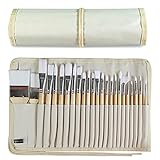
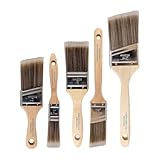
I remember staring at a wall of paint brushes, feeling completely overwhelmed. Years ago, when I first dove headfirst into acrylics, I just grabbed whatever looked fancy, figuring more expensive meant better. Spoiler alert: it usually doesn’t. The biggest question that used to plague me, and probably you too, is whether are synthetic brushes better than natural for acrylic painting. It’s not a simple yes or no; it’s about understanding what you’re actually trying to do with that blob of paint.
I’ve wasted enough cash on brushes that shed like a moulting dog or absorbed paint like a thirsty sponge. The good news? I’ve figured out what actually makes a difference, and it’s not always what the fancy art store brochures tell you.
This isn’t about finding the ‘best’ brush, but the right brush for you and your acrylic adventures.
Why I Ditched Sable for Plastic (mostly)
Let’s cut to the chase: are synthetic brushes better than natural for acrylic painting? For acrylics, my honest answer, after years of slinging paint, is a resounding yes, most of the time. I used to swear by natural hair brushes, especially for watercolors. They held water beautifully, blended like a dream, and felt luxurious. Then I hit acrylics. This stuff is thick, it’s unforgiving, and it dries faster than you can blink. Natural hair, particularly softer ones like sable, just couldn’t handle the abuse. They’d get gummy, lose their shape, and frankly, they started to look haggard after just a few sessions.
Synthetic brushes, on the other hand, are built tough. They’re made from nylon, polyester, or other man-made fibers. This means they’re way more durable and resistant to the solvents and mediums you’ll inevitably mix into your acrylics. Plus, and this is a big one for budget-conscious artists, they’re generally cheaper. You can get a decent set of synthetics for a fraction of the cost of good natural hair brushes. I remember buying a set of ‘artist-grade’ natural hair filberts for around $60. Within a month, one had splayed so badly it looked like a sad broom, and the others were just…meh. That was a hard lesson.
Think about the properties of acrylic paint: it’s viscous, it’s sticky, and it has a tendency to clog up fine bristles. Natural hair, especially hog bristle (which is sometimes used for oils but not ideal for acrylics), can be too absorbent. It soaks up too much paint, making it hard to control where it goes. Sable, while soft, doesn’t have the snap or stiffness needed to push thicker acrylic paint around. Synthetics, especially those with a good spring and a fine tip, offer that control. They can handle thick impasto strokes or fine, delicate lines, depending on the type of synthetic fiber and the brush shape.
The real magic of synthetics for acrylics lies in their versatility and resilience. They don’t swell up when wet like some natural hairs do, meaning their shape is more consistent. They clean up like a dream, too. A quick rinse under the tap with some soap and water, and they’re almost as good as new. This longevity and ease of maintenance mean you can focus more on your art and less on babying your tools. The common advice to always go natural if you can afford it? For acrylics, I think that’s often wrong. Save your precious sables for watercolors and treat your acrylics to the workhorses that synthetics are.
What to Look for: Beyond Just ‘synthetic’
Okay, so you’re convinced synthetics are the way to go for acrylics. Great. But not all synthetics are created equal. Walking into an art store and just grabbing the cheapest pack labeled ‘synthetic’ is a fast track to frustration. There’s a world of difference between a flimsy craft store brush and a quality artist-grade synthetic. The key is in the feel, the spring, and the tip.
First, let’s talk about the fibers. Most artist-grade synthetic brushes use nylon or a blend of synthetic filaments. The quality of these filaments matters. Look for brushes with a good ‘snap’ or ‘spring’. This is how quickly the brush returns to its original shape after you bend it. A brush with good snap will give you more control when applying paint. If it feels floppy or limp, it’s going to drag paint around unevenly and you’ll struggle to get crisp lines or smooth blends. I once bought a set of ‘value’ brushes that were so soft, they barely moved the paint. It felt like I was painting with a wet cotton swab. Total waste of about $25. (See Also: Can Acrylic Paint Go In An Air Brush )
The tip is another important element. For fine detail work, you want a brush with a very fine, well-formed tip. Some synthetic fibers are designed to taper to a microscopic point, allowing for incredibly precise lines. For broader strokes and texture, you might want a brush with slightly coarser or more varied filaments. Think about how you paint: are you doing tiny portraits with delicate eyelashes, or large, energetic abstracts? Your needs will dictate the ideal tip. I’ve found that a good round synthetic brush with a sharp point is surprisingly versatile, capable of both fine lines and decent fills.
Consider the ferrule (the metal part that holds the bristles to the handle) and the handle itself. A well-made ferrule should be smooth and securely crimped, so the bristles don’t fall out. A cheap ferrule can be sharp or rough. The handle should feel comfortable in your hand. Some artists prefer long handles for more distance and control, while others like shorter ones for more intimate work. Experiment to see what feels right. I’ve spent around $180 over the last year upgrading my core set of synthetics, focusing on brands known for consistent quality, and it’s made a world of difference compared to my early, haphazard purchases.
Finally, think about the shape. Rounds are great for lines and details. Flats and brights are good for broad strokes and filling areas. Filberts offer a blend of both. Angled brushes are fantastic for sharp corners and cutting in. Don’t just buy one type; experiment with a few shapes to see how they interact with acrylic paint and your personal style. The variety of synthetic brushes available means you can find the perfect tool for almost any acrylic painting technique.
Common Mistakes Newbies (and Some Pros) Make
Even with the best intentions, artists new to acrylics can trip up when choosing and using brushes. It’s easy to fall into traps that cost you money and, more importantly, your creative momentum. The biggest mistake I see is assuming that price equals quality. You don’t always need the most expensive brush, but you also shouldn’t skimp on the basics. I’ve fallen for the ‘artist-grade’ trap before, paying a premium for something that didn’t perform any better than a mid-range option. Conversely, I’ve seen people buy super cheap, multi-packs from craft stores that shed bristles like crazy, leaving little plastic hairs embedded in their beautiful acrylic layers. It’s incredibly frustrating to have to pick out tiny hairs from wet paint.
Another common pitfall is not cleaning brushes properly. Acrylic paint is notorious for drying hard and fast. If you let paint dry in the bristles, they’ll stiffen, splay out, and become useless. This is especially true for natural hair brushes, but even synthetics will suffer if neglected. I’ve been guilty of rinsing a brush and thinking it was clean, only to discover dried paint deep in the ferrule later. The best practice is to clean your brushes thoroughly immediately after use with soap and water. Some artists use a dedicated brush cleaner, which is great, but mild soap works wonders. Never leave brushes standing bristles-down in water; they’ll bend and get ruined.
People also make the mistake of using the wrong brush for the job. Trying to paint a delicate portrait with a large, stiff bristle brush is like trying to write a love letter with a shovel. Conversely, trying to lay down thick, textured impasto with a tiny, soft synthetic detail brush will be a losing battle. Understand the properties of different brush shapes and materials, and match them to the task. For example, if you’re working with heavy body acrylics and want to create texture, a stiffer synthetic brush with a good amount of spring, like a bright or a fan brush, will serve you much better than a soft, round watercolor brush.
Finally, there’s the ‘one-size-fits-all’ mentality. Many artists stick to just a couple of favorite brushes, neglecting the vast possibilities offered by different shapes and sizes. I used to be a ‘round brush only’ kind of person for a while. It took me ages to realize how much easier certain tasks became with a flat, an angle, or even a fan brush. Investing in a small variety pack of different synthetic brush types can open up new avenues of expression without breaking the bank. I spent about $40 on a starter set that included rounds, flats, and angles, and it was one of the best early investments I made.
My Real-World Experience: Synthetic Wins for Acrylic
Let’s get down to brass tacks. When I’m facing a blank canvas and a palette full of vibrant acrylics, what’s in my hand? More often than not, it’s a synthetic brush. I’ve been painting with acrylics for over a decade, and I’ve gone through phases. I’ve bought those fancy, multi-piece natural hair sets, thinking they’d magically transform my technique. And sure, for some very specific, subtle effects, a high-quality natural hair brush can still have its place, especially if you’re using acrylics very thinly, almost like a watercolor wash. But for the bulk of acrylic painting, especially with thicker paints, synthetics are just superior in almost every practical way. (See Also: Can Acrylic Paints Be Used In An Aqua Brush )
Take my landscape work, for example. I love building up texture with thicker paint, using palette knives and brushes to create movement and depth. For this, I need brushes that have backbone, that can push paint around without bending completely or becoming oversaturated. My favorite synthetic filberts, the ones with a good amount of spring and a slightly rounded tip, are perfect for this.
They hold just enough paint, allow me to apply it with pressure, and then spring back to their shape, ready for the next stroke. I’ve found that a good set of synthetic brushes, maybe costing around $50-$70 for a decent range, will last me for years with proper care, whereas natural brushes I’ve used for acrylics have succumbed to the rigors much faster. I remember one instance where a particularly aggressive impasto technique just mangled a sable brush, leaving it permanently splayed and unusable after only three uses. That was a $30 brush down the drain.
For my portraiture, where I often need both smooth blending and sharp details, I rely on different synthetic types. A fine-tipped synthetic round is my go-to for eyes, hair strands, and subtle edge work.
The key here is the quality of the synthetic filament – it needs to hold its shape and come to a fine, consistent point. Then, for larger areas like skin tones or clothing, I’ll switch to a soft, flat synthetic brush.
These lay down smooth, even layers of color without leaving harsh brush marks, allowing me to blend colors smoothly. The consistency of synthetic fibers means I can trust that a brush will behave the same way, stroke after stroke, which is something I couldn’t always say about natural hair brushes that can vary slightly from one to the next.
The durability and ease of cleaning are a must for me. I paint fairly often, and the last thing I want is to spend an hour cleaning and conditioning brushes after every session. Synthetics are usually a quick rinse and a gentle soap wash away from being ready for the next project. This practicality allows me to be more spontaneous and productive. While some artists might argue for the unique qualities of natural hair, for the everyday demands of acrylic painting, the reliability, affordability, and performance of synthetic brushes make them my clear choice. The common advice that natural is always better simply doesn’t hold up when you’re dealing with the unique challenges of acrylic media.
A Quick Comparison: Synthetic vs. Natural for Acrylics
To make things super clear, let’s lay out the pros and cons of synthetic versus natural brushes specifically for acrylic painting. This isn’t about which is ‘better’ in a universal sense, but which tends to perform more reliably and efficiently with acrylics. My personal verdicts are based on years of hands-on use, and frankly, I’ve found the synthetic side to be the winner for this medium.
| Feature | Synthetic Brushes | Natural Brushes (Sable, Hog Bristle, etc.) | My Verdict for Acrylics |
|---|---|---|---|
| Durability | High. Resilient to wear and tear, solvents, and heavy use. | Moderate to Low. Can be damaged by harsh solvents, heavy paint loads, and vigorous cleaning. Hog bristles are tough but can be too stiff. | Synthetic. They just last longer and take more abuse. |
| Paint Handling | Holds less paint than natural fibers, offering more control for precise application. Excellent for thick or thin applications. Good snap. | Can hold more paint (especially softer hairs). Can be less predictable with acrylics due to absorption rates. Hog bristles can be too stiff and absorb too much. | Synthetic. Better control and less paint waste. |
| Shape Retention | Excellent. Maintains its shape and tip even when wet. | Varies. Some natural hairs can swell or splay when wet, especially softer ones. | Synthetic. Important for consistent strokes and details. |
| Cleaning | Easy and quick. Paint washes out readily. Less prone to permanent staining. | Can be more challenging. Paint can embed, requiring more effort. Softer hairs can be damaged by aggressive cleaning. | Synthetic. Big time saver and extends brush life. |
| Cost | Generally more affordable, from budget to artist-grade. | Can be significantly more expensive, especially high-quality natural hairs like sable. | Synthetic. Better value for money for acrylics. |
| Feel | Can sometimes feel less ‘luxurious’ or ‘soft’ than the finest natural hairs, but modern synthetics are very good. | Often described as softer, more fluid, with a unique ‘feel’. | Synthetic. For acrylics, the ‘feel’ is secondary to performance. |
| Best For Acrylics | Most applications: detail, blending, texture, impasto, washes. | Thin washes, delicate glazing (if you’re careful), or specific effects where water retention is most important. Not ideal for heavy body paints. | Synthetic. The clear winner for versatility and robustness. |
Hog bristle, while tough, is often too stiff and porous for the fine control needed with acrylics. It’s better suited for oils. Sable, the king of watercolor brushes, can get gummy and overworked with acrylics, losing its delicate point. I’ve seen artists try to use natural hair brushes for acrylics and end up with a muddy, splayed mess after just a few sessions. It’s a costly mistake. For acrylics, the engineered properties of synthetics – their stiffness, their ability to hold a fine point, their resistance to damage – make them the workhorses you need. (See Also: A Brushes Digital Painting )
Faq: Your Burning Brush Questions Answered
Are Synthetic Brushes Good for Beginners in Acrylic Painting?
Absolutely. Synthetic brushes are generally more forgiving and easier to maintain for beginners. They are durable, affordable, and clean up well, which means you can focus on learning the techniques of acrylic painting without worrying too much about damaging your tools. Starting with a set of versatile synthetic brushes is a smart and cost-effective choice for anyone just beginning their acrylic journey.
Do Synthetic Brushes Hold Paint as Well as Natural Brushes for Acrylics?
This is a nuanced question. Natural brushes, especially softer ones, can hold more liquid paint due to their porous structure. However, for acrylics, this can sometimes lead to oversaturation and a loss of control. Good quality synthetic brushes are designed to hold a good amount of paint without becoming oversaturated, offering a better balance of capacity and control. They provide excellent paint laydown for both thick and thin applications, which is key for acrylics.
Can You Use Watercolor Brushes for Acrylics?
Yes, you can use watercolor brushes, which are typically made of soft synthetic or natural fibers, for acrylic painting, especially if you are applying the acrylics thinly, similar to watercolor washes. However, be aware that acrylic paint is more abrasive than watercolor. Using soft watercolor brushes extensively with thicker acrylics can cause them to splay and wear out much faster than they would with watercolor. Stiffer synthetic brushes designed for acrylics will generally offer better longevity and performance for most acrylic techniques.
What Is the Main Difference Between Synthetic and Natural Paint Brushes?
The main difference lies in the material: synthetic brushes are made from man-made fibers like nylon or polyester, while natural brushes are made from animal hair (e.g., sable, hog bristle, squirrel). This material difference affects durability, water absorption, paint handling, shape retention, and cost. Synthetic fibers are generally more resistant to damage from solvents and water, making them ideal for acrylics, whereas natural hairs can offer unique softness and paint-holding capabilities preferred for mediums like watercolors or oils.
Should I Use Hog Bristle Brushes for Acrylic Painting?
Generally, no. Hog bristle brushes are traditionally used for oil painting because their stiff, coarse fibers are excellent for pushing thick oil paint and creating texture. While they are durable, their stiffness and absorbency aren’t ideal for the control and precision often desired with acrylics. They can feel too stiff, absorb too much paint, and lead to less refined brushstrokes in acrylics compared to good synthetic brushes. For acrylics, synthetics or a softer natural hair (used cautiously) are usually better choices.
Conclusion
So, are synthetic brushes better than natural for acrylic painting? My take, after years of splashing, dabbing, and occasionally cursing at my canvases, is a pretty firm yes. They’re the unsung heroes of the acrylic world, offering a blend of durability, control, and affordability that natural brushes, for all their traditional prestige, just can’t match when it comes to this particular medium. You’ll save money, save frustration, and probably end up with better results faster.
Don’t get me wrong, there’s a time and place for fancy natural brushes, maybe for a very specific, gossamer-thin glaze in acrylics. But for the everyday grind, the thick strokes, the bold colors, the quick drying times – you want something that can keep up without falling apart or breaking the bank. That’s where synthetics shine.
My advice? Invest in a few good quality synthetic brushes in a variety of shapes and sizes. Treat them well, clean them immediately after use, and you’ll have tools that will serve you faithfully through countless paintings. Now go grab some paint!