I once spent an entire weekend prepping my garage, only to discover halfway through the project that my brand new, supposedly ‘miracle’ paint sprayer was spitting more than it was spraying. Dust everywhere, drips on my meticulously cleaned floor, and a finish that looked like a toddler had attacked it with a sponge. It was a mess, and it got me thinking about the practicalities of this whole paint spraying business. Specifically, are their any Massachusetts laws about paint spraying that I should have known about before I went and made a fool of myself?
The truth is, most of us just grab a sprayer and go, hoping for the best. But for those looking to do things by the book, or just avoid a DIY disaster, understanding any potential regulations is smart. It’s not always about grand legislation; sometimes it’s the smaller, more specific rules that catch you out.
So, Are Their Any Massachusetts Laws About Paint Spraying?
Okay, let’s cut to the chase. When you’re looking into whether there are specific Massachusetts laws about paint spraying, you’re likely thinking about a few things: environmental protection (don’t want to pollute the air or water, right?), safety (flammable materials, fumes), and maybe even neighborhood nuisance laws (noise, overspray drifting onto your neighbor’s prize-winning petunias).
For the average homeowner tackling a weekend project – say, painting a fence or a piece of furniture in the backyard – you’re probably not going to run into major legal trouble. Massachusetts doesn’t have a blanket law that says ‘Thou shalt not spray paint outdoors without a permit.’ However, that doesn’t mean you can just go wild. The key phrase here is ‘massachusetts state regulations on paint overspray.’
You need to consider the impact of your spraying. Think about Volatile Organic Compounds (VOCs), which are in most paints and can contribute to air pollution. The Massachusetts Department of Environmental Protection (MassDEP) is the main player when it comes to environmental regulations.
While they might not be policing your driveway, their broader regulations on air quality and hazardous waste disposal are the underlying framework. If you’re a business doing commercial spraying, especially with certain types of coatings (like industrial coatings or automotive finishes that have higher VOC content), then you absolutely need to be aware of MassDEP regulations, permitting requirements, and best practices for minimizing emissions.
For residential use, the focus is more on common sense and avoiding nuisance. Local town or city ordinances might come into play more than state-level laws. Is there a noise ordinance that limits when you can run a loud sprayer?
Is there a concern about paint drifting onto public property or a neighbor’s private property? These are the kinds of questions you should be asking your local building department or town hall if you’re concerned. I learned this the hard way when I was painting my shed and a gust of wind sent a fine mist of ‘colonial red’ onto my neighbor’s pristine white siding.
The awkward conversation that followed was more than enough to make me research overspray control religiously afterward.
The common advice is often to spray on a calm day, away from anything you don’t want painted, and to use drop cloths liberally. That’s good advice, but it doesn’t address the legal angle directly. The state doesn’t typically regulate the type of paint sprayer you use for DIY projects, but it does regulate how you handle paint and its byproducts. So, while there isn’t a specific ‘paint spraying law’ for homeowners, the broader environmental and local nuisance laws are what you need to be mindful of. It’s less about the gun and more about the gun’s impact.
Paint Sprayer Types: What’s Actually Worth Your Dough?
Let’s talk about the tools themselves. When you’re looking at paint sprayers, the market is flooded with options, and honestly, a lot of them are glorified dust makers. I’ve wasted money on cheap electric sprayers that clogged more than they sprayed, and I’ve seen friends get frustrated with professional-grade machines they didn’t know how to handle. The big question for anyone considering a sprayer, whether for a small touch-up or a whole house, is what’s actually going to give you a decent finish without costing an arm and a leg or requiring an engineering degree.
You’ve got three main types: Airless, HVLP (High Volume, Low Pressure), and Compressed Air. Each has its place, but understanding their strengths and weaknesses is key to not ending up with that dreaded “orange peel” texture or a surface that looks like it was painted with a potato.
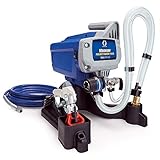
Airless Sprayers: These are the workhorses for larger projects. They use a pump to force paint through a small tip at very high pressure. They lay down a lot of paint quickly, making them great for walls, ceilings, fences, and decks. The upside? Speed. The downside? They can be messy if you’re not careful, and the overspray can be significant. For fine furniture or intricate trim work, they can be overkill and hard to control. I tried one for my kitchen cabinets, and while it was fast, I spent more time masking off everything that wasn’t a cabinet door than actually spraying. Plus, cleaning them can be a bit of a chore.
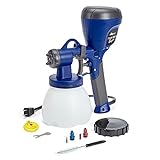
HVLP Sprayers: These are fantastic for detail work, furniture, cabinets, and smaller projects. They move a large volume of air at a low pressure, which atomizes the paint more finely and with less overspray than airless sprayers. This results in a smoother, more controlled finish. The downside? They can be slower for large surfaces, and you often need a more thinned-out paint to make them work effectively. Some are turbine-driven (self-contained), while others require a separate air compressor. The self-contained ones are convenient but can be noisy. I’ve found a good quality HVLP to be my go-to for anything beyond basic wall painting. (See Also: Are Spray Painters Worth It )
Compressed Air Sprayers: These are the traditional professional sprayers that use a separate air compressor to atomize the paint. They offer the best control and finest finishes, but they require a powerful compressor and are the most complex to set up and use. For the average DIYer, this is usually overkill unless you’re doing high-end automotive work or cabinetry.
When I look at these, my personal verdict leans heavily towards HVLP for versatility and finish quality, especially if you’re not painting the entire exterior of your house. Airless is king for speed on large, flat surfaces. Don’t buy the cheapest electric sprayer you see; you’ll regret it. Spend a little more on a decent Wagner or Graco, even their entry-level airless models are usually a step up from the no-name brands. For HVLP, look at brands like Fuji or even some of the better Wagner models if you’re on a tighter budget. Read reviews, watch videos, and understand what you’re painting before you buy.
Common Paint Spraying Mistakes (and How I Made Most of Them)
You’d think paint spraying is foolproof, right? Just pull the trigger and magic happens. Oh, how wrong I was. My first foray into paint spraying, as I mentioned, was a disaster. I was so eager to get the project done that I skipped a lot of the important prep work. That’s mistake number one, and it’s a big one.
Mistake 1: Skipping the Prep Work. This is where most people, myself included, fall down. You need to mask everything you don’t want painted.
And I mean everything. Drop cloths aren’t just for the floor; they should be used to cover furniture, windows, light fixtures, and anything else within a 10-foot radius (or more, depending on your sprayer and wind conditions). I once tried to save time by just taping off the edges of a wall I was spraying. Big mistake.
Paint mist travels. It gets into every nook and cranny.
You end up with a fine dusting of paint on your trim, your countertops, your electronics… you name it. It’s a nightmare to clean up and often requires repainting those areas. For cabinets, I now use masking paper taped securely to every edge, plus plastic sheeting for larger areas.
It takes time, but the result is so much cleaner.
Mistake 2: Not Thinning the Paint Correctly (or at all). This is especially important for HVLP and compressed air sprayers. Most paints, straight out of the can, are too thick to atomize properly through a sprayer.
You need to thin them according to the sprayer manufacturer’s recommendations and the paint manufacturer’s recommendations. This usually involves adding a thinning agent (like water for latex paints or a specific solvent for oil-based paints). Too thick, and you get splattering, uneven coverage, and a splotchy finish.
Too thin, and you risk runs and drips. Getting the viscosity right is an art. I use a viscosity cup – a small, inexpensive tool that measures how quickly a liquid flows out of a small opening. It’s a big deal for consistency.
Without it, I was just guessing, and my results were inconsistent.
Mistake 3: Wrong Tip Size or Pressure. This is huge. Every paint has a recommended tip size range for spraying, and every sprayer has an optimal pressure setting. (See Also: Can 12 Oz Paint Spray Cover A Whole Cabinet )
Too small a tip or too low pressure, and the paint won’t atomize properly. Too large a tip or too high pressure, and you’ll get excessive overspray, runs, and wasted paint. For airless sprayers, the tip size is indicated by a three-digit number (e.g., 517).
The first digit is roughly the fan width (5 means about 10 inches wide), and the last two digits indicate the orifice size. Choosing the right tip for your paint and surface is important. I once used a tip that was too large for a delicate cabinet, and I ended up with drips and runs that took ages to sand out.
Mistake 4: Poor Technique. Holding the sprayer too close or too far from the surface, not moving your arm at a consistent speed, starting and stopping the trigger mid-pass, or not overlapping your passes correctly will all lead to an uneven finish. The key is to keep the sprayer perpendicular to the surface and move your entire arm, not just your wrist, at a steady pace.
Overlap each pass by about 50%. Start the trigger before you reach the edge of your pass and release it after you’ve passed the other edge. This prevents heavy spots at the beginning and end of your spray lines.
It feels awkward at first, like you’re dancing with the wall, but it makes all the difference.
Practical Tips for a Smoother Finish (and Less Mess)
Alright, after all those mistakes, I’ve picked up a few tricks that have made my paint spraying experiences significantly less frustrating. It’s not rocket science, but it does require a bit of patience and attention to detail. These are the things I wish someone had hammered into my head before I ever picked up my first sprayer.
1. Test, Test, Test: Before you spray your actual project, always do a test spray on a piece of cardboard or scrap material. This is where you dial in your paint consistency, tip size, and pressure. You can check for overspray, runs, and the overall atomization. It takes two minutes and can save you hours of fixing mistakes. Adjust your thinning until you get a smooth, even fan pattern without splatters or runs. If you’re using an airless sprayer, experiment with the pressure. You want the lowest pressure that provides a good atomization without spitting.
2. Work in Sections and Overlap: Don’t try to spray an entire wall or piece of furniture in one go. Work in manageable sections. For walls, spray from ceiling to floor in a steady motion. For cabinets, spray the doors and frames separately. Always overlap your spray passes by about 50%. This makes sure even coverage and prevents those dreaded lines where one pass ends and the next begins. Imagine you’re ‘cutting in’ with a brush, but with a wide spray pattern.
3. Clean Your Sprayer Immediately: This is a must. If you’re using latex paint, flush the system with water until it runs clear. If you’re using oil-based paint, you’ll need to use the appropriate solvent. If paint dries in the sprayer, you’re looking at a world of clogged filters, hardened paint in the lines, and potentially a ruined machine. Take the time to do it right. It might add 20-30 minutes to your project cleanup, but trust me, it’s worth it. I’ve seen people neglect this, and their expensive sprayers become useless bricks in a matter of months.
4. Consider the Paint Type: Not all paints spray well. Latex paints are common for walls and exteriors, but they can be thick. You’ll almost always need to thin them. Oil-based enamels often spray beautifully and create a very durable finish, but they have strong fumes and require mineral spirits for cleanup. High-gloss paints can be trickier to spray without getting runs, so patience is key. Always check the paint can for spraying recommendations. Some paints are specifically formulated for spraying.
5. Fan Direction Matters: When spraying large surfaces like walls or cabinets, hold the sprayer so the fan pattern is horizontal when spraying up and down, or vertical when spraying side to side. This helps create a more even coat. For example, when spraying a wall from top to bottom, hold the sprayer so the fan is wider side-to-side. When spraying the edge of a door frame, you might rotate the tip to get a more focused fan. It’s about controlling the overspray and making sure even application.
Here’s a quick comparison table of common paint types and their spraying suitability:
| Paint Type | Spraying Ease | VOCs | Cleanup | Verdict |
|---|---|---|---|---|
| Latex/Water-Based Acrylic | Moderate (often needs thinning) | Moderate to High | Water | Good for walls, exteriors, general use. Can be less durable than oil-based. |
| Oil-Based Enamel | Good (typically sprays well) | High | Mineral Spirits | Excellent durability and smooth finish, great for trim, doors, furniture. Strong fumes and messier cleanup. |
| Lacquer/Varnish | Good (sprays very smoothly) | Very High | Solvents | Fast drying, very smooth finish, but highly flammable and strong fumes. Best for specific furniture or cabinet jobs. |
| Alkyd Enamel | Good | High | Mineral Spirits | Similar to oil-based, but often dries faster. Good for trim and furniture. |
When Does DIY Become Commercial? (and What That Means Legally)
This is where things can get a bit murky for some people. You’re a homeowner, you’re painting your own house, maybe even a small shed or fence. Is that considered ‘commercial’ spraying? Generally, no. The distinction usually comes down to whether you are being paid for the work, or if you’re doing it as a business activity. If you’re just painting your own property, you’re a homeowner doing a DIY project. The primary concerns are your own safety and not creating a public nuisance. (See Also: Can Aluminum Siding Be Spray Painted )
However, if you start doing this for neighbors, friends, or anyone else for compensation, even if it’s just for materials plus a little extra, you’re entering the world of commercial activity. This is where the ‘are their any Massachusetts laws about paint spraying’ question becomes much more serious. Commercial entities are held to a higher standard because their activities have a broader potential impact on the environment and public health.
The Massachusetts Department of Environmental Protection (MassDEP) has specific regulations concerning air pollution, particularly related to Volatile Organic Compounds (VOCs). Many paints and coatings contain VOCs, which can contribute to smog formation and other air quality issues. Commercial spray painters, especially those using certain types of coatings (like industrial maintenance coatings, automotive refinishing coatings, or certain architectural coatings), may need to comply with MassDEP’s air pollution control regulations. This could involve:
- Permitting: Depending on the scale and type of operation, a facility might need an air pollution permit from MassDEP.
- Restrictions on VOC Content: There are limits on the amount of VOCs allowed in certain coatings sold or used in Massachusetts.
- Work Practice Standards: This includes requirements for proper ventilation, containment of overspray, and efficient application techniques to minimize emissions.
- Waste Disposal: Commercial disposal of paint waste, thinners, and contaminated materials must comply with hazardous waste regulations.
The Occupational Safety and Health Administration (OSHA) also plays a role, focusing on worker safety. This includes requirements for personal protective equipment (PPE) such as respirators, gloves, and eye protection, as well as making sure proper ventilation in enclosed spaces where spraying occurs to prevent exposure to harmful fumes. For a commercial painter, neglecting these safety regulations can lead to hefty fines and even shutdowns.
So, if you’re thinking of turning your weekend hobby into a side hustle, it’s wise to research MassDEP’s specific regulations for coatings and air pollution. You can often find detailed guidance on their website. Even if you’re just painting a friend’s shed for a case of beer, it’s a good idea to operate under the assumption that responsible practices are always in order. The line between DIY and commercial can be crossed without you even realizing it, and the legal and financial consequences can be significant. Don’t get caught out by assuming the rules only apply to big painting companies.
What Are the Environmental Concerns with Paint Spraying in Massachusetts?
The primary environmental concerns with paint spraying in Massachusetts revolve around the release of Volatile Organic Compounds (VOCs) into the atmosphere. These compounds contribute to the formation of ground-level ozone, a major component of smog, which can harm human health and vegetation. Additionally, improper disposal of paint waste and cleaning solvents can contaminate soil and water sources. MassDEP regulations aim to control these emissions and make sure responsible waste management.
Are There Specific Massachusetts Laws About Paint Overspray Drifting Onto Neighboring Properties?
While there isn’t a single, overarching state law specifically addressing paint overspray drifting onto neighboring properties for DIY projects, such actions can fall under broader nuisance laws or local ordinances in Massachusetts. If significant overspray causes damage or creates a nuisance, affected neighbors might have grounds for a complaint. Commercial painting operations are subject to stricter environmental regulations that indirectly manage overspray to minimize air and land contamination.
What Kind of Safety Precautions Should I Take When Paint Spraying in Massachusetts?
When paint spraying, especially indoors or in poorly ventilated areas, it’s important to wear appropriate personal protective equipment (PPE). This includes a respirator rated for organic vapors to protect against inhaling harmful fumes and paint particles. Safety glasses or goggles are key to protect your eyes from mist and drips. Wearing gloves will protect your skin from contact with paint and solvents. Always make sure adequate ventilation by opening windows and doors, or by using fans to circulate air and exhaust fumes outside. If working in an enclosed space, consider using a fan to create cross-ventilation and direct fumes away from your breathing zone.
Do I Need a Permit to Paint Spray in Massachusetts?
For most residential DIY paint spraying projects in Massachusetts, you do not need a specific permit. However, if you are undertaking commercial painting operations, particularly those involving specific types of coatings or large-scale projects, you may need to obtain permits or comply with registration requirements from the Massachusetts Department of Environmental Protection (MassDEP) regarding air quality and emissions. It’s always advisable to check with your local town or city hall for any specific local ordinances that might apply to noise or outdoor activities.
What Are the Best Paint Spraying Techniques for a Professional Finish?
Achieving a professional finish with paint spraying involves several key techniques. These include proper preparation of the surface and surrounding areas, thinning the paint to the correct viscosity, using the right tip size and pressure for the chosen paint and sprayer, and employing consistent application technique. This means holding the sprayer at a uniform distance from the surface, moving your arm smoothly and at a steady speed, overlapping each spray pass by about 50%, and starting and stopping the trigger off the surface to avoid heavy spots. Practicing on scrap material before spraying the actual project is highly recommended.
When Is It Advisable to Thin Paint for Spraying in Massachusetts?
It is advisable to thin paint for spraying in Massachusetts whenever the paint’s viscosity is too high for your specific sprayer to atomize it properly. Most latex and water-based paints, and some oil-based paints, will require thinning for optimal spray performance, especially with HVLP and compressed air systems. Always consult the paint manufacturer’s recommendations for spraying and the sprayer manufacturer’s guidelines for the appropriate thinning agents and ratios. Incorrect viscosity can lead to poor atomization, splattering, runs, or an uneven finish, regardless of local regulations.
Final Verdict
So, while you likely won’t find a specific ‘paint spraying law’ on the books for your average weekend warrior in Massachusetts, that doesn’t mean you’re completely in the clear. The real takeaway is to be mindful of how your spraying impacts the environment and your neighbors. Think about VOCs, overspray, and proper cleanup. If you’re doing this for cash, even on a small scale, you really need to dig into the MassDEP regulations. It’s better to be informed and prepared than to get hit with fines or have an awkward confrontation.
My advice? Treat your projects with respect, do your prep work like your life depends on it (or at least your sanity does), and always test your spray. That $15 bottle of thinner and a couple of hours of masking will save you a world of pain. And remember, the laws about paint spraying, even if indirect, are there to keep our air cleaner and our communities pleasant. So, spray smart, spray safe, and aim for that smooth, professional finish.
Next time you’re considering a sprayer, what kind of project are you tackling, and what’s your biggest spraying fear?